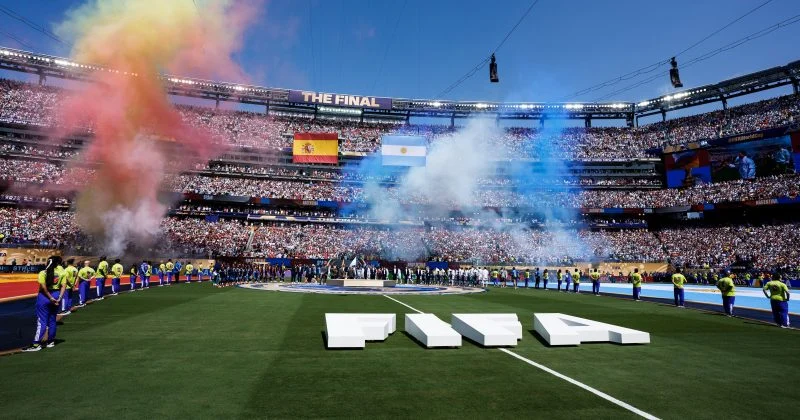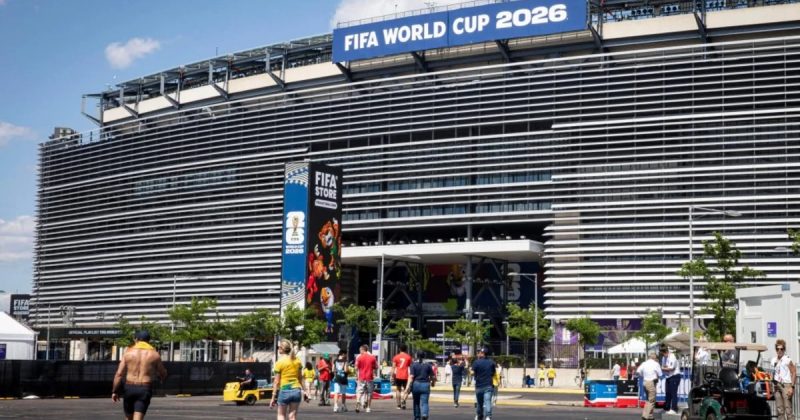
The 2026 FIFA World Cup kicks off this week under a cloud of controversy that has nothing to do with football. Immigration disputes, travel restrictions, and ticket prices that would make a Premier League chairman blush have dominated the pre-tournament narrative. But beneath the political noise, there’s a parallel story unfolding: FIFA’s aggressive push into Web3 infrastructure, which is about to get its biggest stress test ever.
The tournament, hosted across the US, Canada, and Mexico, was supposed to be a celebration of football’s global reach. Instead, it’s become a case study in what happens when geopolitics, logistics, and blockchain ambition collide at scale.
The off-pitch turmoil
Prices for the 2026 tournament are expected to exceed those from the 2022 World Cup in Qatar, a tournament that already set records for cost. For an event that bills itself as the world’s most inclusive sporting spectacle, pricing out large segments of the global fanbase is, to put it mildly, not a great look.
FIFA’s blockchain bet gets real