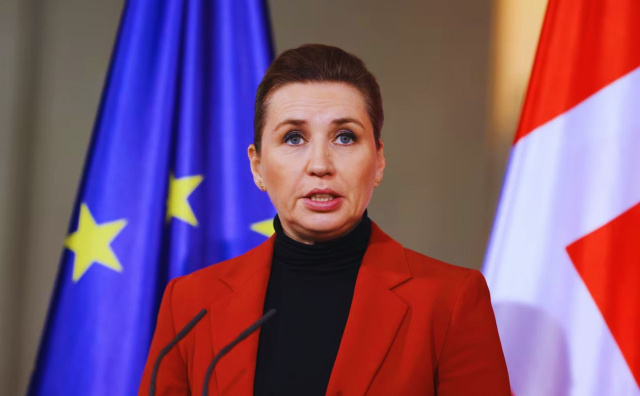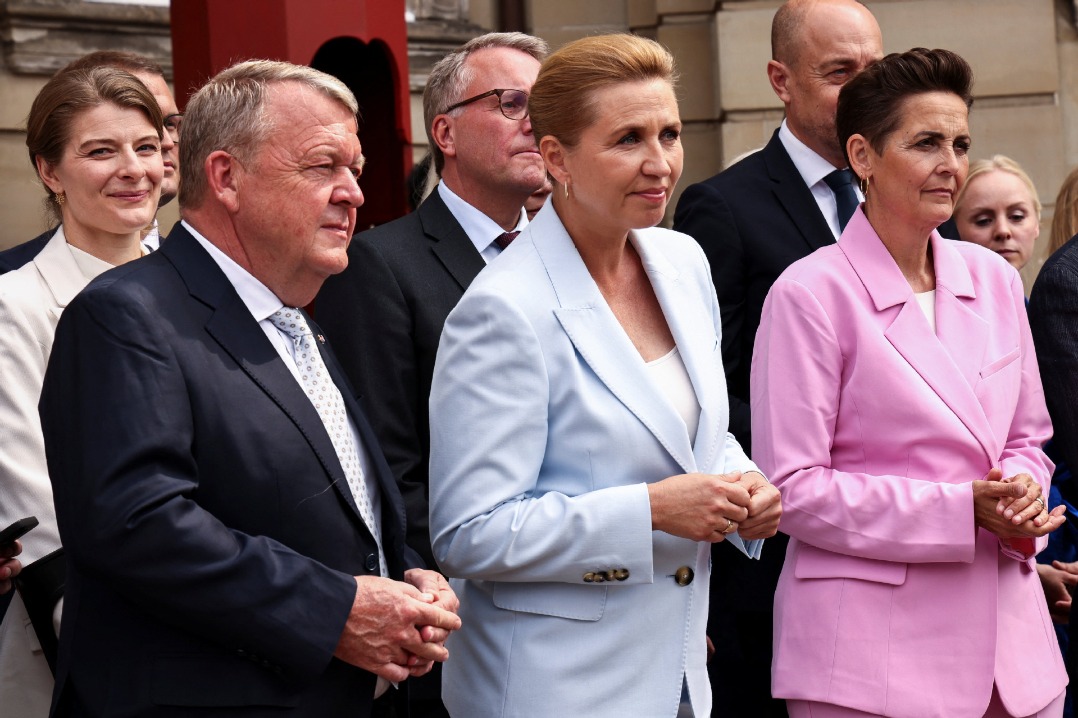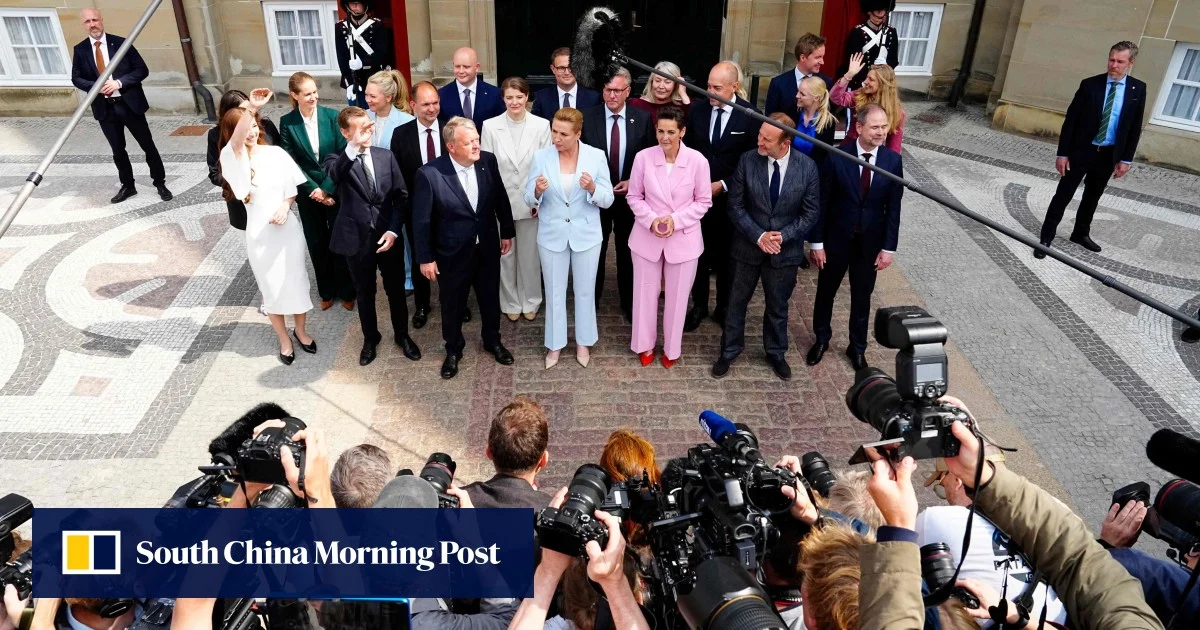
The new Danish government’s proposal to slow the rollout of a controversial higher education reform and to expand STEM places has been welcomed by universities, but there are concerns that the coalition is overlooking struggling humanities disciplines.
An extra 2,000 undergraduate places in STEM subjects will be created by the centre-left administration that finally formed last week after months of negotiations.
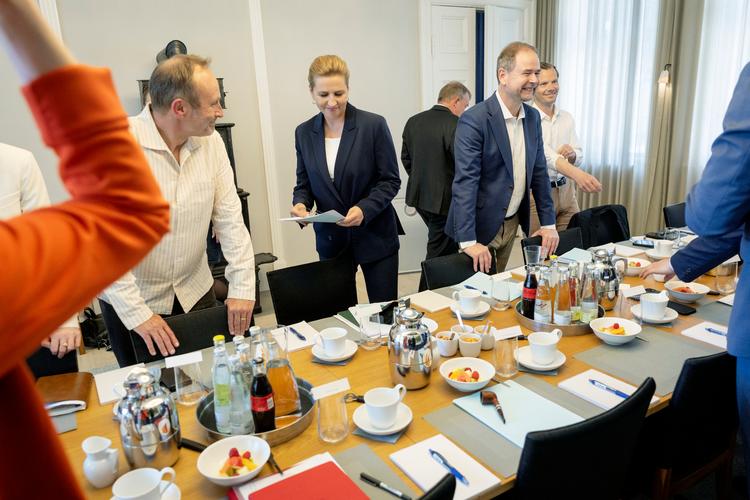
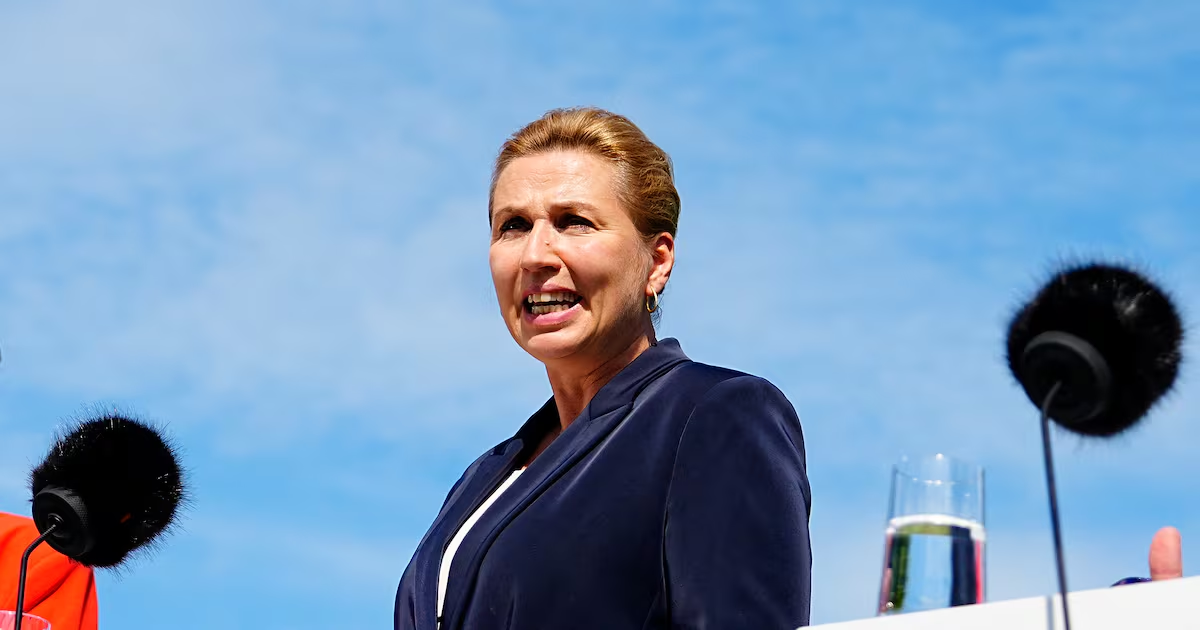
The Social Democratic Party-led coalition, under prime minister Mette Frederiksen, has also proposed delaying the introduction of a reform that would replace many traditional two-year master’s degree programmes with shorter or professionally oriented alternatives.
Under the original plan announced in 2023, 20 per cent of master’s courses in 2028 would be given over to new tracks, with half going to shorter programmes and half to new professional master’s degrees. By 2032, a further 5 per cent would have been allocated to both, leaving just 70 per cent of traditional programmes.
The government now intends to propose that 90 per cent of students in 2028 should still be able to choose a traditional two-year, full-time course, a move that still needs to be agreed by all parties.