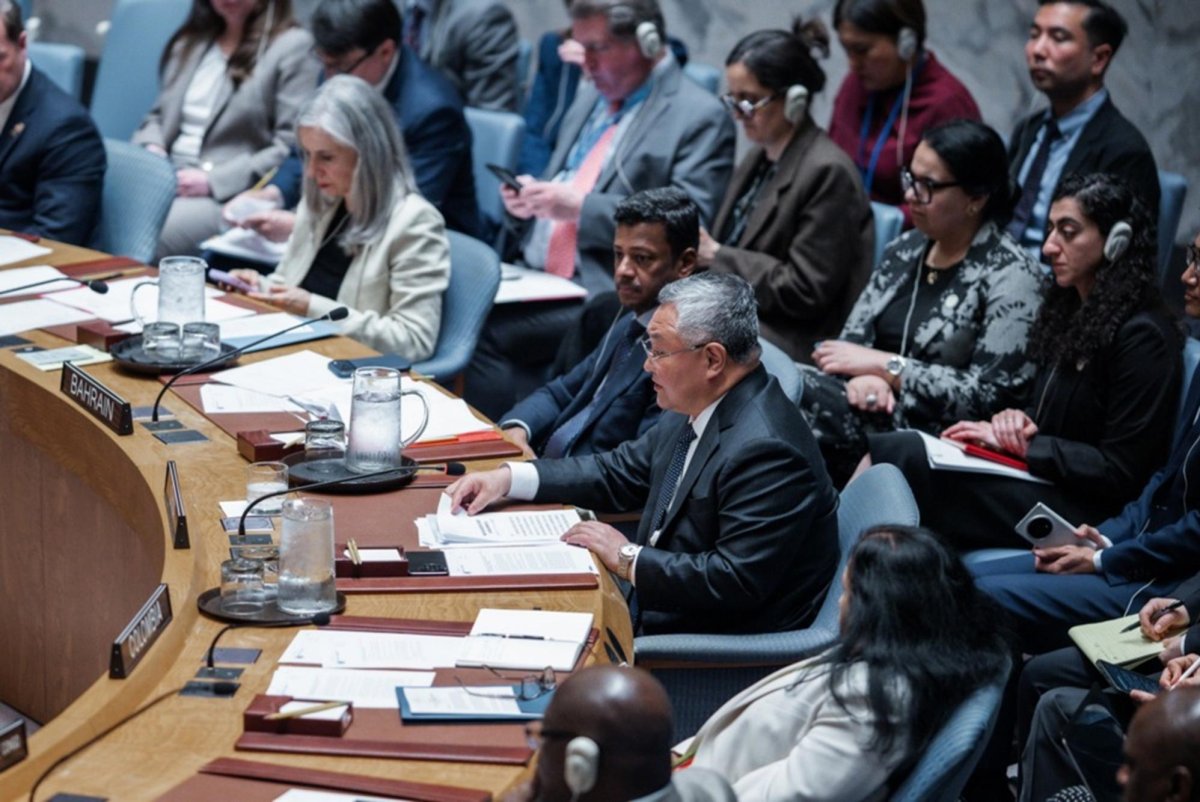
May has come to an end, distinguished in part by the fact that the People’s Republic of China held the rotating presidency of the United Nations Security Council.
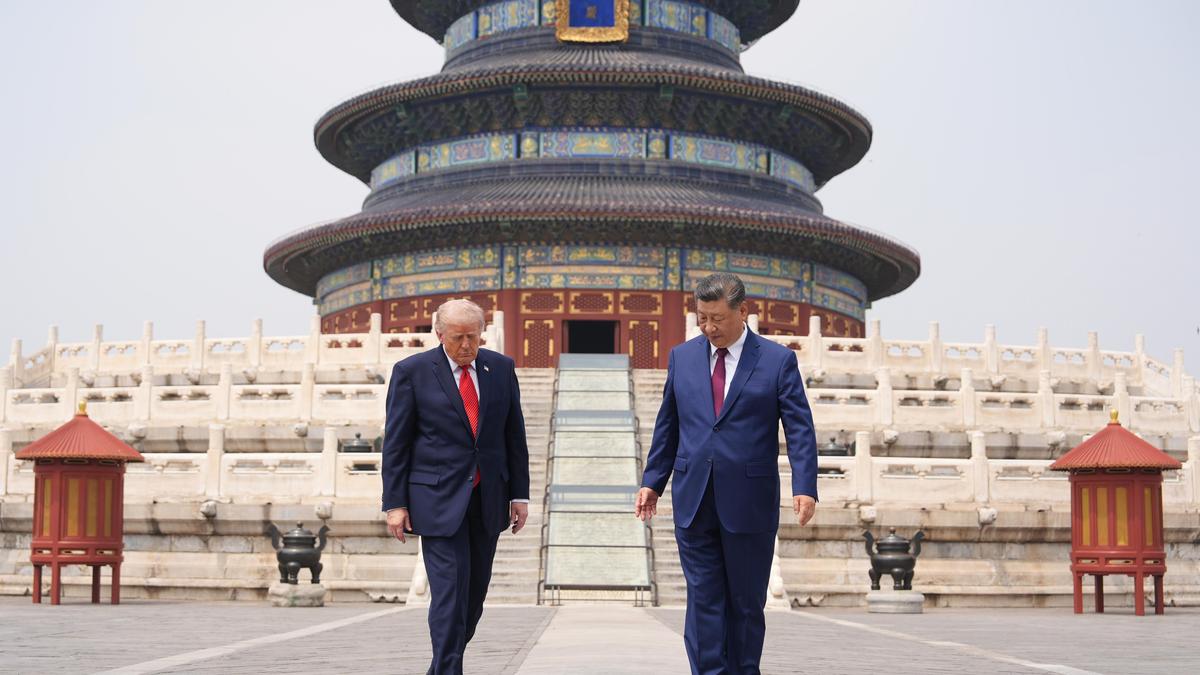
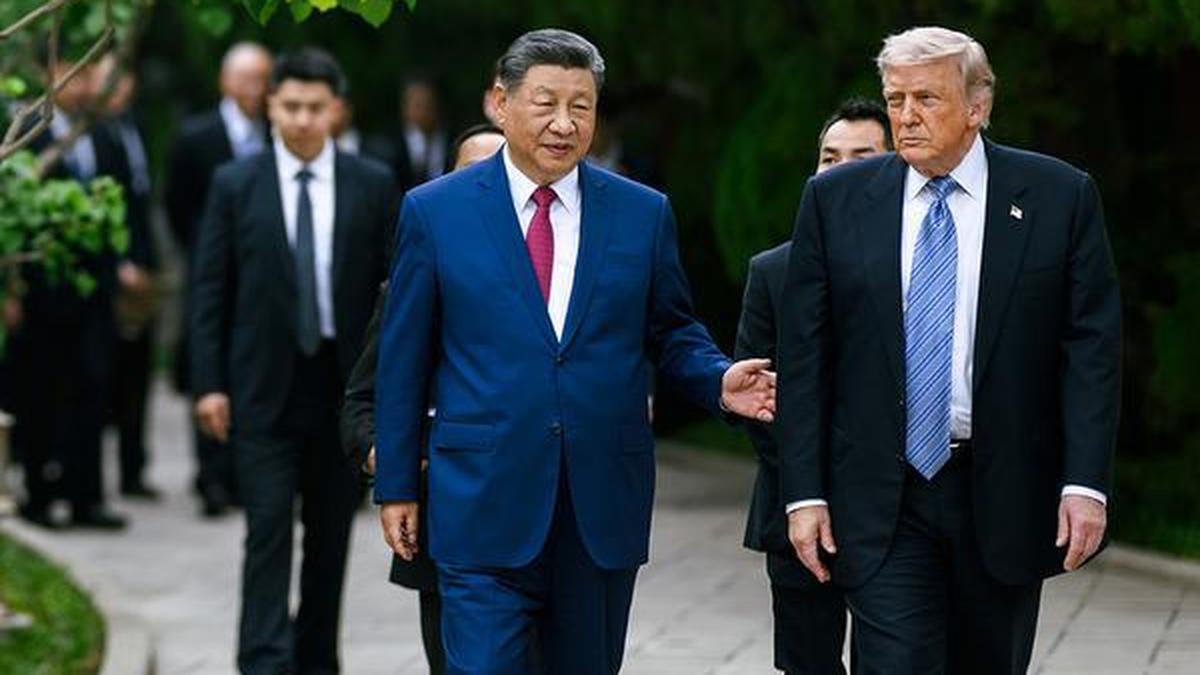
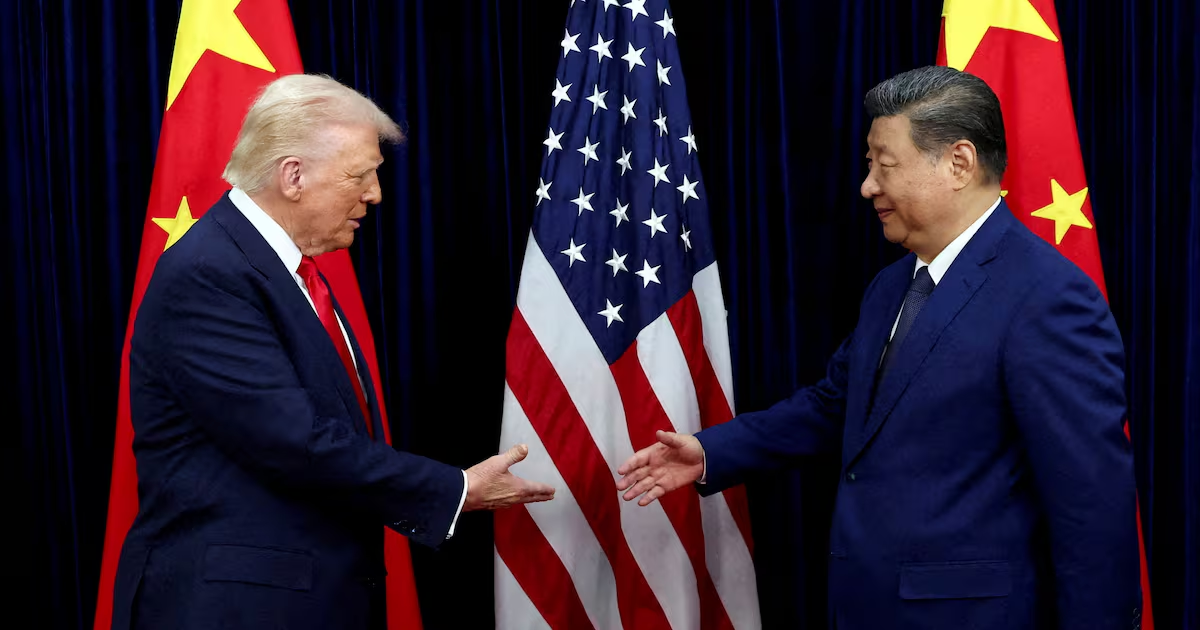
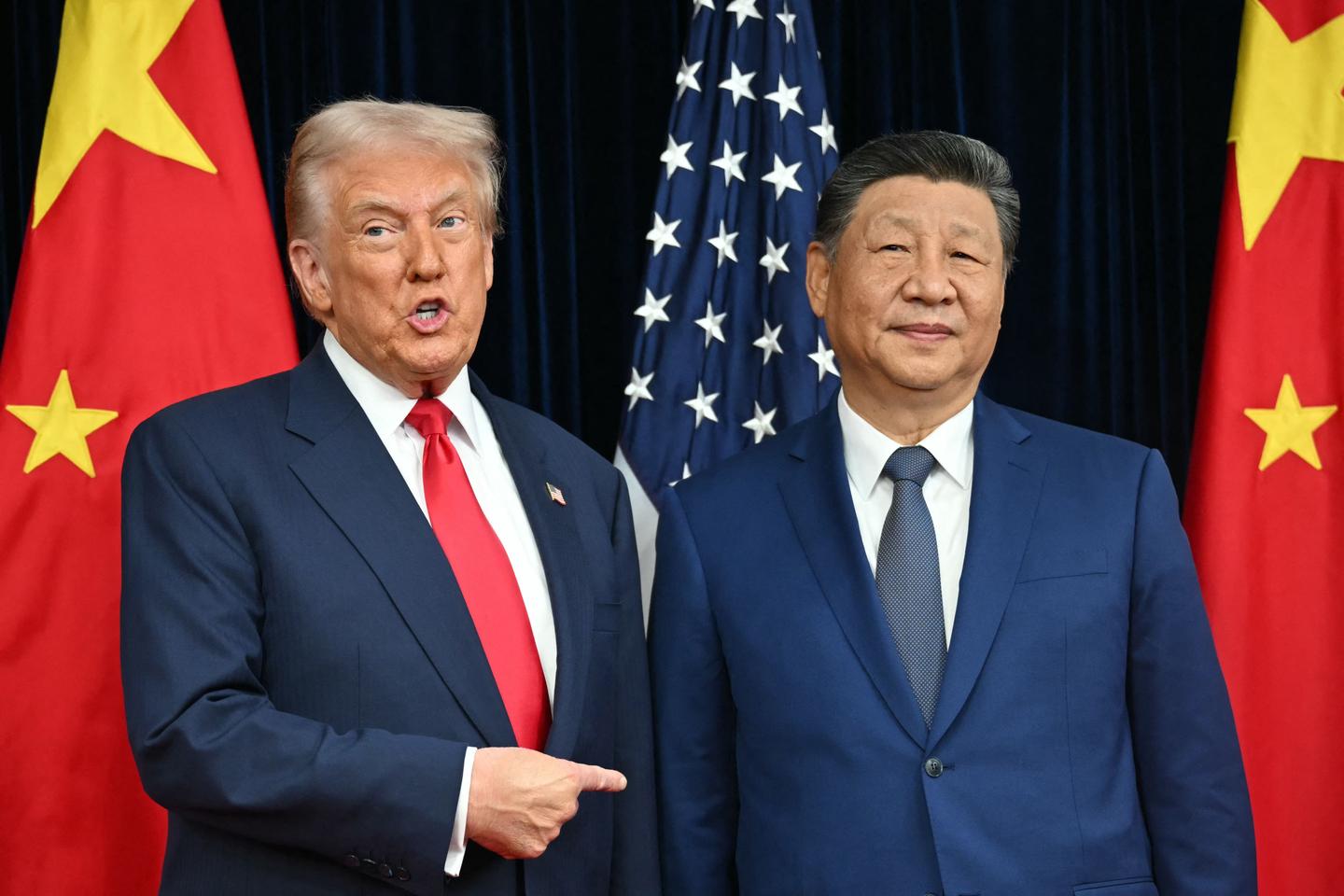
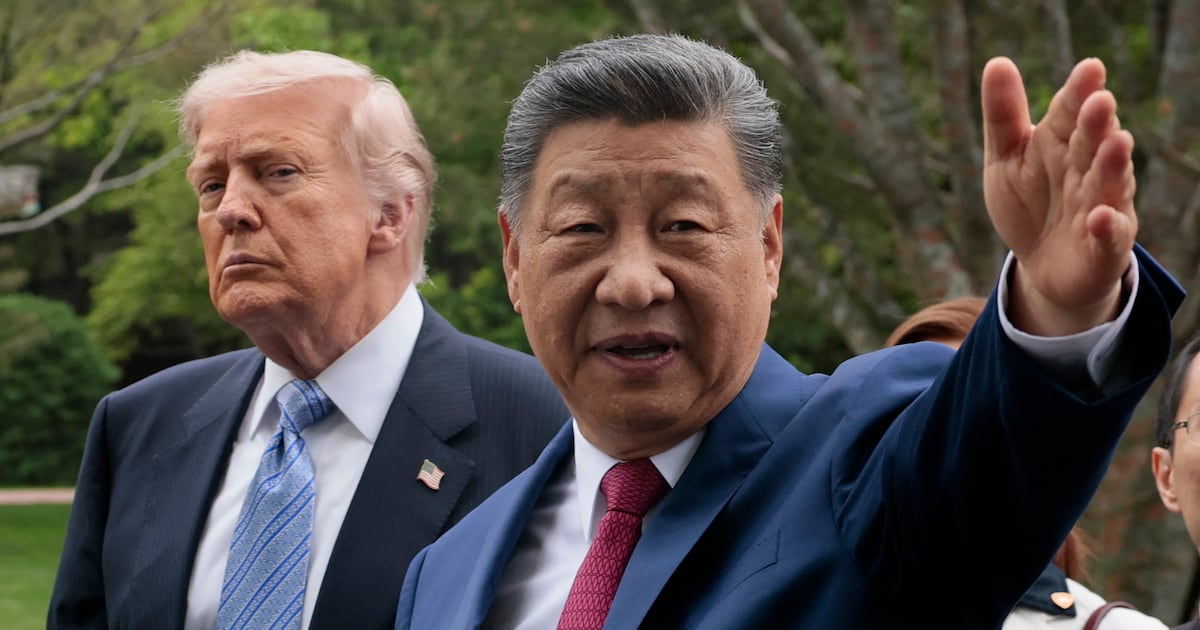
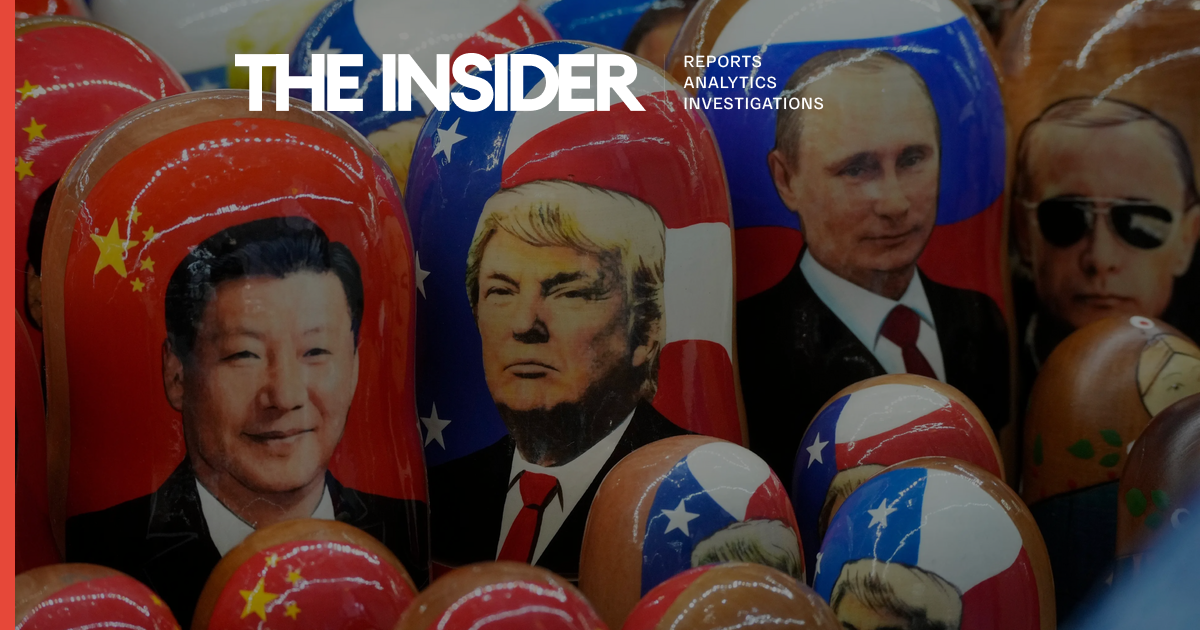
At first glance, this may seem like a routine event, as all Security Council members assume the presidency in turn. In China's case, however, the occasion carried particular significance. First, 2026 marks an important anniversary for the PRC: 55 years have passed since it regained its seat at the United Nations. Second, May saw a state visit to Beijing by U.S. President Donald Trump, followed shortly thereafter by a visit from Vladimir Putin.
As a result, Beijing became a focal point where major international developments and competing interests converged throughout the month. In many respects, it served as one of the key venues where the contours of the emerging world order were being shaped.
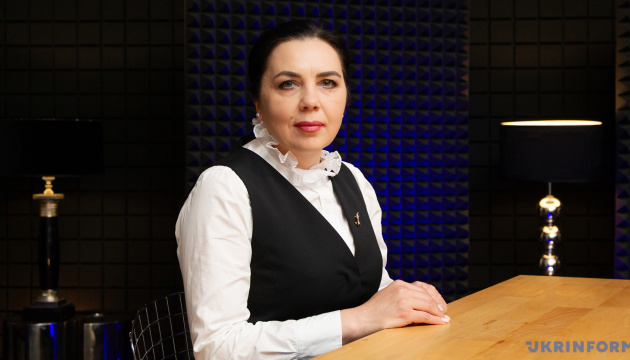
To explore these developments, Ukrinform is joined by Natalia Butyrska, an expert at the New Europe Center specializing in Indo-Pacific affairs.
UkrInform (UI): Nearly a year ago, we discussed the summit of the Shanghai Cooperation Organisation and devoted considerable attention to the question of a new world order. At the time, we concluded that the international system had effectively become bipolar. One pole is represented by the United States, while the other is centered on the People’s Republic of China. Has this distribution of power and influence now become firmly established?