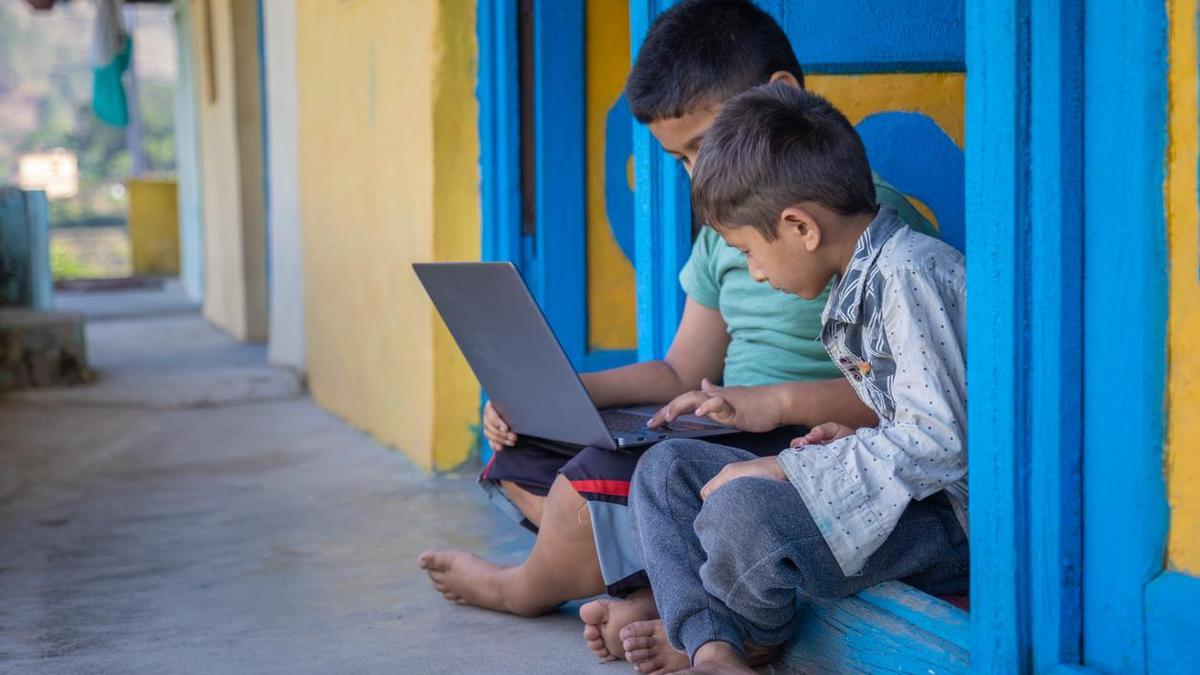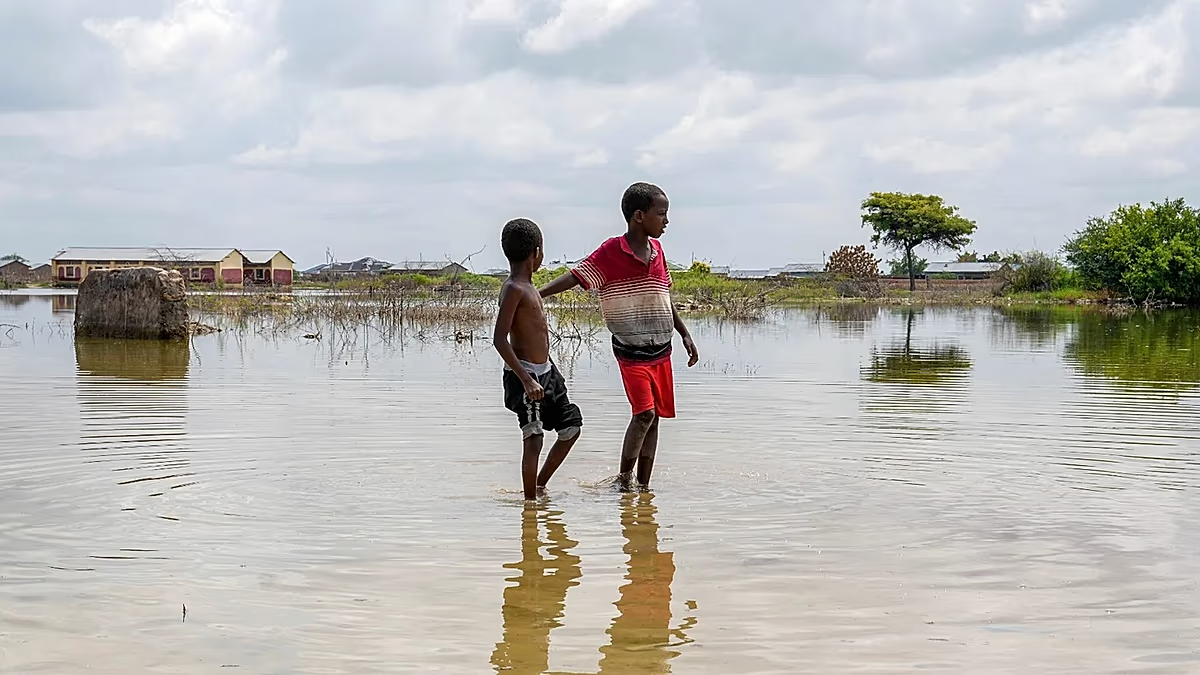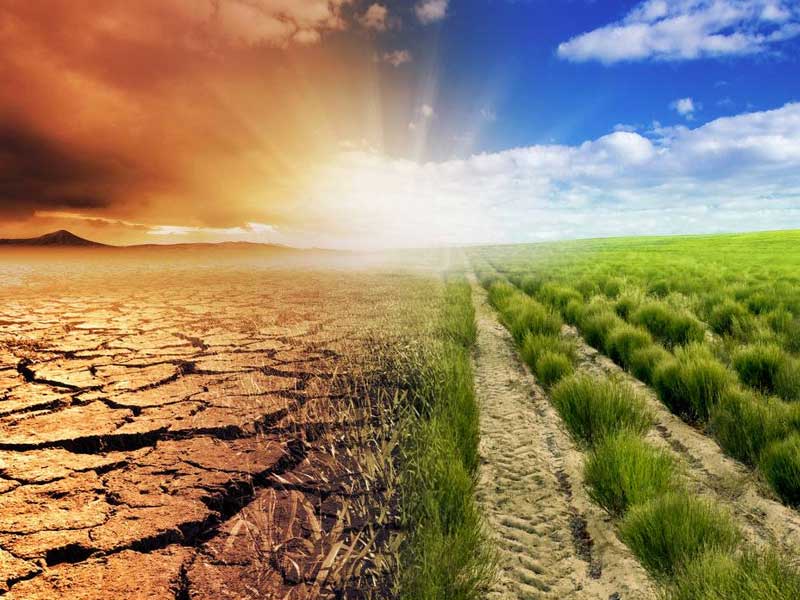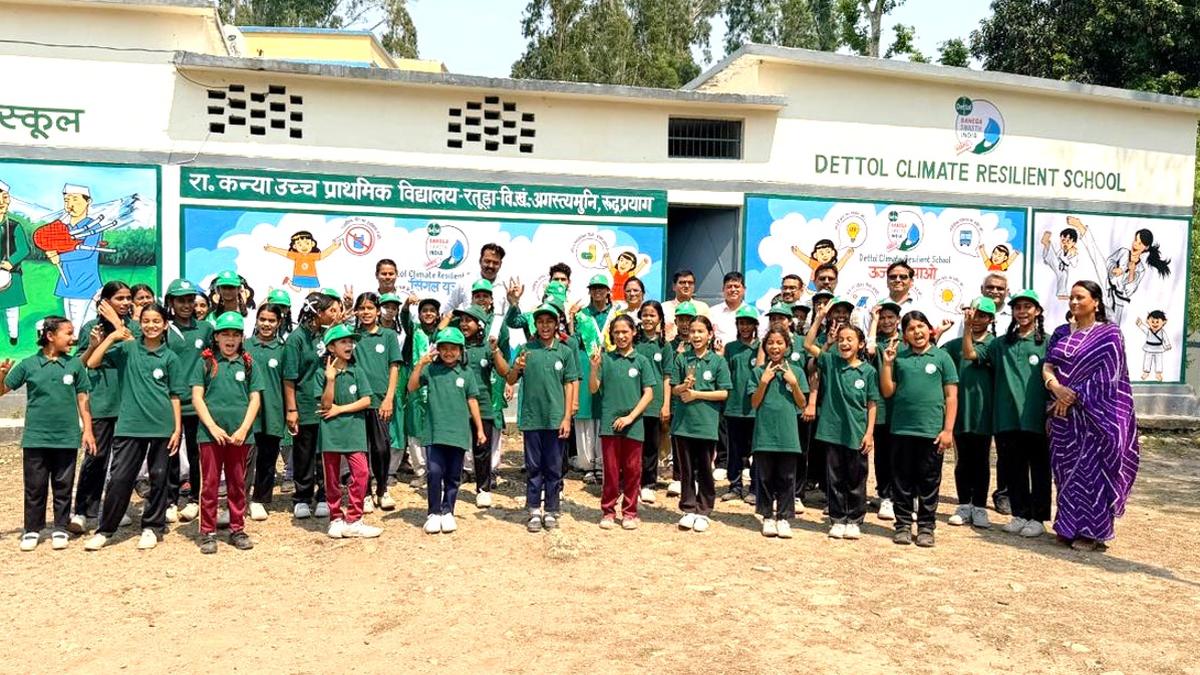
Climate change is increasingly shaping the everyday lives of children. From extreme heat and water scarcity to flooding and poor sanitation, these challenges are affecting children’s health and hygiene, disrupting schooling and impacting their ability to learn and grow.Globally, nearly 1 billion children face extremely high climate risk, and in India alone, an estimated 24 million children are impacted by climate-related emergencies every year. These challenges highlight an urgent need for solutions that protect both children’s health and their access to education.Recognising this, Reckitt, a world class health and hygiene company, through its flagship Dettol Banega Swasth India initiative, launched the Dettol Climate Resilient Schools (DCRS) programme in Uttarakhand in collaboration with the Government of Uttarakhand. The initiative underscores Reckitt’s commitment to drive positive health and environmental outcomes, in alignment with the Government of India’s Mission LiFE (Lifestyle for the Environment).As part of the initiative, Reckitt has established climate-resilient schools across the Char Dham region, Gangotri and Yamunotri in Uttarkashi, Kedarnath in Rudraprayag, and Badrinath. Built on three key pillars - campus, collaboration and curriculum, the programme integrates climate resilience into school infrastructure, partnerships and educational content to help children adopt sustainable practices and build resilience to climate-related challenges.To understand the impact of this initiative, an evaluation was conducted by AIIMS Rishikesh across the four climate-resilient schools and nine non-intervention schools in the region.Key findings from the study reveal a strong and measurable impact, including:
On World Environment Day, Dettol Banega Swasth India Showcases How Climate-Resilient Schools Are Helping Children Stay Healthy and Learn Better
On World Environment Day, Dettol Banega Swasth India Showcases How Climate-Resilient Schools Are Helping Children Stay Healthy and Learn Better
771 words~4 min read