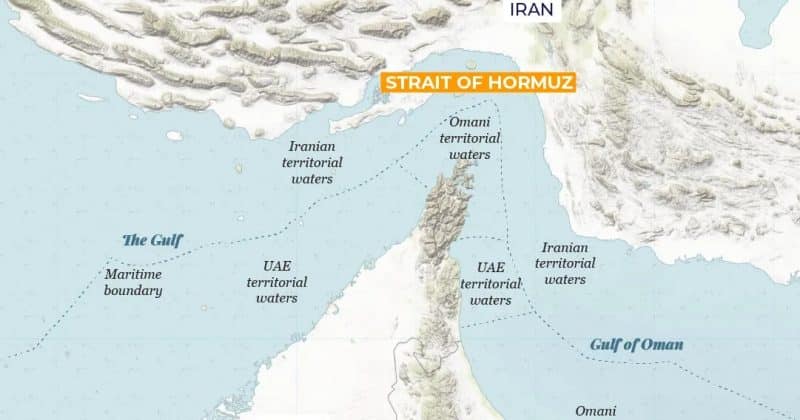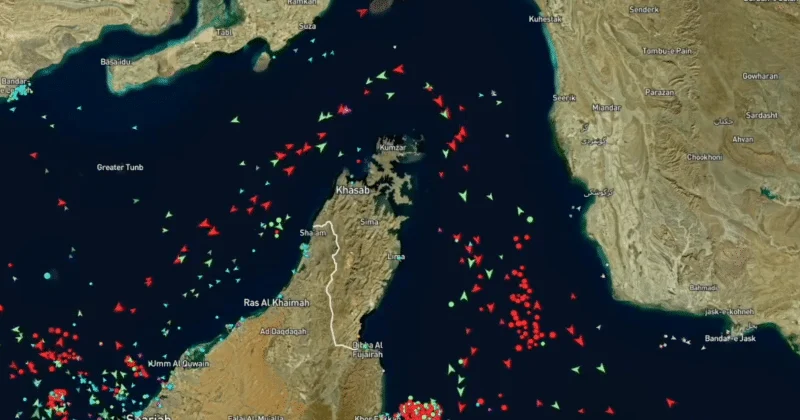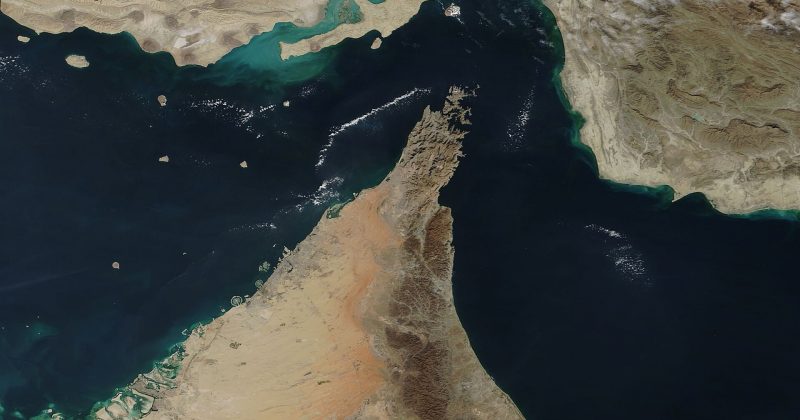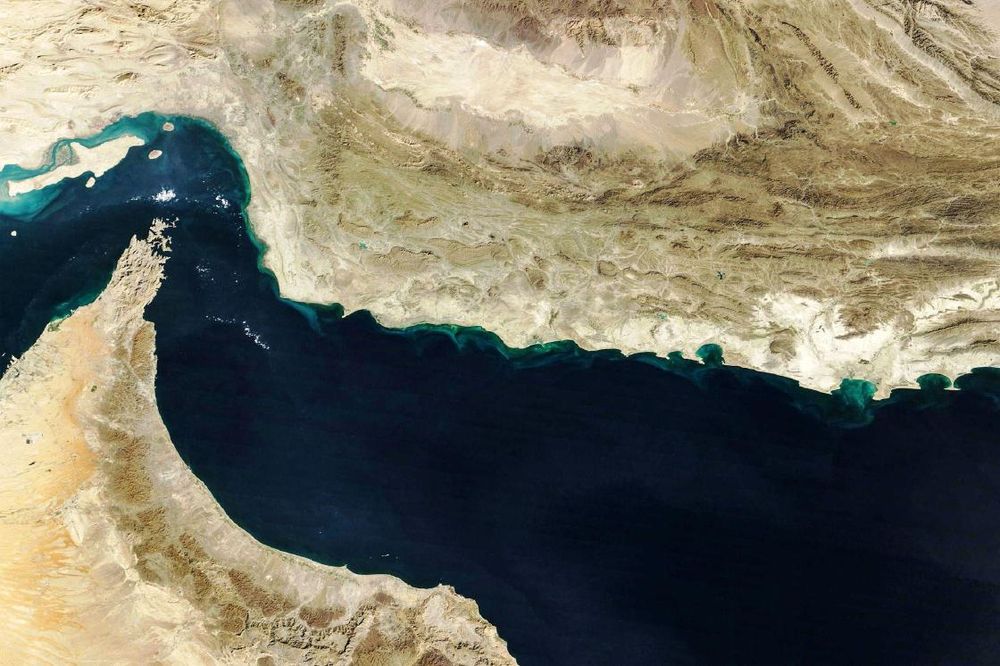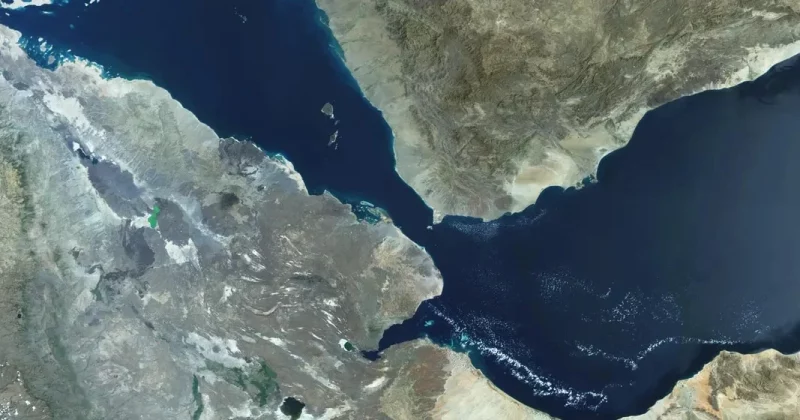
Iran just raised the stakes on the most dangerous game of chicken in global energy markets. Deputy Speaker Ali Nikzad announced on May 7 that Iran has effectively closed the Strait of Hormuz and warned that the Bab al-Mandab Strait could be next.
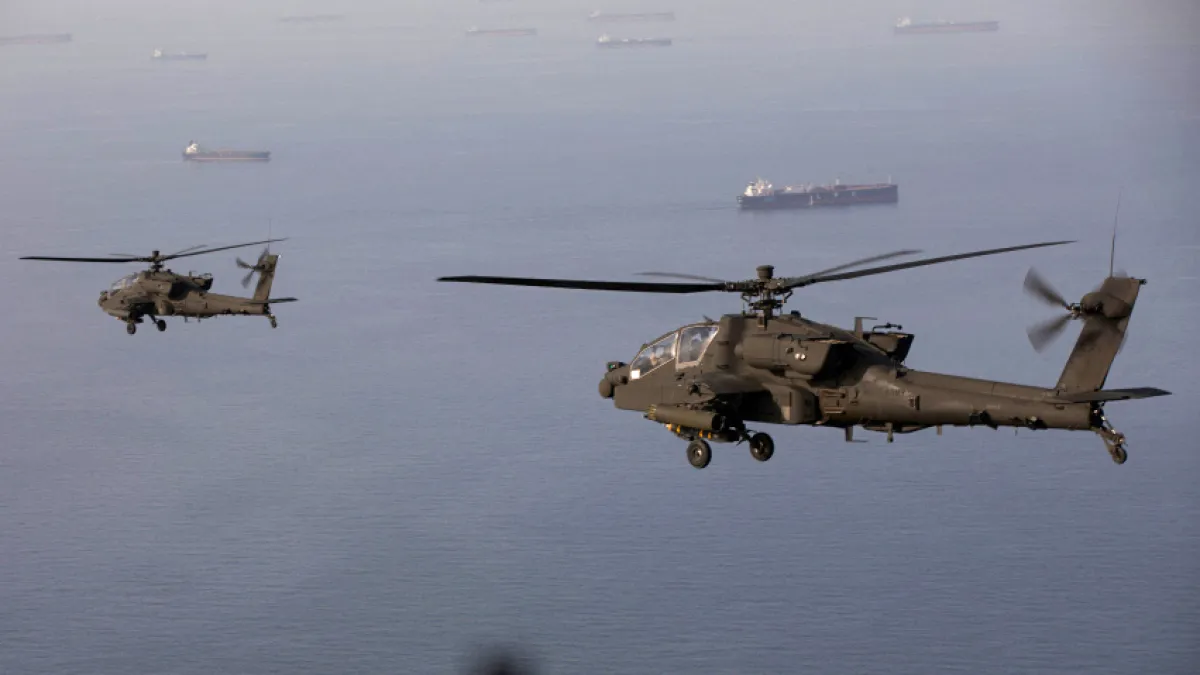
That’s not one but two of the world’s most critical oil chokepoints under threat simultaneously. The Strait of Hormuz handles roughly 20% of global oil supply. The Bab al-Mandab accounts for about 10%. Together, they represent nearly a third of the world’s seaborne oil traffic.
For crypto traders who think this is purely an energy story, think again. Bitcoin has already demonstrated sharp sensitivity to Hormuz developments, surging past $78,000 during earlier reopening announcements and dropping hard on re-closures. Reported liquidation events in the crypto market hit $593 million as Bitcoin whipsawed on Iran-related news.
What’s actually happening in the strait
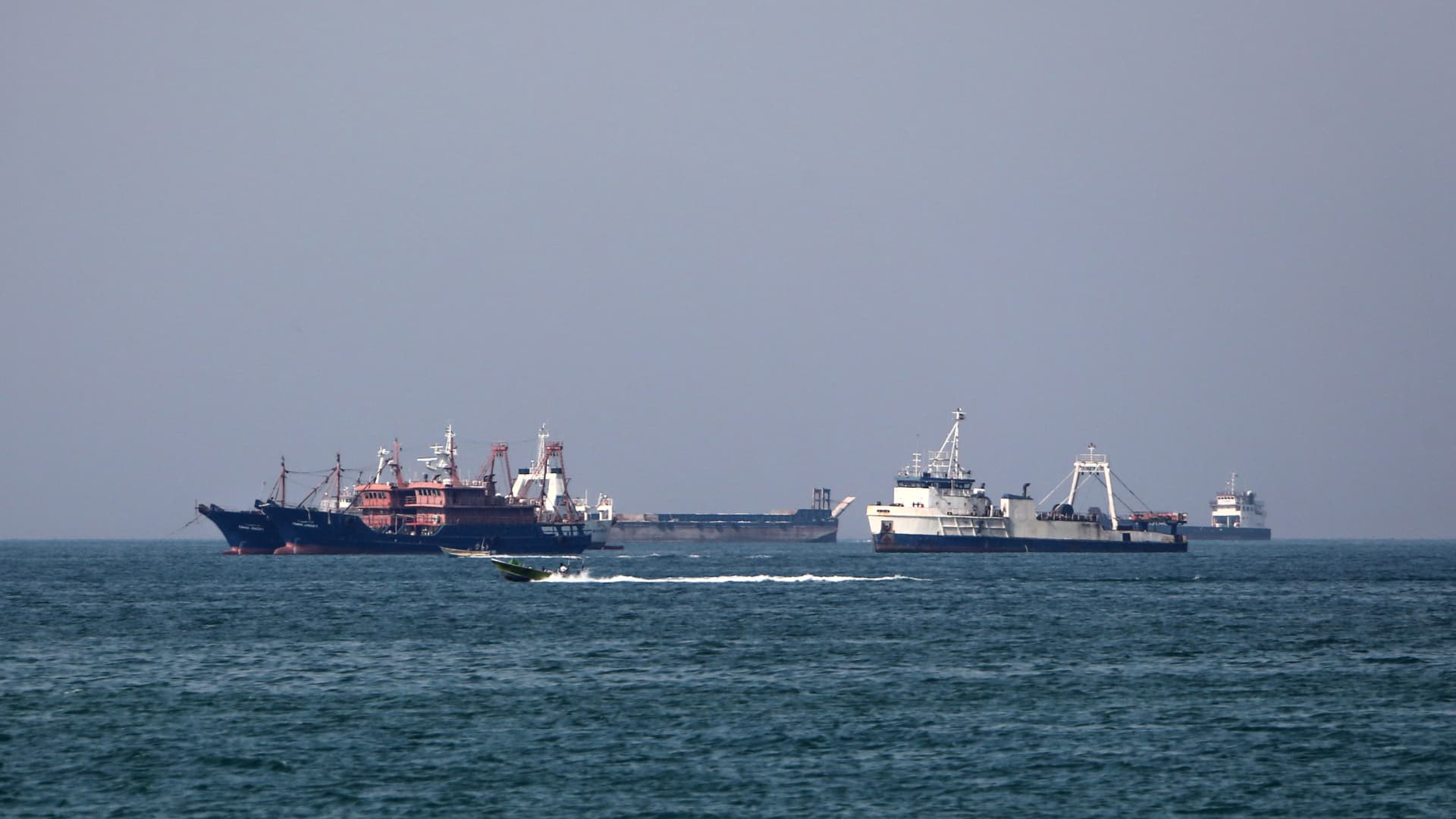
The Strait of Hormuz, a narrow waterway between Iran and Oman, has faced effective closures and restrictions since February 2026. Iran’s Revolutionary Guard Corps has been enforcing these restrictions through VHF radio warnings to tankers and, as of March, official closure confirmations.