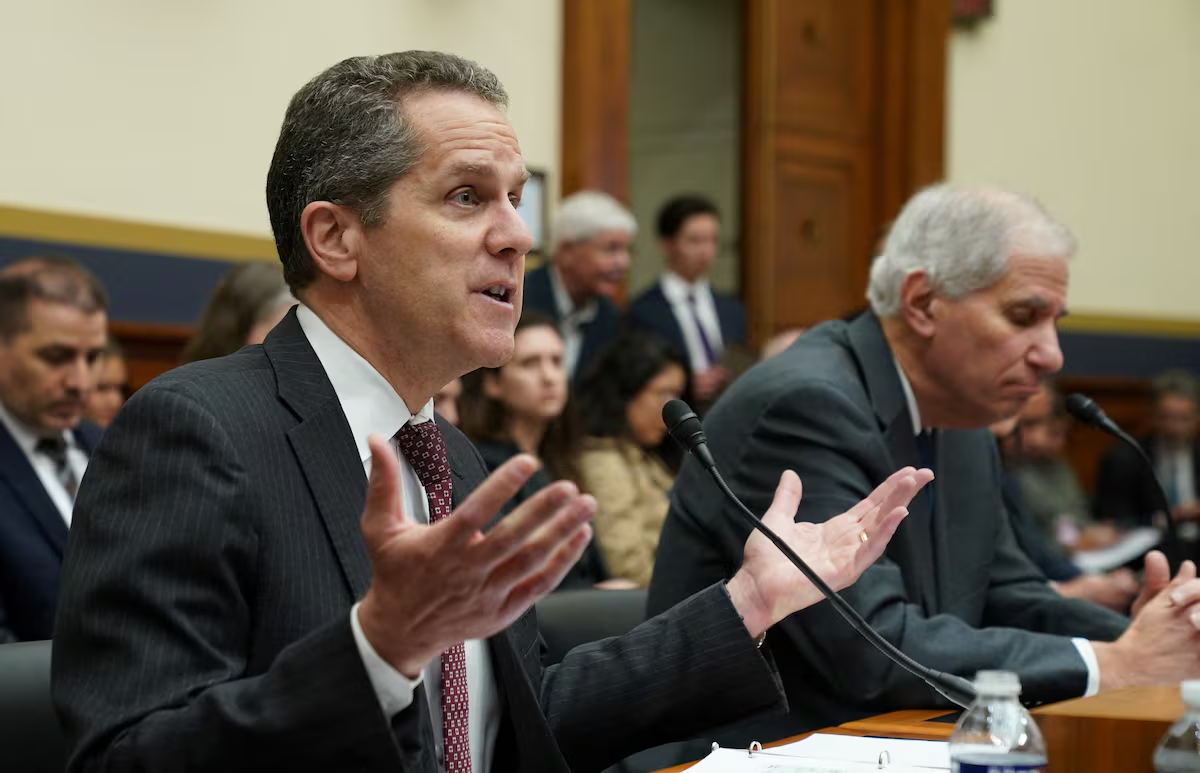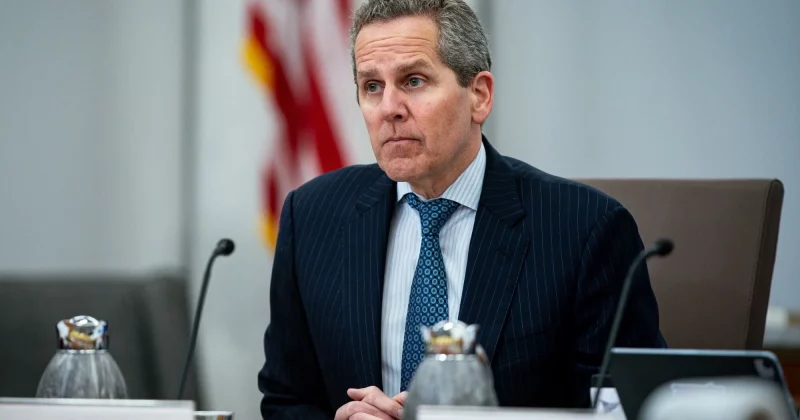
Federal Reserve Governor Michael Barr has a message for anyone celebrating lighter banking rules: enjoy it while it lasts. In a speech delivered at American University on June 6, Barr laid out a blunt case that recent deregulatory moves, including lower capital requirements, weaker supervision, and relaxed liquidity rules, are building risks that could eventually blow up the broader economy.
The speech, titled “Deregulating in a Financial Boom: What Could Go Wrong?”, didn’t exactly leave the punchline to the imagination. Barr described the current wave of regulatory rollbacks as potentially the largest reduction of banking regulation since the aftermath of the Global Financial Crisis.
The core argument: risks that hide in plain sight
“Vulnerabilities that result from deregulation may not be apparent today… could threaten serious harm to the economy.”
Barr drew explicit parallels between the current trend and the deregulatory patterns that preceded both the Great Depression and the 2007-2009 Global Financial Crisis. In both cases, the loosening of rules happened during periods of economic expansion, when the banking system appeared healthy and the argument for lighter regulation seemed most persuasive.