Audio By Vocalize
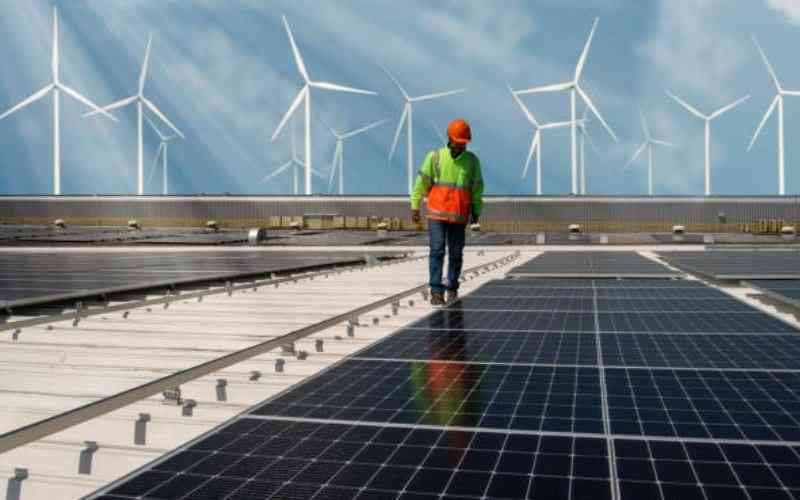
Kenya has promising potential for power generation from renewable energy sources.[iStockphoto]
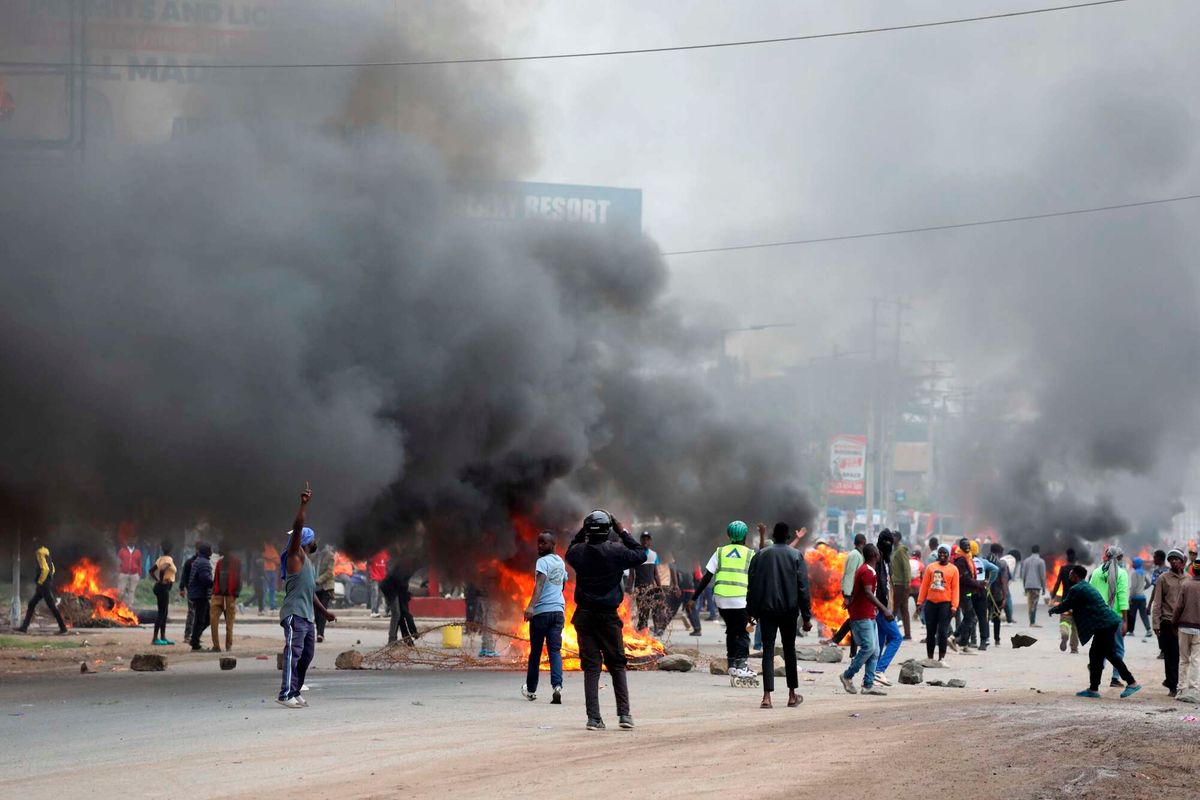
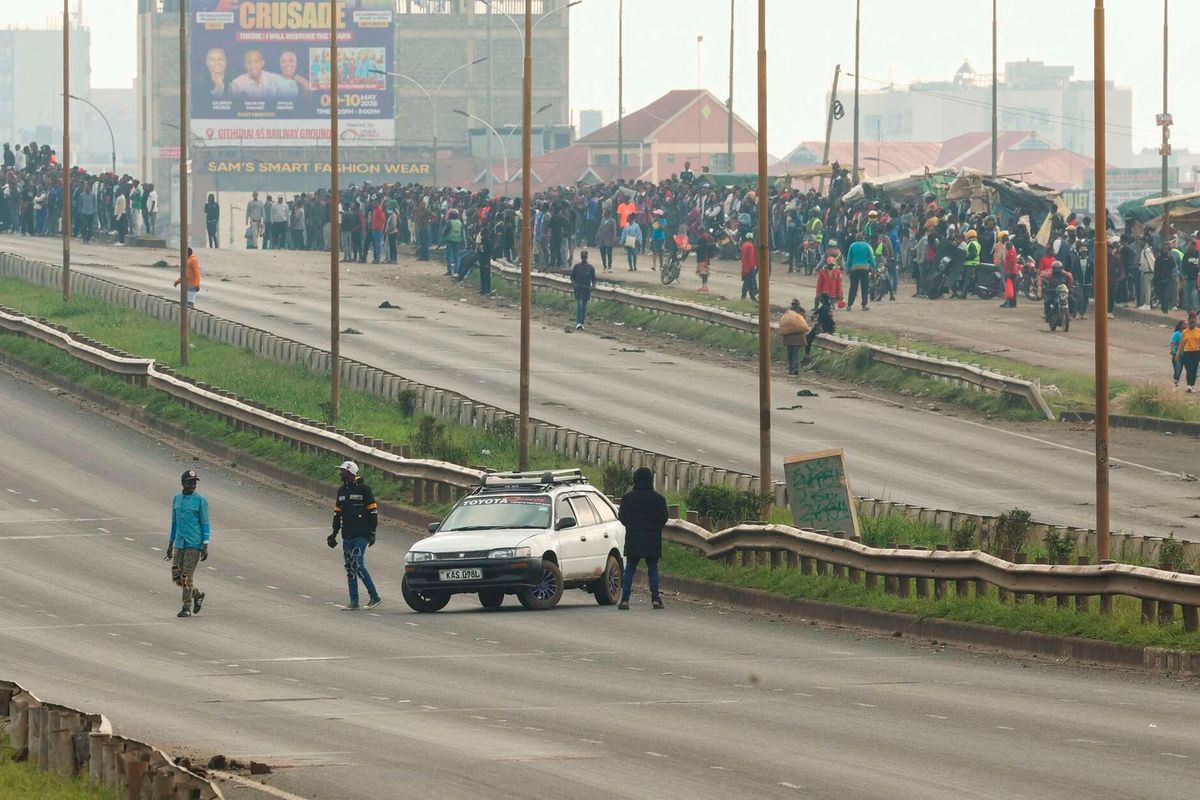
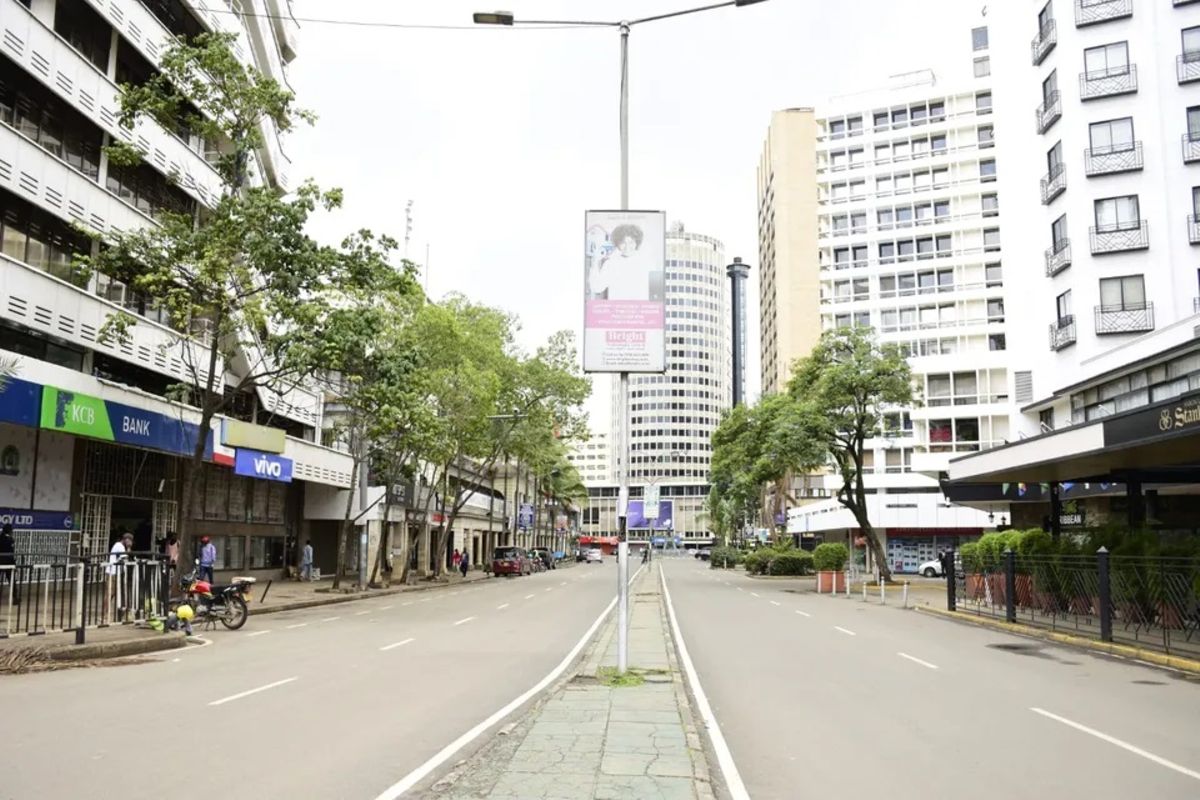
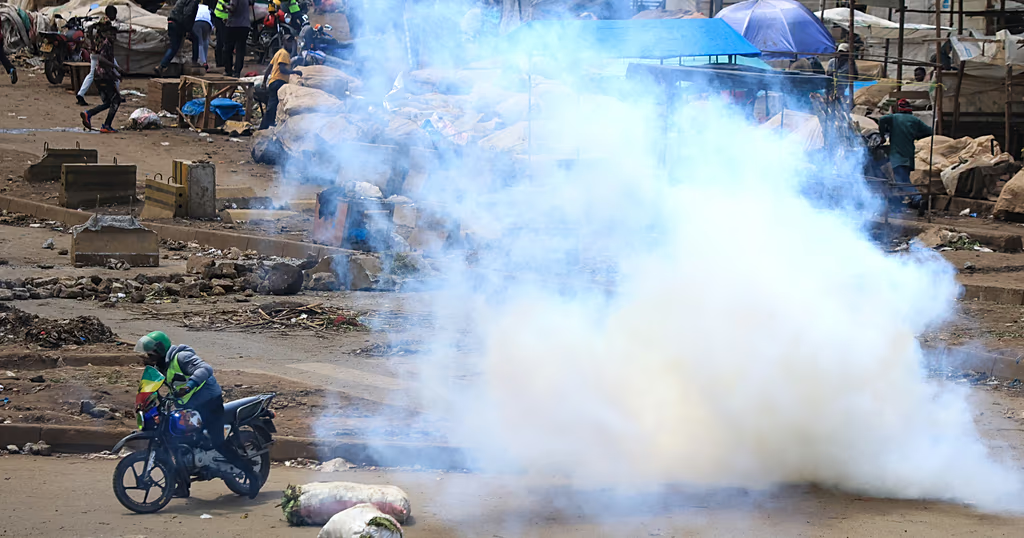
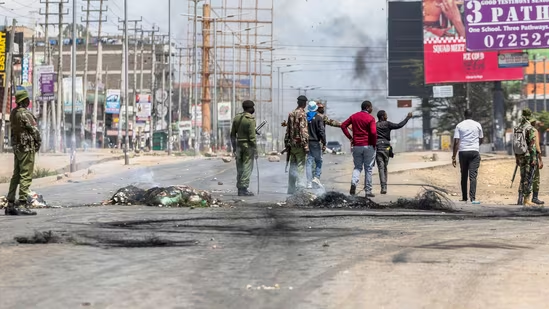
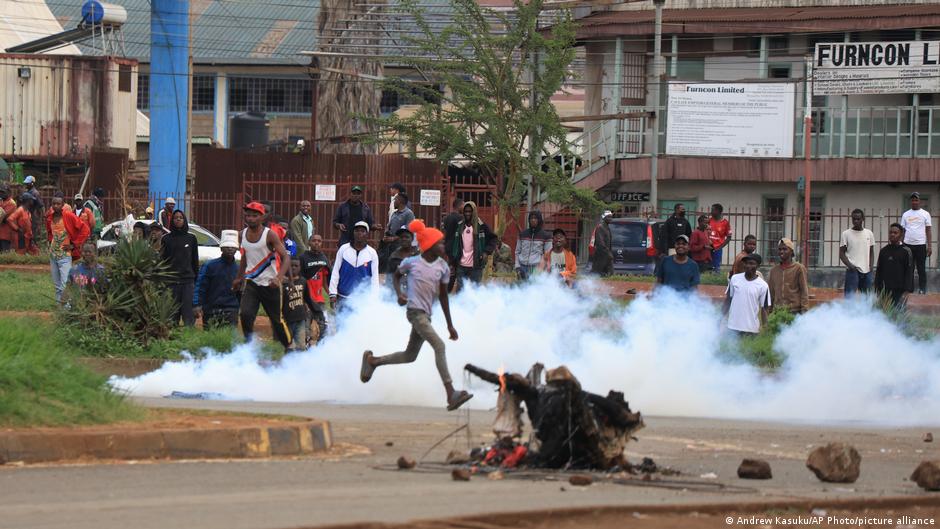
Recent deadly protests over high fuel prices in Kenya, Comoros and Mozambique demonstrated a most unfortunate fact: That the true price of oil is sometimes paid not in shillings, but in lives. While transport strikes have been momentarily called off, unrest triggered by the worst global energy crisis in decades is just beginning to simmer across the region, and it’s likely to boil over again.
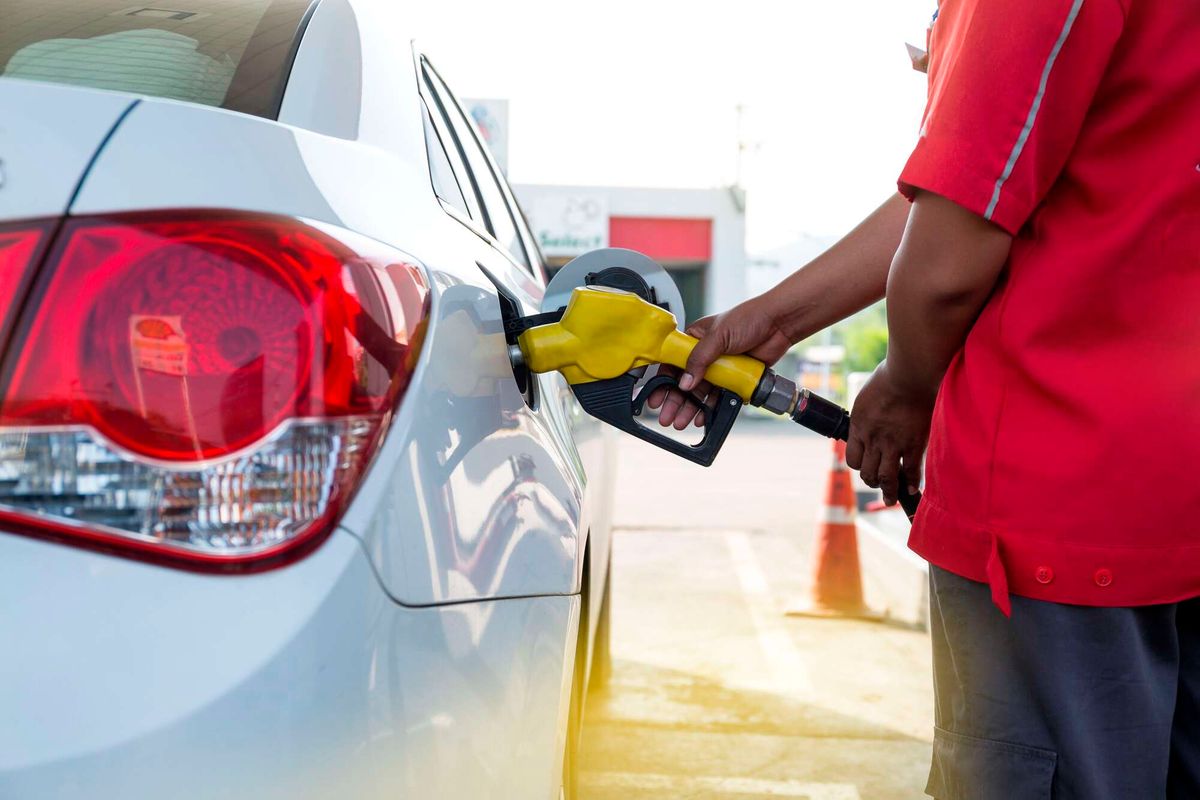
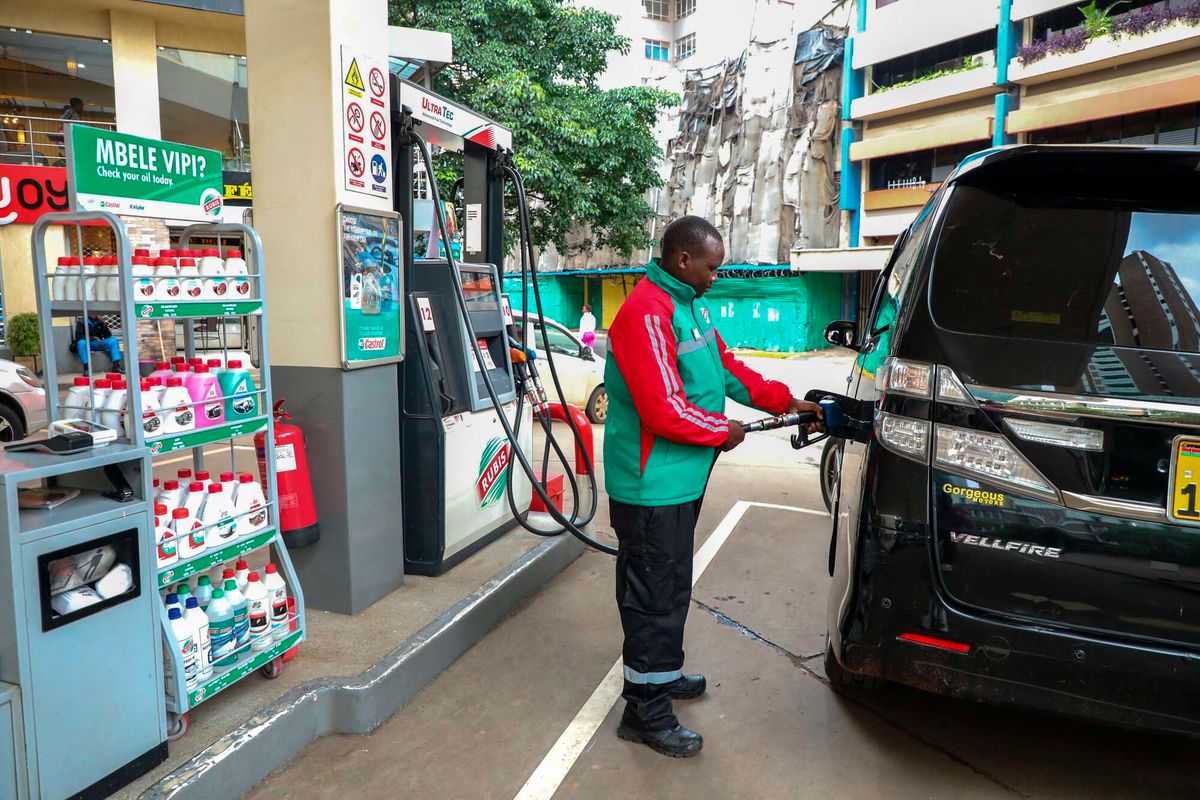
The International Energy Agency has already sounded the alarm: Oil reserves are running dangerously low. If a lasting US-Iran peace deal isn’t reached soon, it’s possible that the worst is yet to come for citizens already struggling to make ends meet. In East Africa, major economies like Kenya, Tanzania, Uganda, and Rwanda import nearly 100 per cent of their refined petroleum products. Since the region relies heavily on foreign refineries, fluctuations in global oil prices and shipping disruptions immediately trigger domestic fuel shortages and severe inflation.
For instance, oil price spikes have already cost ordinary people and businesses in Kenya an additional US$143 million to US$150 million in just the first two months of war. This major disruption to the economy has left a vast majority of the population in survival mode, forced to choose between buying food and keeping the lights on.