By Aggrey Mutambo , Anthony Kitimo & James Anyanzwa
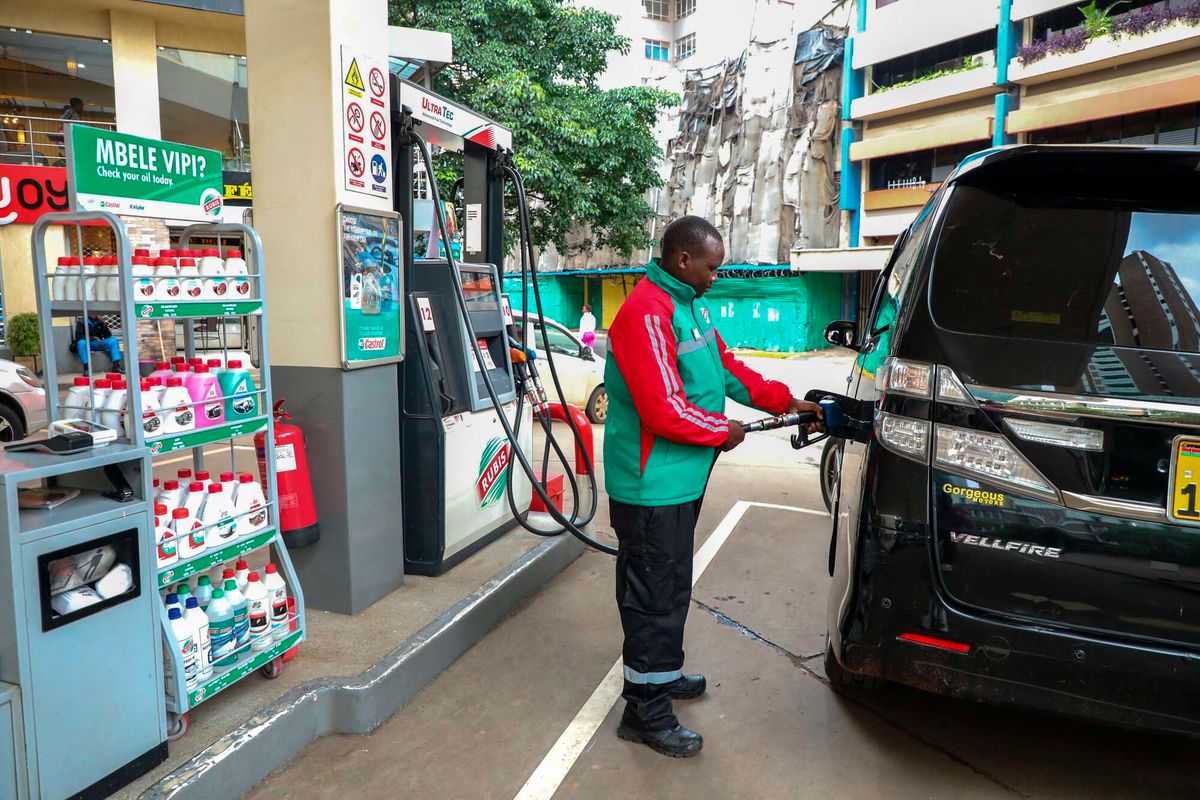
Public protests in Nairobi and other major cities in Kenya are exposing the pain of rising fuel costs, which authorities blame on supply shocks caused by the war in the Middle East.
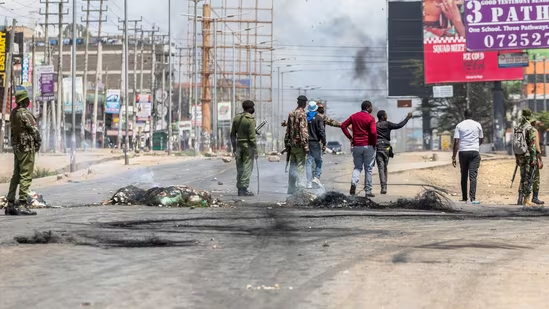
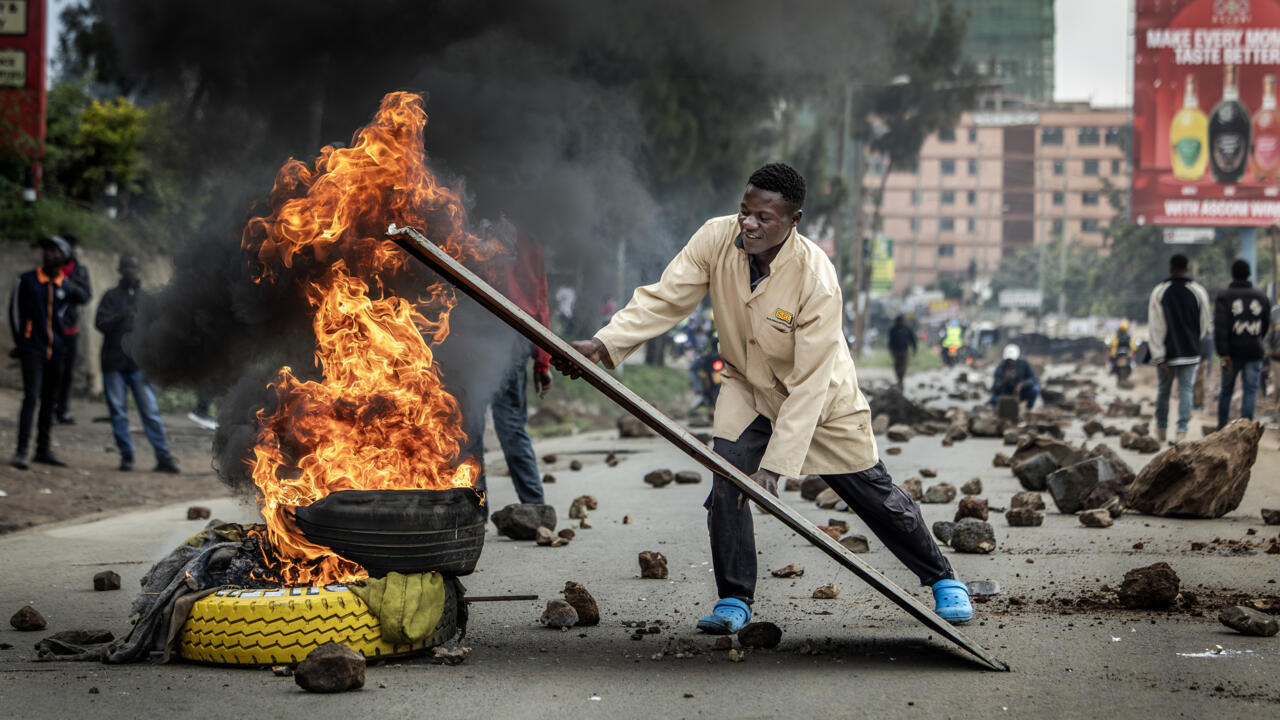
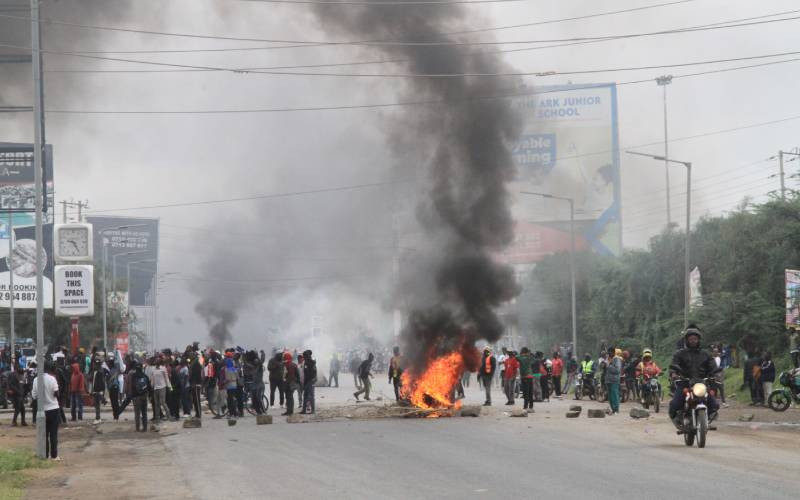
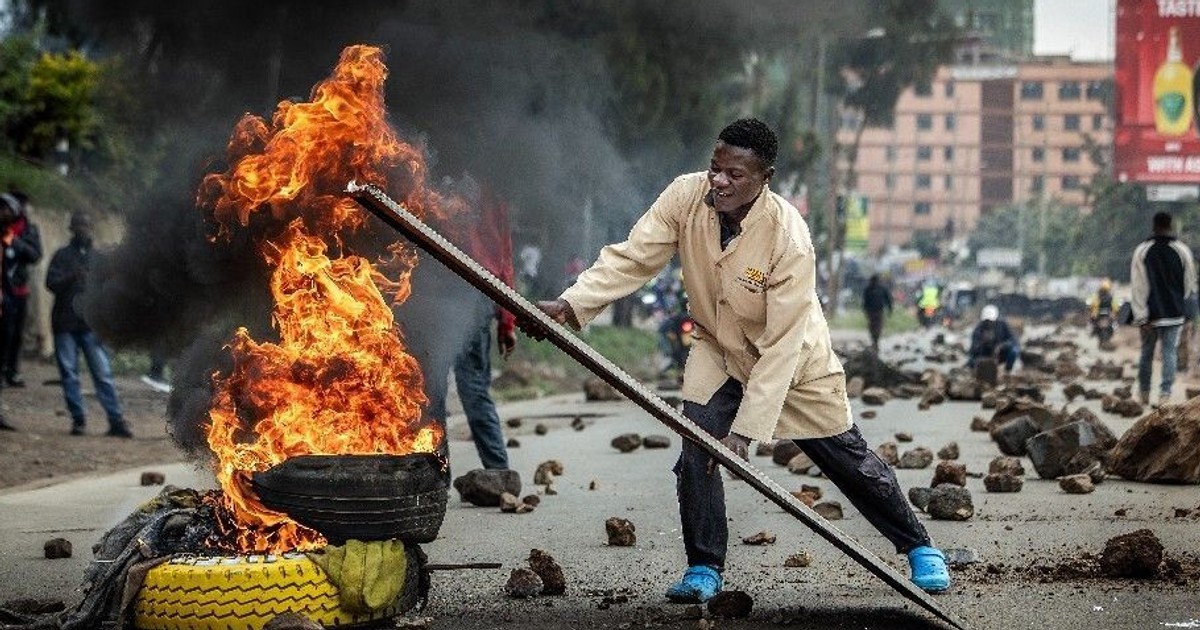
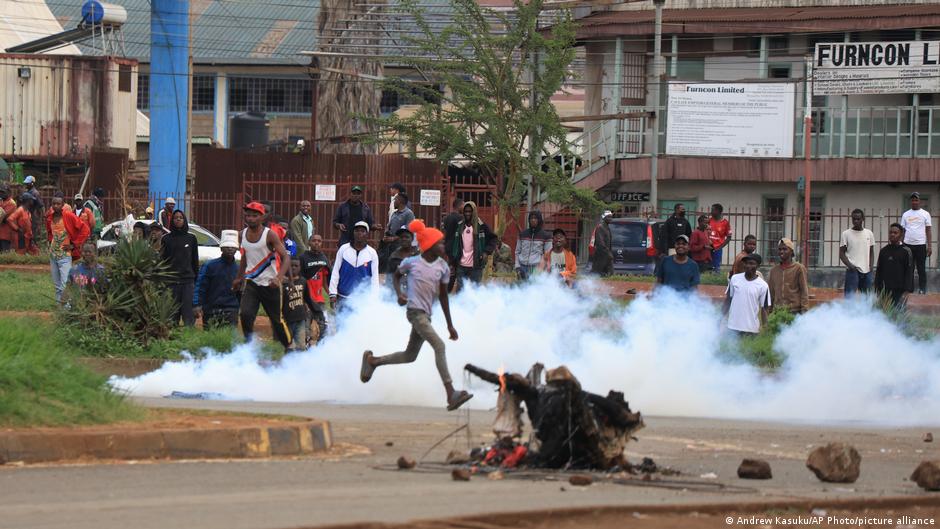
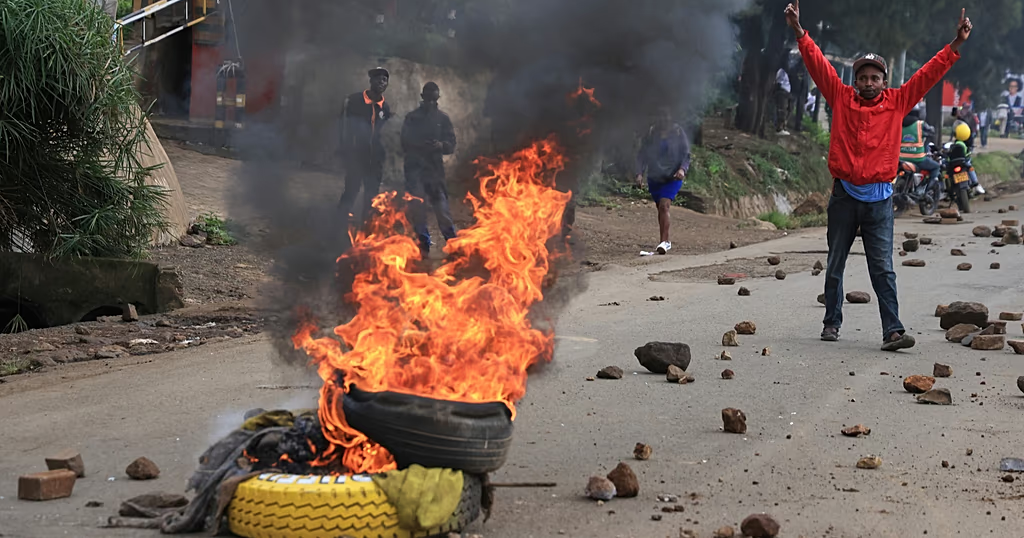
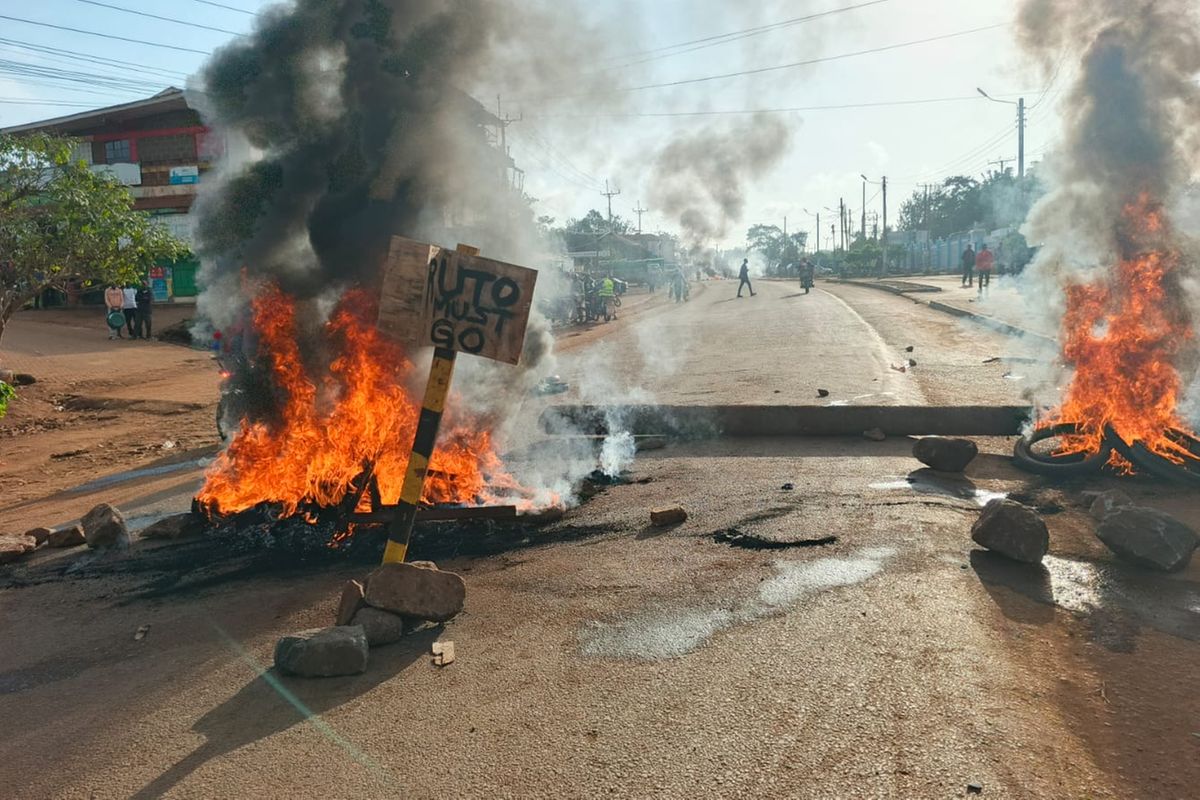
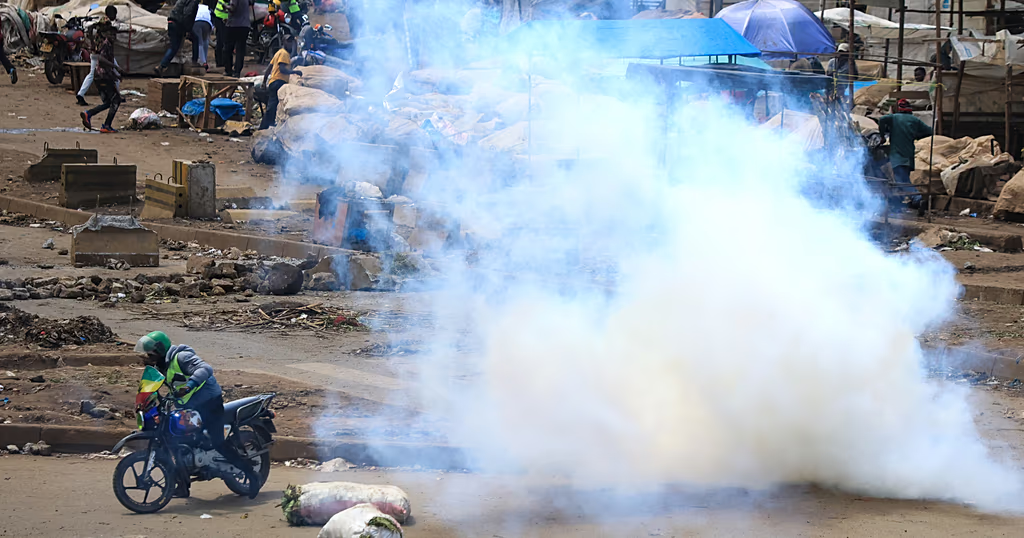
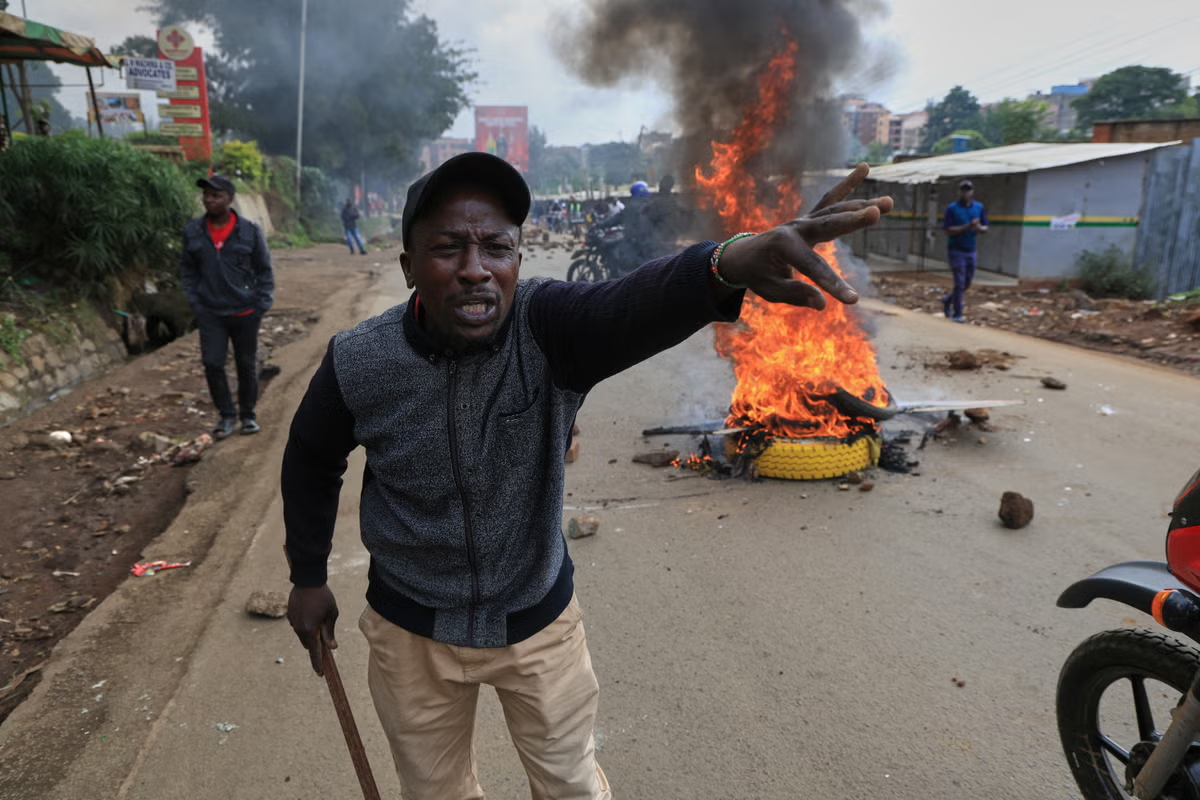
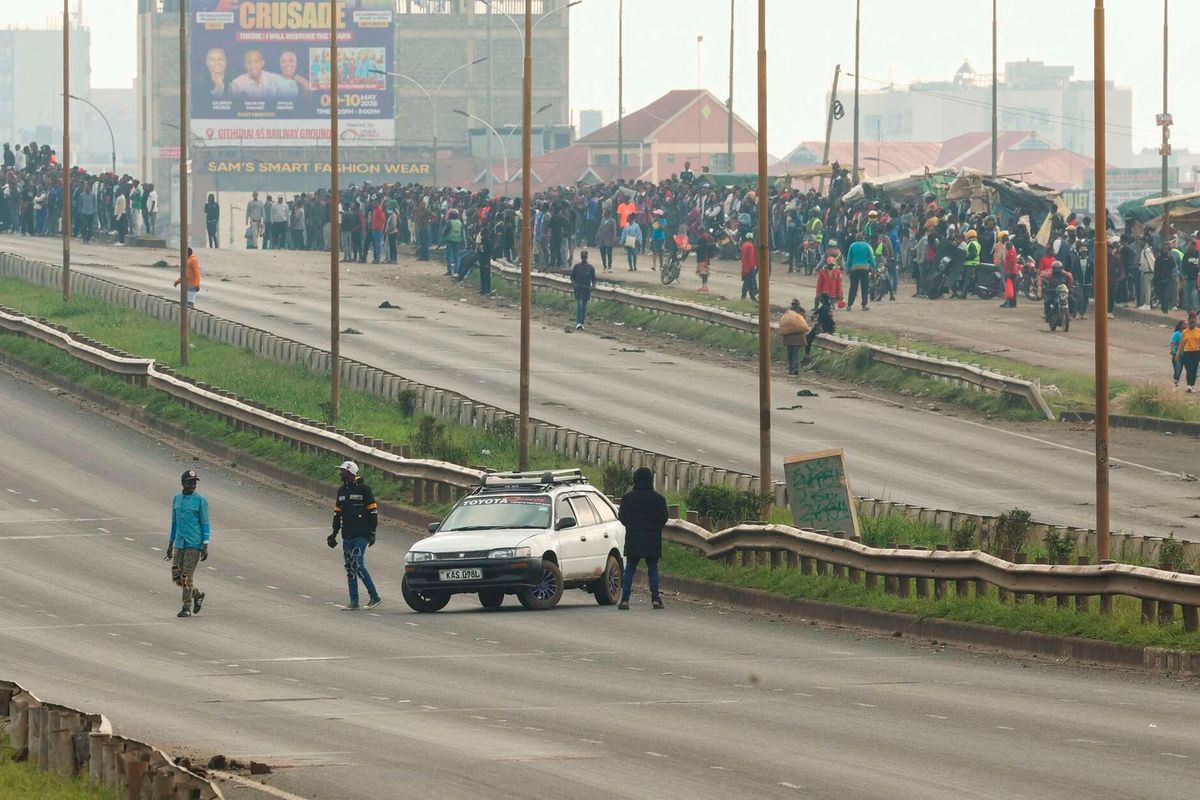
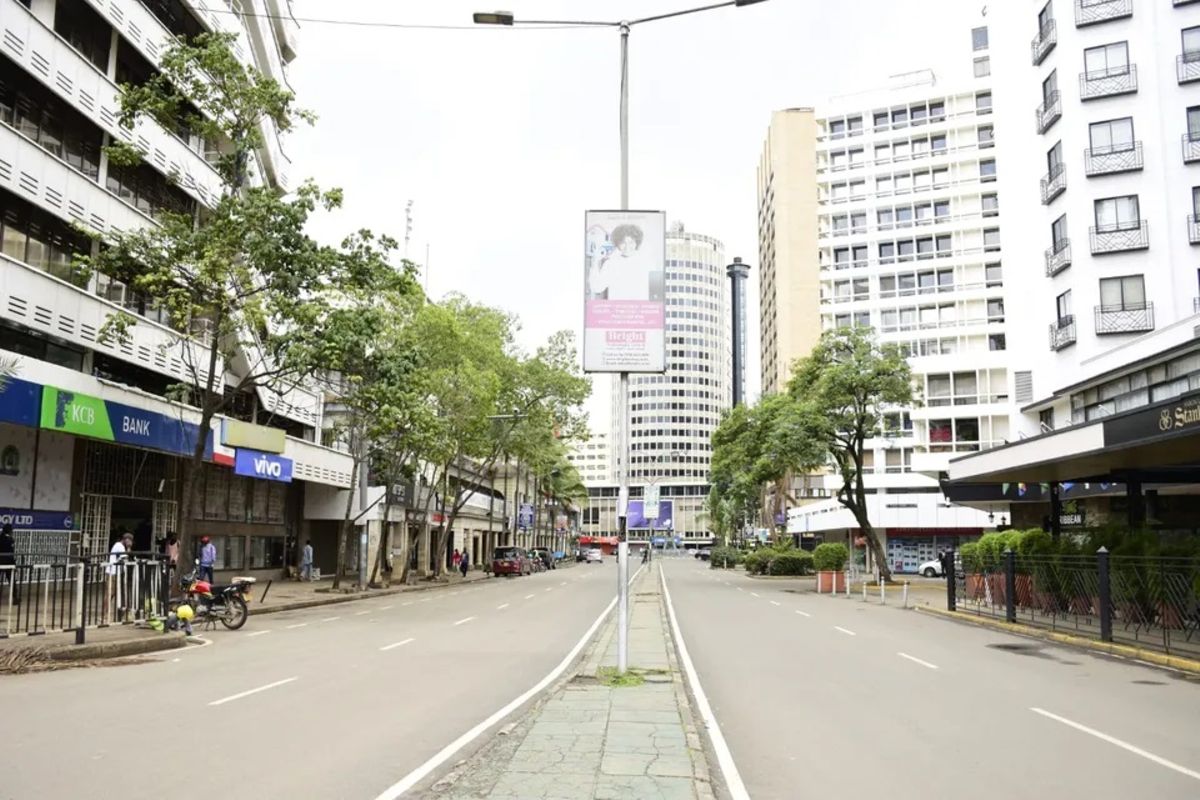
On Monday, major roads in Nairobi and other cities were blocked as protesters, mainly from the transport and logistics sector, took to the streets to oppose the latest price increases. Businesses, schools and public offices were largely shut after organisations advised clients to stay at home to avoid being caught up in the unrest.
In Nairobi, motorists who defied the protest call were turned away, while others had their vehicles vandalised or torched. Police dispersed some groups that turned violent and arrested dozens of protesters.
Yet the chaos reflected a deeper political and economic problem. The Transport Sector Alliance, a grouping of lobbies representing passenger transport, cargo, ride-hailing, motorcycle taxis, school buses, driving schools and private motorists, called the protests, citing unaffordable fuel prices that are pushing up food costs, fares and the price of essential goods.