Hormuz crisis leaves poorer nations struggling with higher fuel bills and political unrest
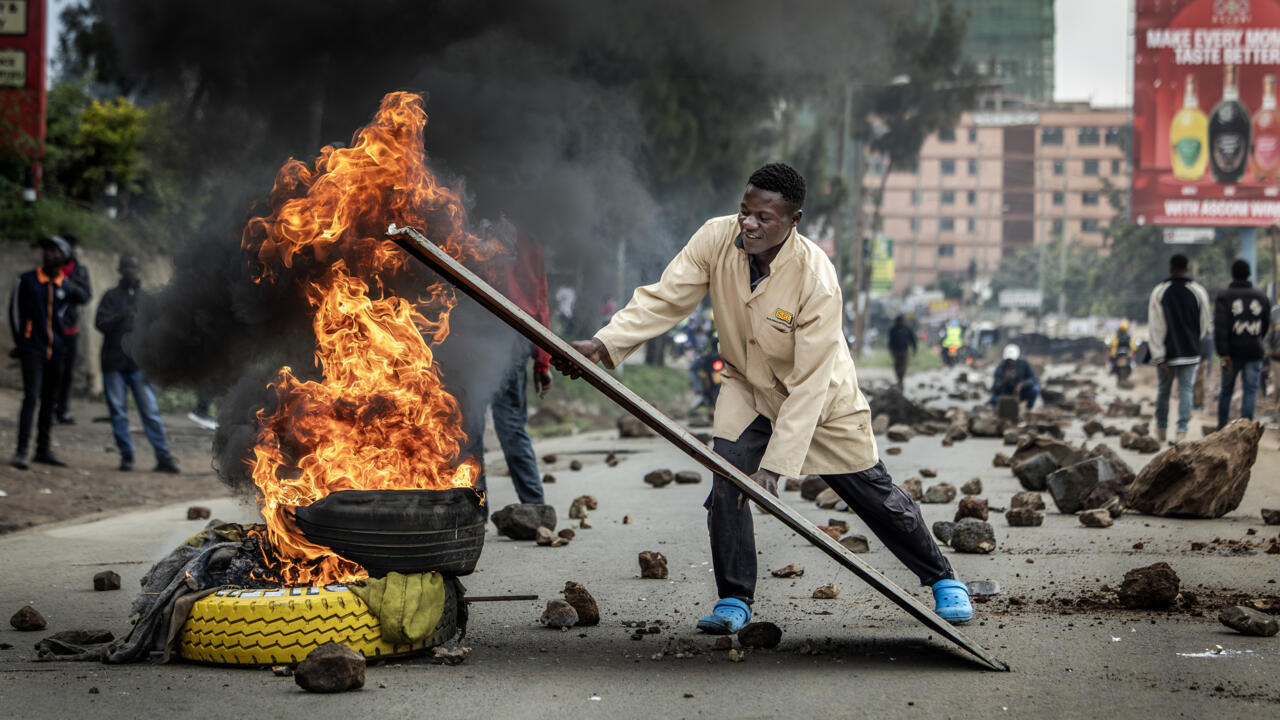
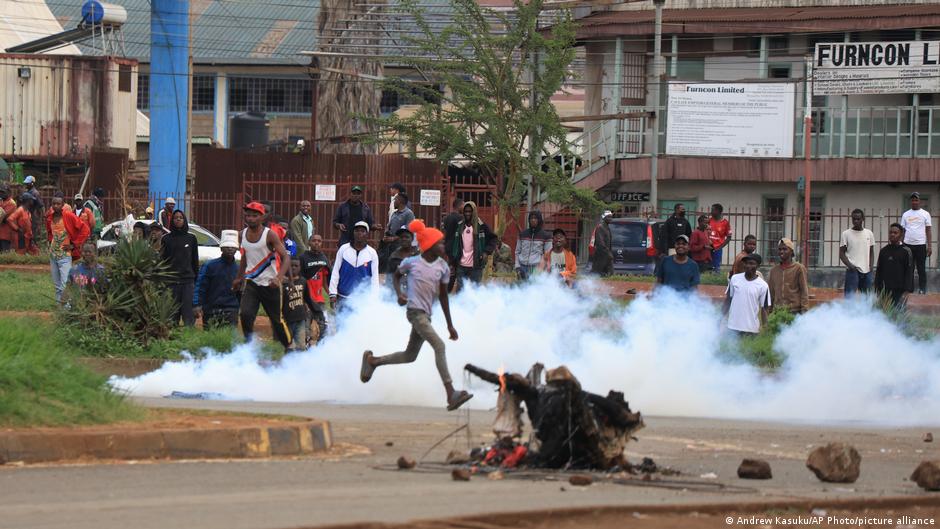
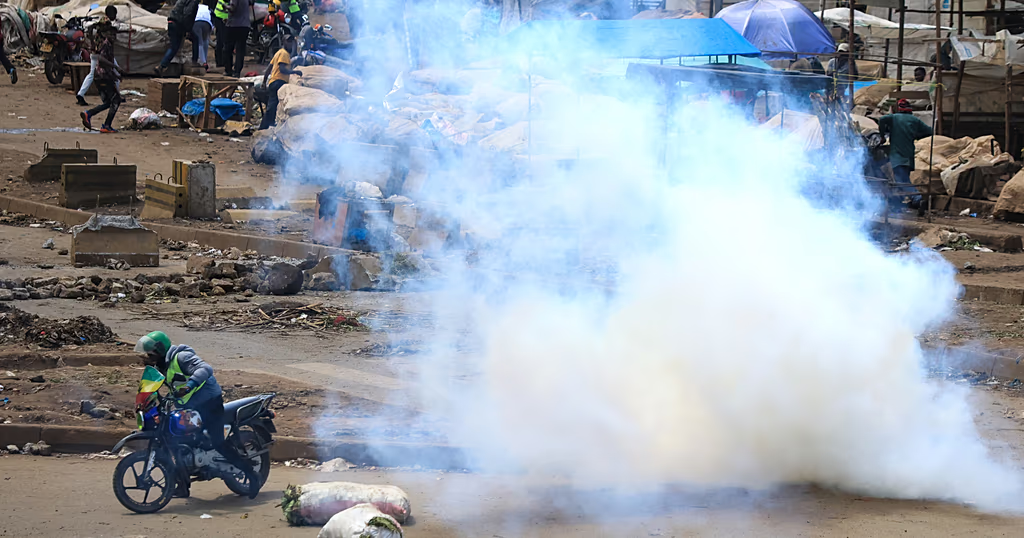
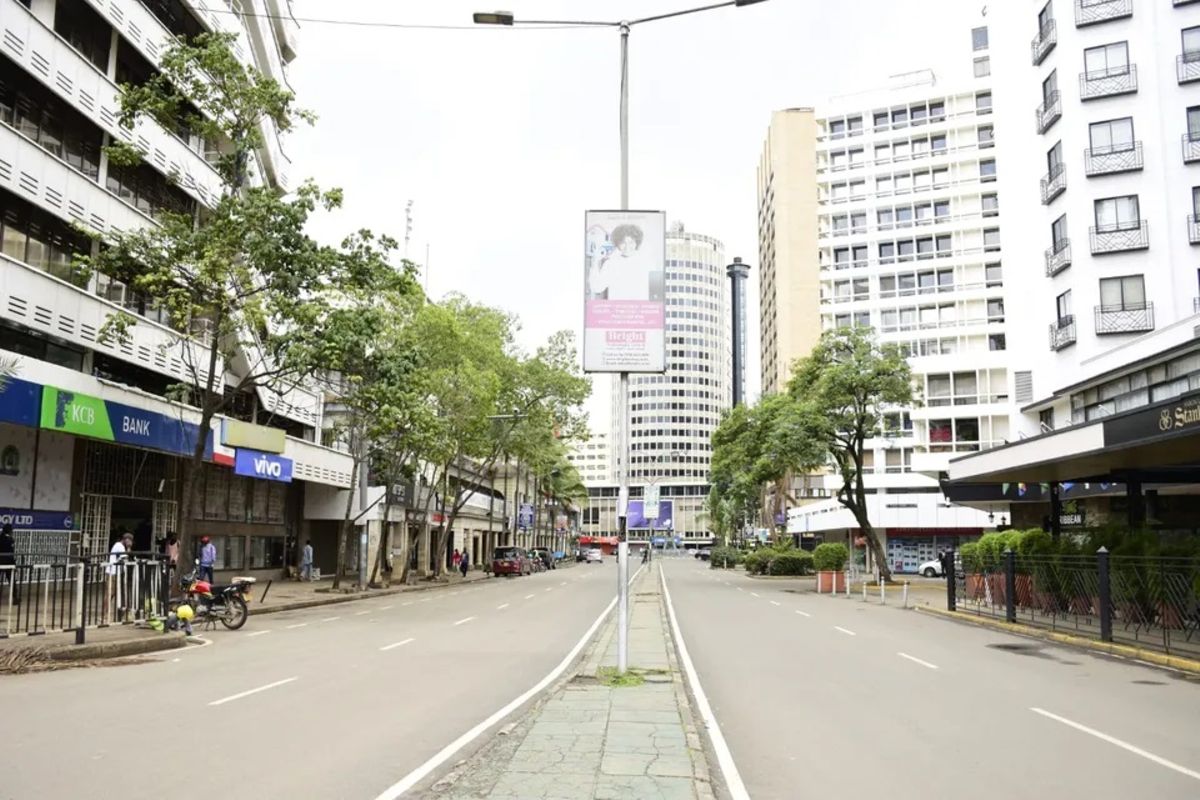
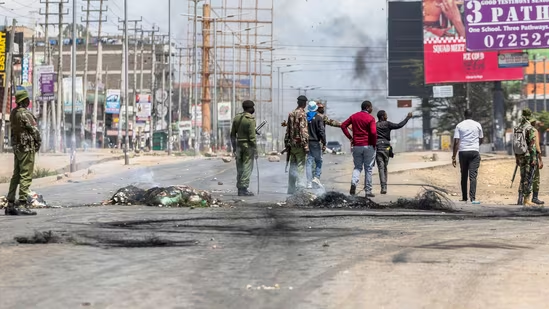
LONDON: The first sign that something had snapped in Kenya was not a headline on a trading screen but the silence on Nairobi’s usually jammed roads. On a Monday in mid‑May, matatu drivers parked up their minibuses over yet another steep fuel price hike blamed on the war in the Gulf.
By the time the government persuaded operators to suspend the strike, four people were dead, more than 30 injured, and around 700 arrested nationwide. Schools shut, the main trade corridor was disrupted and thousands were forced to walk long distances to get to work.
Kenyan plainclothes police officers detain a protester in downtown Nairobi on May 18, 2026, during a strike by public transport operators driven by rising fuel costs linked to global supply pressures. (Reuters)
Beyond Kenya, governments are resorting to drastic measures to cope with the same shock. Across Asia, ministries have ordered air conditioners in public offices turned up, shortened working hours and imposed four‑day weeks for civil servants to save electricity and fuel.