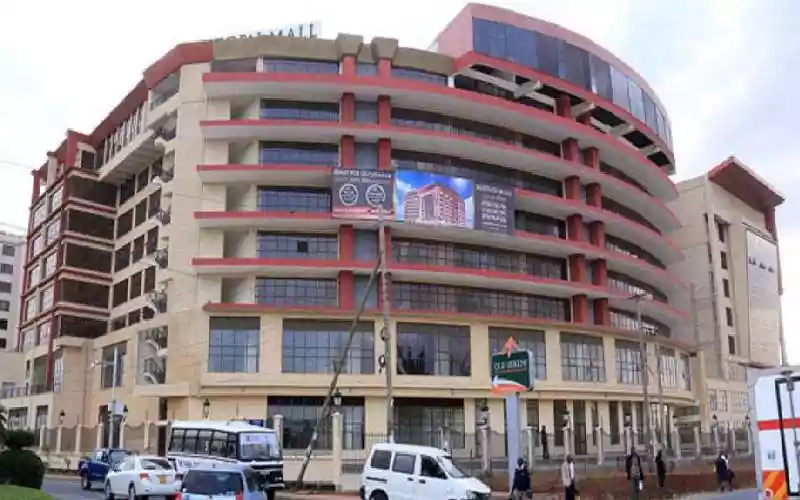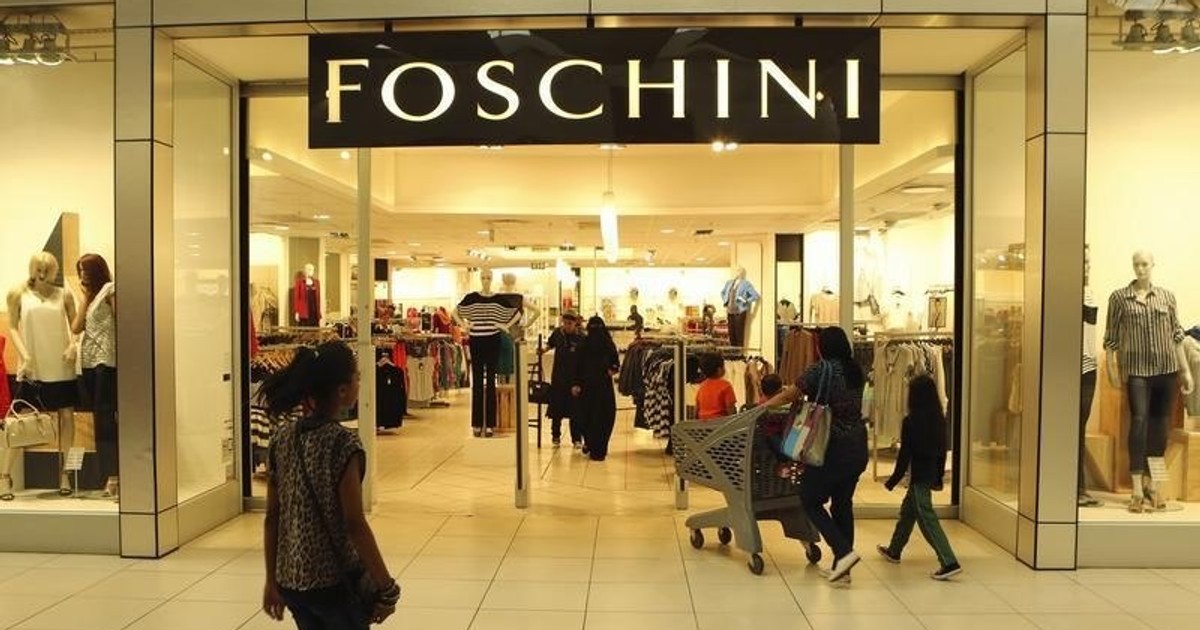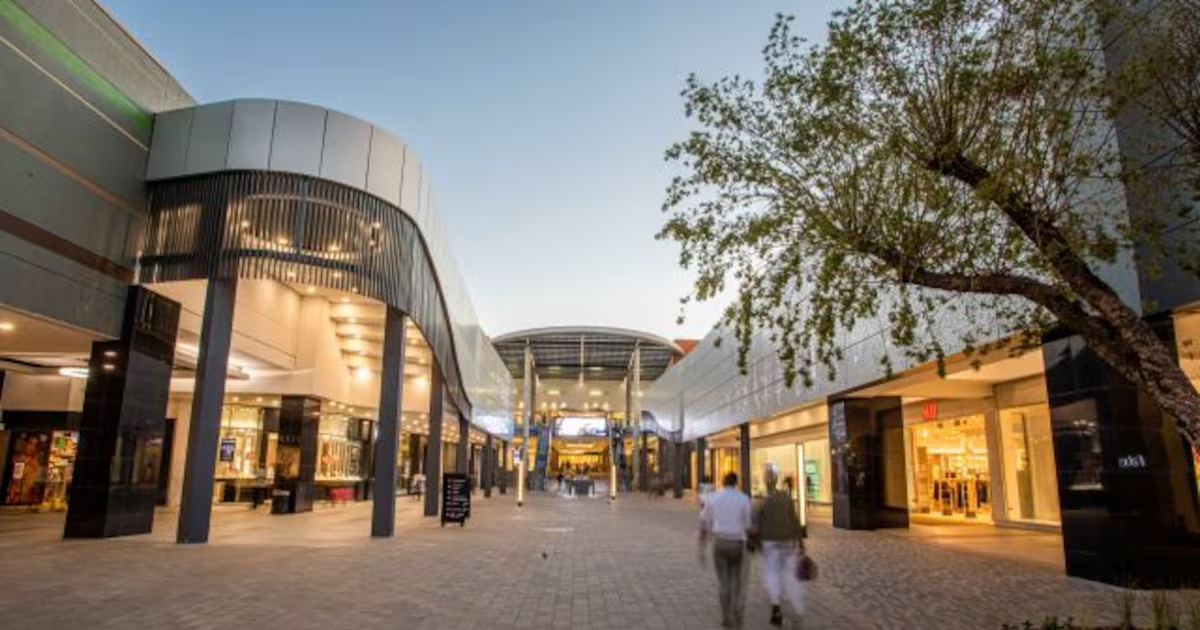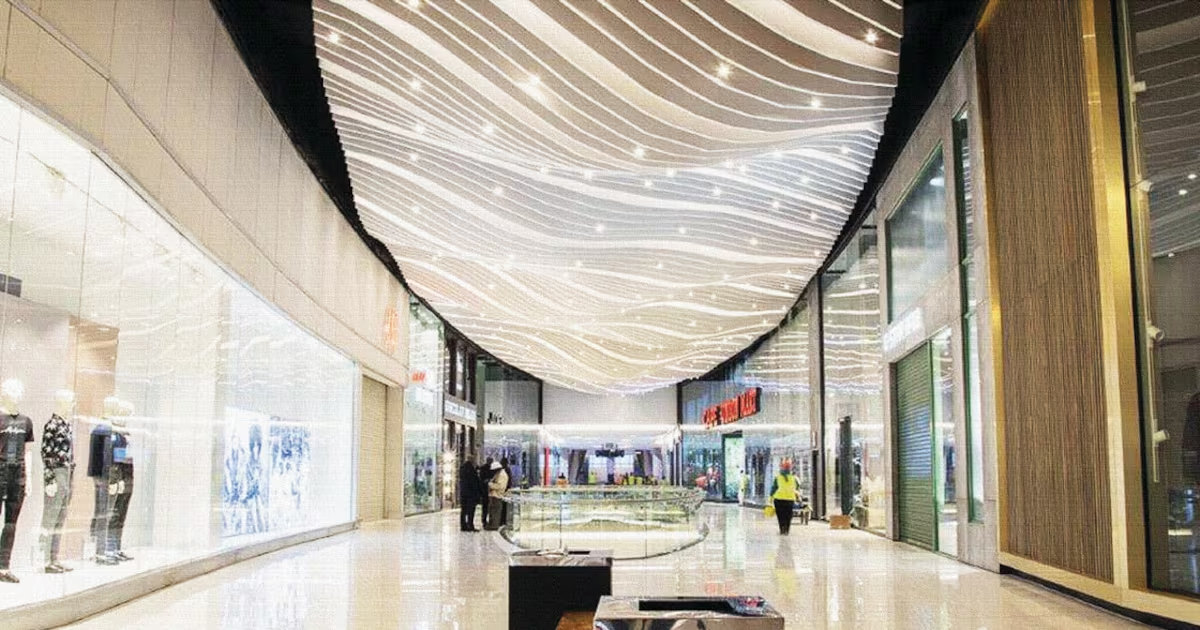
The gap between South Africa’s best- and worst-performing shopping centres is narrowing, though destination malls continue to command an outsize share of consumer spending.Super regional and regional centres recorded steady mid single-digit trading density growth in the first quarter, underscoring the resilience of larger retail destinations, according to the South African Property Owners Association’s (Sapoa’s) “Retail Trends Report” for the quarter ended March.Small regional centres, while more volatile, also remained among the strongest performers, reinforcing the view that dominant malls continue to edge ahead of weaker peers, the report finds.“Footfall softened toward the end of the quarter after a stable start to 2026. January and February remained resilient, while March showed weaker shopper activity compared with 2024 and 2025. Growth in trading density is increasingly driven by higher spend per visit rather than rising footfall,” the report says.Larger destination centres continue to capture more discretionary spending, while convenience-led formats are seeing slower traffic momentum. Apparel sales growth remained subdued in smaller formats while health and beauty outperformed in super regional centres, the report notes.Growth rates across retail centres continued to converge in early 2026 even as a clear performance divide persists between destination-led malls and more convenience-oriented formats. The postpandemic rebound has now fully matured into a steadier, lower-growth cycle, with performance settling into lower single-digit territory across most centre types.The South African economic context remained subdued but relatively stable in the first quarter. Structural constraints in logistics, infrastructure and investment continued to weigh on growth, though improved electricity supply and lower inflation through much of 2025 offered some support to retail activity. More recently, geopolitical tensions involving Iran and rising oil prices have reintroduced inflation and transport cost risks, potentially limiting further interest rate relief.Against this backdrop, small regional centres led the market in annualised trading density growth, at 5.9%, closely followed by superregional centres, at 5.8%. Regional centres recorded growth of 4.1%, while neighbourhood and community centres lagged at 2.2% and 2.1%, respectively.“The continued relative strength in small regional and superregional centres reflects the resilience of discretionary and experiential retail, where larger destination-led assets continue to capture a disproportionate share of consumer spend. In contrast, community and neighbourhood centres have experienced slower momentum, as household budget pressures persist and footfall growth levels off,” the report notes.More broadly, dominant and destination-led retail formats continue to outperform smaller, convenience-driven centres in a more subdued consumer environment. While trading conditions remain broadly constructive, the moderation in some smaller formats, with rising occupancy cost pressures, suggests that tenant performance is becoming increasingly sensitive to location quality, tenant mix and the ability of centres to sustain consistent footfall growth through the remainder of 2026.Community centres recorded steady month-on-month growth in the first quarter, pointing to stable, convenience-driven spending and a relatively defensive consumer base. Neighbourhood centres, however, were more uneven, with March growth slowing notably compared with a year earlier, suggesting emerging pressure on lower-ticket discretionary spending as affordability constraints begin to re-emerge.
Destination malls grab bigger share of SA consumer spending
Superregional and small regional centres outperform smaller, convenience-led formats
490 words~2 min read