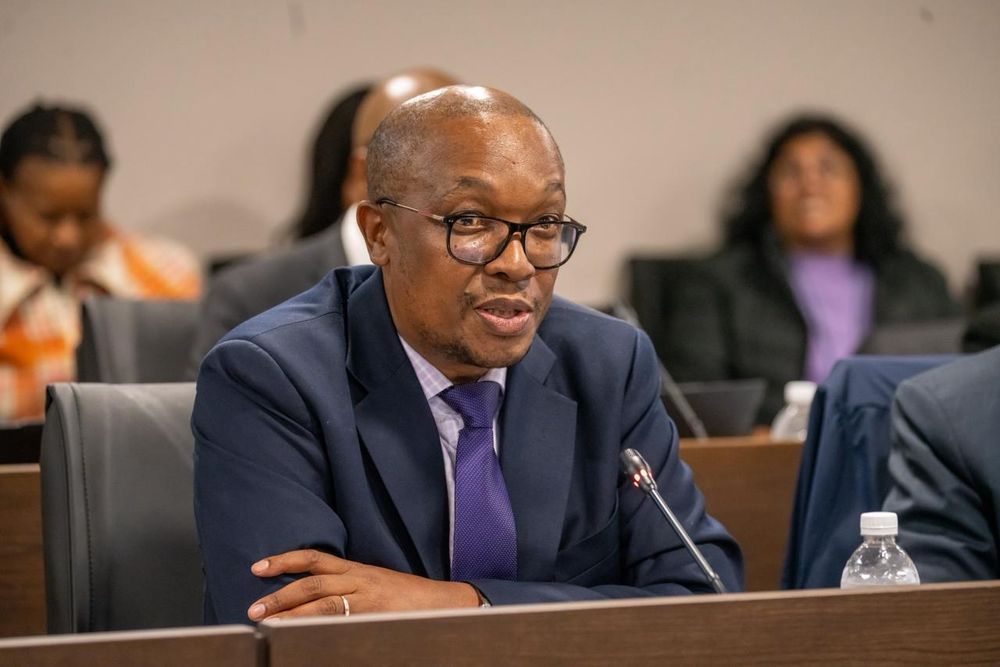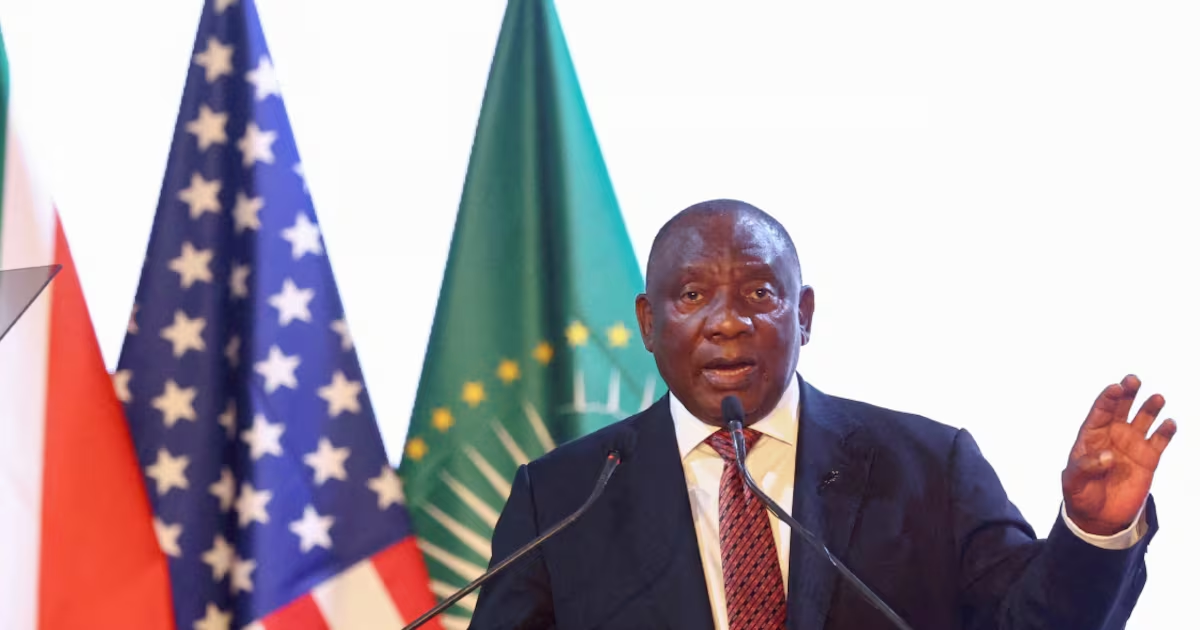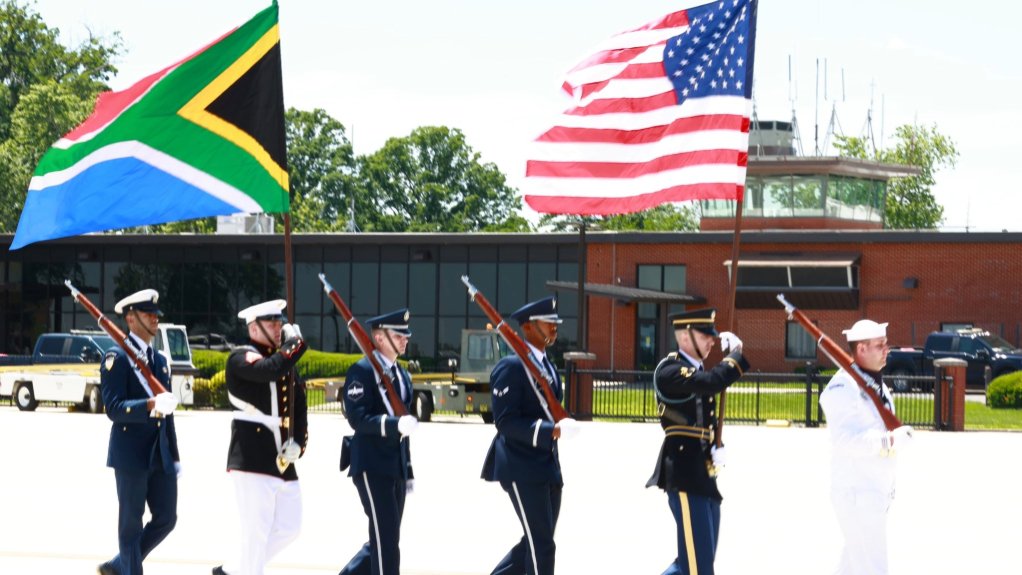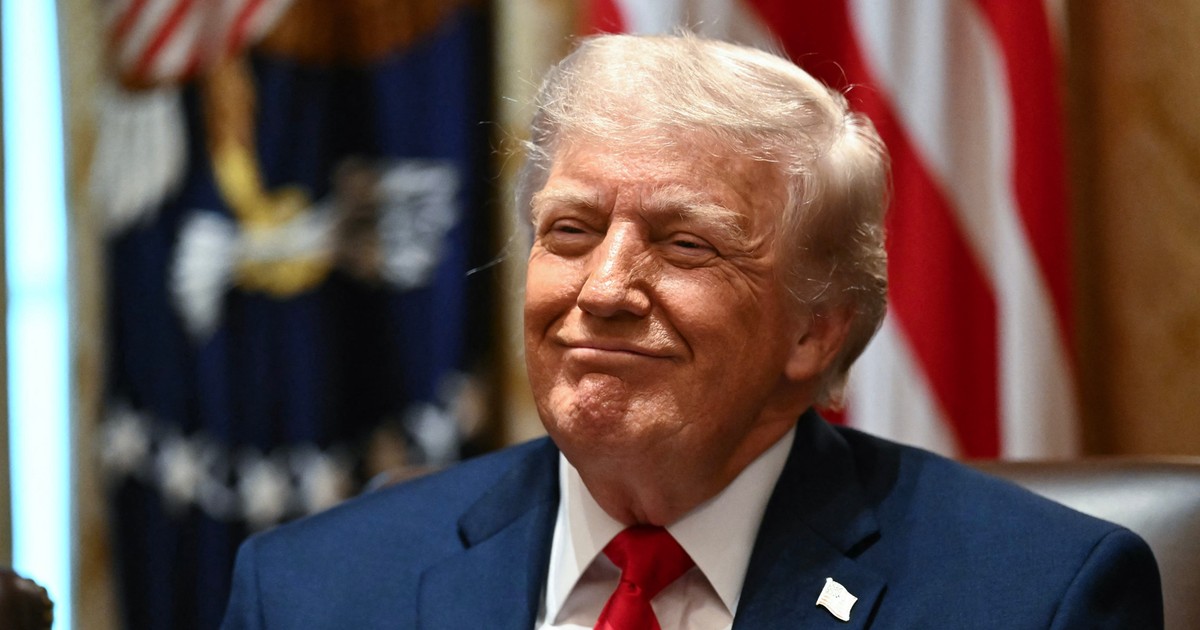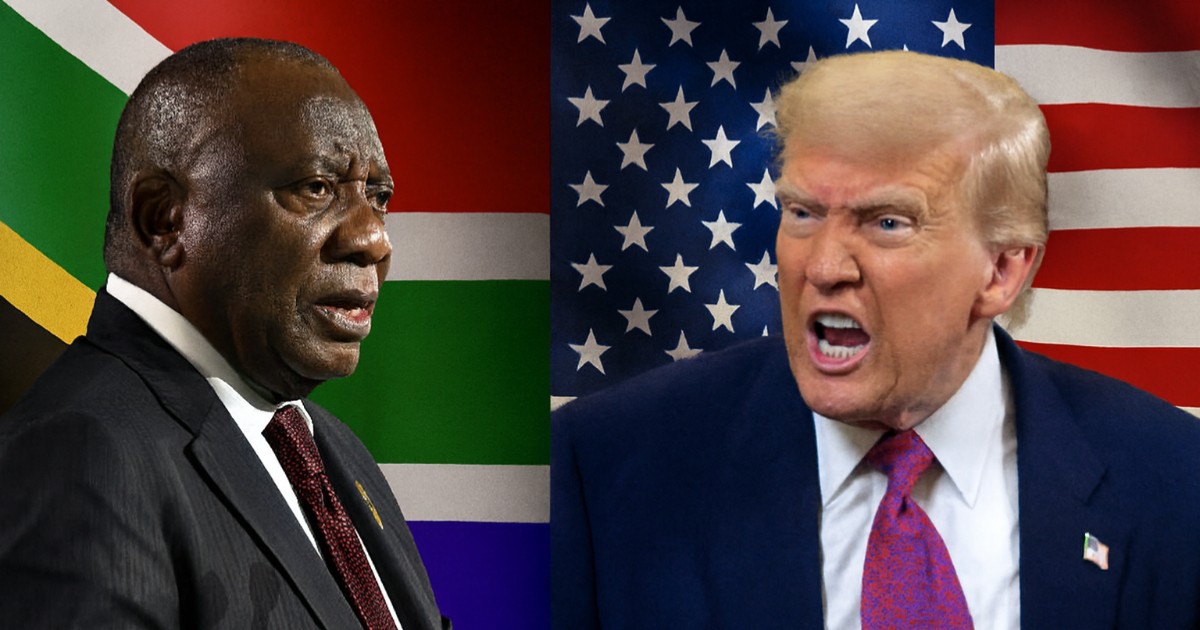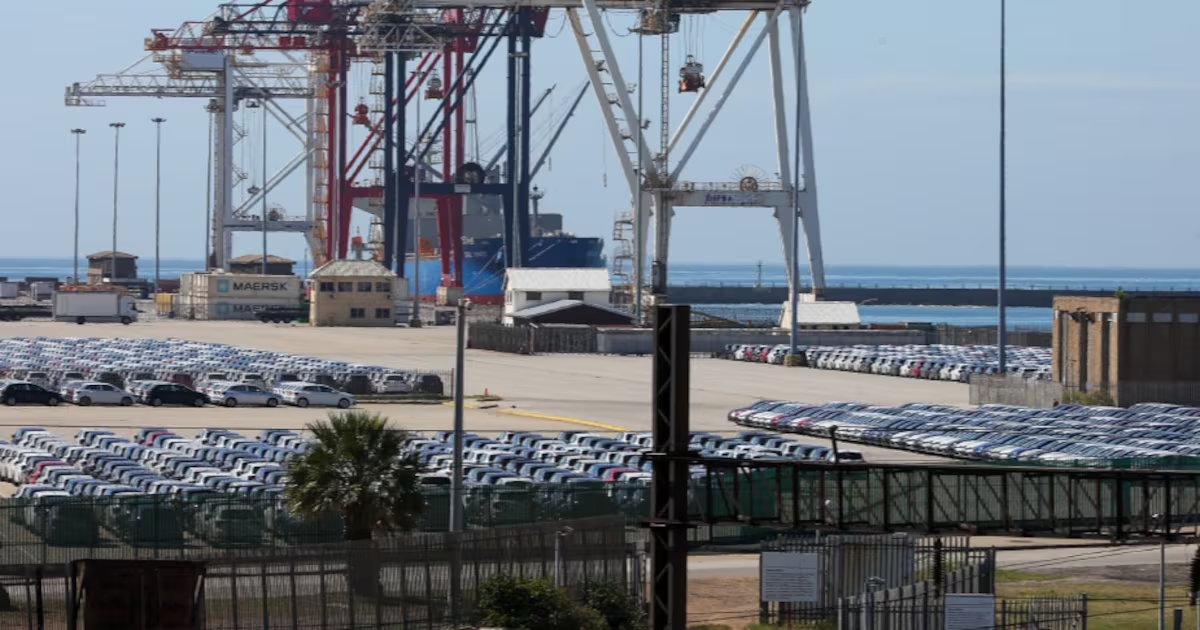
The trade, industry & competition department has been in talks towards a bilateral trade agreement with the US for the past year. The start-stop negotiations have yet to yield a positive outcome for economic operators from both countries. What has complicated issues is the secrecy around the negotiations. Especially from Pretoria. The brief extension of the Africa Growth & Opportunity Act has provided a reprieve for South Africa’s exporters to the US. Agoa grants duty-free access to thousands of African exports. This unilateral trade arrangement has led to complacency in Pretoria. Since returning to the White House in 2025, Donald Trump, America’s president, has sought to renegotiate trade agreements with US trading partners. His strategy has been to slap steep tariffs to force concessions from trading partners. South Africa hasn’t been spared from this US strategy. It was hoped that the mooted bilateral trade agreement would be reciprocal, mutually beneficial and lift the new duties. However, talks have been protracted. Non-trade issues such as South African domestic policies have made progress infinitely difficult. For example, the US administration has raised problems with South Africa’s land reform policy, employment equity and the BEE strategy. It regards these redress policies as racially discriminatory towards minority groups and multinationals. South Africa’s nonaligned stance on Russia’s invasion of Ukraine has worsened relations with the US. A year ago, Ebrahim Rasool was expelled as ambassador to the US after making unflattering remarks about his host president. The appointment of Mcebisi Jonas, the politician-turned-businessman, as a special envoy to the US failed to thaw relations after his views about Trump were uncovered. He has yet to set foot in the US. Last November, the US boycotted the G20 summit which was hosted in Johannesburg and hasn’t invited the South African government to the November summit in the US. These tensions are limiting platforms to iron out sticking points in negotiations. Numerous offers by Pretoria have failed to move the needle. Even more concerning is the fact that the South African government hasn’t taken the local private sector into its confidence about the terms of its offer to the US. Business is an important stakeholder and its views ought to be canvassed, especially on a new trade deal with the US. As was reported in this newspaper, various business bodies have made proposals on Agoa’s extension. But the government seems reluctant to share its approach on exactly what it is negotiating with the US government. This lack of trust is counterproductive. The government exists for all South Africans, including business, and not for itself. South Africa’s private sector has shown itself to be patriotic. During the Covid-19 pandemic, for example, it was business that rolled out the vaccination programme. When the Unemployment Insurance Fund bungled relief to laid-off workers it was business that stepped in to assist. Increasingly, business ― through platforms such as Business for South Africa ― is intervening in public services that should be provided by the state. These include initiatives such as crime and corruption, the energy crisis and bottlenecks in the country’s freight and logistics networks. It is, therefore, strange that its voice on bilateral trade with the US should not matter. After his recovery from Covid-19, trade, industry & competition minister Parks Tau needs to take business into his confidence about what he has been negotiating with the US.
EDITORIAL | Tau must take business into his confidence on US negotiations
Lack of transparency with local business stakeholders over Agoa has caused mistrust
558 words~3 min read