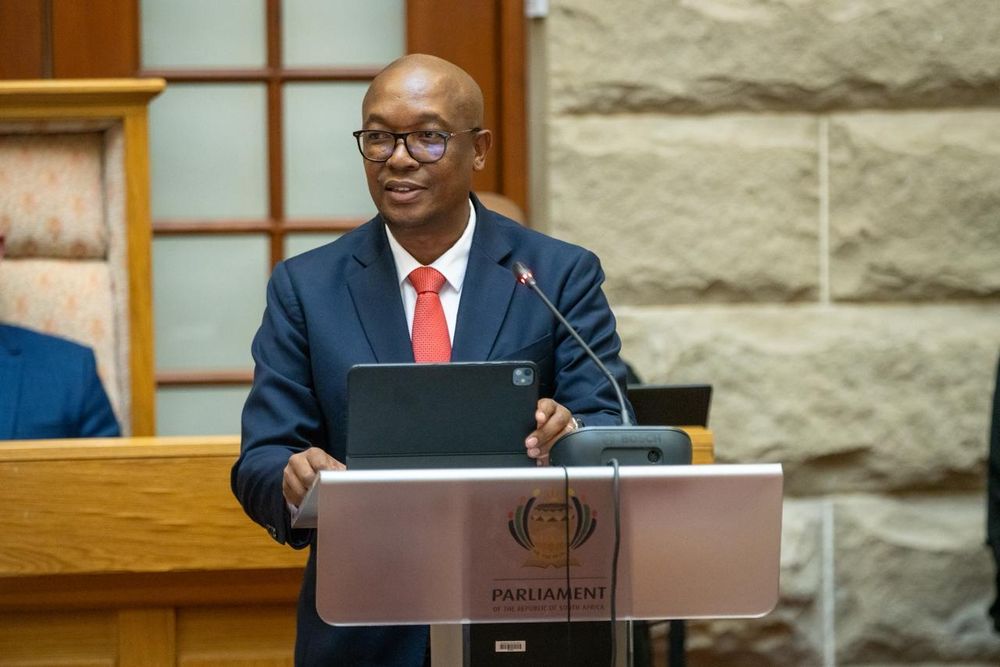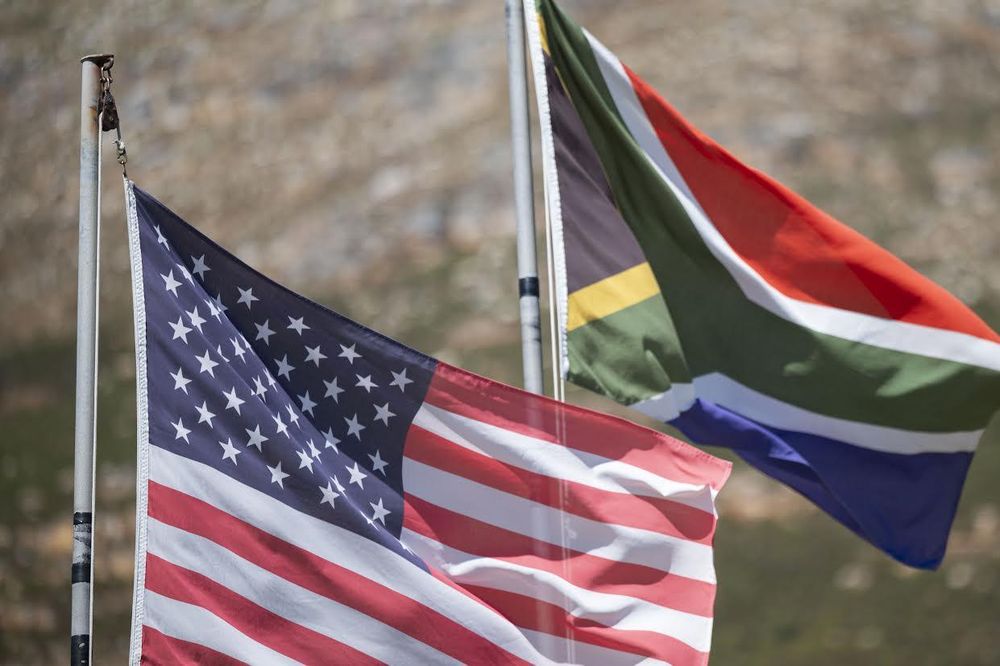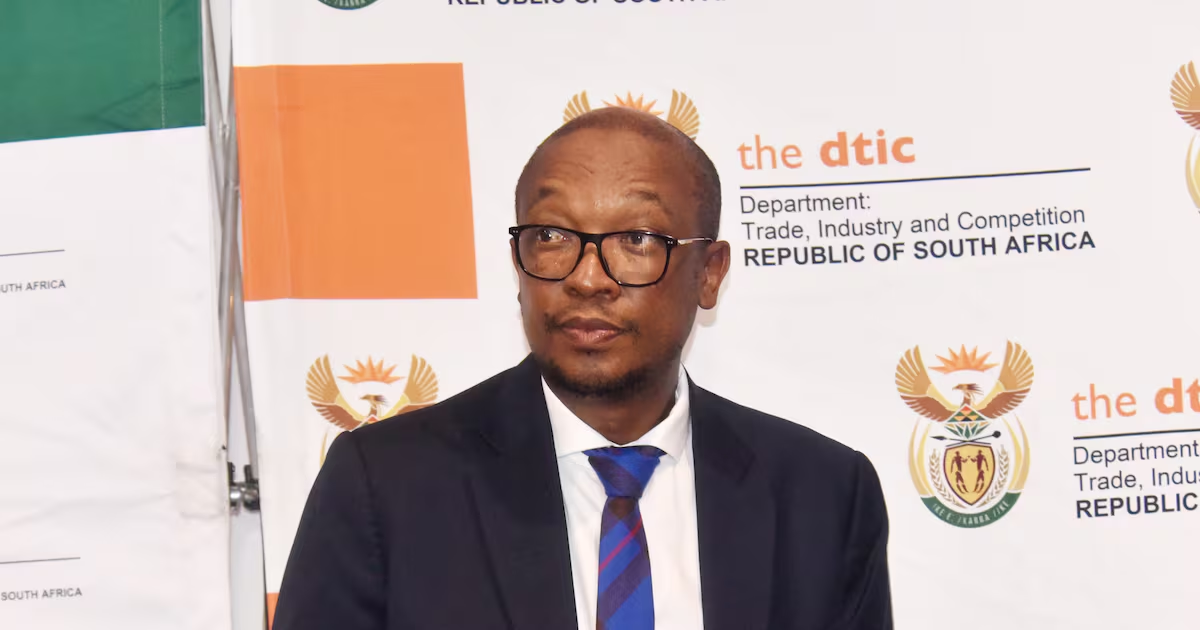
Trade, industry and competition minister Parks Tau has asked the US to provide evidence the country is importing goods from elsewhere using forced labour, and in particular the nature of the goods and the countries from which they allegedly come. Tau said this information is necessary if he is to respond effectively to the investigation launched in March by the US trade representative under section 301 of the Trade Act into 60 countries for their alleged failure to prohibit imports of goods produced with forced labour. Countries under investigation include South Africa, Australia, China, the EU, Israel, Japan, Mexico, Russia and the UK. The aim of the probe is to find out if US trade partners have enacted and are enforcing bans on goods made with forced labour, which is prohibited under US law. It will also examine how any failure to do this affects US workers and businesses. The main motivation for the US forced labour investigation is to protect American workers and businesses from unfair global competition. The US argues foreign producers using forced labour gain an artificial cost advantage, undercutting American workers and domestic manufacturers. It wants its trading partners to actively police their supply chains and block exploited goods from entry into their countries. “It is important to make it clear the South African Constitution and laws prohibit any forced labour in the country,” Tau said in said in a written reply to a parliamentary question by MK Party MP Zelna Abader. He said the US had requested consultations with the affected countries, and South Africa had indicated its willingness to engage in these. South Africa, Tau said, would respond to issues raised in the public hearings hosted by the US from April 28 to May 1. The minister insisted the investigation had nothing to do with South Africa’s participation in the Africa Growth and Opportunity Act (Agoa), which gives qualifying African countries preferential access into the US market. Abader asserted section 301 investigations were “typically used as a precursor to punitive tariffs and trade sanctions, and given the very real risk such investigation poses to the Republic’s continued access to Agoa, which supports thousands of local jobs in key sectors such as the automotive and agriculture sectors, what specific steps has his department taken to prevent the Republic from being exposed to possible trade penalties and the potential loss of Agoa benefits”. Tau replied the section 301 investigation and Agoa were separate matters, with Agoa being an act of Congress which would decide on its future. “Cabinet has taken a position to continue engagements with the US and these discussions are conducted under various tracks including on domestic issues, geopolitics, trade and commercial. “The US remains an important trade and investment partner, with more than 600 companies invested in South Africa and the US States being a leading destination for South Africa’s value-added manufactured exports. As a result, notwithstanding geopolitical issues, the trade track continues in its engagement with the US.” Tau clarified the current trade policy measures applied by the US were not targeted at South Africa only, but equally to all countries. The measures were not linked to the current issues between the US and South Africa. The 10% Section 122 tariffs the US implemented applied to all countries and the Section 301 investigations were targeting 60 countries including South Africa. “As a result, South Africa is not being targeted individually as a country,” Tau emphasised.
Tau seeks evidence in US probe of forced labour imports
Trade, industry and competition minister insists Constitution prohibits forced labour
573 words~3 min read