Get the latest news and updates from Dawn
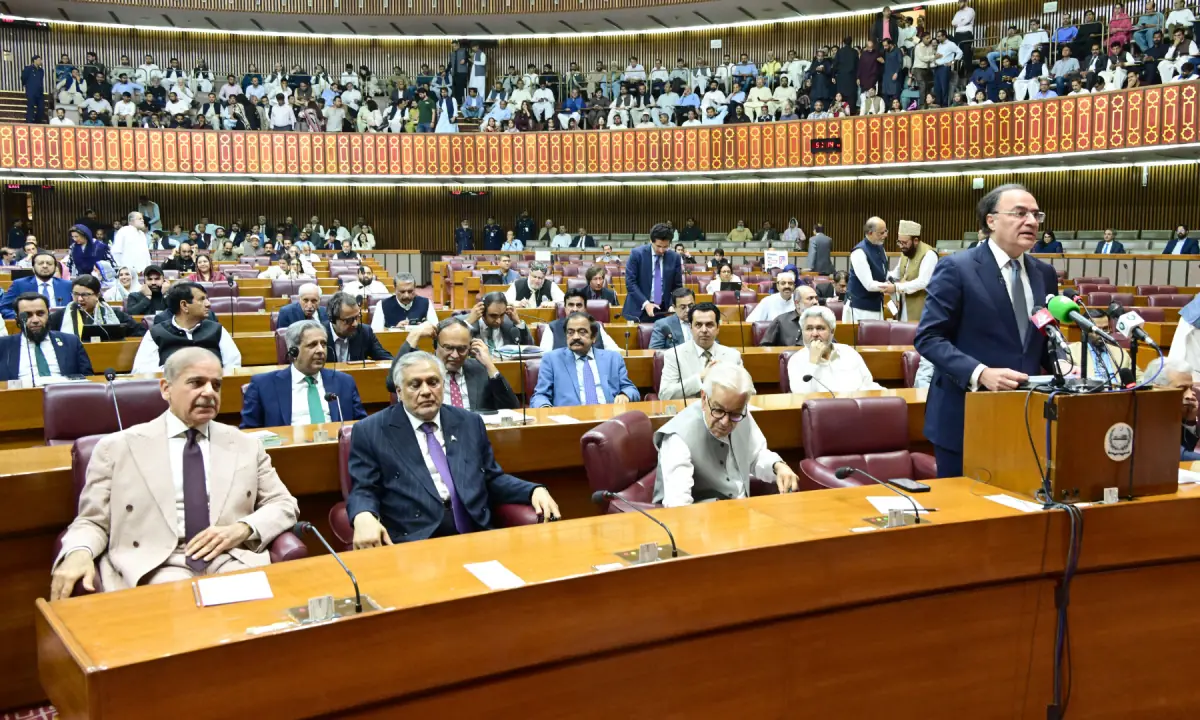
The budget season is here again. It will be presented before Parliament, with all the usual cliches and platitudes, ‘debated’ under the haze of political speeches, and passed into law. This is the annual ritual. However, the question will remain: Is the budget now even relevant?
Beginning in the mid-1980s, the budget began to lose its sanctity, becoming more and more a public relations exercise, with numbers looking good all around. Actual implementation has become a different story. Revenue targets are almost never met, with the Federal Board of Revenue admitting regular shortfalls; current expenditures are almost invariably overrun, and development expenditure is always cut. One constant is a rise in taxation under various heads.
The people at large merely watch askance. They are less concerned with resource mobilisation, ‘revenue targets’, ‘budget deficits’, ‘tax-GDP ratios’, ‘tax compliance’, ‘current account deficits’, ‘balance of payments’, ‘austerity measures’, and so on.
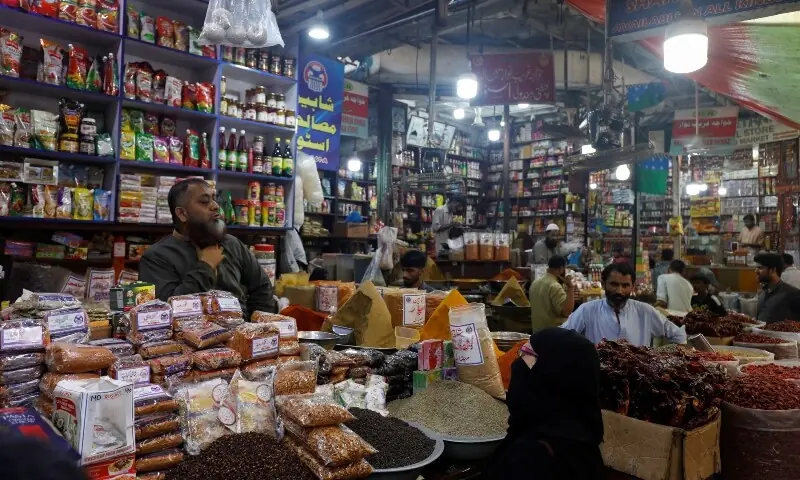
They are more concerned with employment, milk and grocery prices, and the costs of housing, water, public transport, school fees, medicines, and so on. As always, the budget caters materially to the former, with the traditional lip-service to the latter. Of course, whether the former is ever achieved is another matter.