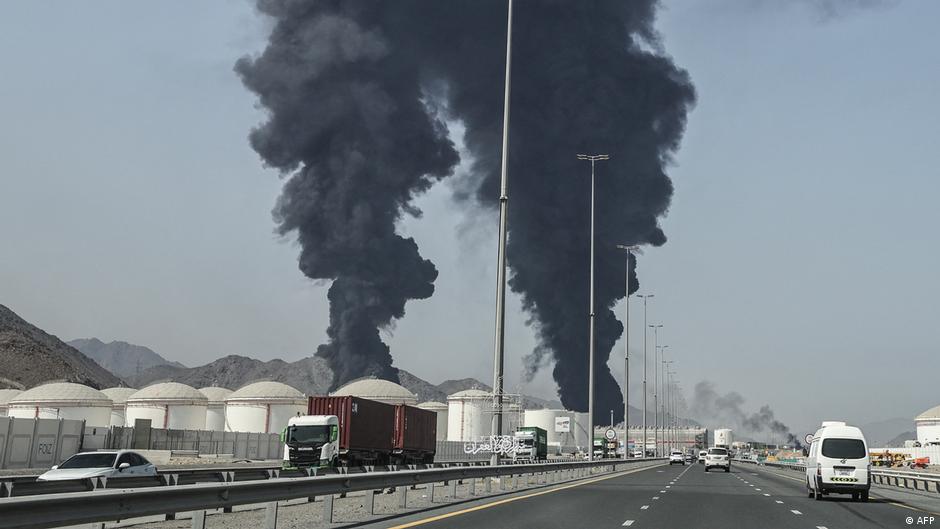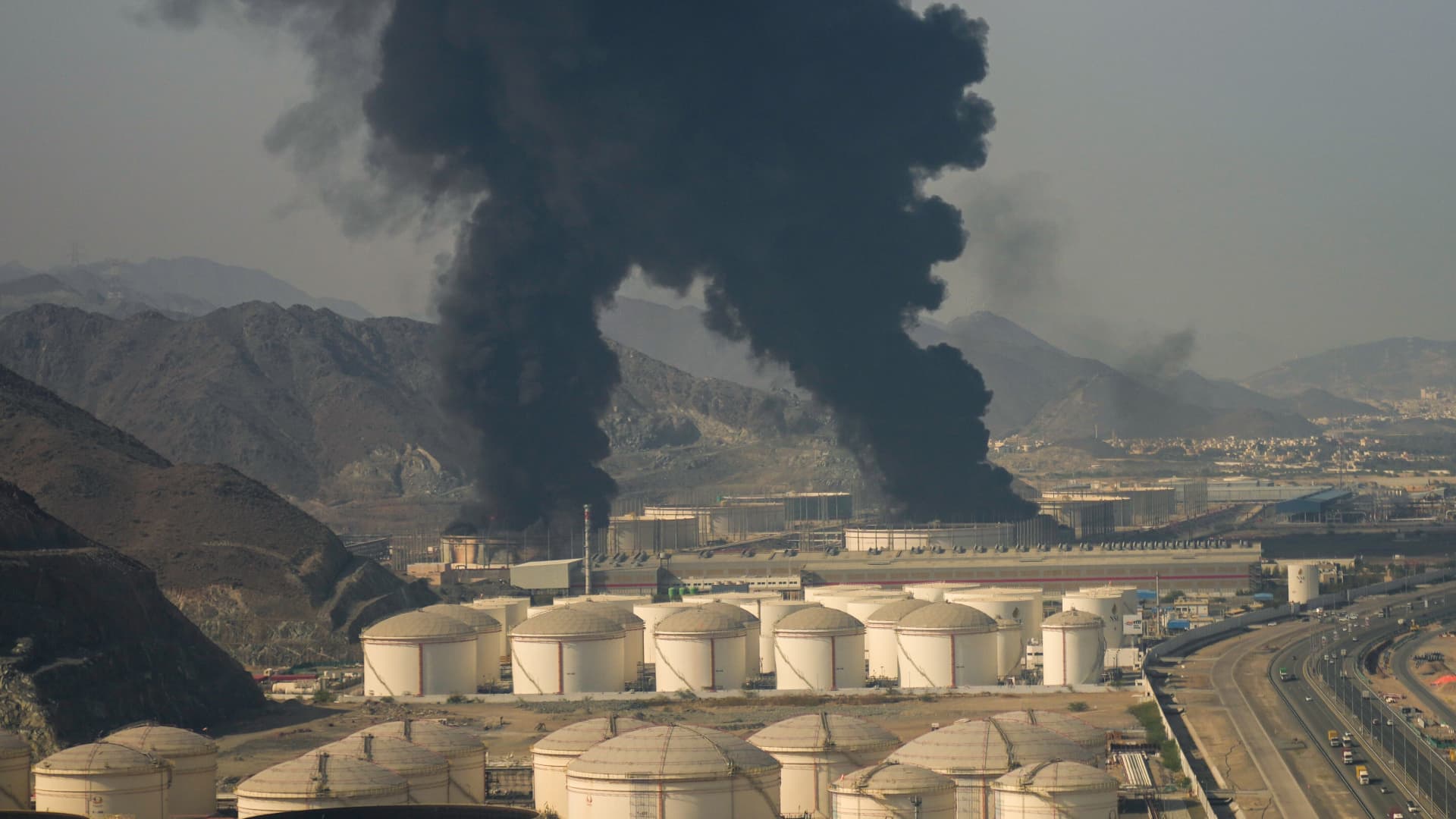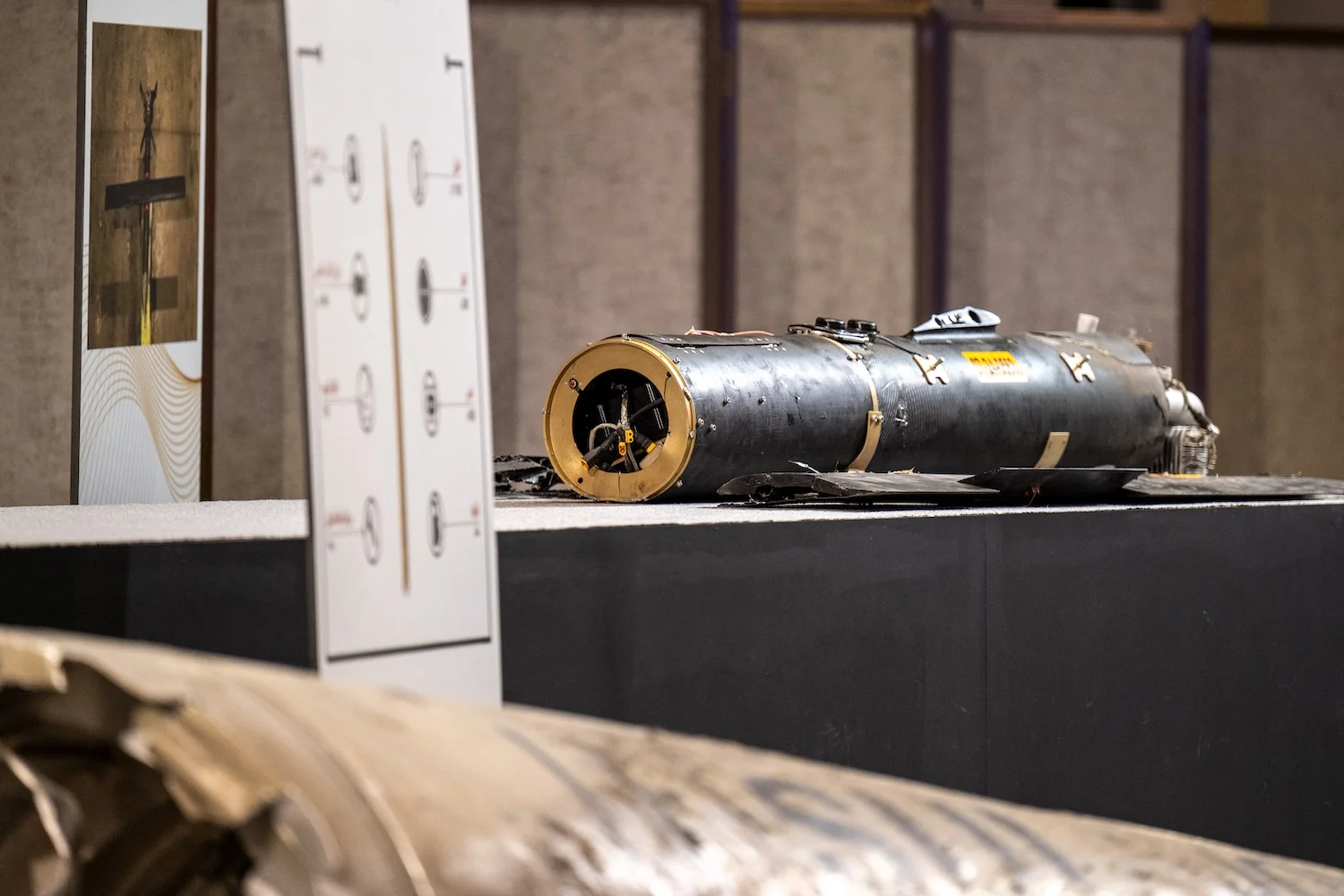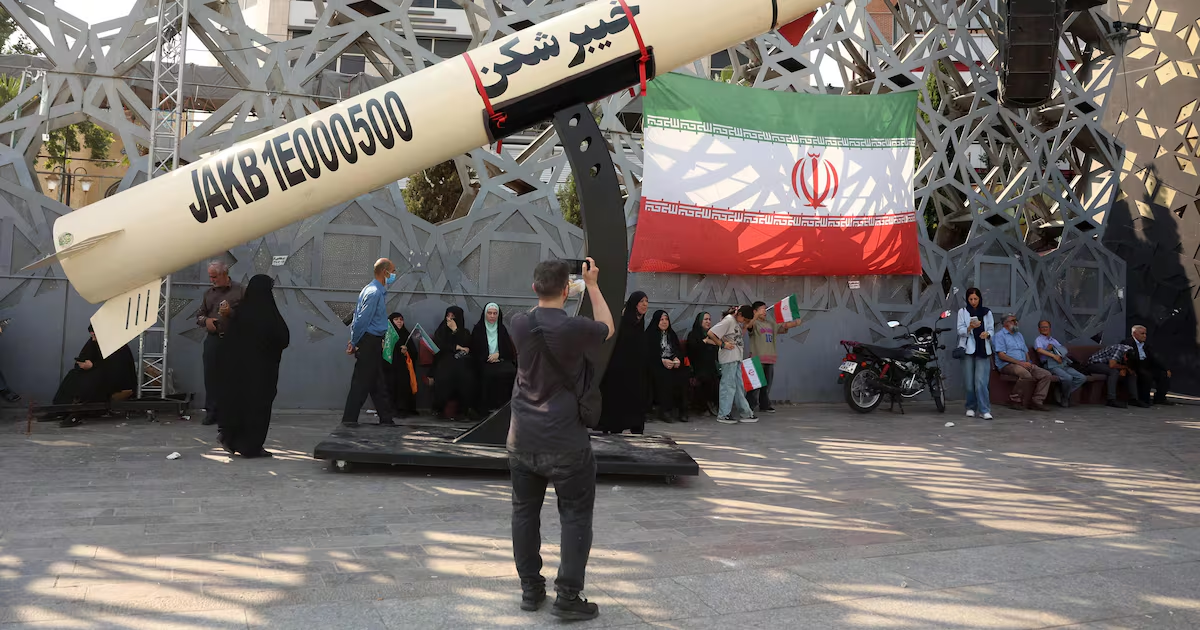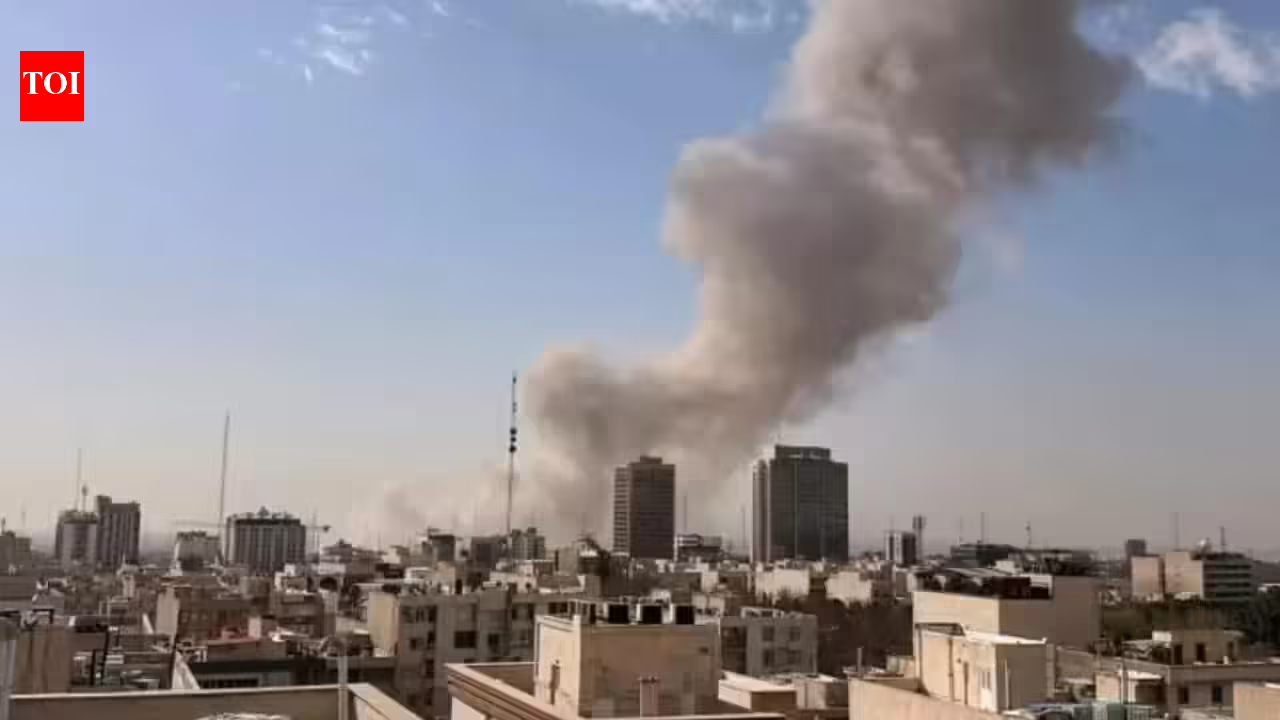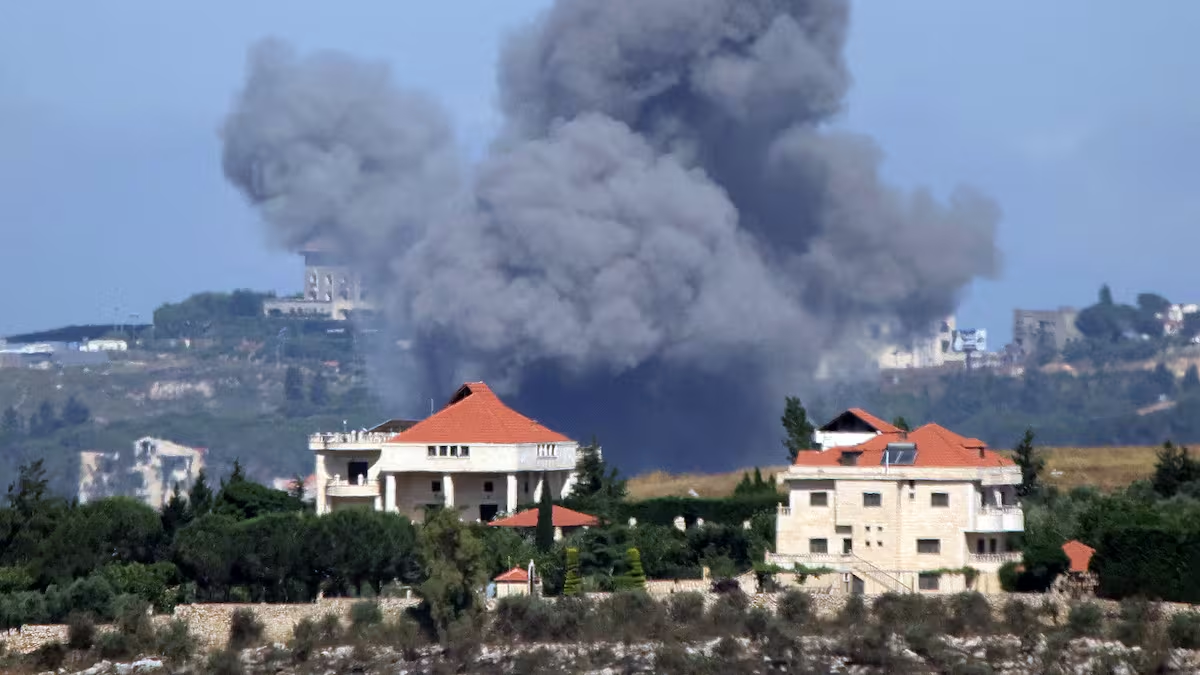
Iran’s recent launches of ballistic missiles and drones toward Kuwait and Bahrain – amid escalating tensions with the United States and Israel – represent not just a dangerous escalation but a profound strategic miscalculation. By violating the sovereignty of its Gulf neighbors, Iran is isolating itself regionally, damaging its international standing, alienating potential partners, and undermining its own long-term interests more severely than any external pressure could.
For all the latest headlines follow our Google News channel online or via the app.
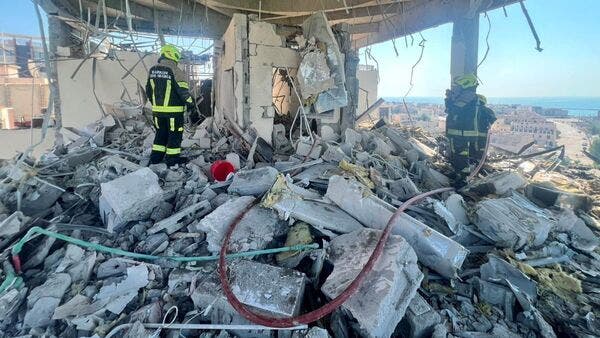
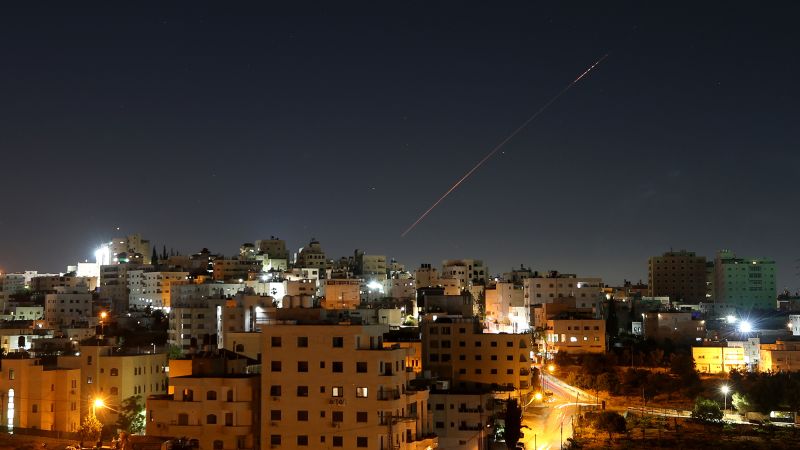
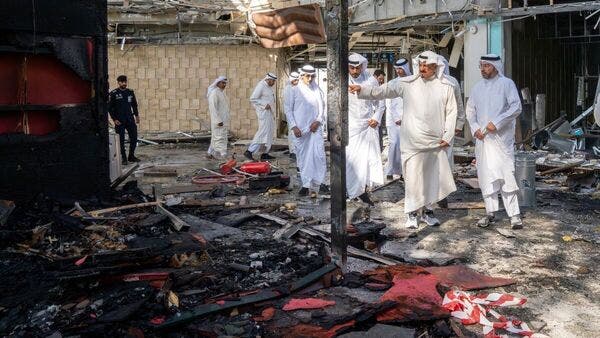
In Kuwait, strikes damaged the international airport, killing at least one person and injuring dozens, while Bahrain reported interceptions of missiles and drones aimed at civilian and military sites. Such moves not only broaden the conflict unnecessarily but also expose Iran’s misjudgment of regional dynamics and its own vulnerabilities.
Gulf states as constructive players in a volatile region
In the broader conflict involving the US, Israel, and Iran, the Gulf Cooperation Council (GCC) states – Saudi Arabia, the UAE, Qatar, Kuwait, Bahrain, and Oman – have largely positioned themselves as voices of restraint and diplomacy rather than belligerents. They have repeatedly called for de-escalation, mediation, and dialogue to prevent the war from spiraling further.