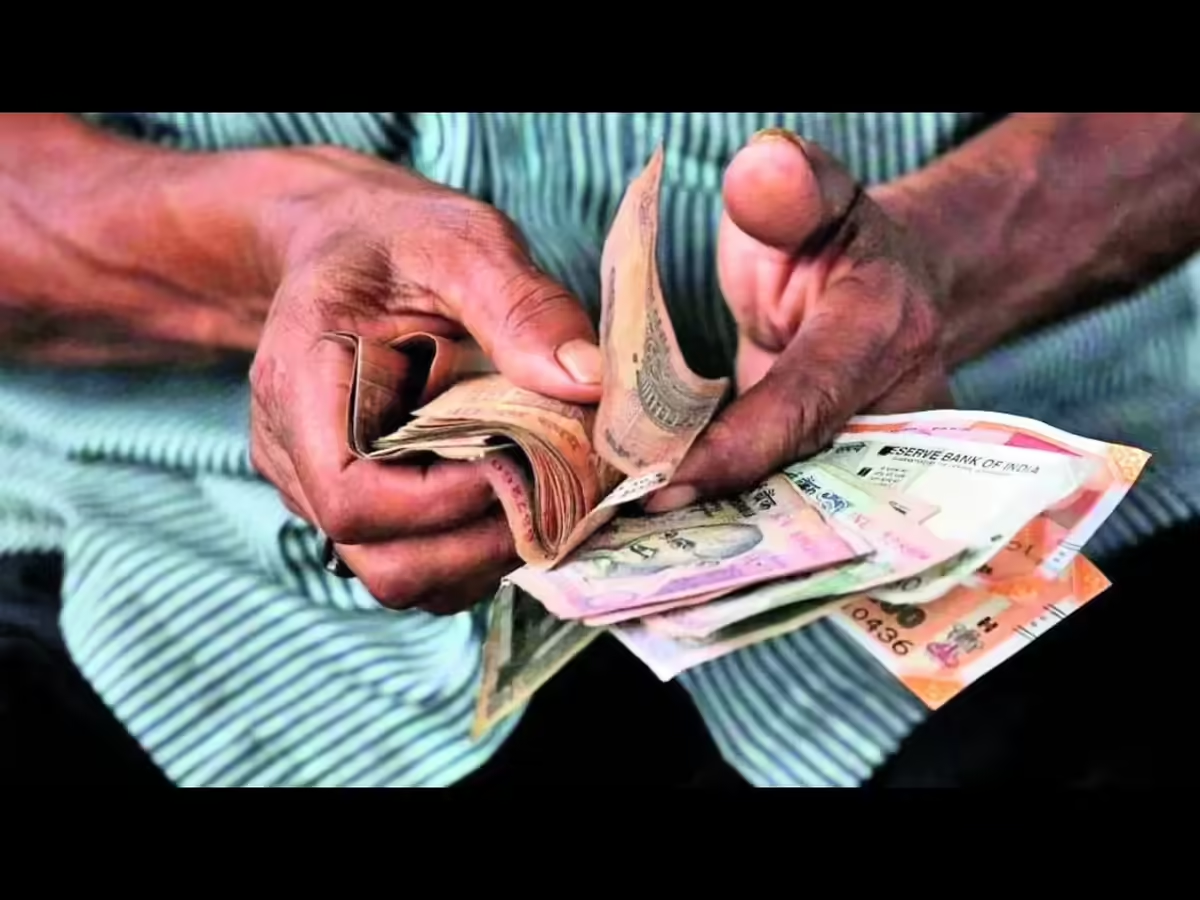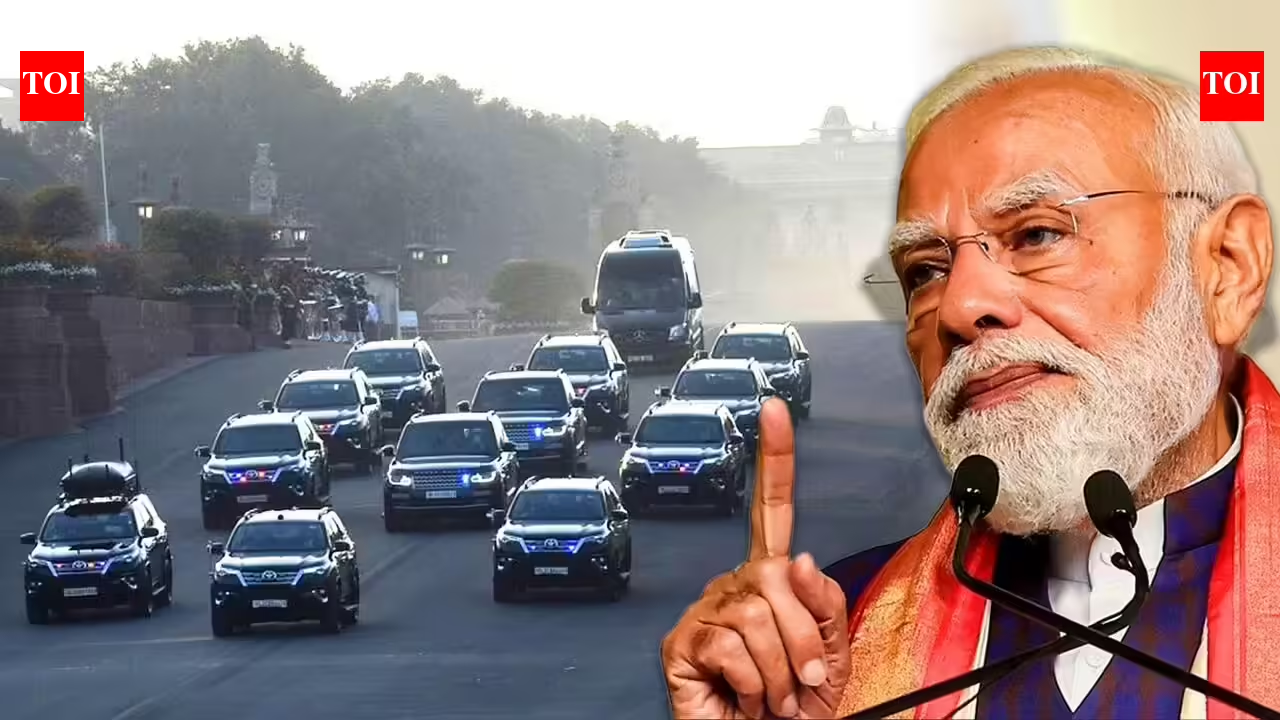
“What happened to your regular car,” asked my colleague when he saw me driving an EV to office. “You heard what Prime Minister Modi asked us to do, haven’t you?” I replied. I told him how, as a family, we have been responding to the austerity call in recent weeks by juggling the only EV we have for our city travel. “But Modiji also asked us to do more ‘work from home’. Allow us also to contribute to the nation’s cause,” he said, tongue-in-cheek.His retort prompted me to survey how our employees travel to work. About 70 per cent use either public transport or energy-efficient modes. After the Herculean efforts to get a young company back to the office, returning to WFH felt unpatriotic, rather than contributing through a sustained, productive organisation. It also made me think about the ways in which enterprises cut discretionary spending during a crisis, or whenever the headquarters thinks it’s the season for savings.Rob Peter to pay PaulThe first thing that goes out in a freeze mode is hiring. But enterprises have ways of subverting this too. You know well by now that the stock prices of companies that lay off full-time employees (FTEs) immediately go up. The top 10 companies in terms of laid-off FTEs collectively retrenched about 84,000. Six saw Wall Street rewarding them with higher share prices. That’s the immediate return for the board and management.However, internally, the work still has to be done by someone. The quick solution to that are contractors, who get expensed differently on the P&L.For example, the leading Indian IT services companies’ employee count has remained flat over the last 12 months in response to weak customer demand and perceived AI threat. At the same time, the top six that publish their sub-contractor spend have shown a 22 per cent increase in contractor expenses. The organisation still spent, albeit in a different expense line.Early during Covid, one of our customers said it was a difficult time and wanted partners to share the pain and asked for discounts. Three months later they published their results and, guess what, it was their best quarter in the last 12 months. An enterprise with ₹2,000 crore revenue took a discount of ₹50,000 per month from a ₹50-crore-turnover supplier to book 40 per cent more profits in the following quarter.For a few dollars less“It’s a difficult time for the organisation, as you can see from our results; we will all take a voluntary pay cut of 10 per cent,” announced the VP at a hurriedly called ‘all-hands’. When such announcements are made, you wonder whether the word “voluntary” is being abused. Pushing variable pay to another quarter to satisfy shareholders in the interim has become a norm in the IT industry.We were in the middle of annual appraisals and wondering if it made sense to dole out increments during difficult times. Our HR head disagreed, saying that as a Fortune 500 company we shouldn’t take such reactive decisions at the end of a year. She strongly opined that the enterprise should notify employees in advance that if it doesn’t achieve 80 per cent of its target, there wouldn’t be any raise the next year. In her view, such arbitrary decisions of leaders influence employees to act like mercenaries, and discretionary efforts take a back seat. As logical as her argument was, she didn’t last to see the next year. Large corporations like leaders who always toe the line, especially in an austerity mode.The road less travelled“We are on a travel freeze; no offsites” is something you hear during any downturn, or senior executives are advised to skip business class, which by itself is a reminder that things are not fine.If corporations think travel is such a non-essential thing, then why have it in the first place?One of my employers even had headings like ‘essential’ and ‘non-essential’ expenses. I heard it for the first time when the EVP got senior executives from multiple countries to China for an important meeting and called it the right spend.He said we wouldn’t go out for the collective dinner, given the cost control. Instead, we ordered room service at the five-star hotel we were staying at.During trying times, enterprises struggle to balance the need for essential expenses vs the fringe ones. The disparity in the decisions by the people in power becomes glaring for all.When organisations freeze hiring, cut headcounts, postpone pay hikes, and pause travel, the collective material savings are hardly significant. CFOs bring in some of these curbs purely as a signalling measure. I have observed constraints working in pockets, but not for long.“Can we do more with less” is the question we often ask.One has to reflect on the prolonged duress that the world and workforce have faced over the last few years, courtesy the pandemic, the tariffs, AI, and now the war.“Remember that pain has this most excellent quality. If prolonged, it cannot be severe, and if severe, it cannot be prolonged” — a Roman quote.(Kamal Karanth is the Co-Founder of Xpheno, a specialist staffing company)Published on June 8, 2026
Corporate ‘austerity’ can’t cut it
Explore the impact of corporate austerity measures on employee morale and productivity in the evolving workplace landscape.
847 words~4 min read