Austerity drives are not new in India. Almost every time the Indian economy stumbles into a crisis, the ruling dispensation of the time has introduced different types of austerity measures in order to prevent a bigger crisis engulfing the country.
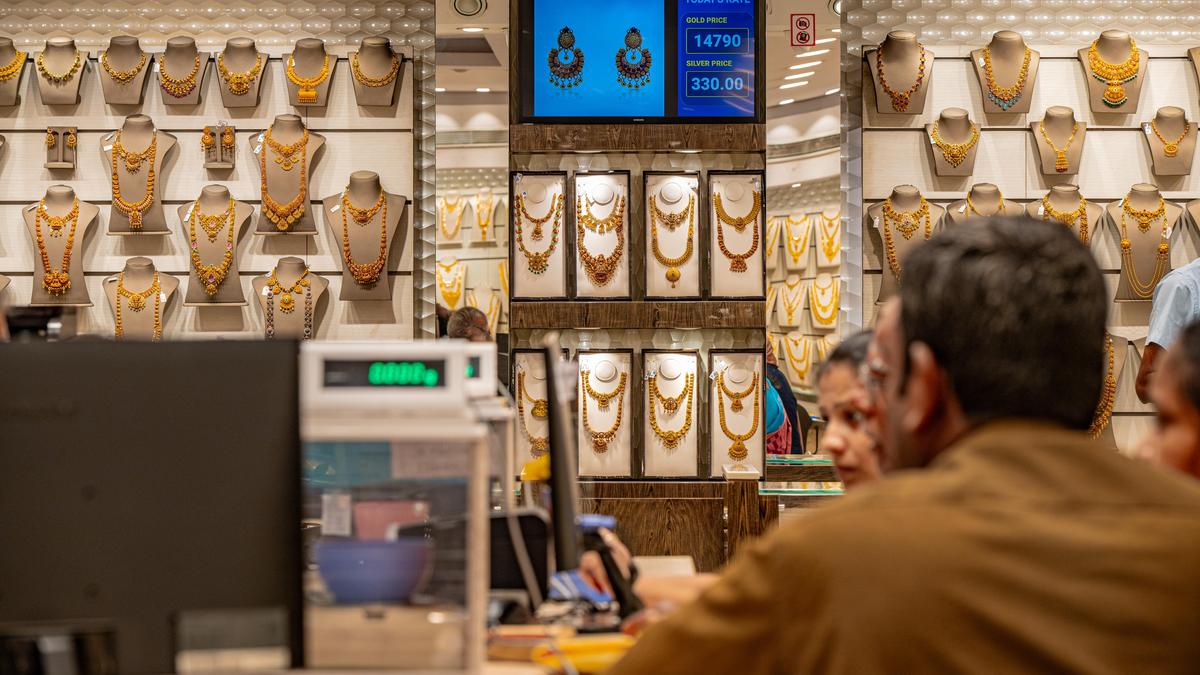
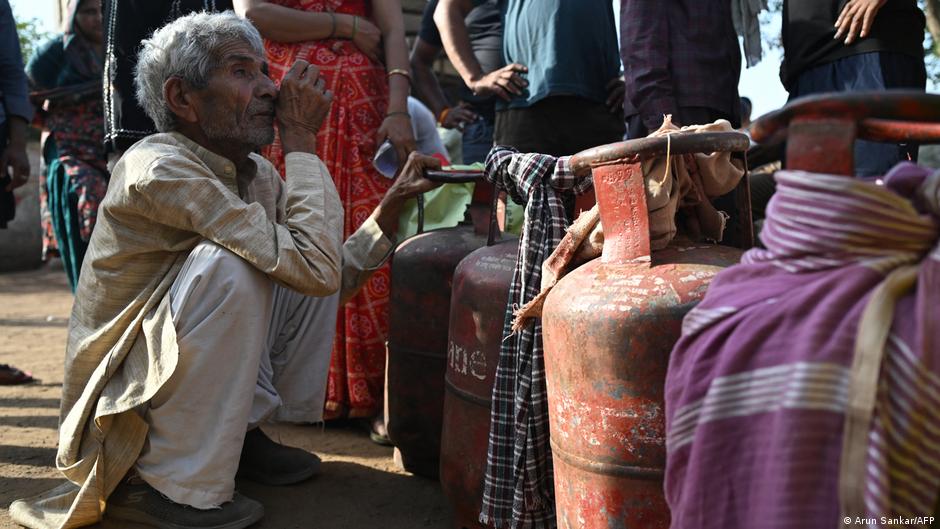
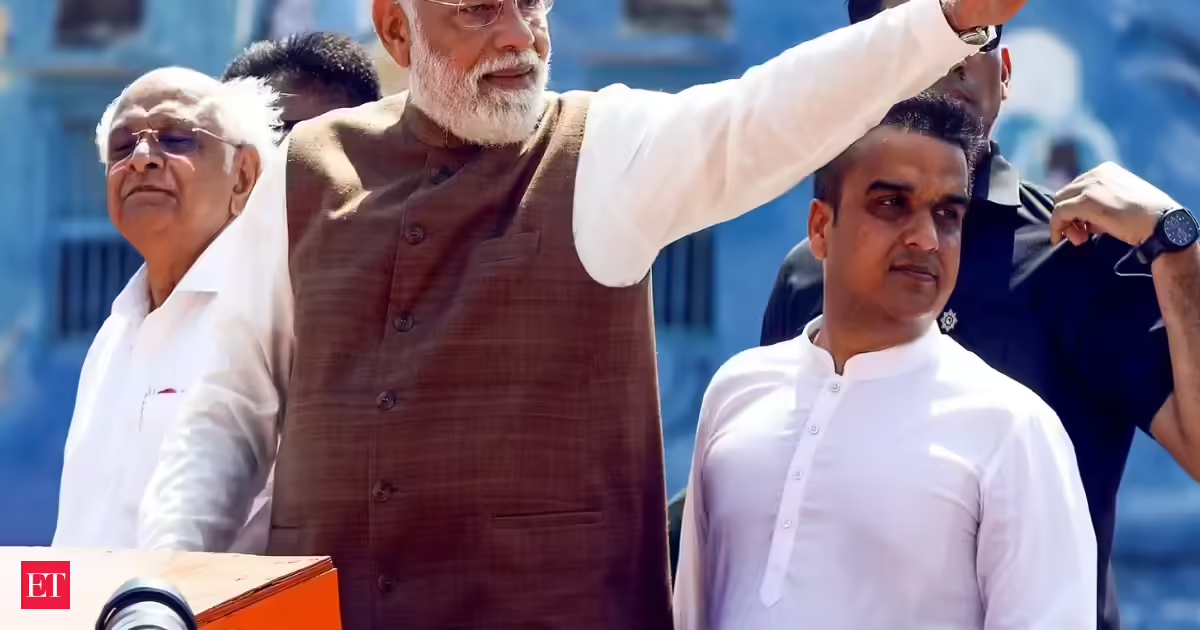
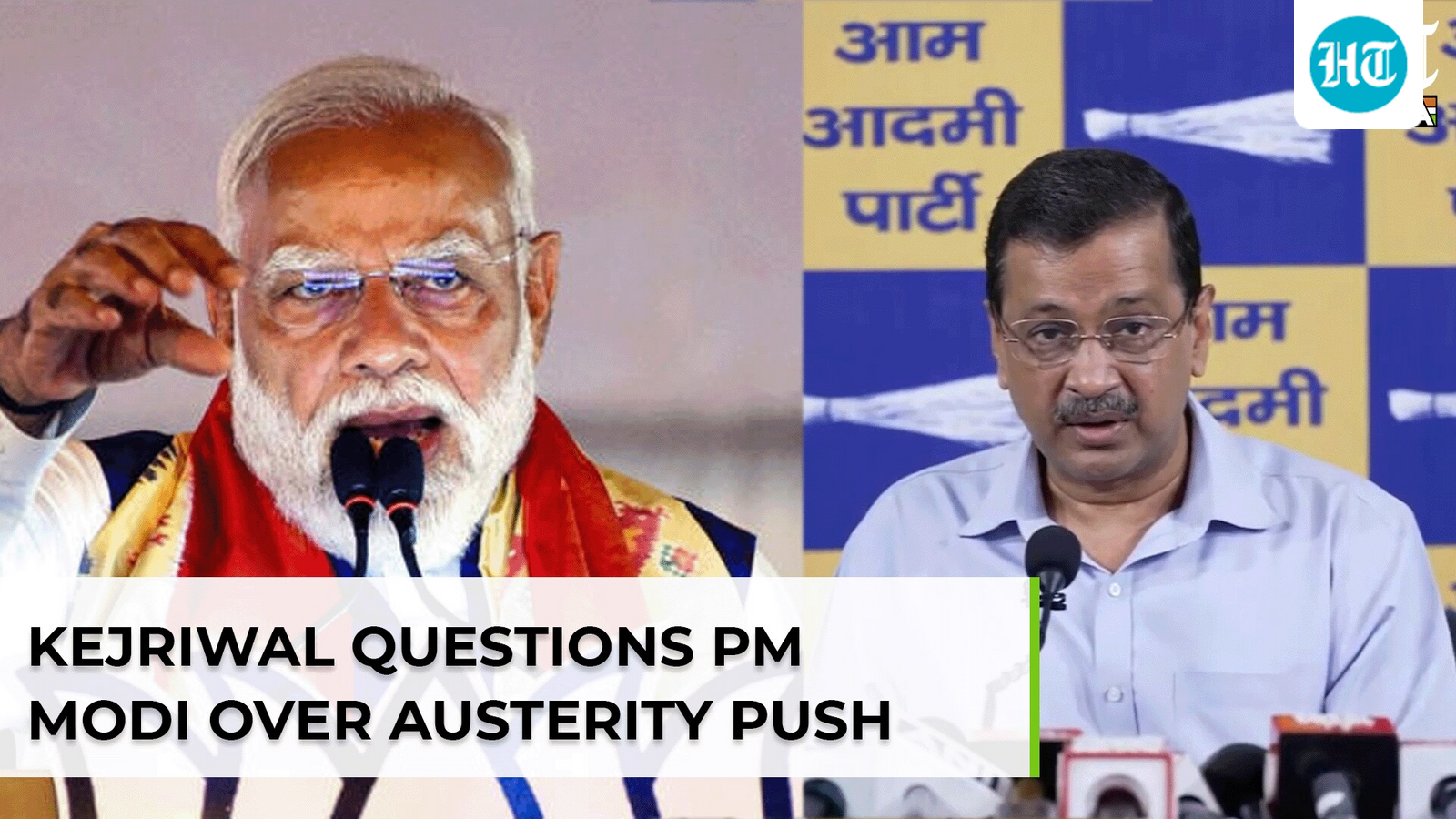
What Prime Minister Narendra Modi announced on Sunday was somewhat similar. He appealed to Indians to revive working from home, increase the use of public transport like the Metro, embrace carpooling to reduce usage of fossil fuel on transportation, buy less gold and limit foreign travel. And he asked farmers to halve fertiliser-use. All these exhortations were aimed at helping the country conserve foreign exchange by curbing the use of fossil fuel, almost 88 per cent of whose demand is met through imports.Yet, there are crucial differences between the prime minister’s pronouncements — as also his government’s action last week — and the measures that were initiated by many of his predecessors. Examining those differences and recognising the similarities will be highly instructive for policymakers, analysts and students of the Indian economy and its polity.
Shastri and the food crisis
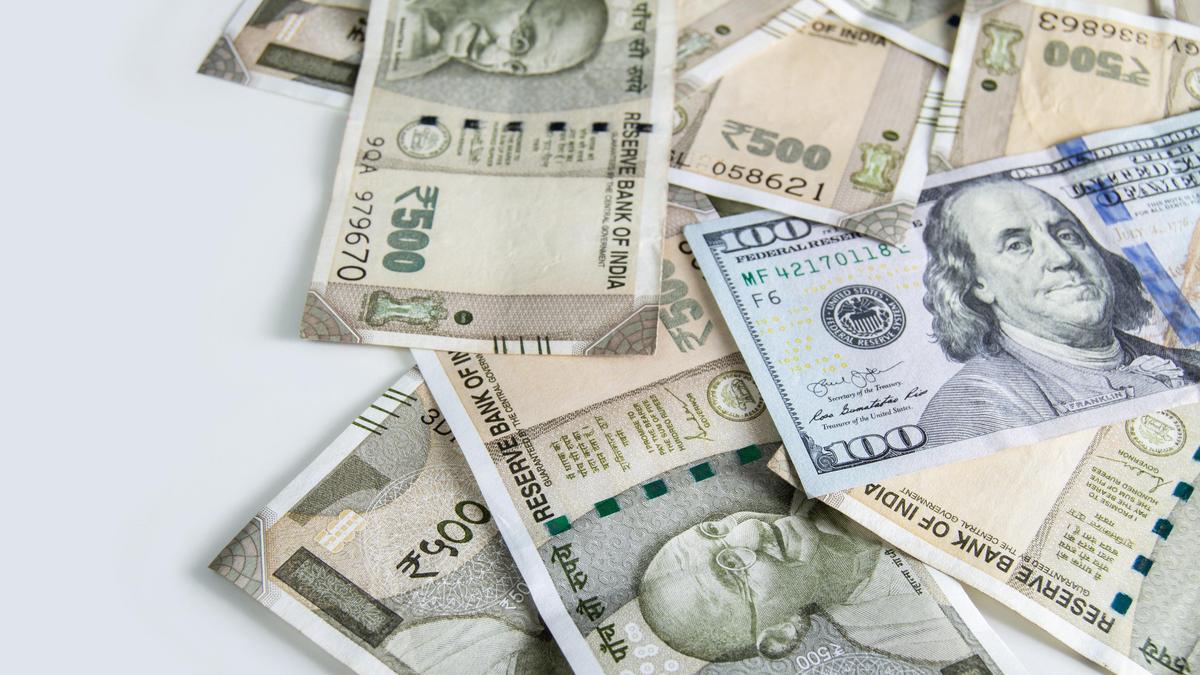
Let this exploration begin with 1965. For about a month-and-a- half in August-September that year, India was embroiled in war with Pakistan. The general level of prices in 1964-65 had already risen by 8.7 per cent and foreign exchange reserves had dipped to ₹250 crore or $524 million, enough to meet just about two months of its merchandise imports. And after the war, the general price level had shot up by 11.4 per cent in the first nine months of 1965-66. India’s foreign exchange reserves improved slightly at ₹298 crore or $626 million, although it was no cause for comfort. However, foodgrain availability posed a difficult challenge. An erratic monsoon had affected foodgrain production, as a result of which imports rose, straining foreign exchange reserves.How did Prime Minister Lal Bahadur Shastri respond to this food crisis? In an address to the nation, Shastri announced his government’s decision on stricter enforcement of a food rationing system, already in place. In addition, he exhorted all Indians to skip dinner every Monday. Restaurants were asked not to serve food on Monday evenings. That was an unusual austerity move, but the measure was introduced at a time when India did not have adequate foreign exchange reserves and its foodgrain stocks were paltry.