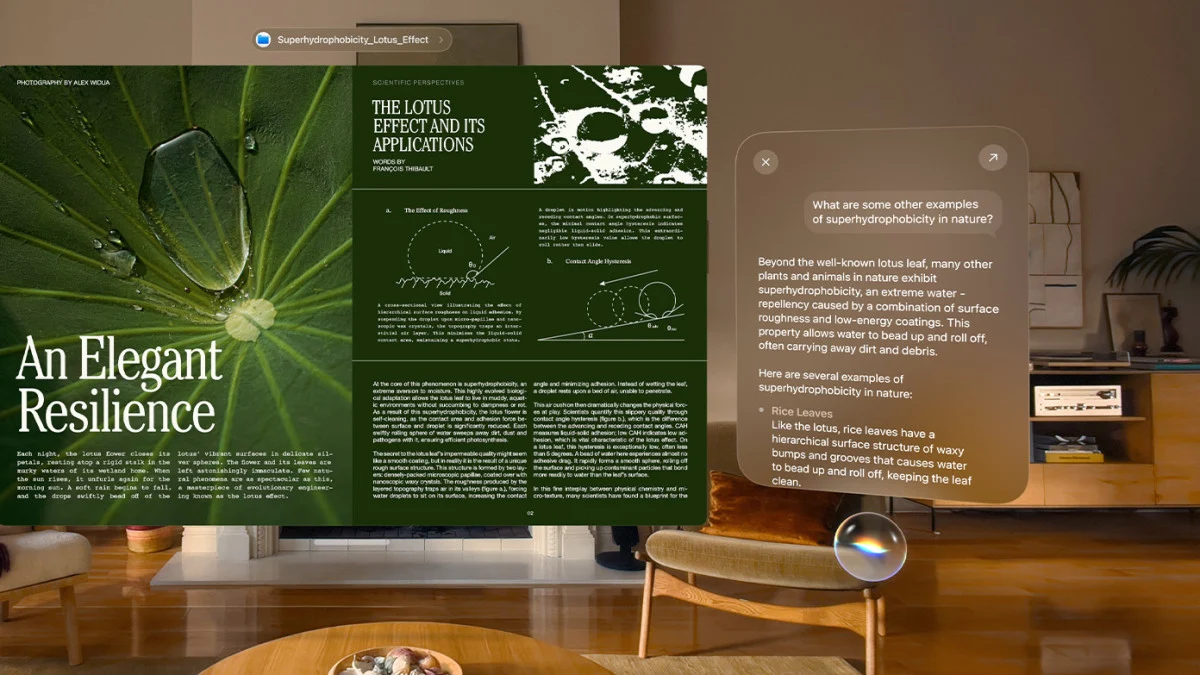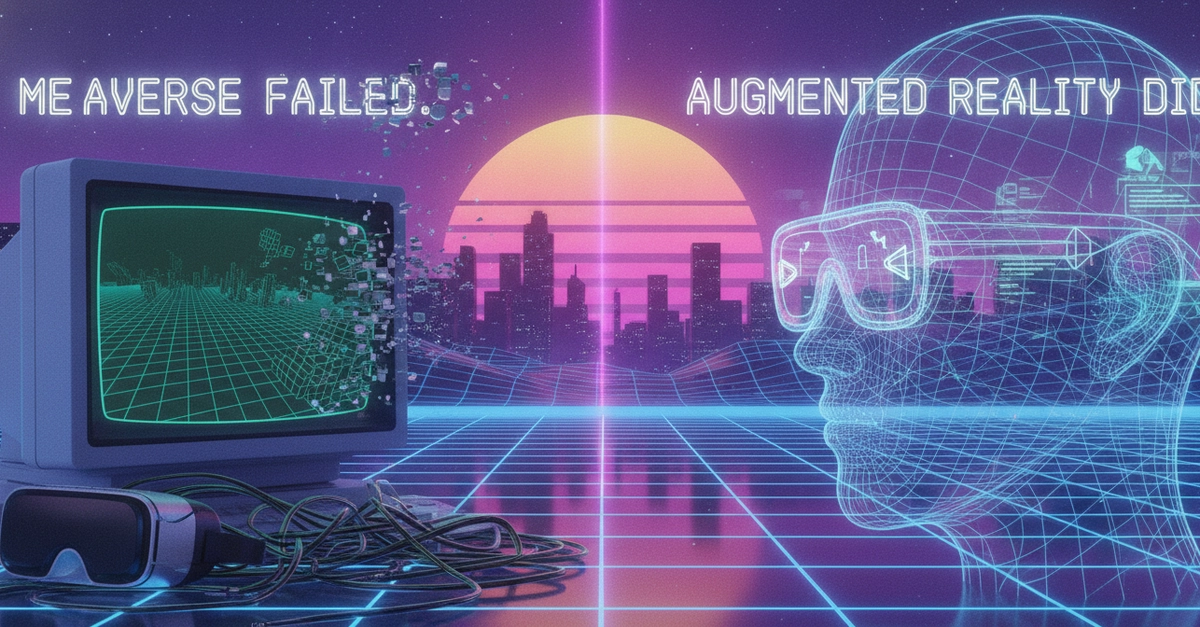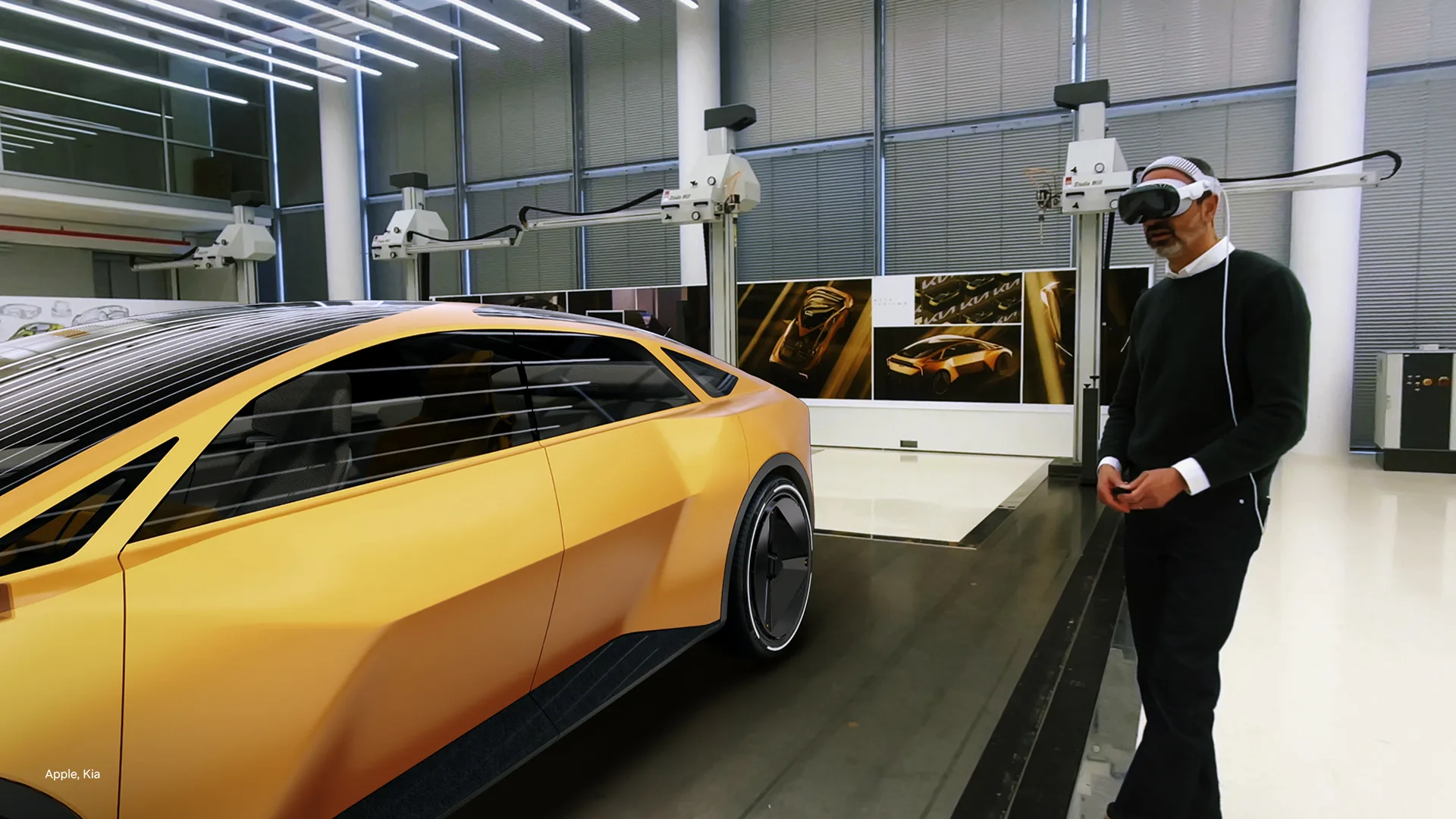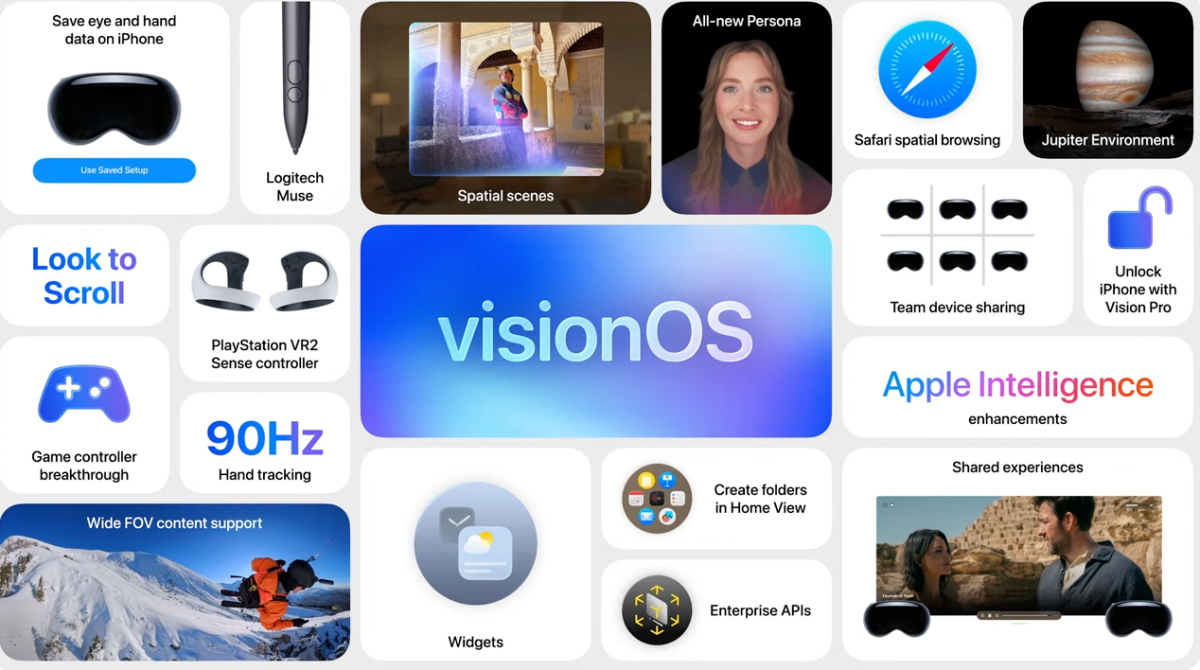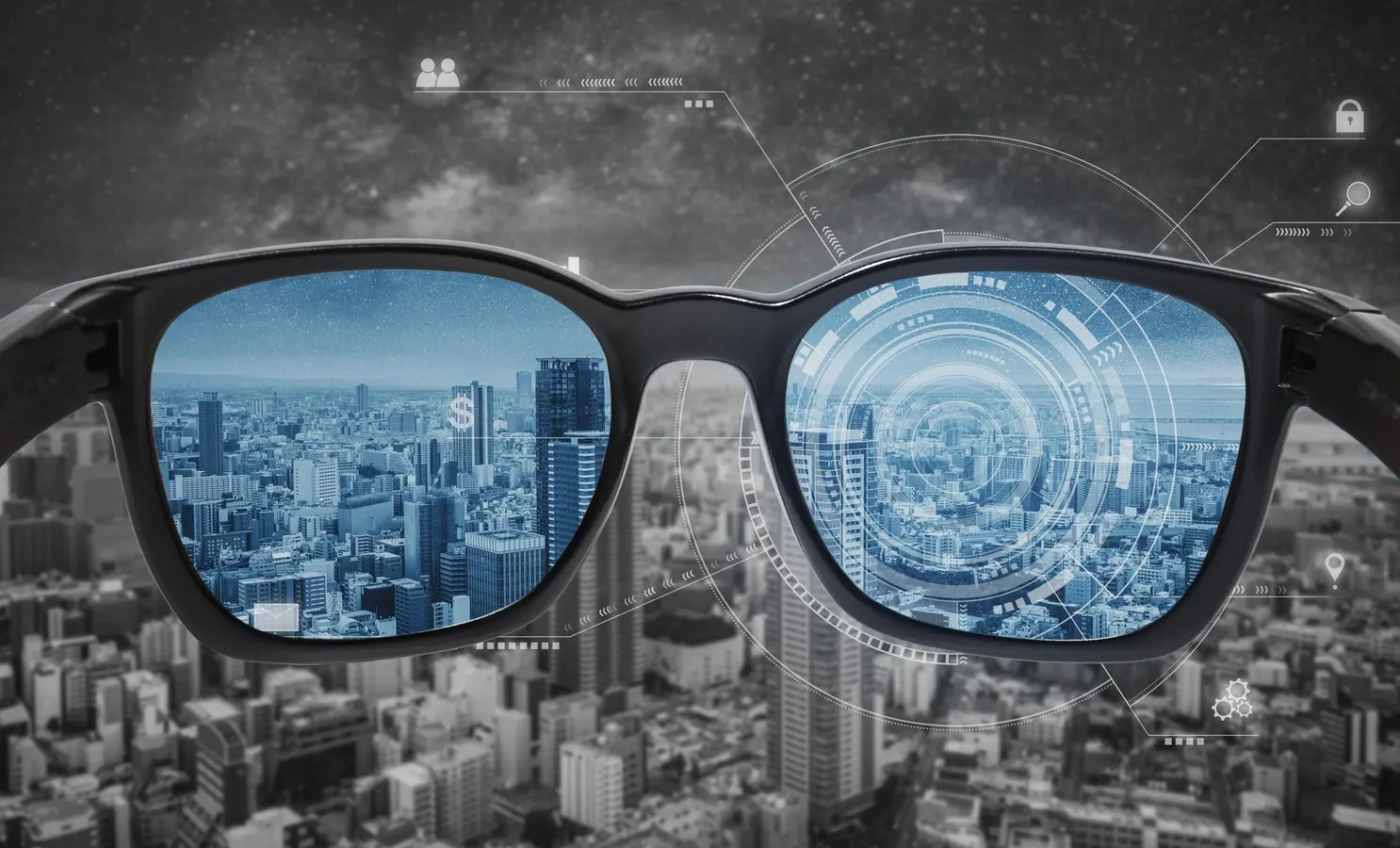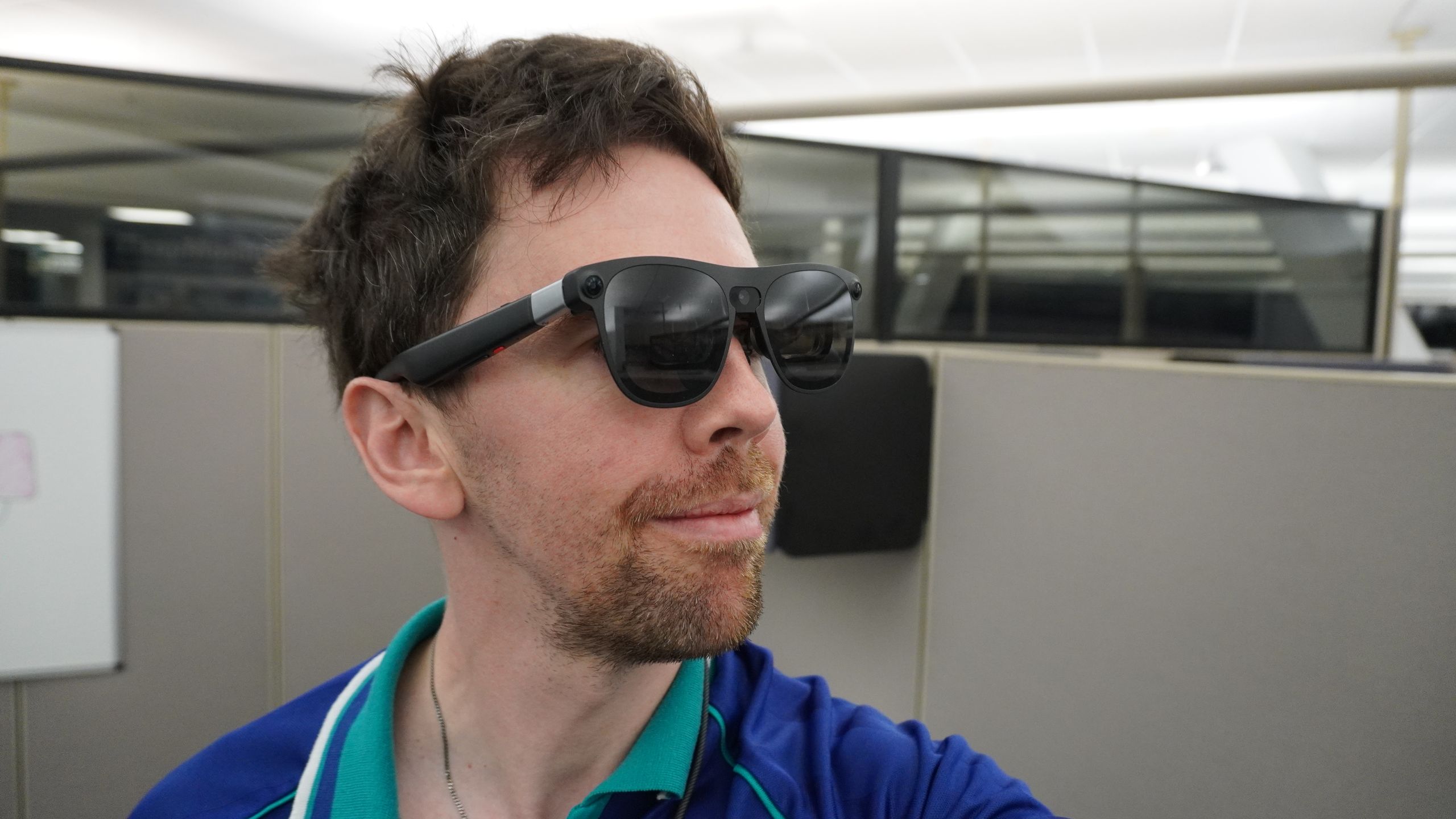
Spatial computing used to mean one thing: a $3,500 device strapped to your face. Apple Vision Pro. Meta Quest. Microsoft HoloLens. The promise was real — interacting with digital content in three-dimensional space using nothing but your hands. The barrier was enormous. Browser-based spatial computing changes everything.
What Is Spatial Computing?
Spatial computing is any system that allows humans to interact with digital content in physical space — using hands, eyes, and movement rather than keyboards and mice. Instead of clicking a button on a flat screen, you reach out. Instead of typing, you gesture. The interface comes to you, not the other way around.
The concept has existed in research labs for decades. What's changed is accessibility. Five years ago, experiencing spatial computing required institutional hardware budgets. Today, it requires a browser tab.
The Hardware Problem