(Image credit: Future)
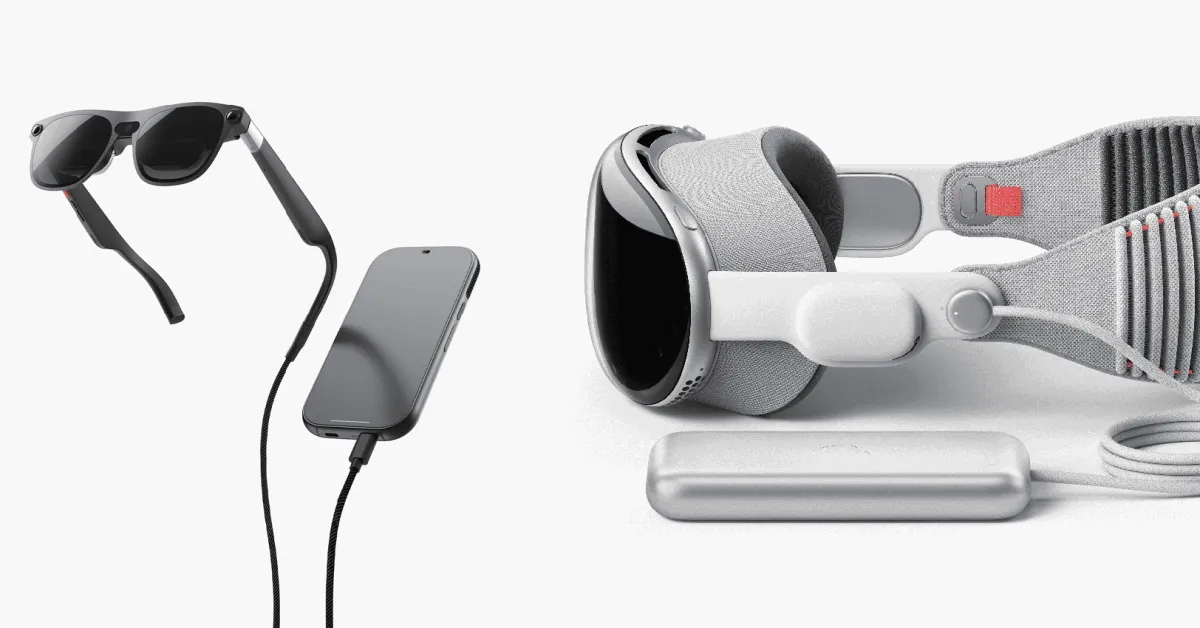
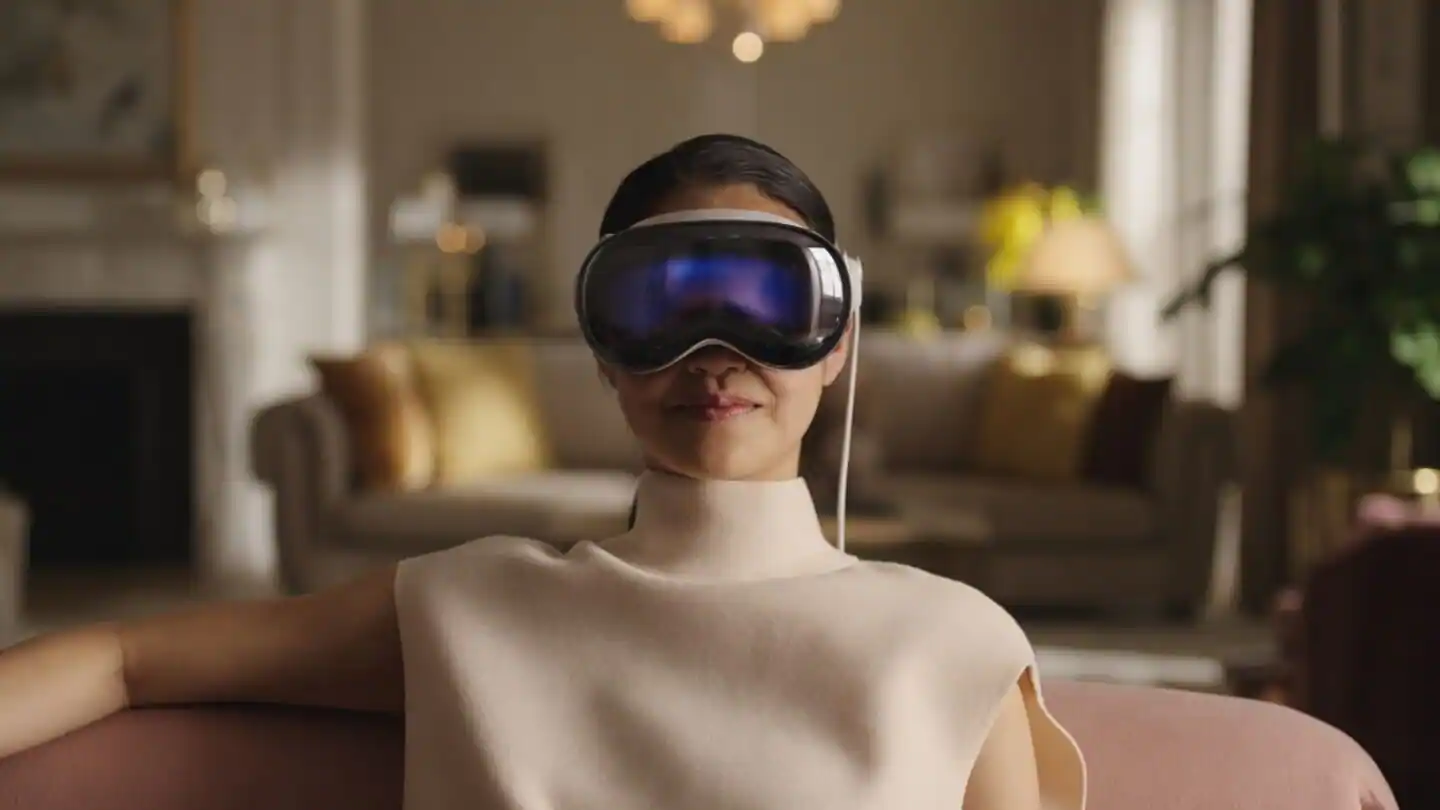
It used to be so simple: If you wanted a VR headset, you could go for something relatively affordable, or something a little pricier for higher fidelity and more processing power.Then Apple steamrolled in with its big ideas and started charging thousands of dollars for a new computing paradigm, and while the Apple Vision Pro never really took off with mass market appeal, it has opened the door ajar for further innovation that falls somewhere between it and something like Google Glass (remember that?).The latest model to step through that door is Xreal’s new Project Aura, and it’s doing a few things differently to its contemporaries (I’m not even sure we can describe them all as rivals). Here’s why the Android XR stands apart from some of its more traditional rivals.Aura Farming
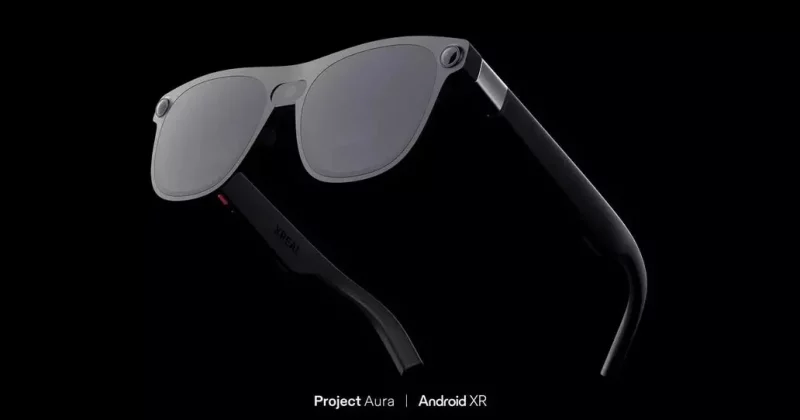
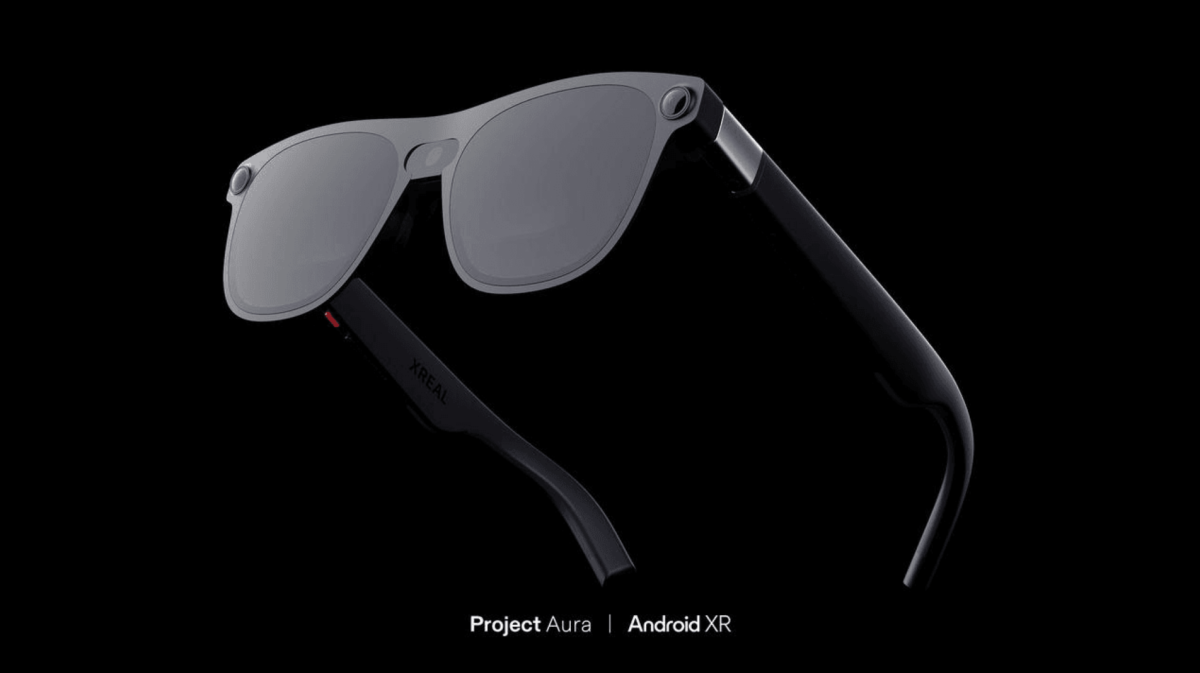
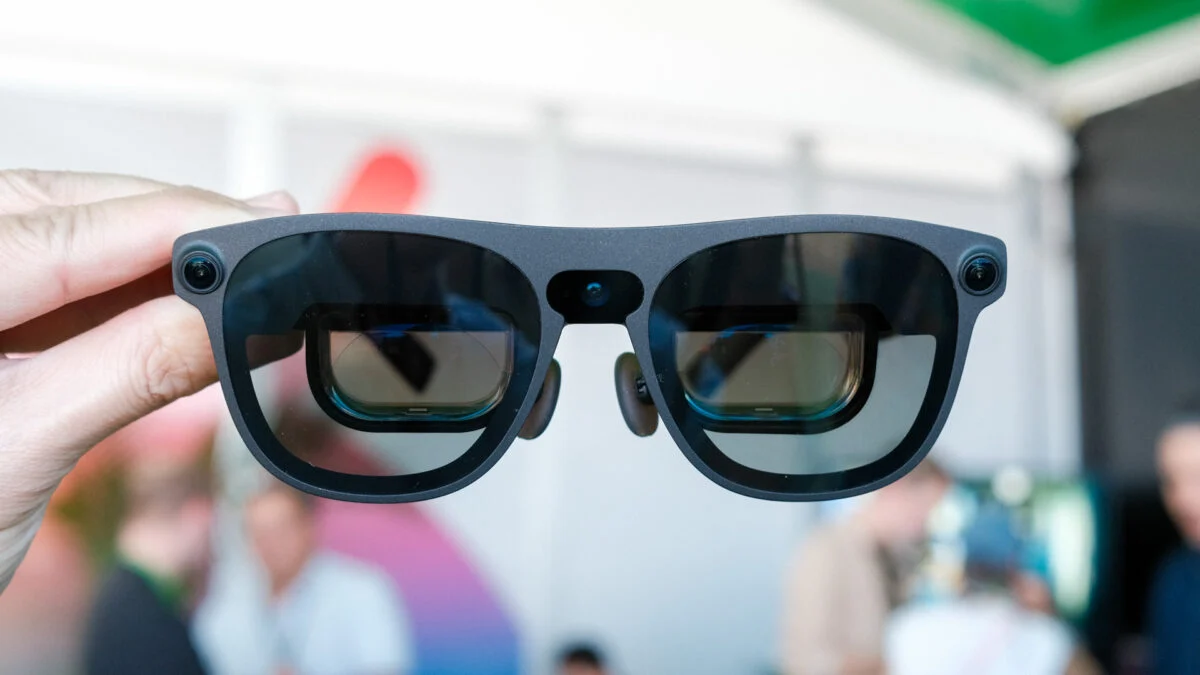
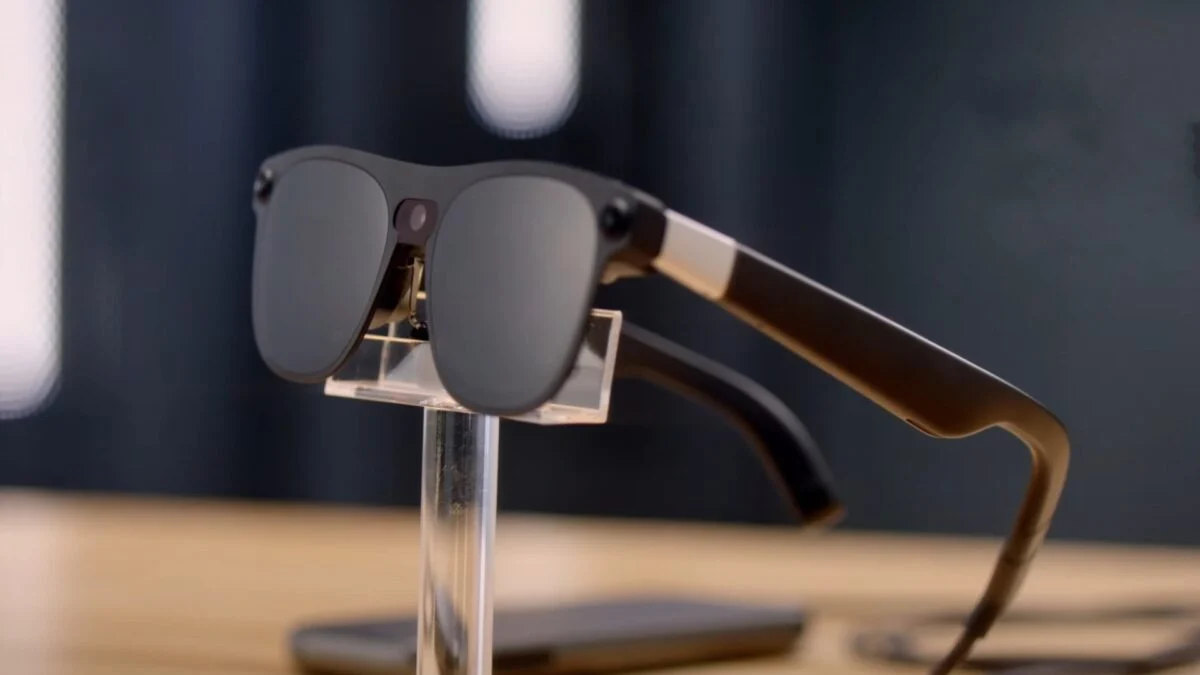
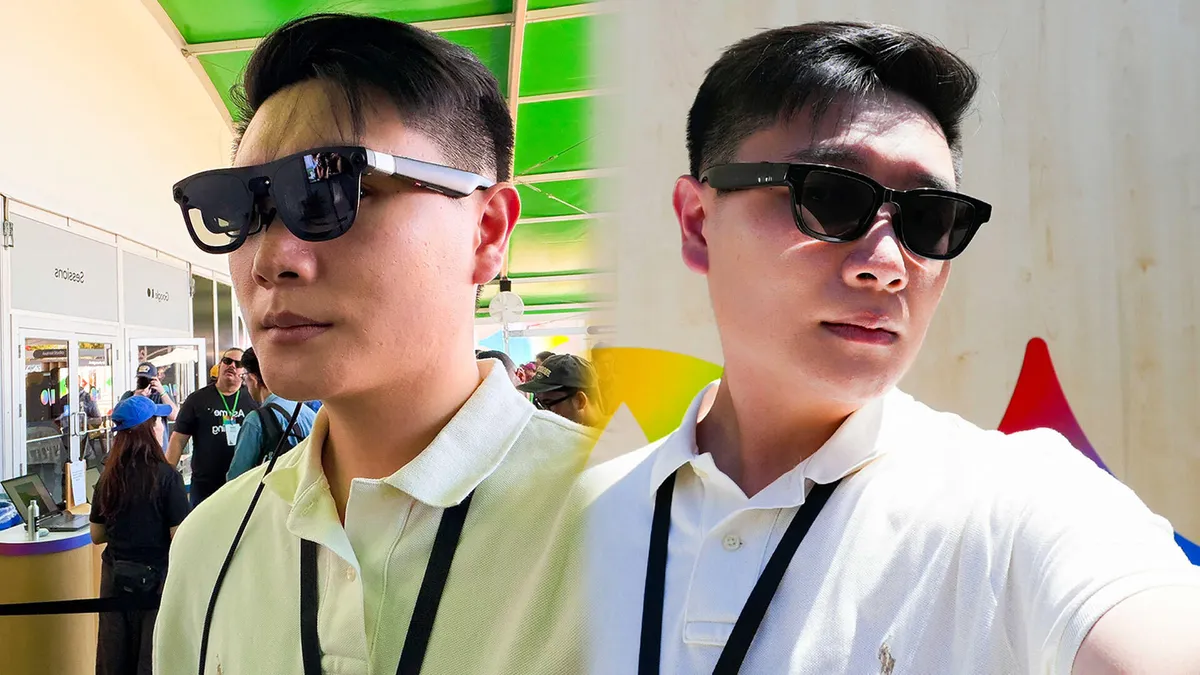
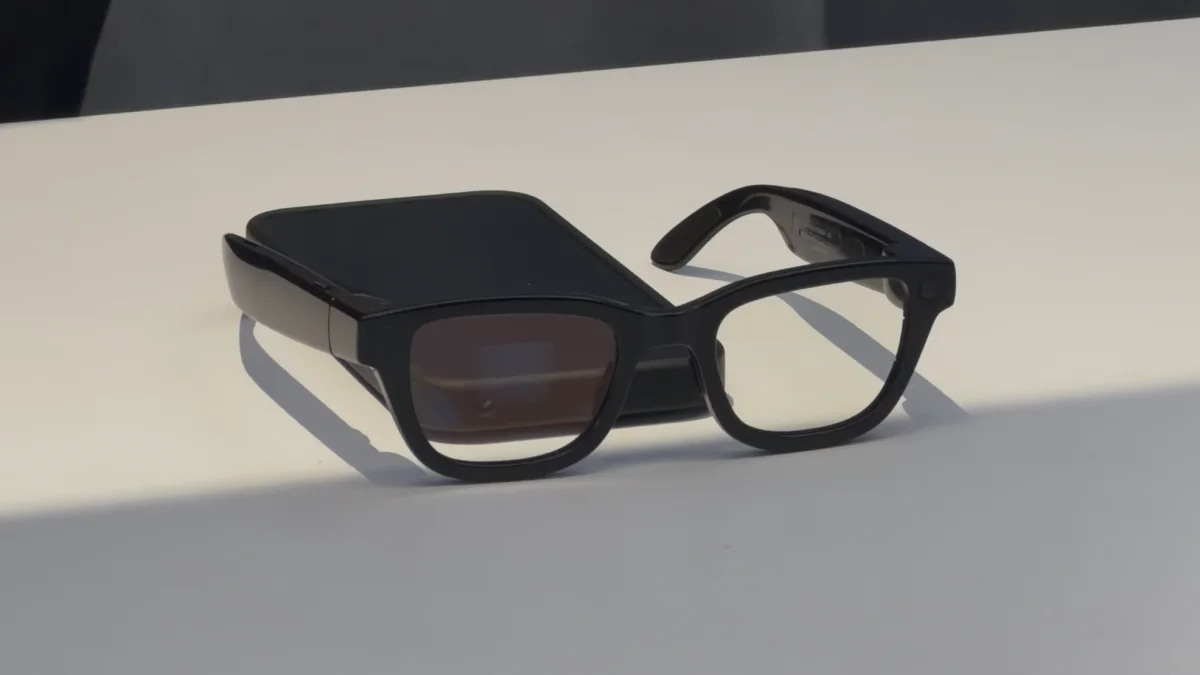
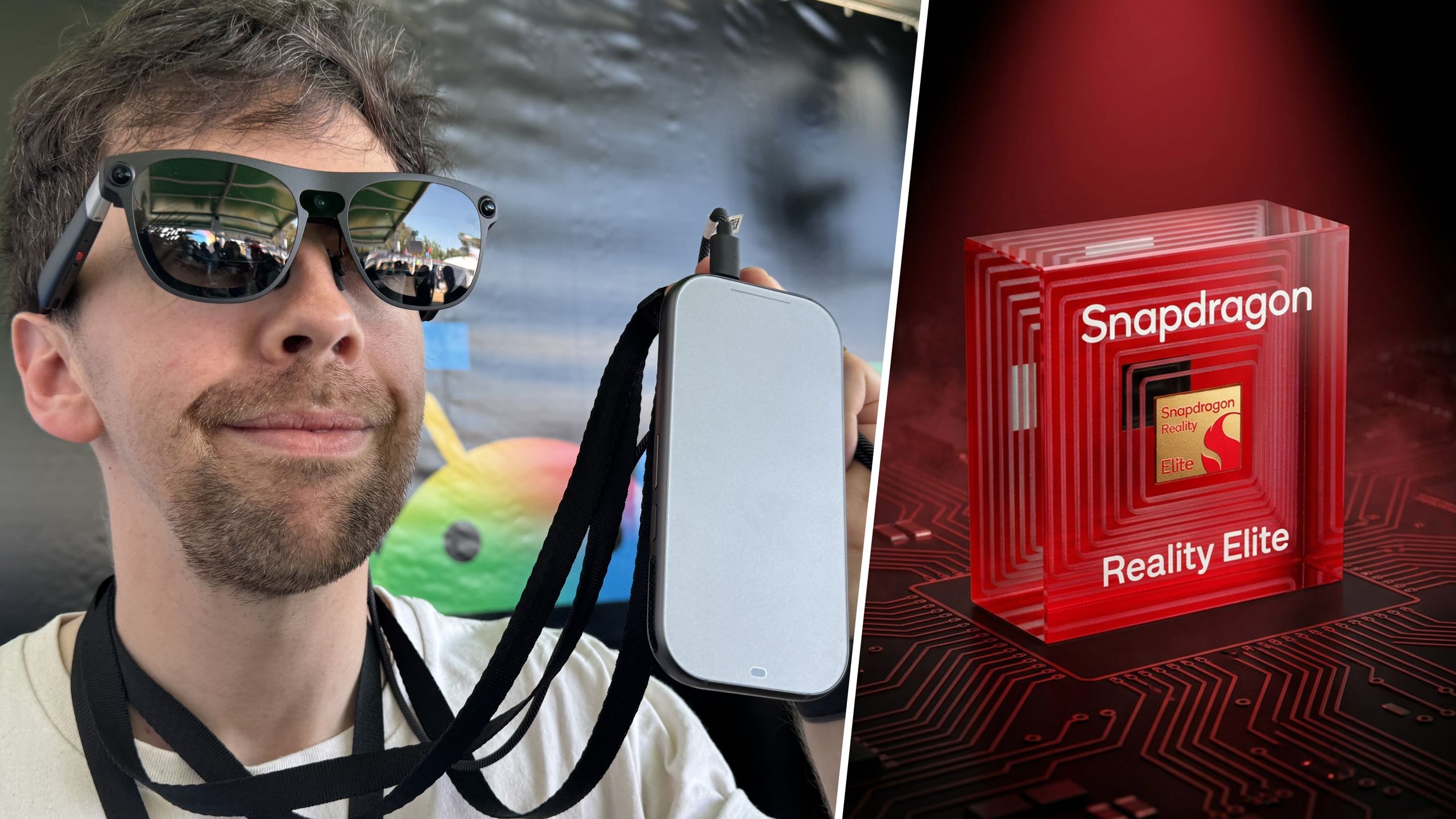
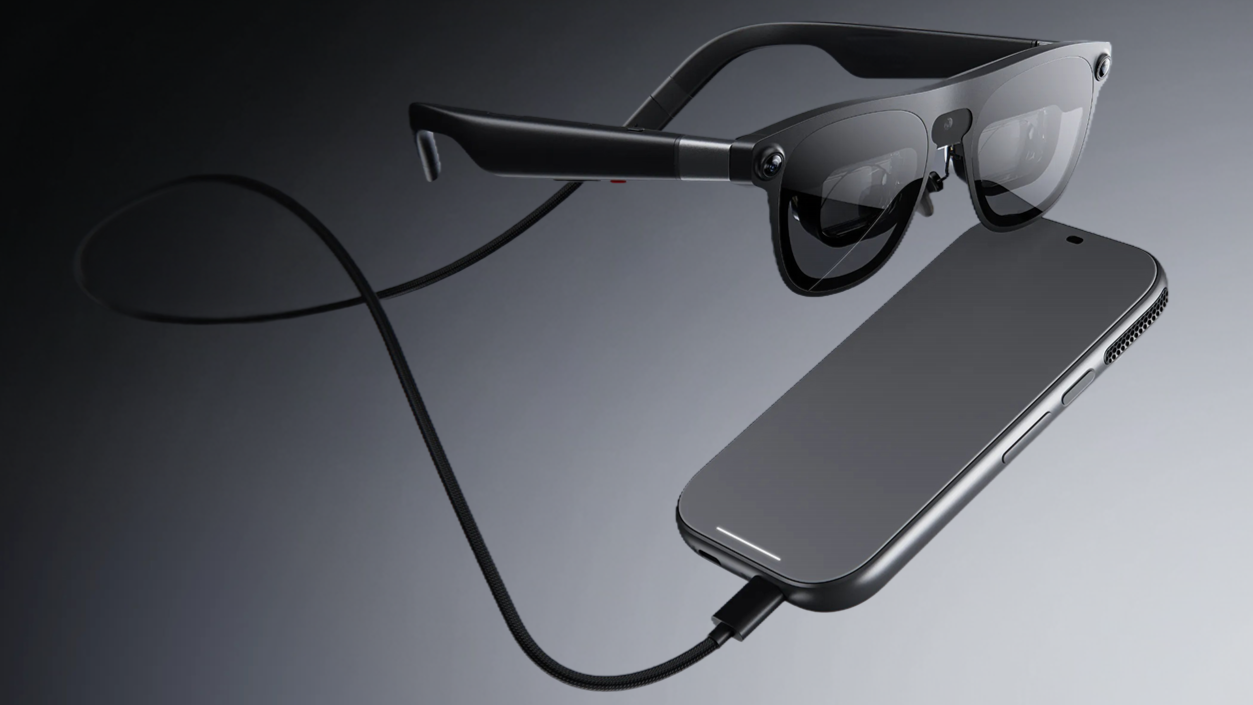
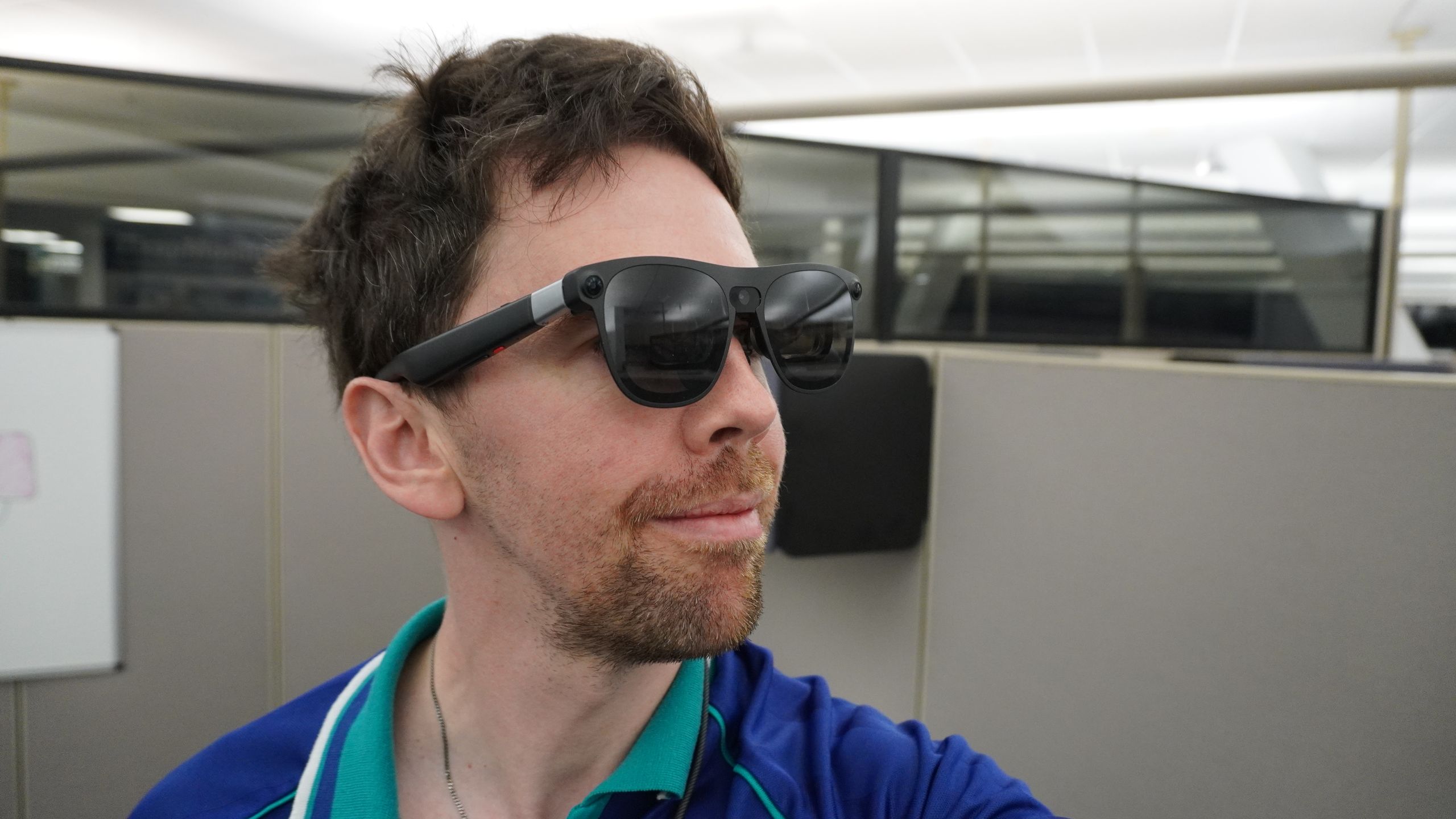
(Image credit: Future)This year's Google I/O showed off some audio-centric smart glasses that, in fairness, looked much more useful than many (this writer) might have expected them to be. Still, it was Project Aura, the long-gestating project from Xreal that really turned heads, literally.From the front, they’re big ol’ sunglasses that wouldn’t look out of place on a rack at just about any store, but look closer, and you’ll find there are a trio of cameras for photo and video capture, and popping them on reveals a very respectable (given the form factor) 70-degree FOV.It’s running Google’s Android XR, and connects to a sort of computing “puck” that looks about the same size as a phone. That’s where all the magic happens, meaning you can run apps like Google Chrome in the eyewear, while it also doubles as a trackpad, which is neat.Ahead of the pack?