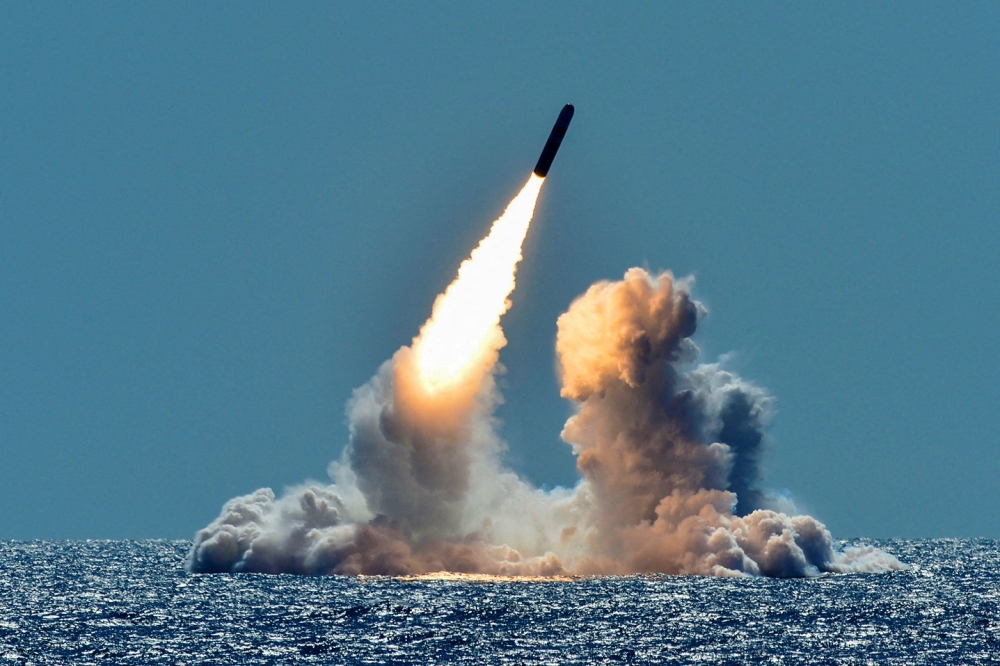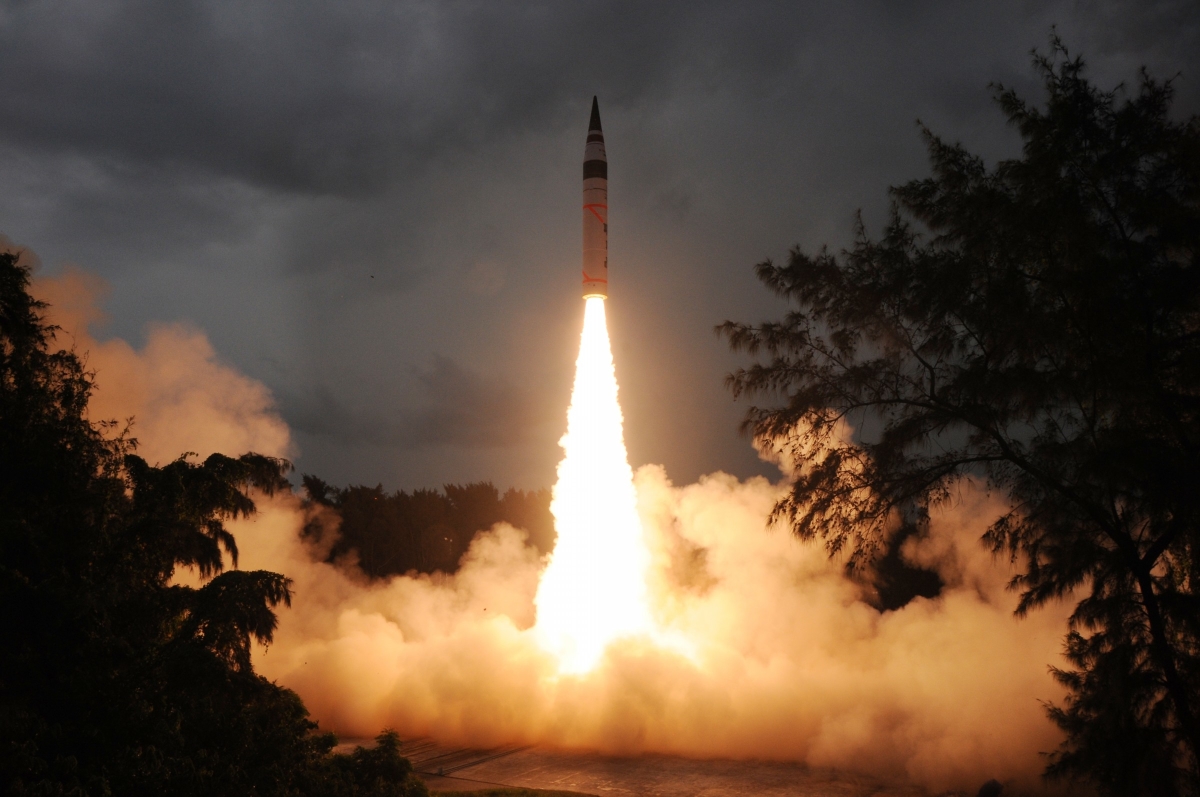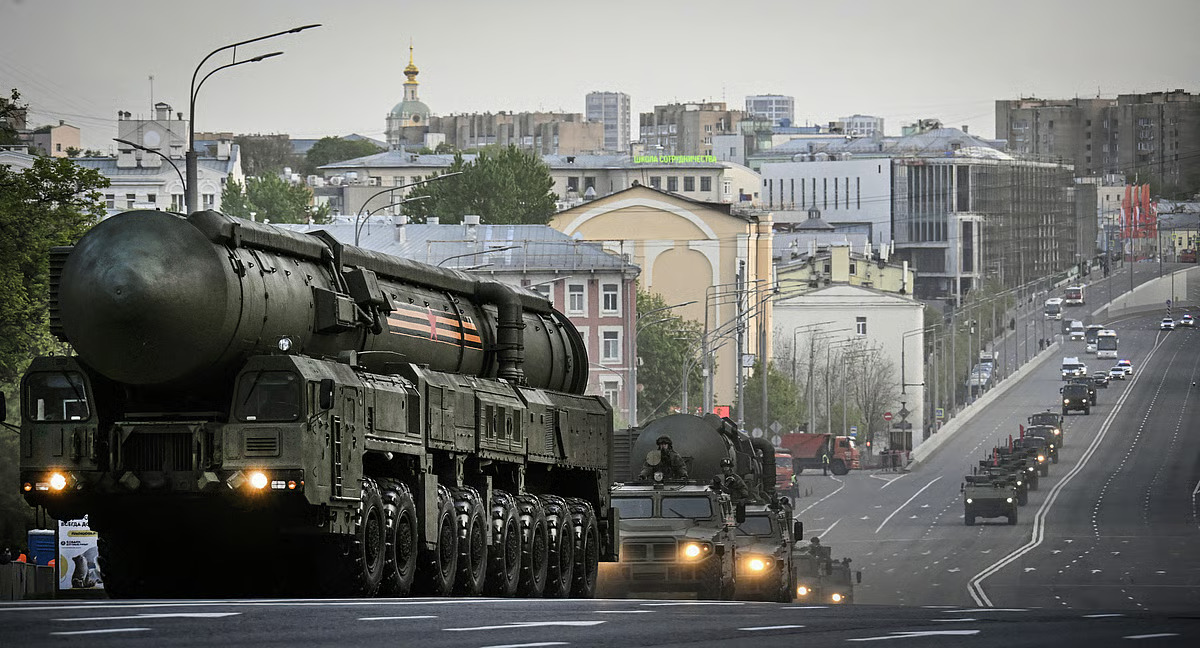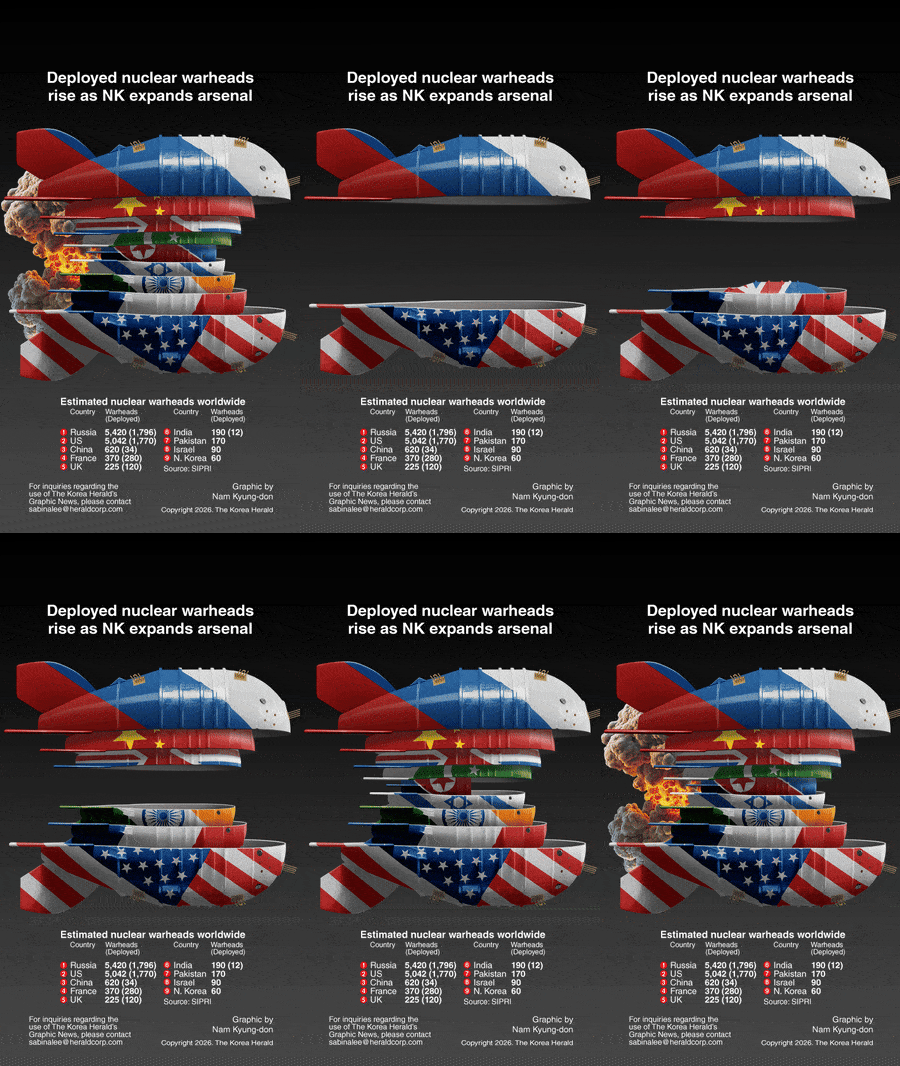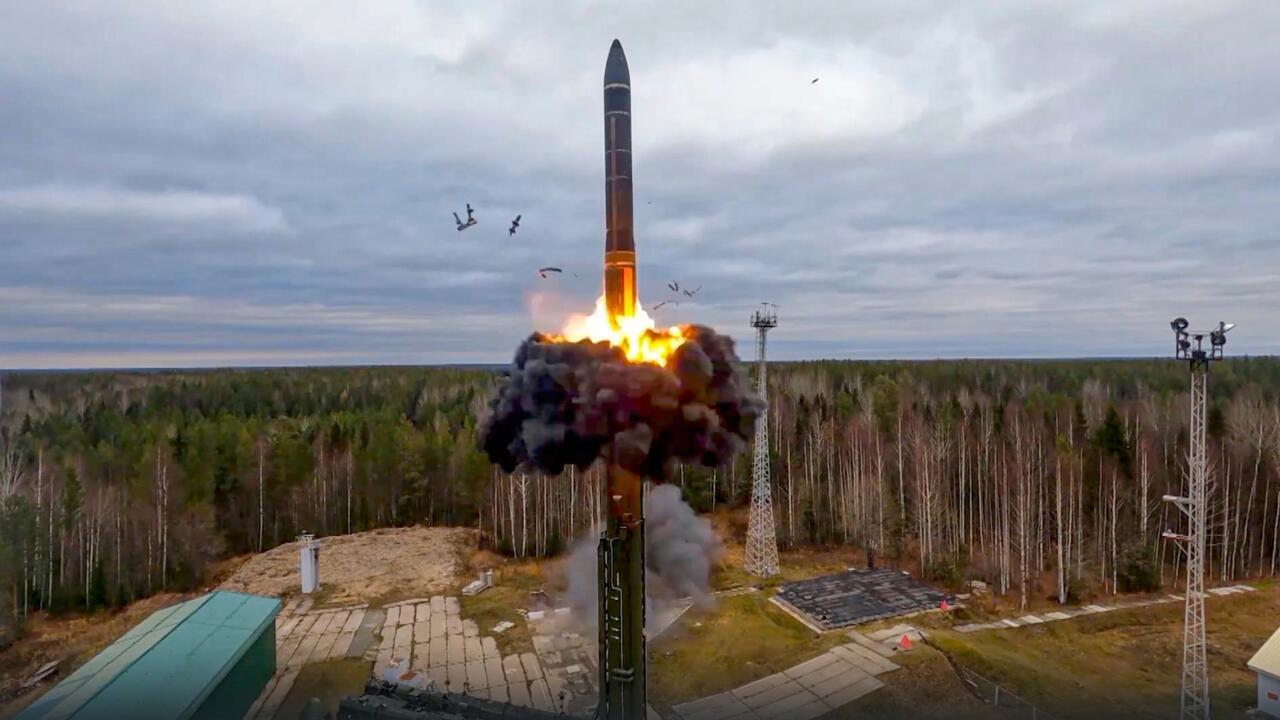
Researchers warned on Monday that nuclear-armed states were taking their arms out of storage and putting them on delivery systems, as the weapons of mass destruction are playing an increased role in global politics. The Stockholm International Peace Research Institute (SIPRI) said the world's nuclear powers had an estimated total of 12,187 warheads, with about 9,745 of them in stockpiles for potential use. That was a marginal decrease compared with the year before, as since the end of the Cold War old warheads have generally been dismantled more quickly than new ones have been deployed, resulting in a decrease in the overall number. "The more worrying news is that even though we have lower numbers of nuclear weapons, the level of nuclear dangers and nuclear risks are rising," SIPRI director Karim Haggag told AFP.
To display this content from YouTube, you must enable advertisement tracking and audience measurement.
One of your browser extensions seems to be blocking the video player from loading. To watch this content, you may need to disable it on this site.
© France 24
SIPRI also predicts that the trend of declining nuclear arms stockpiles is likely to be reversed in the coming years "as the pace of dismantlement is slowing, while the deployment of new nuclear weapons is accelerating", it said in a statement. Haggag also listed several worrying signs, such as a breakdown in strategic arms control, such as international agreements, and competition between great powers with nuclear arms. Out of storage Another worrying trend is one "whereby states that have nuclear weapons are taking them out of storage and deploying them on nuclear-capable delivery systems. And so we see more deployed nuclear weapons", Haggag said. The United States and Russia together hold around 83 per cent of the world's stockpile of nuclear arms, with more than 5,000 warheads each. Both countries have programmes to modernise their arsenals but both have also run into challenges.