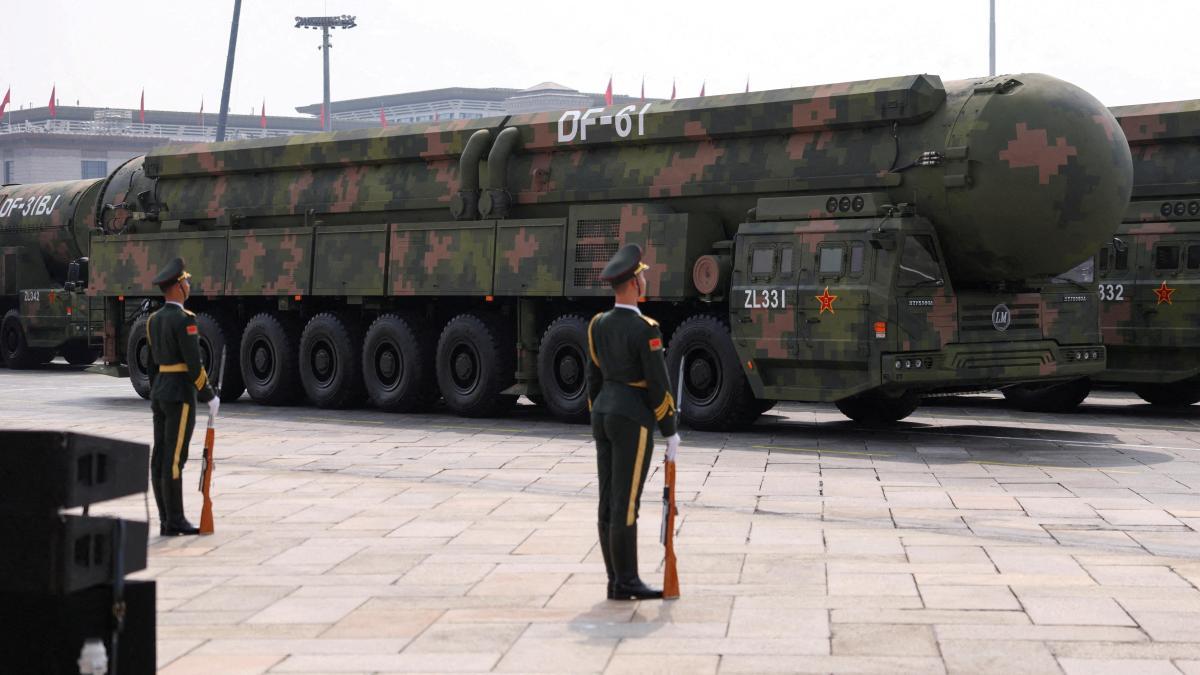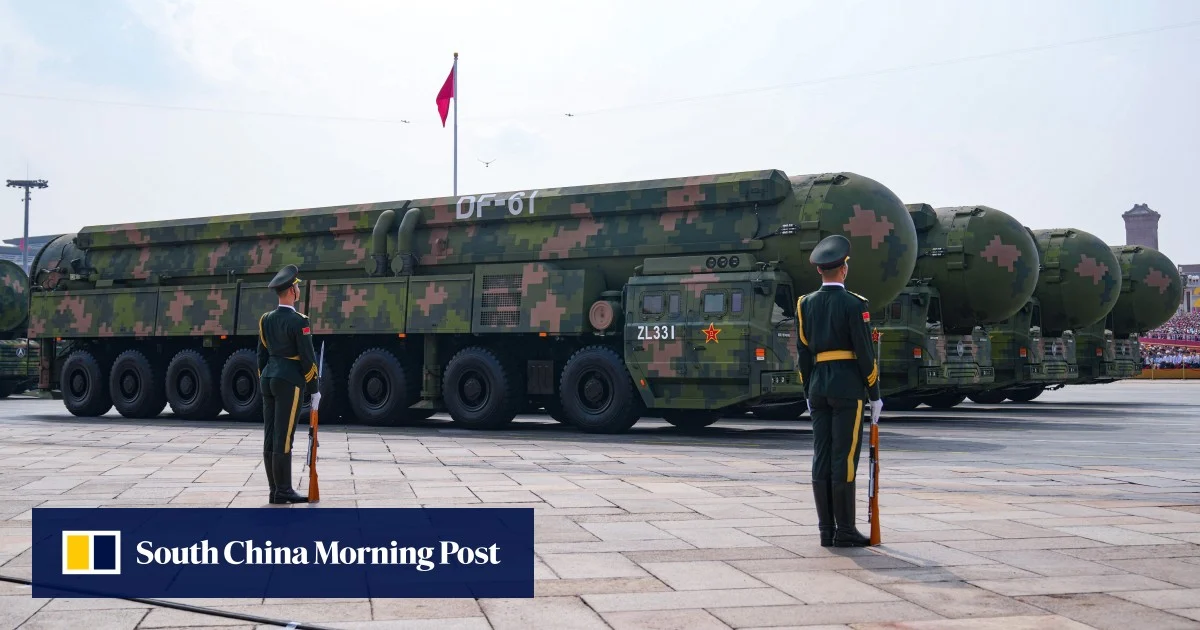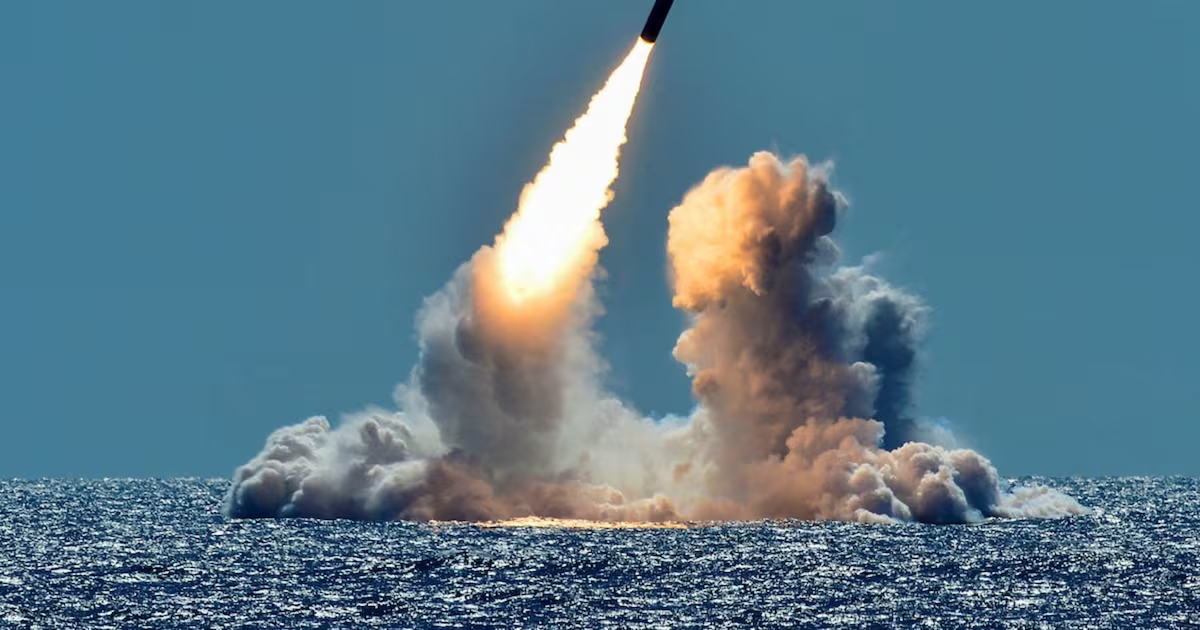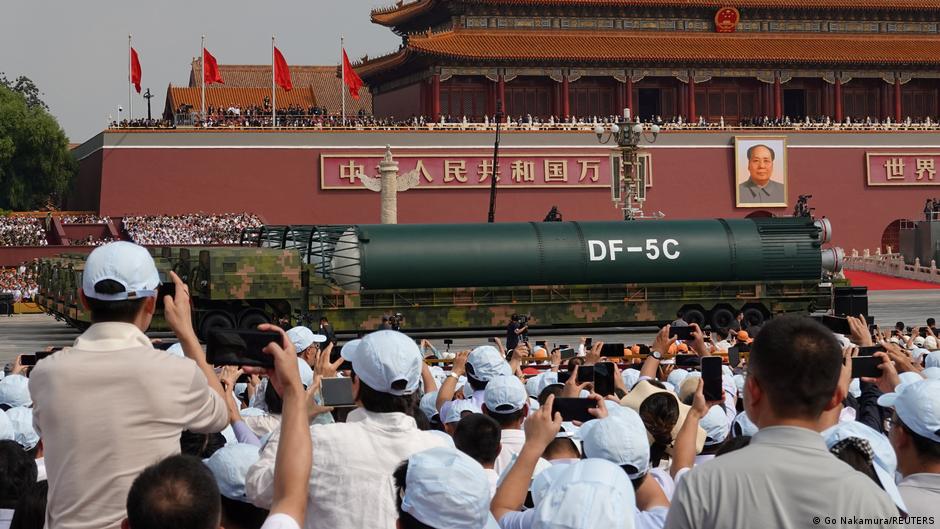
Many countries are ramping up their military capabilities — and nuclear weapons are back on the agenda.
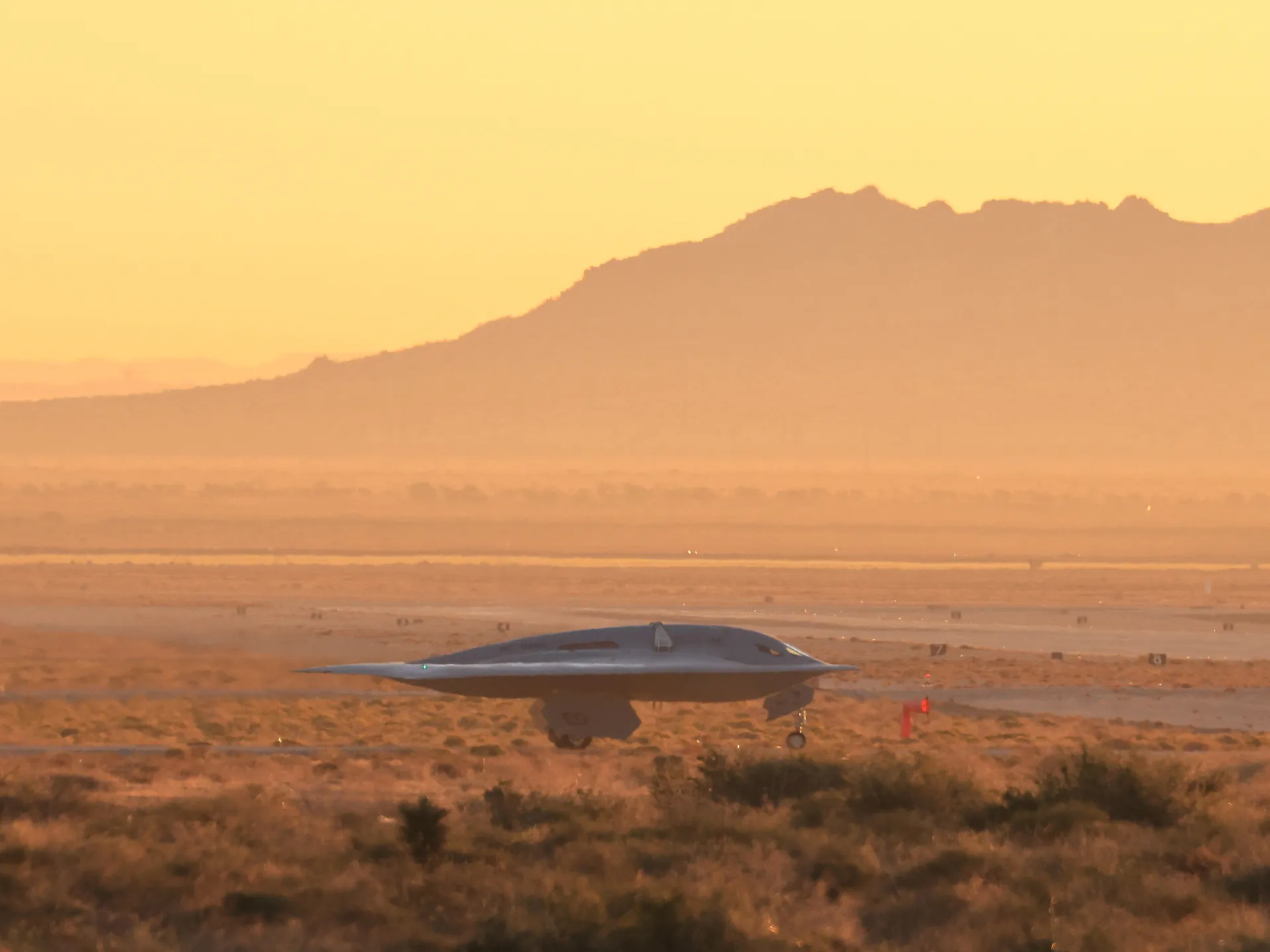
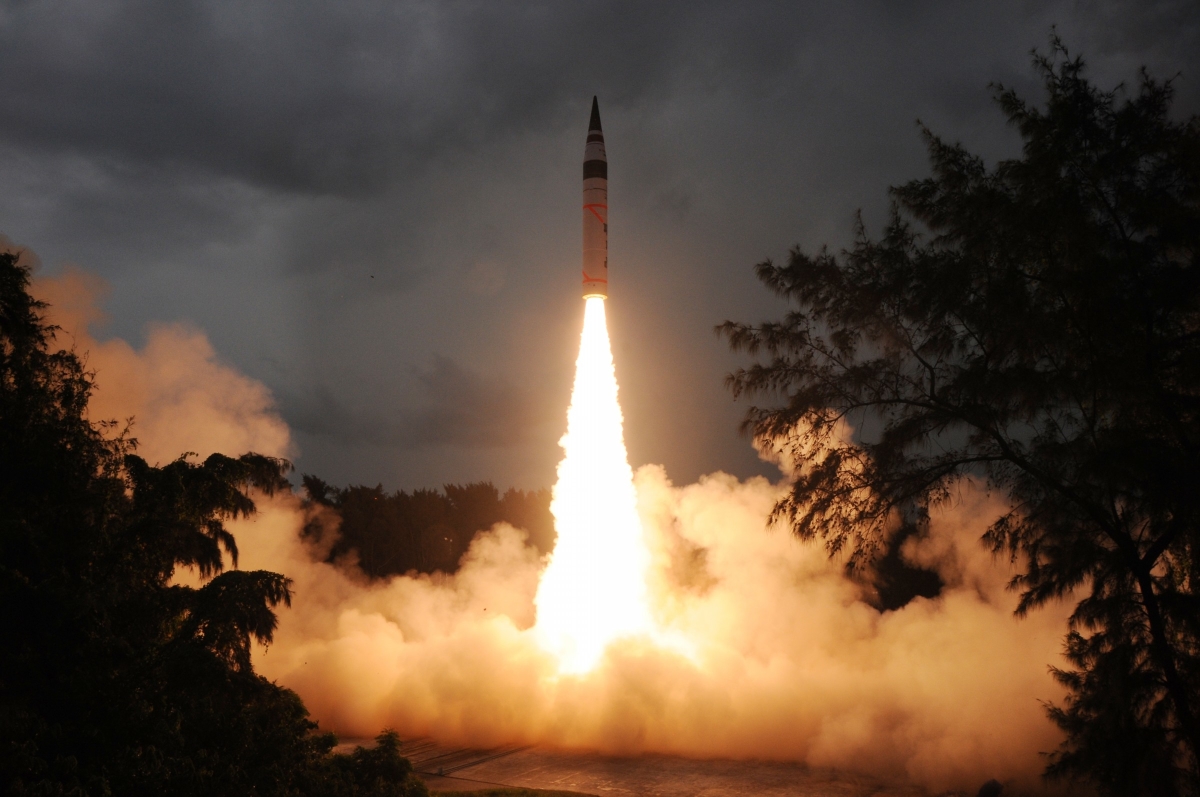
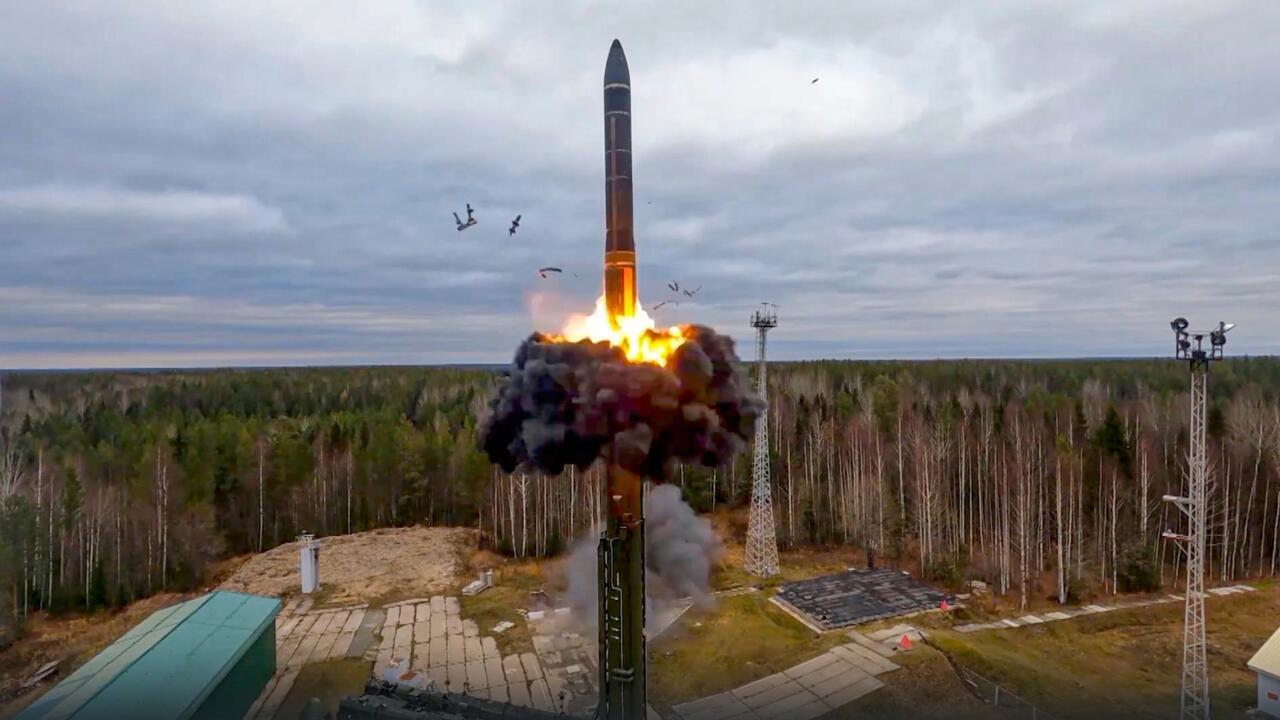
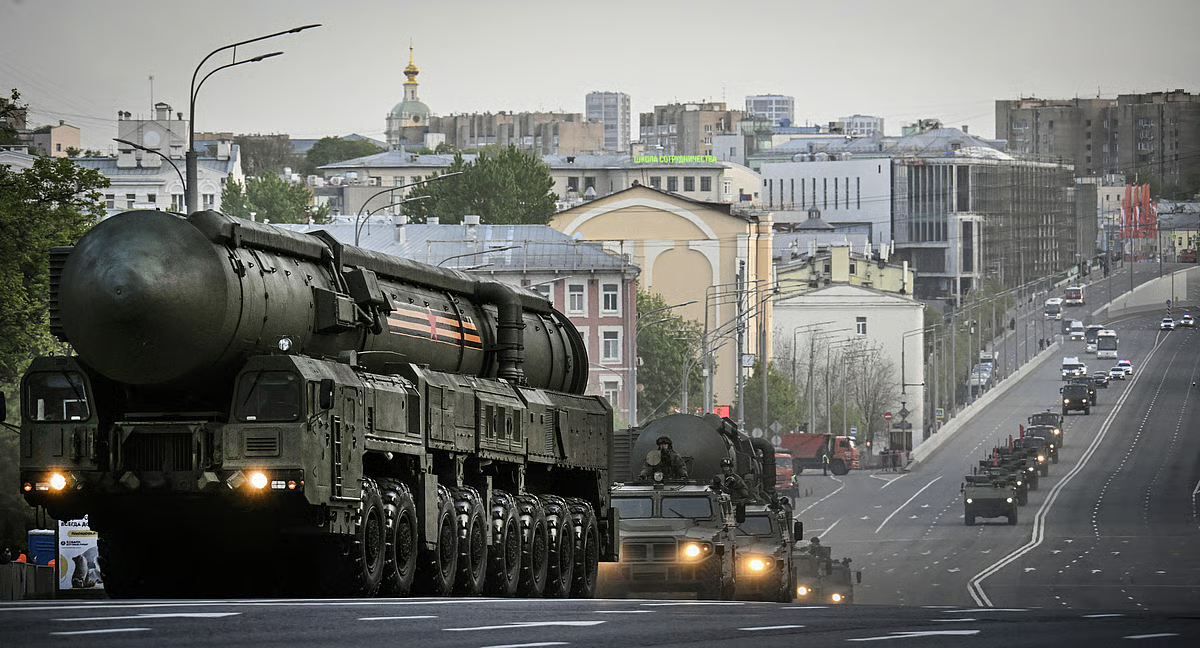
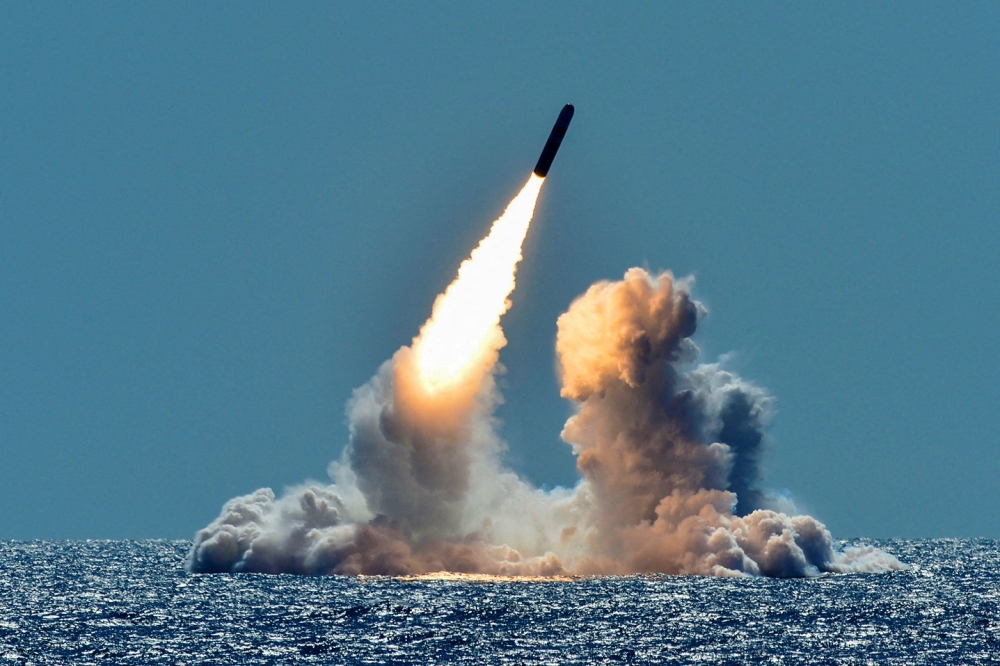
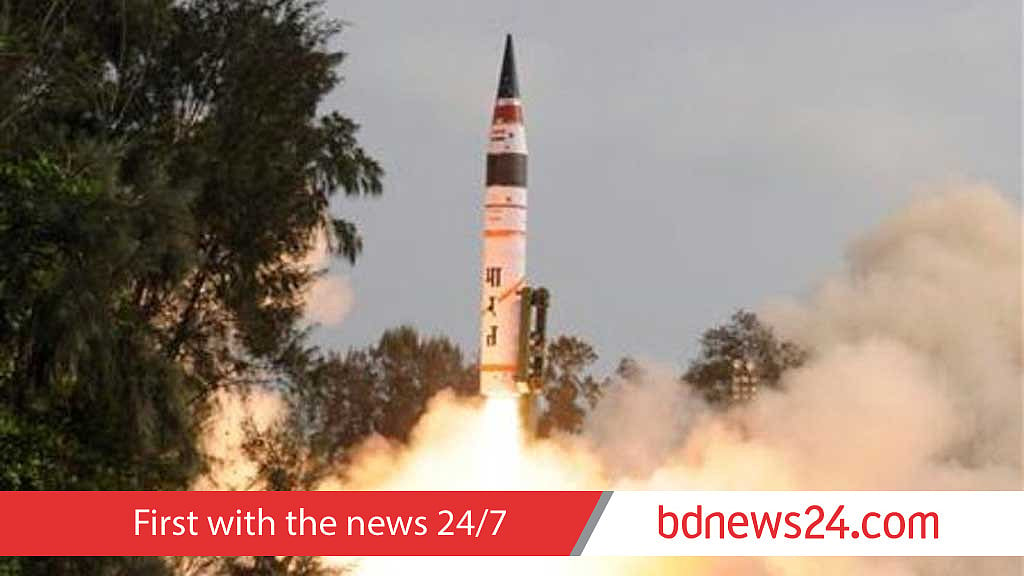
According to the Stockholm International Peace Research Institute (SIPRI), all nine nuclear-armed countries modernized and expanded their arsenals in 2025. In addition to new nuclear weapons, additional delivery systems have been introduced that can be equipped with both conventional and nuclear warheads. These include missiles or cruise missiles.
For the 2026 annual report, the SIPRI researchers identify a general trend: More governments are once again banking on nuclear weapons for national defense. Tytti Erasto, a scientist with SIPRI’s Weapons of Mass Destruction program, told DW that Finland and Sweden are examples of countries where nuclear policy has changed drastically since Russia’s invasion of Ukraine in 2022 and after their accession to NATO.
"Historically known as nonaligned supporters of nuclear disarmament, these states are now actively involved in NATO nuclear policy, for example by taking part in exercises simulating nuclear weapon use," Erasto said.
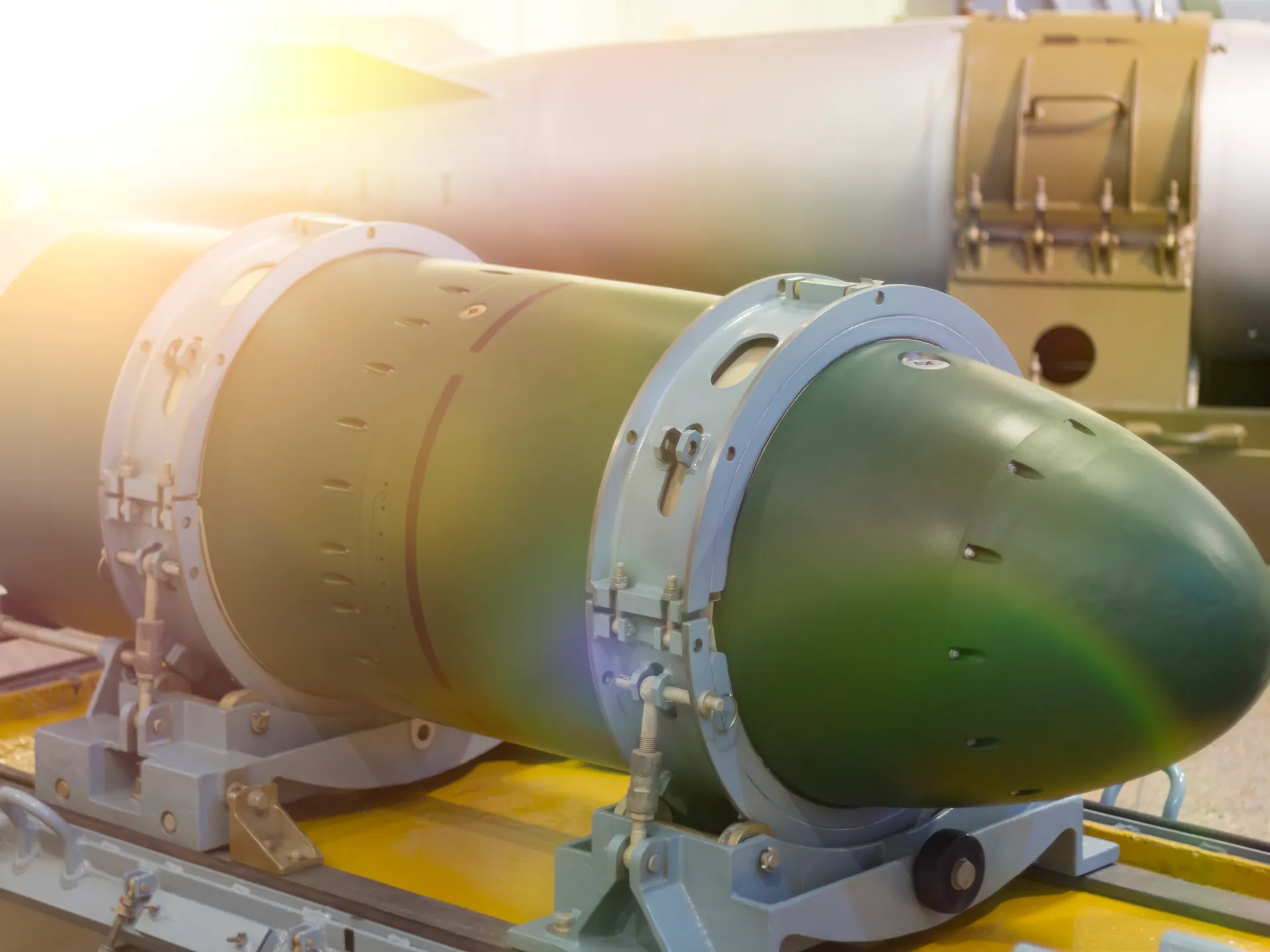
According to SIPRI, there were nearly 12,200 nuclear weapons worldwide in 2025. Though this is a slight decrease compared with 2024, it is not an indicator of disarmament. At present, more outdated warheads are being retired than new ones are being added.