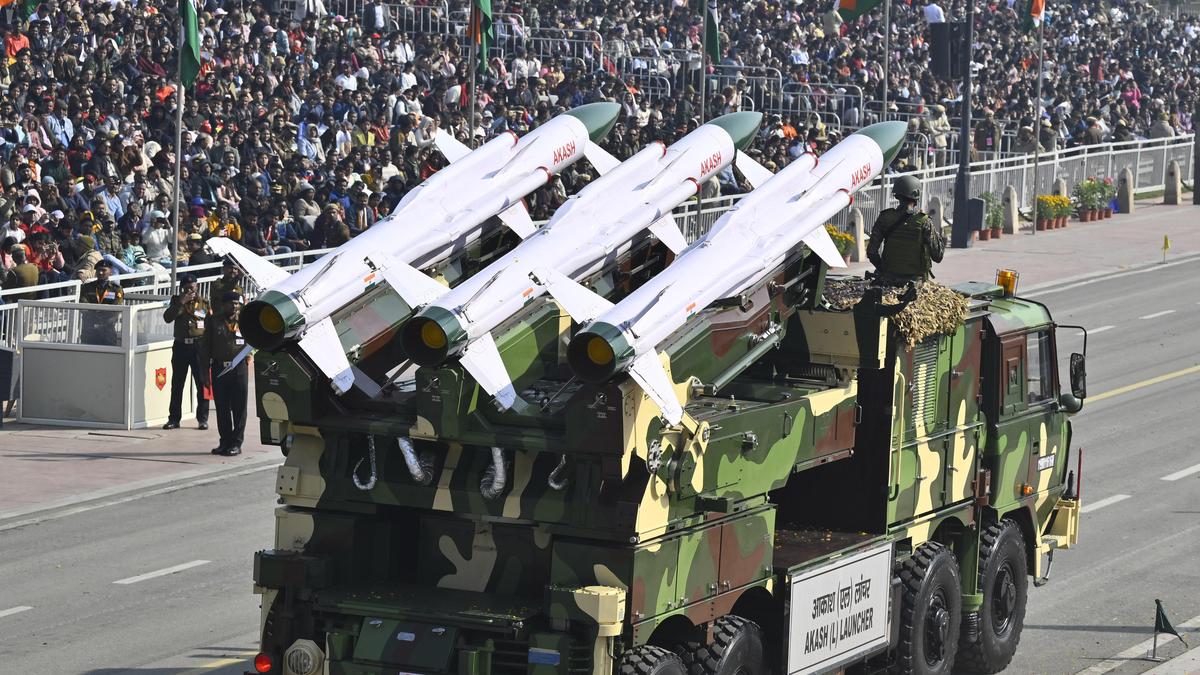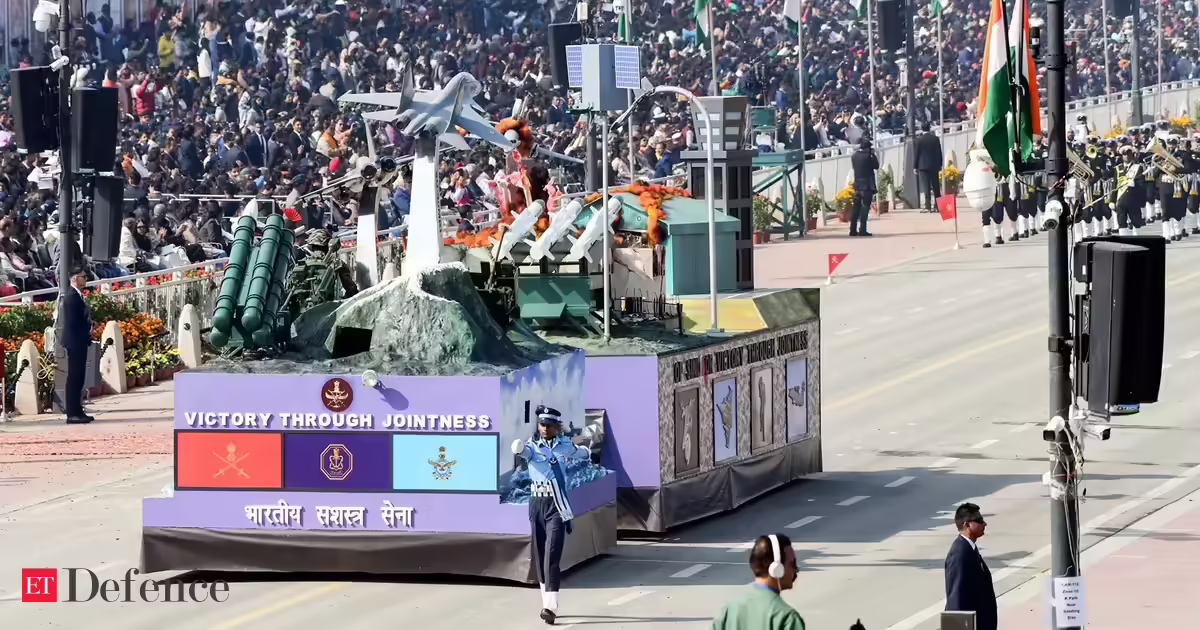
India has maintained its dual status as a global defence heavyweight, retaining its position as the world’s fifth-largest military spender and second-largest arms importer between 2021 and 2025
| Photo Credit:
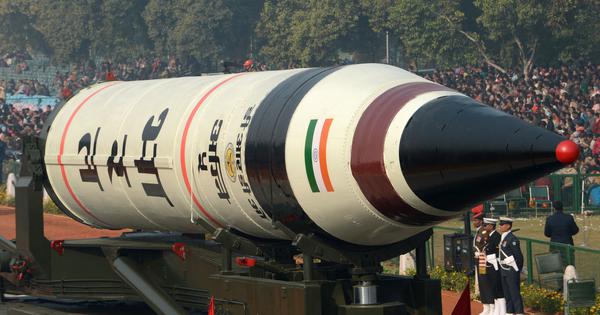
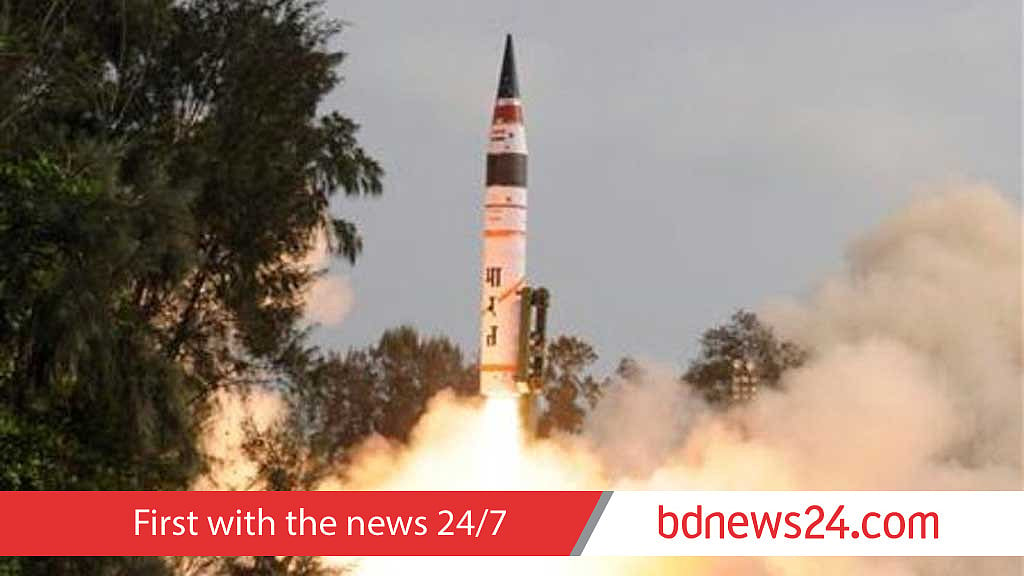
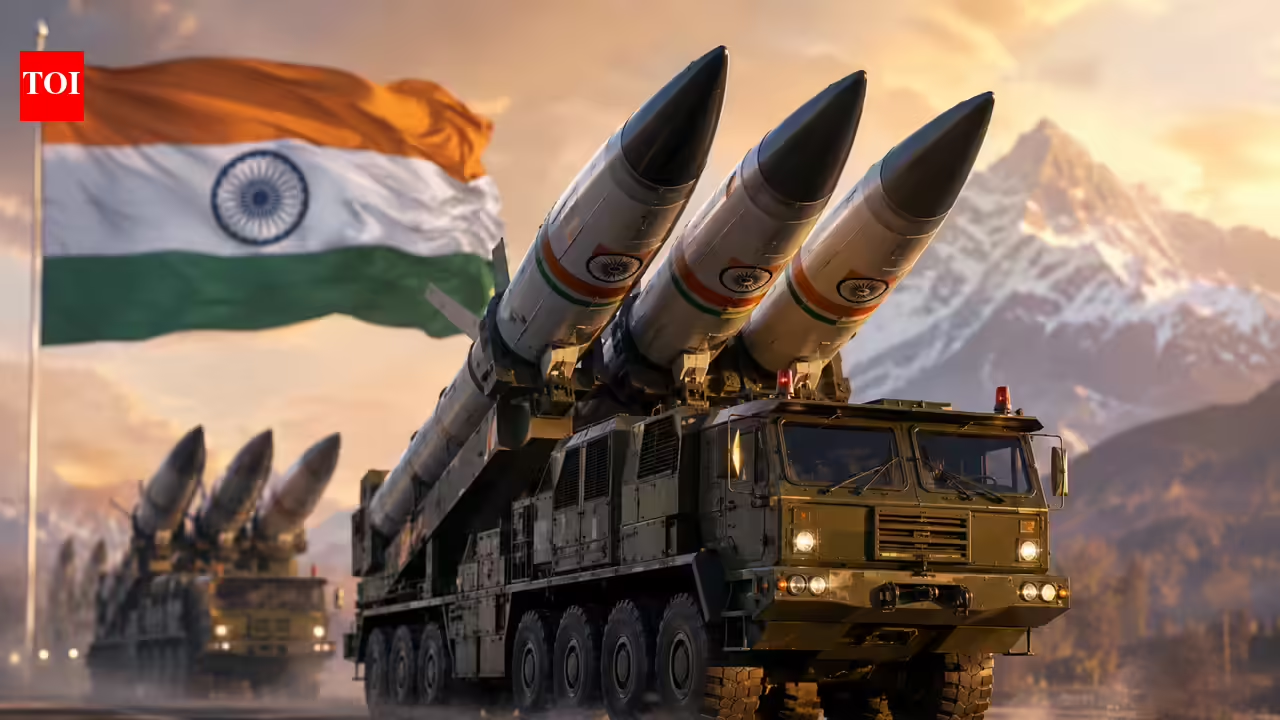
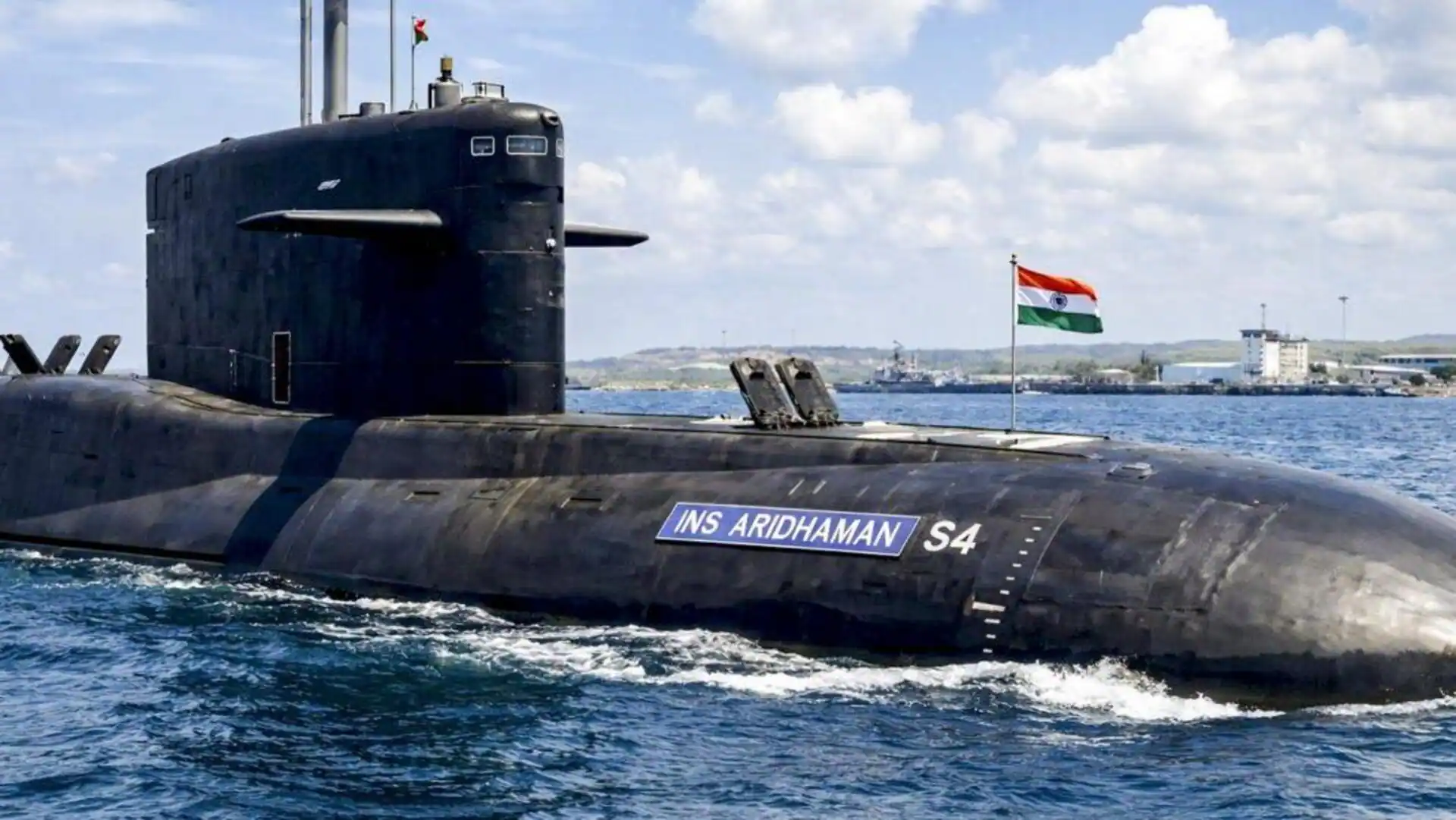
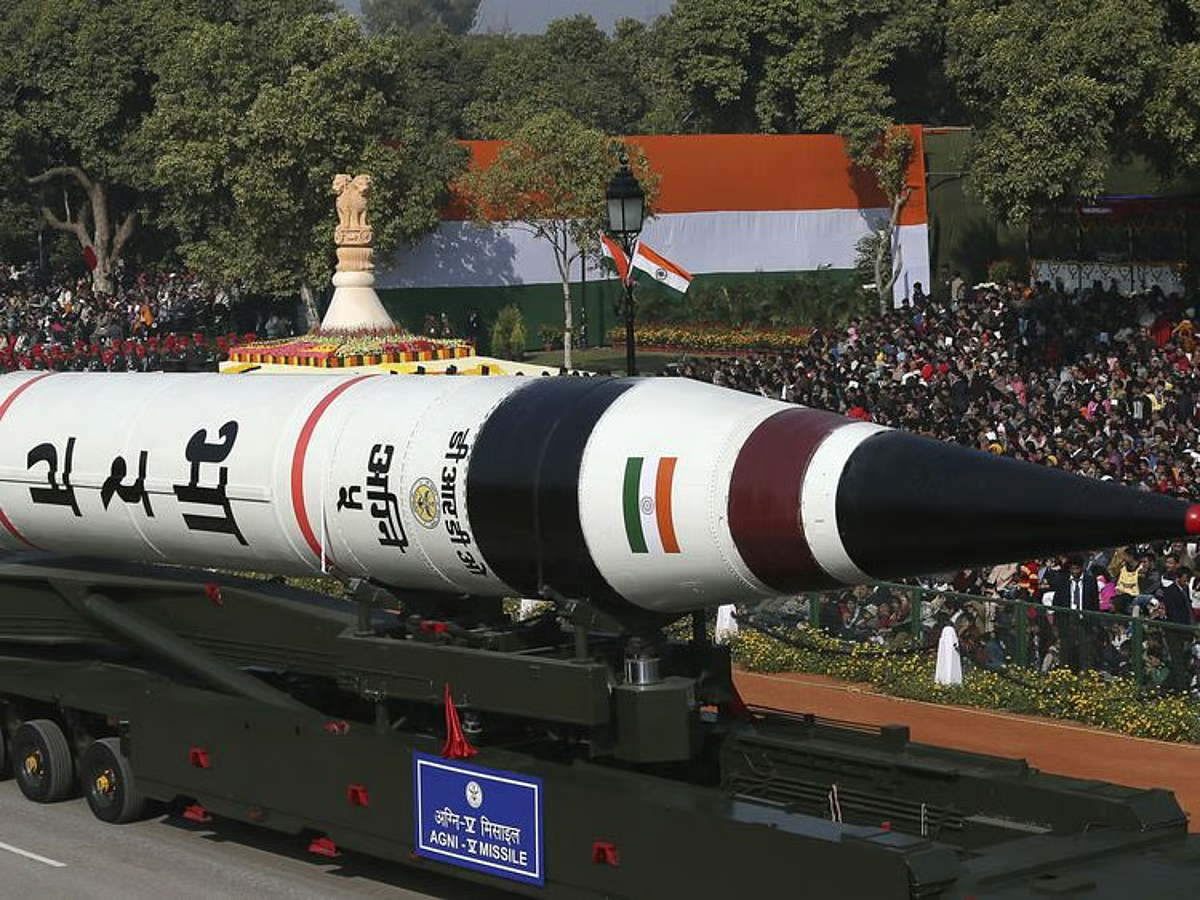
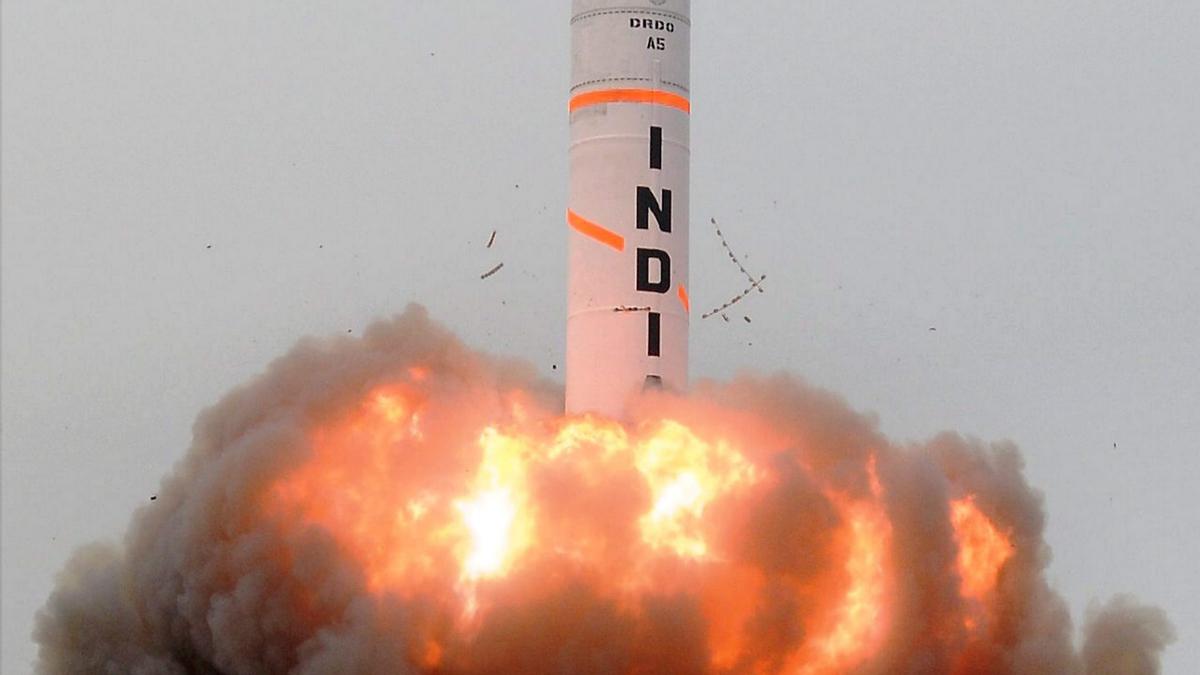
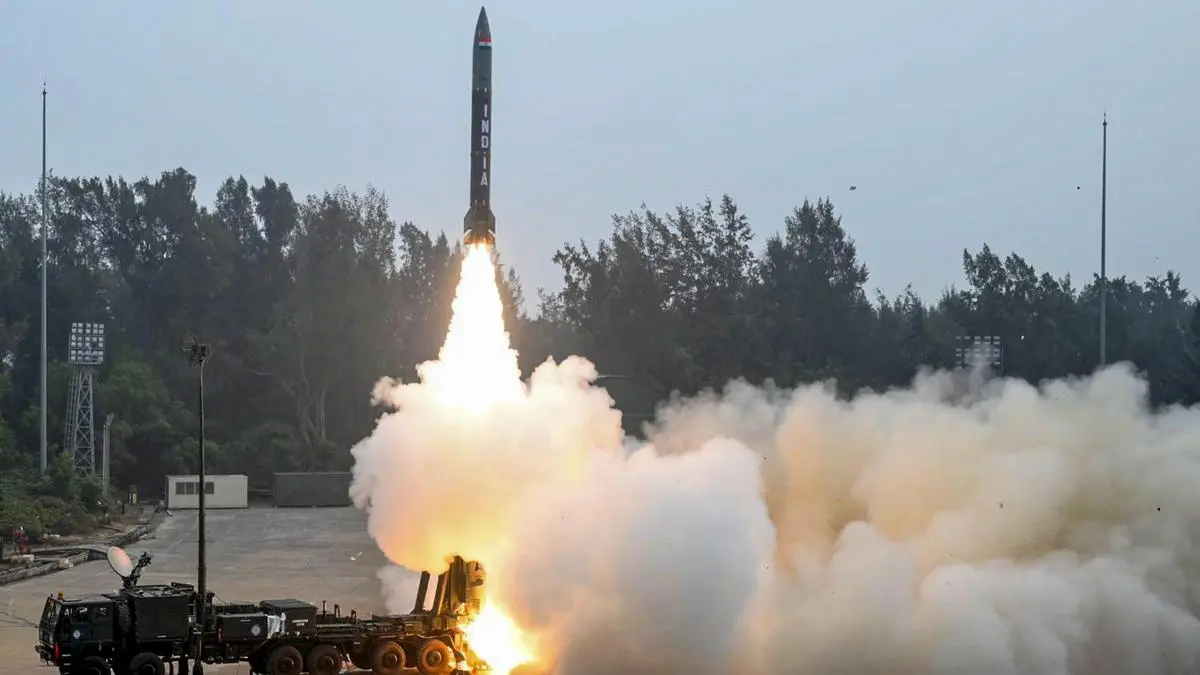
India is estimated to have slightly expanded its nuclear warhead to 190 in 2025 while continuing to develop next-generation nuclear delivery systems, the Stockholm International Peace Research Institute (SIPRI) said in its latest report released on Monday.However, the SIPRI Yearbook 2026 showed a likely worrying trend of China expanding its nuclear arsenal faster than any other country. The researchers believe that China has 620 warheads and may have as many intercontinental ballistic missiles (ICBMs) as the US and Russia by 2030. It also said that Pakistan’s nuclear warhead number remained stable at 170 last year but the country continued to accumulate fissile material, “suggesting that its nuclear arsenal might expand over the coming decade”.The institute has cautioned that nuclear-armed states were pulling their arms out of storage and integrating them on delivery systems, as the weapons of mass destruction are being leveraged in global politics.The world’s nine nuclear-armed states, including India, are aggressively pivoting back to atomic deterrence.Overall, the world’s nuclear powers had an estimated total of 12,187 warheads, with about 9,745 of them in stockpiles for potential use.The modernisation programme, as per the latest report, of India “is increasingly focused on developing long-range weapons capable of reaching targets throughout China, although planning also continues to be focused on India’s long-standing rivalry with Pakistan.”Operation SindoorThe report of Stockholm-based think tank draws attention to the May 2025 stand-off between India and Pakistan, describing Operation Sindoor as “an unusually severe military crisis” between the two nuclear neighbours.The institute’s report also confirms India struck Pakistani air and missile bases during Operation Sindoor “that are likely to have nuclear-related roles.” But, “both sides took steps to avoid escalation,” it stated.According to the report, for the ‘first time’ India and Pakistan indulged in cyber operations during the conflict, demonstrating the changing nature of deterrence and warfare between the two rivals.India has maintained its dual status as a global defence heavyweight, retaining its position as the world’s fifth-largest military spender and second-largest arms importer between 2021 and 2025, according to the latest yearbook.New Delhi’s defence budget surged to $92.1 billion in 2025 — an 8.9 per cent increase from the previous year — trailing only the US, China, Russia and Germany, the report observed. This spending spike shows India’s big ticket acquisitions plan. Of the 162 nations importing major weaponry, a mere five — Ukraine, India, Saudi Arabia, Qatar, and Pakistan — account for 35 per cent of the global total. India alone accounted for 8.2 per cent of all global arms imports, the report said.Published on June 8, 2026