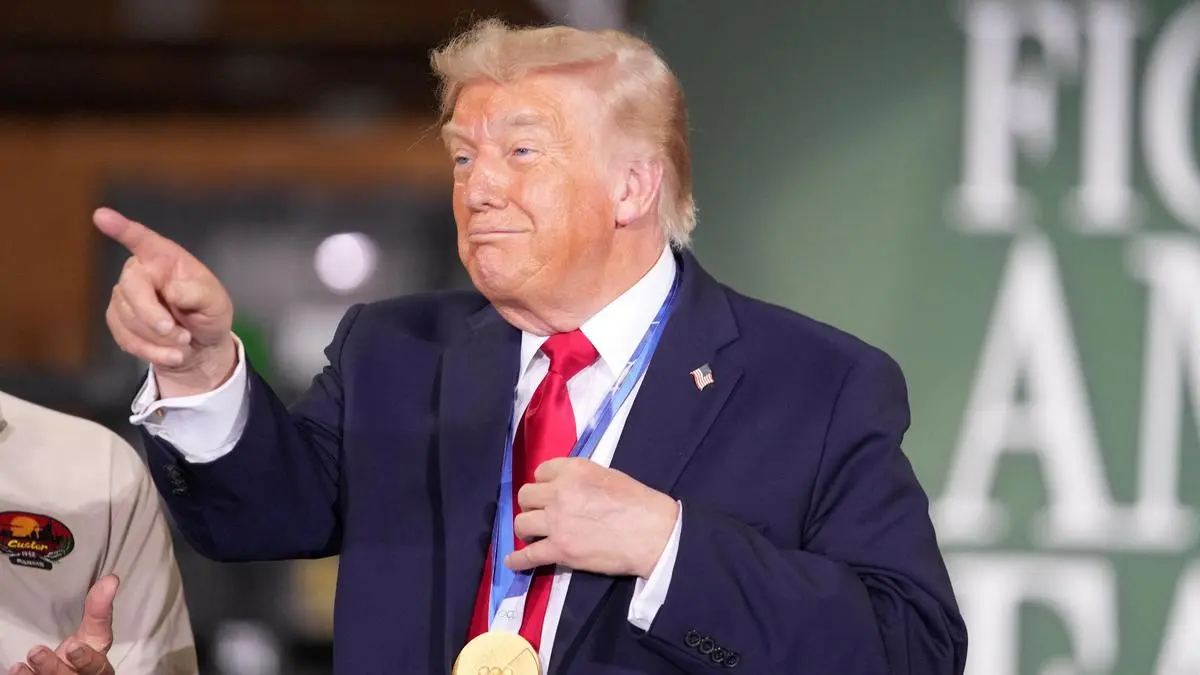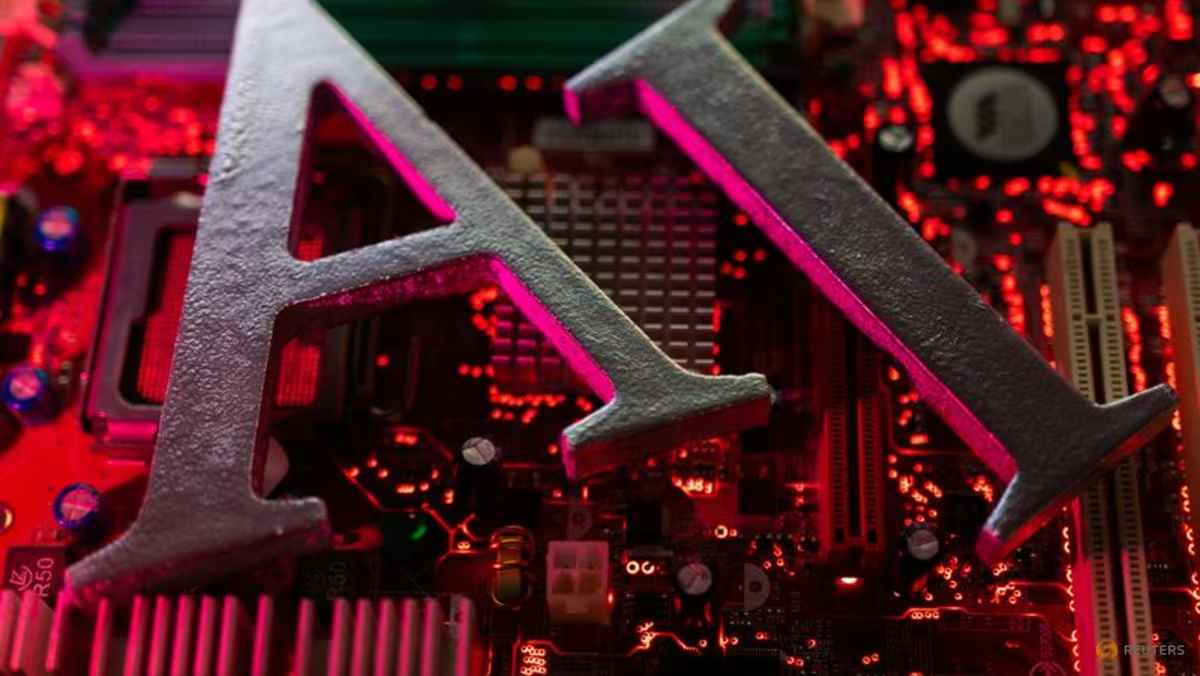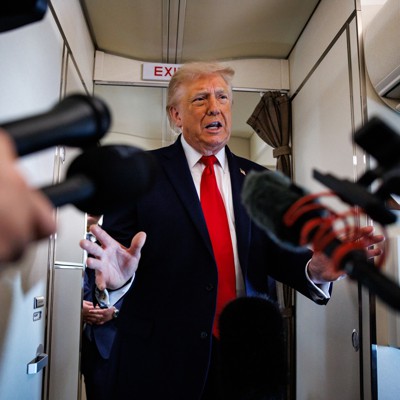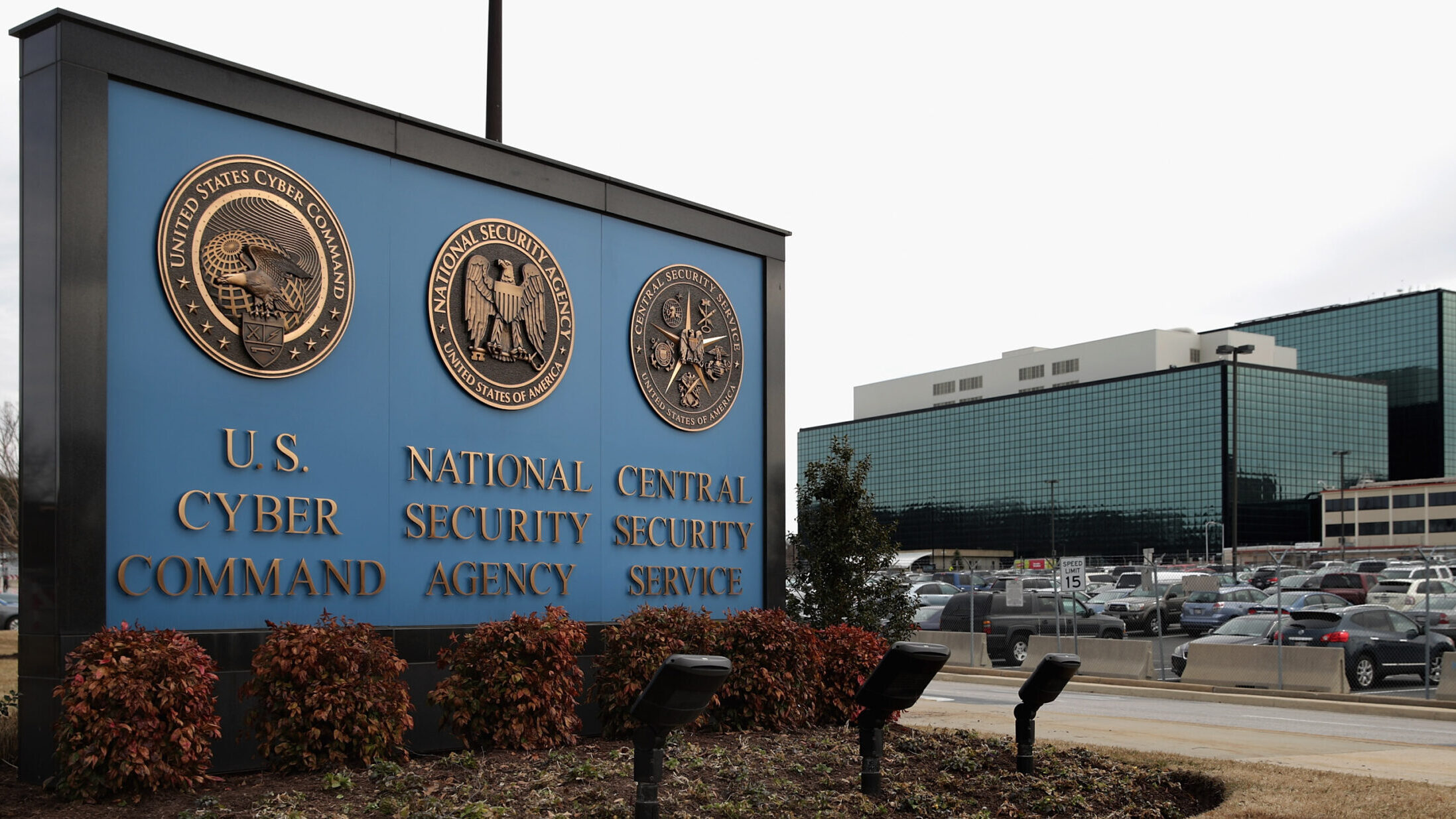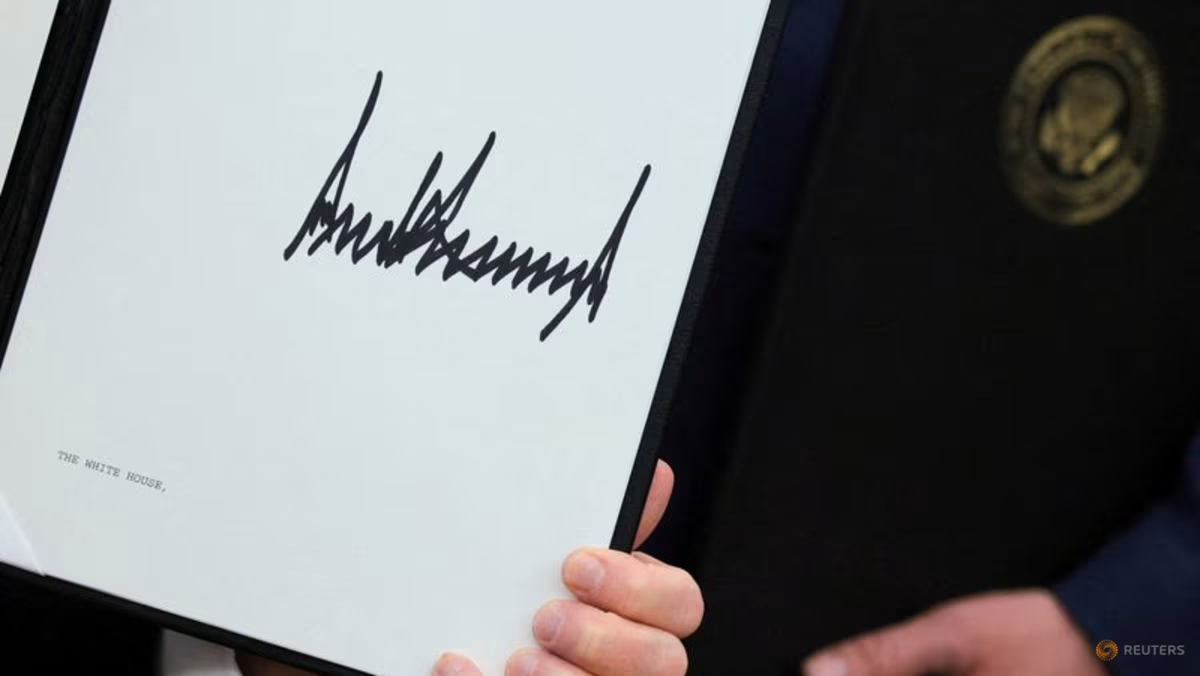
The White House is making its AI ambitions for national security extremely concrete. President Trump signed an Executive Order on June 2 titled “Promoting Advanced Artificial Intelligence Innovation and Security,” followed three days later by National Security Presidential Memorandum NSPM-11, which directs the Department of Defense and the intelligence community to fast-track AI adoption across their operations.
What the directives actually do
The new policies mandate three core actions. First, federal agencies must onboard advanced AI models from multiple vendors, not just one preferred contractor. Second, the government will build high-security computing facilities purpose-built for running these systems. Third, an “AI National Security Strategic Reserve” will be established, essentially a bench of non-governmental experts the government can call on when it needs outside brainpower.
Agencies are instructed to strengthen cybersecurity defenses against AI-enabled threats, but without layering on rules that might slow down private-sector innovation. The directives also stress that AI systems must remain “controllable and accountable.” The directives also include explicit restrictions: AI cannot be deployed for unlawful surveillance or censorship.