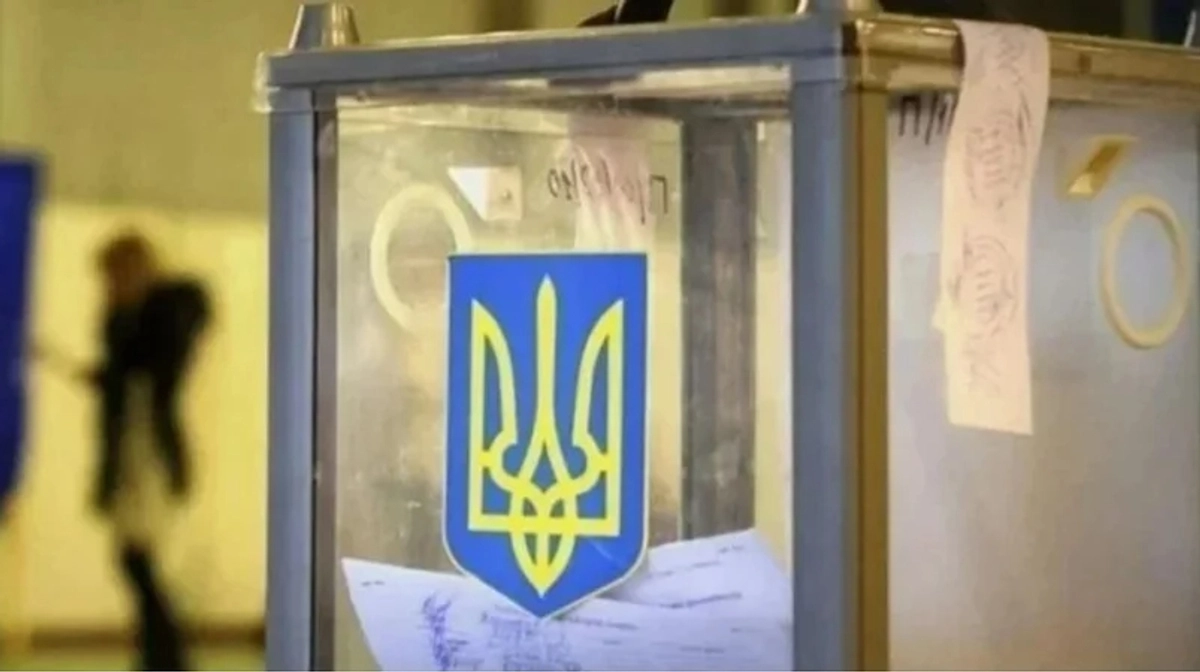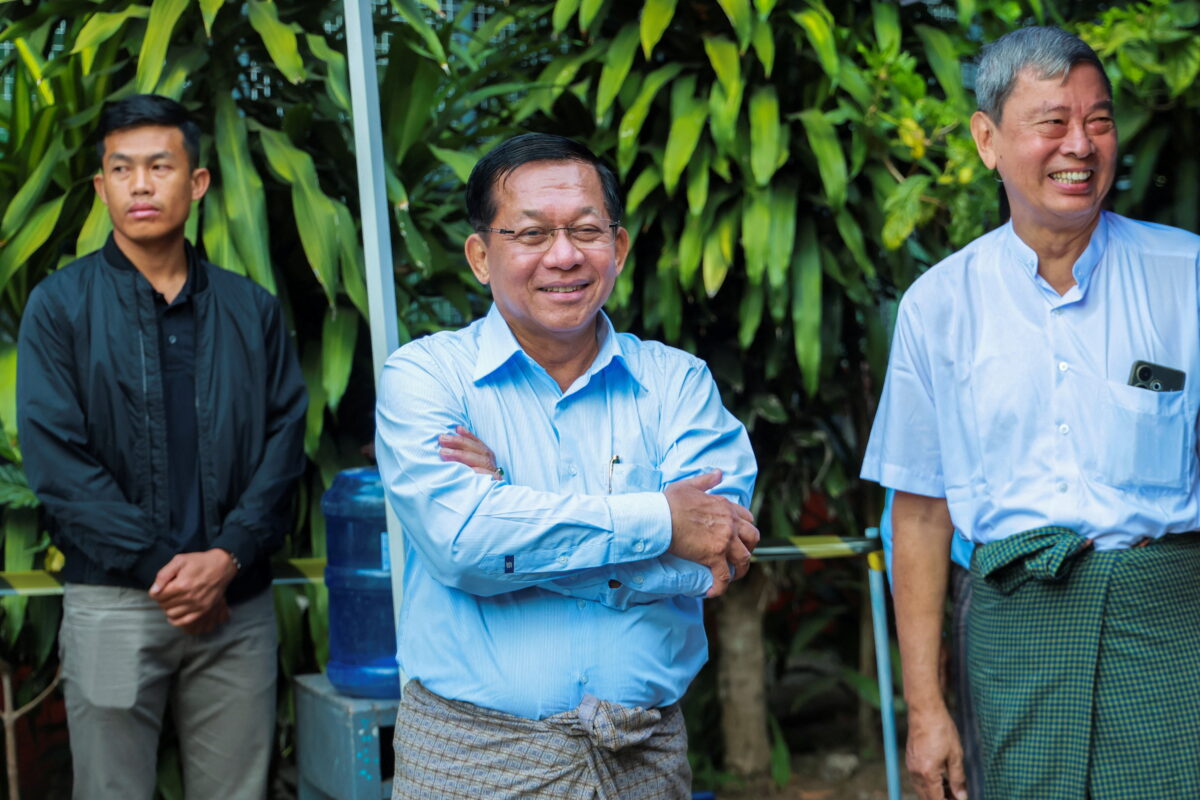
Over the 2025–26 Christmas and New Year period, Myanmar’s military junta used the distractions of the festive season to continue its convoluted process of electorally-tinged rehabilitation. The generals are well-practised at using time, obscurity and deniability to slowly cultivate an internal stranglehold, while also cultivating what they hope will eventually become a better international reputation.
This is a tortuous process orchestrated by a group of generals deeply committed to controlling the country’s destiny while avoiding prosecution for war crimes. They have an old playbook defined by the need to exhaust their adversaries’ idealism and define the new terms on which politics plays out.
Recent gestures are designed to introduce some optimism that there are reformist elements within the military junta and an appetite for fuller conciliation. Eventually, there may be, but existing tactics do not imply any such shift. Instead, they suggest a re-legitimisation strategy where the military brass creates a new version of its past and its future, inch by agonising inch.
In the wake of the 2025–26 election, top generals announced they would free thousands of prisoners, including ousted former president Win Myint. Former state counsellor Aung San Suu Kyi, the country’s most electorally successful leader, was moved to house arrest in April 2026 after she reportedly met with Chinese Foreign Minister Wang Yi, a rare engagement for the famous political prisoner.