https://arab.news/4qsfz
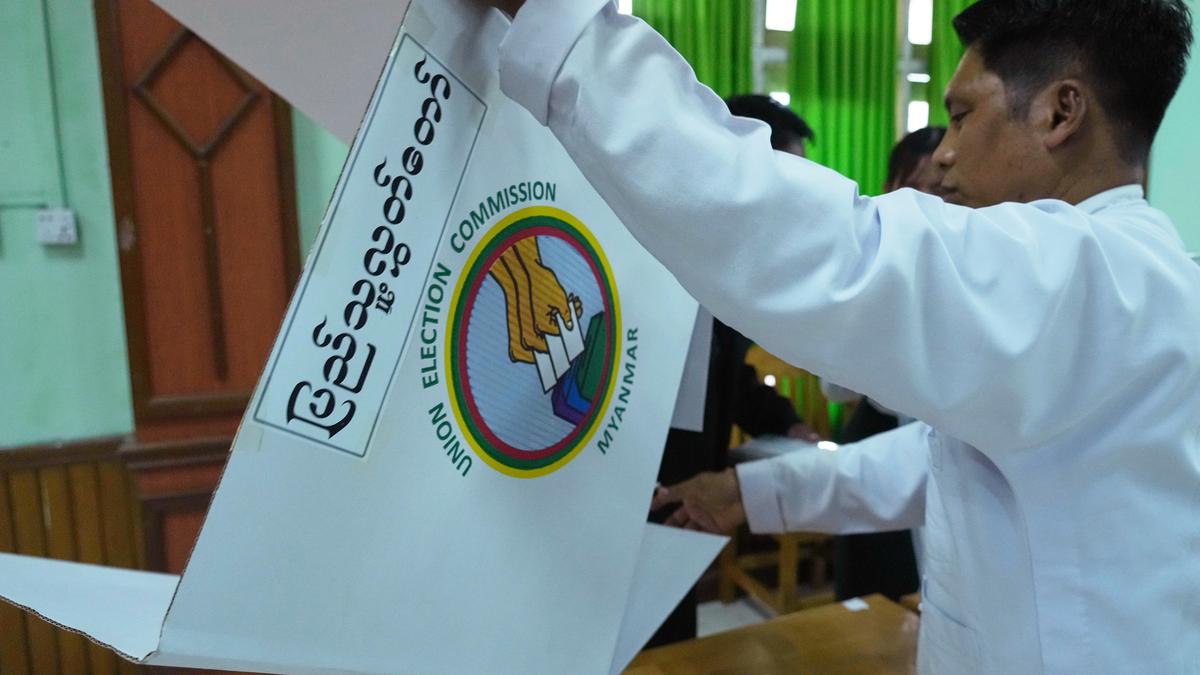
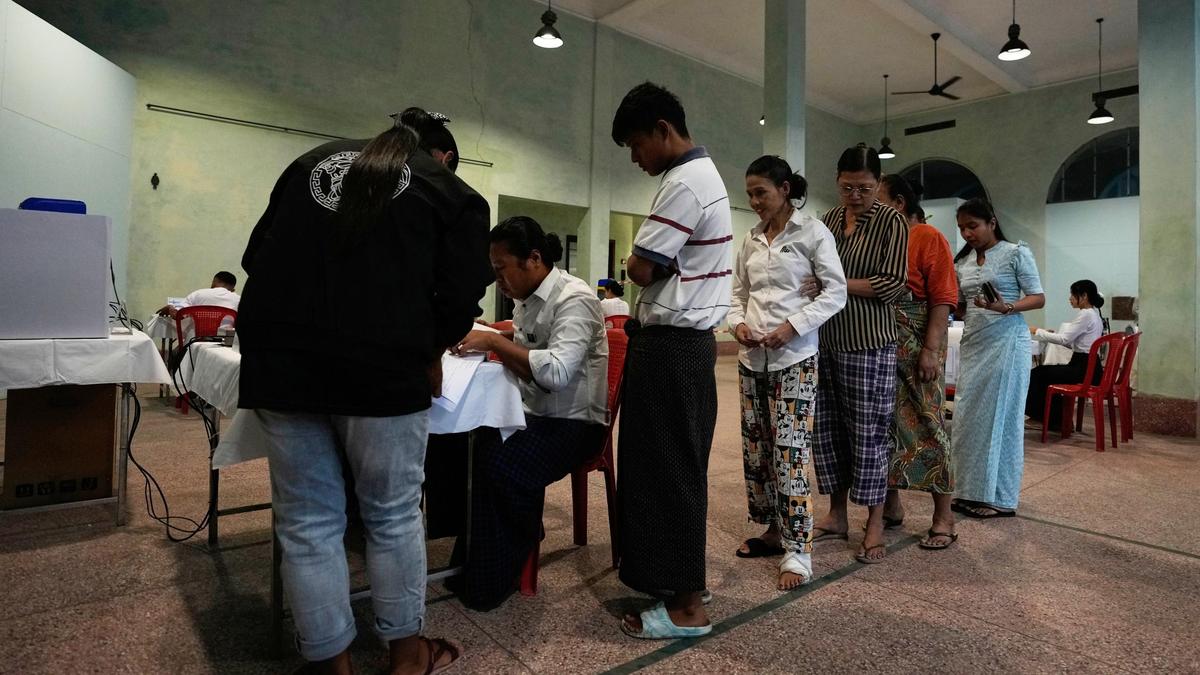
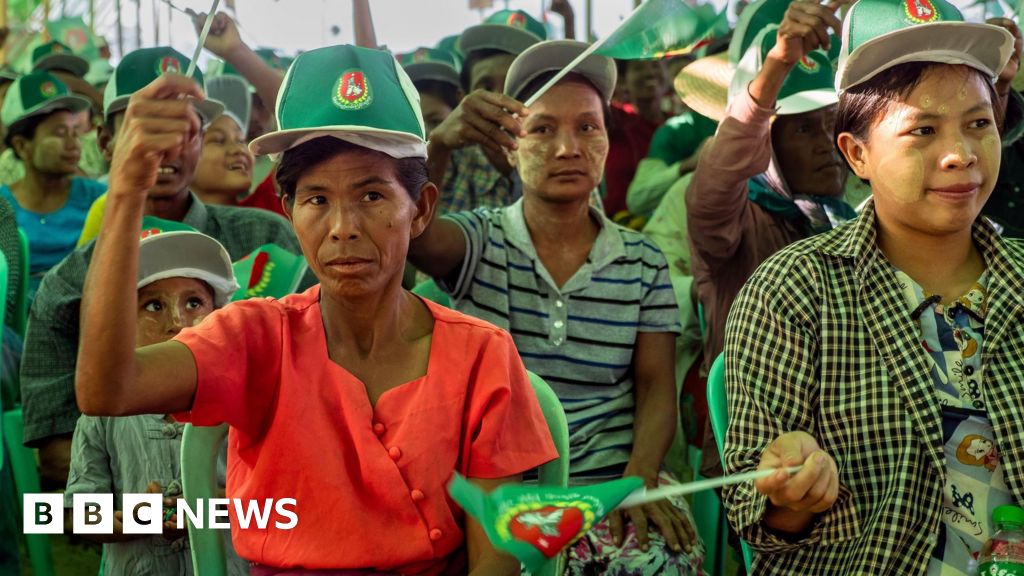
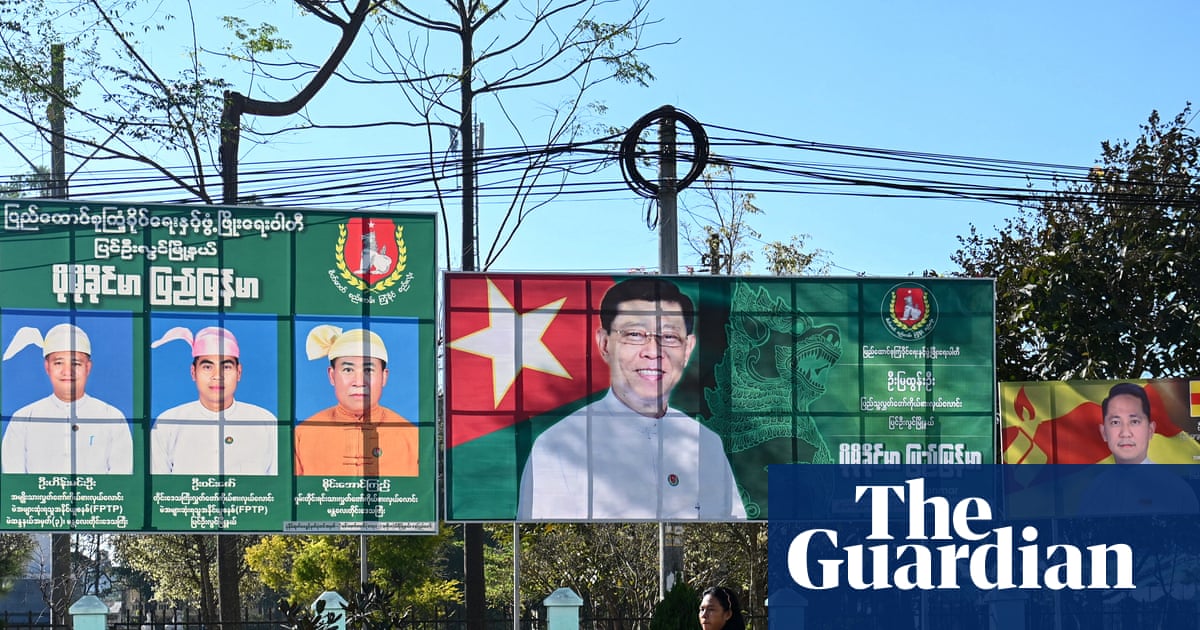
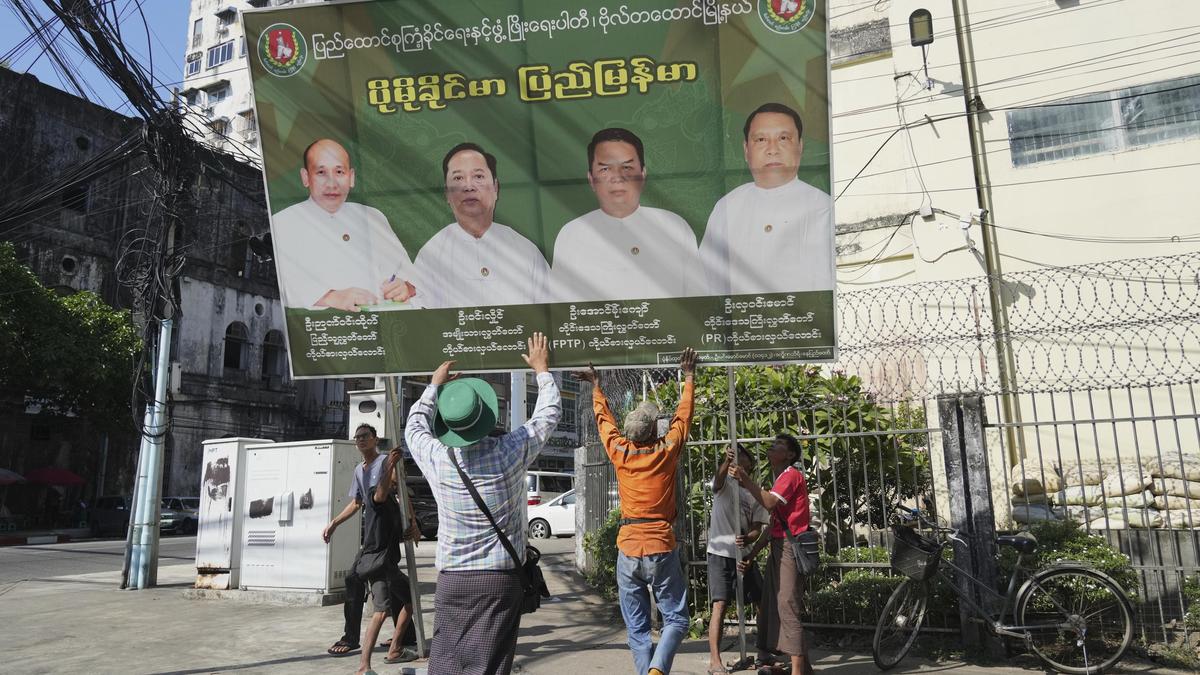
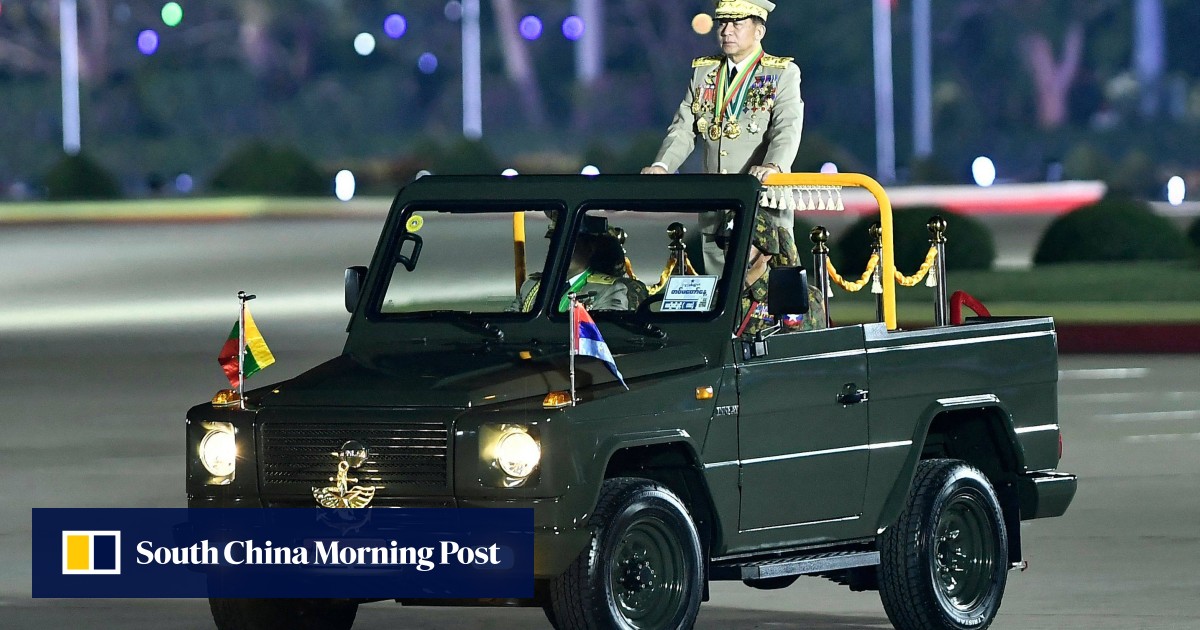
Myanmar’s military junta is once again promising elections as a pathway out of national crisis. After more than three years of civil war, economic collapse and state fragmentation, the regime led by Min Aung Hlaing claims that a vote can restore order and legitimacy. In reality, the proposed election risks deepening the conflict, entrenching military rule under a civilian disguise and exposing the failure of regional diplomacy — particularly by ASEAN and Myanmar’s immediate neighbors.
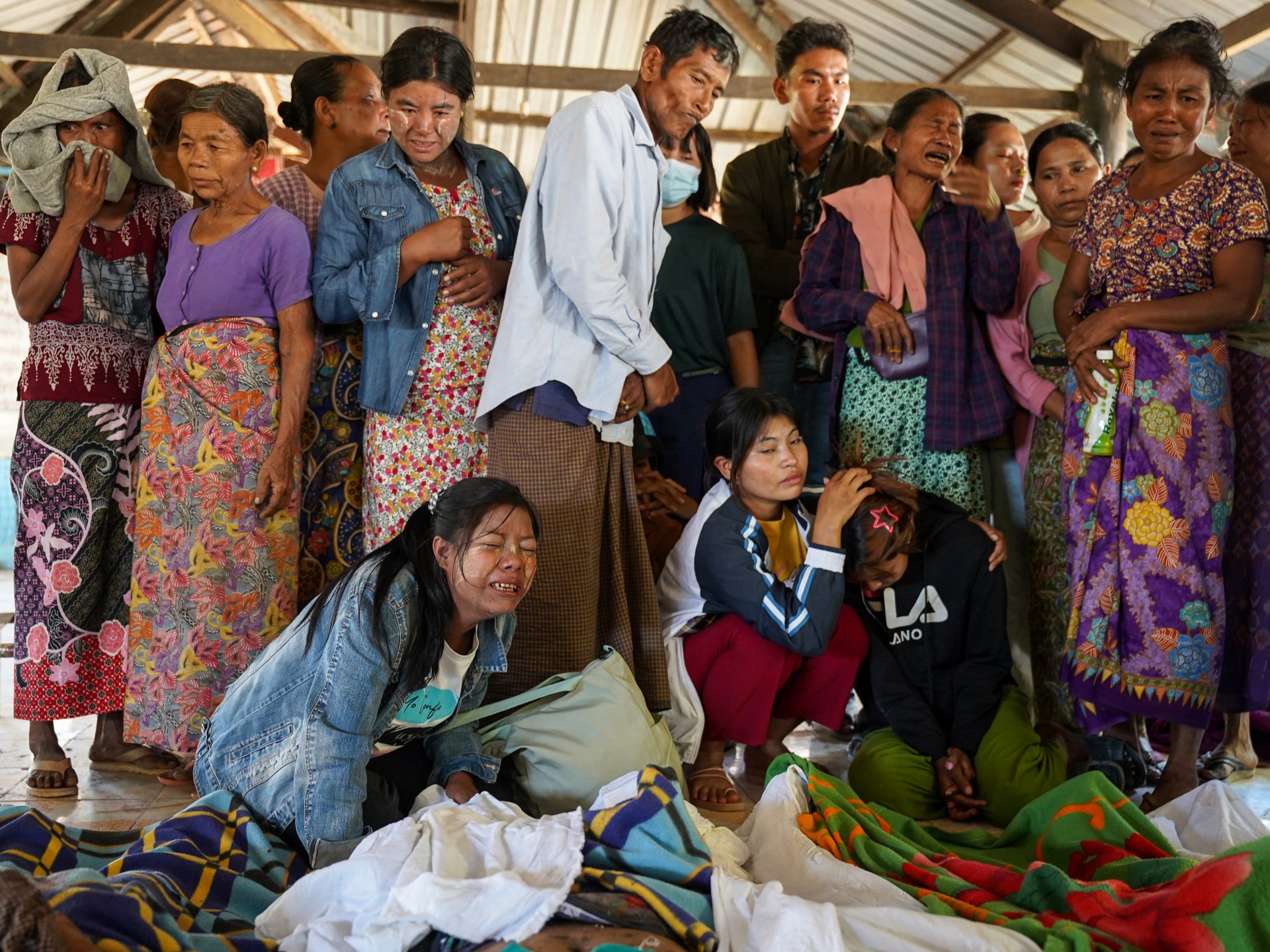
Since the February 2021 coup, Myanmar has ceased to function as a unified state. According to UN estimates, more than 3 million people are now internally displaced, a figure that has more than tripled since mid-2023 as fighting has intensified across central Myanmar, Rakhine State and the northern borderlands. The economy has contracted by an estimated 18 to 20 percent since the coup, while the kyat has lost more than 60 percent of its value, wiping out household savings and pushing millions into food insecurity.
Crucially, the military no longer controls much of the country. Resistance forces aligned with the National Unity Government operate across large areas of Sagaing, Magway and Chin State. Ethnic armed organizations have consolidated territorial control in border regions. In Rakhine State, the Arakan Army now exercises effective authority over most townships, running courts, taxation and local administration independently of Naypyidaw. Any “national” election conducted under these conditions would, by definition, exclude millions of people living outside junta control.