Pick up a copy of Kit Chellel’s recent book Lucky Devils, and you might think you’re getting “the true story of three rebel gamblers who beat the odds and changed the game.” That’s the subtitle, after all. But what you’re actually getting is a stranger, sadder, more fascinating book about obsession for obsession’s sake, a history of early computing, and the brutal optimization of gambling over the last 50 years.
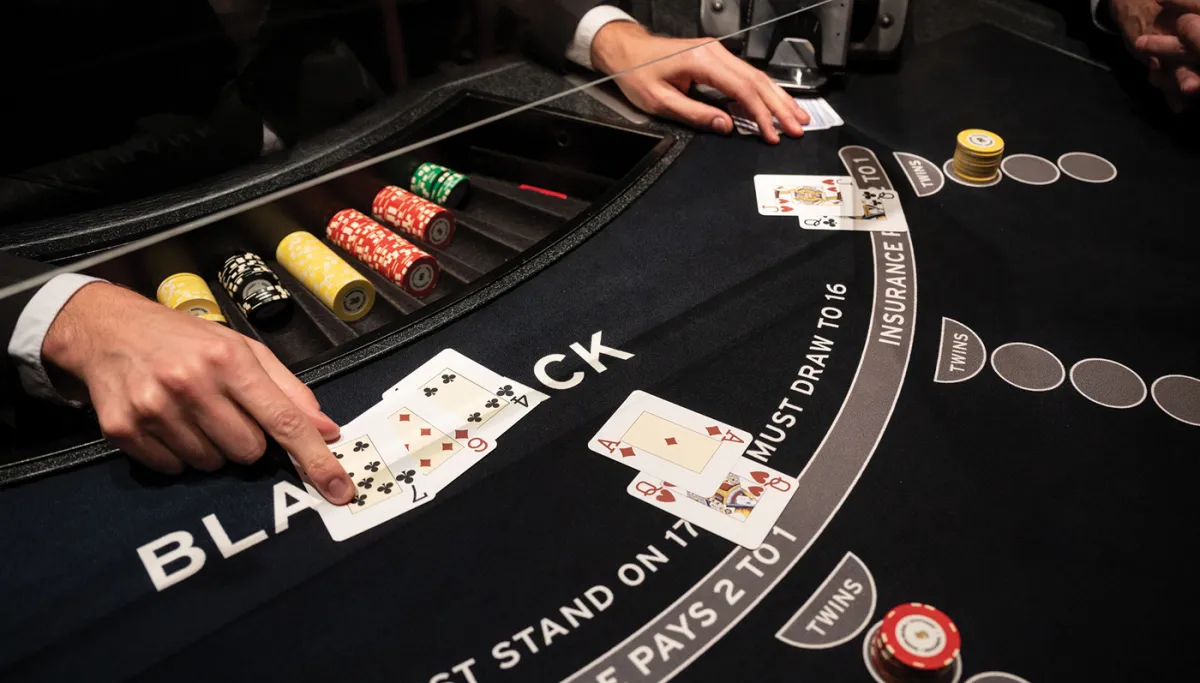
Those rebels referred to on the cover are Bill Nelson, Bill Benter, and Rob Reitzen. All three men are young, intelligent, and determined to avoid the corporate rat race by any means necessary. They also share a peculiar outlook: Their interest in getting rich takes a distant second place to their interest in trying to solve an unsolvable problem — namely, how to find and exploit patterns in seemingly random games. Naturally, our protagonists find their way to Las Vegas. It’s the mid-1970s, and their passion is blackjack.
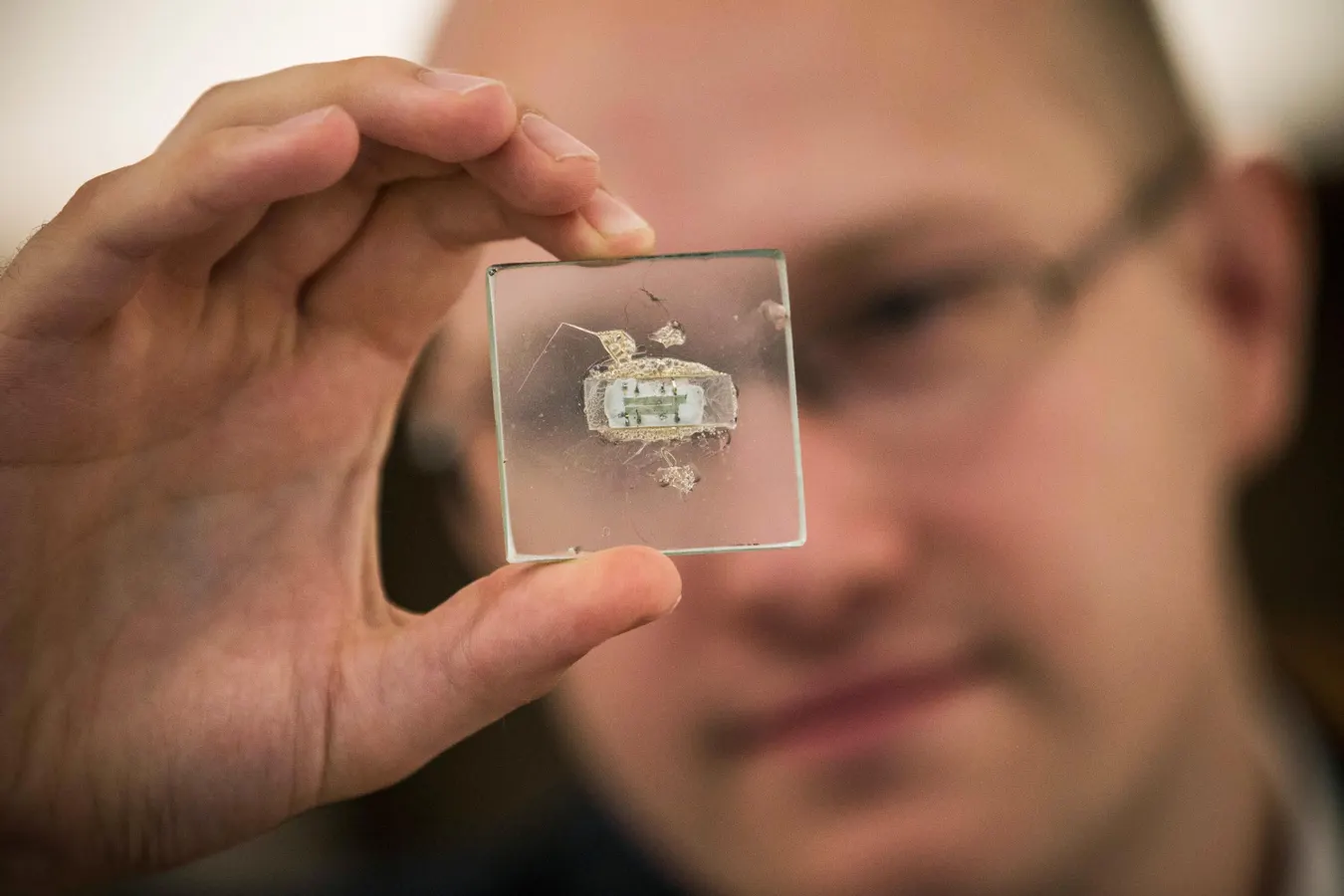
Computers make an entrance almost immediately. A major inspiration is Edward O. Thorp, author of Beat the Dealer: A Winning Strategy for the Game of Twenty-One, and the first man to use a computer to analyze probabilities in card games. That computer was an IBM 704, “a clunking behemoth powered by vacuum tubes, a magnetic drum, and punch cards” that took up “as much physical space as the average Buick.” One of the delights of Lucky Devils is watching technology evolve as the years go by. Before you know it, Bill Nelson is using a Hewlett-Packard programmable calculator to run regression analyses on a casino-grade roulette wheel crammed into his apartment. Incredibly, his months of grinding pay off: the Hewlett-Packard, with enough memory for a whopping 50 lines of code, helps Nelson gain a 24% advantage in the game Albert Einstein once called “unbeatable.” All he has to do is walk into a casino with a different computer strapped to his leg. This one, built and programmed by a friend, was “about the size of three paperback books taped together.” Thus, the entire scheme is made possible by the flamboyant fashion trends of the time: Nelson conceals his device under an outsize pair of bell-bottoms.