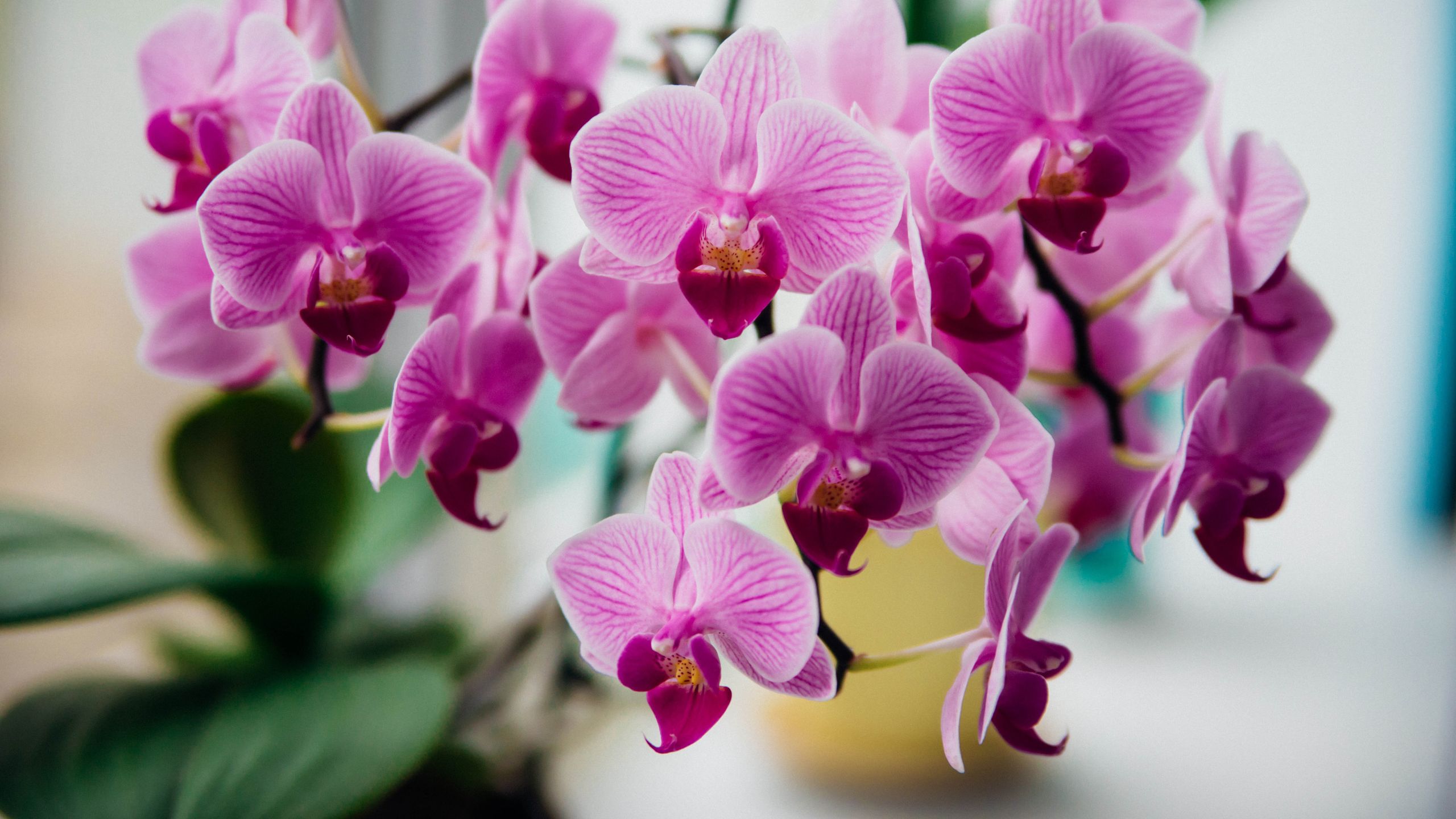
(Image credit: Shutterstock)
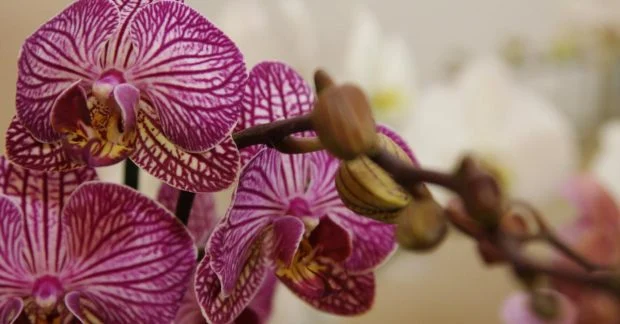
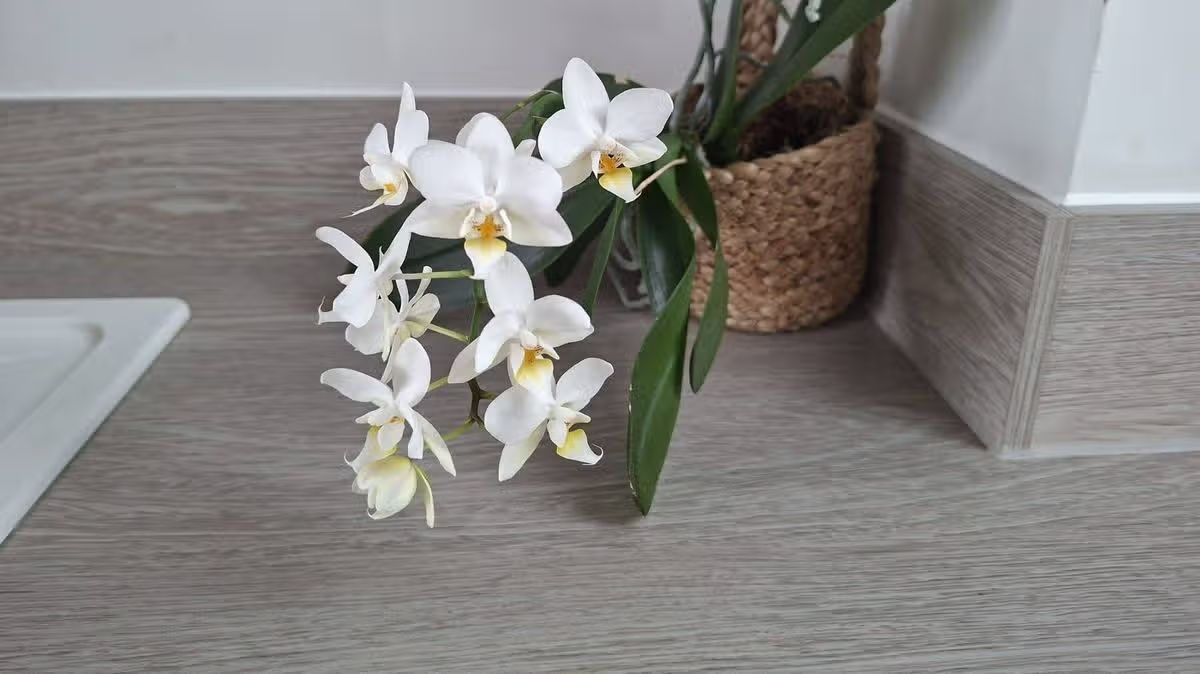
Orchids are statement plants, and their exquisite appearance might lead you to believe that they are difficult to grow. While their care differs from that of other houseplants, mimicking their natural environment will help them thrive.June marks a significant time in an orchid’s life, as it’s peak growing season. So, while you take in your orchid’s magnificent blooms, here’s what you should be doing in June to ensure it flourishes.1. Just the right amount of light
(Image credit: Shutterstock)June brings intense summer sun that can easily scorch orchid leaves when placed on a sunny windowsill. To avoid direct sun, Mirela Bajic, senior garden designer at House Designer, says, “I would place them on an east or west-facing windowsill if you can.”While Alis Zavala, orchid specialist at Flora & More, advises letting the leaves be your guide. “A healthy grassy green means you’ve got it right; dark green means too little light, and scorched patches mean too much.”Did you know?Heat damage and leaf scorch can harm your orchid and prevent it from blooming.2. Water
(Image credit: Shutterstock)Rather than keeping to a rigid watering schedule, water your orchid when it is thirsty. Virginia Hayes, an indoor plant pro at Westerlay Orchids, says to check the roots before watering to see if they have turned from green to silvery white. If they are green, you know the plant is hydrated, but once they turn silvery-white, your orchid needs a drink.Get instant access to breaking news, the hottest reviews, great deals and helpful tips.If you wait for this transition, you’ll know that you won’t be making the mistake of overwatering your orchid.What to avoidHowever, too much water can damage your plant. “Orchids will fail if they are allowed to sit in water for a significant amount of time,” warns Ward Gilmore, founder and head landscape designer at Petrus Landscaping.For this reason, Zavala suggests watering your orchid every 7-10 days in June by placing the pot in water for about 15 minutes, then allowing the excess water to drain.3. Humidity and airflow