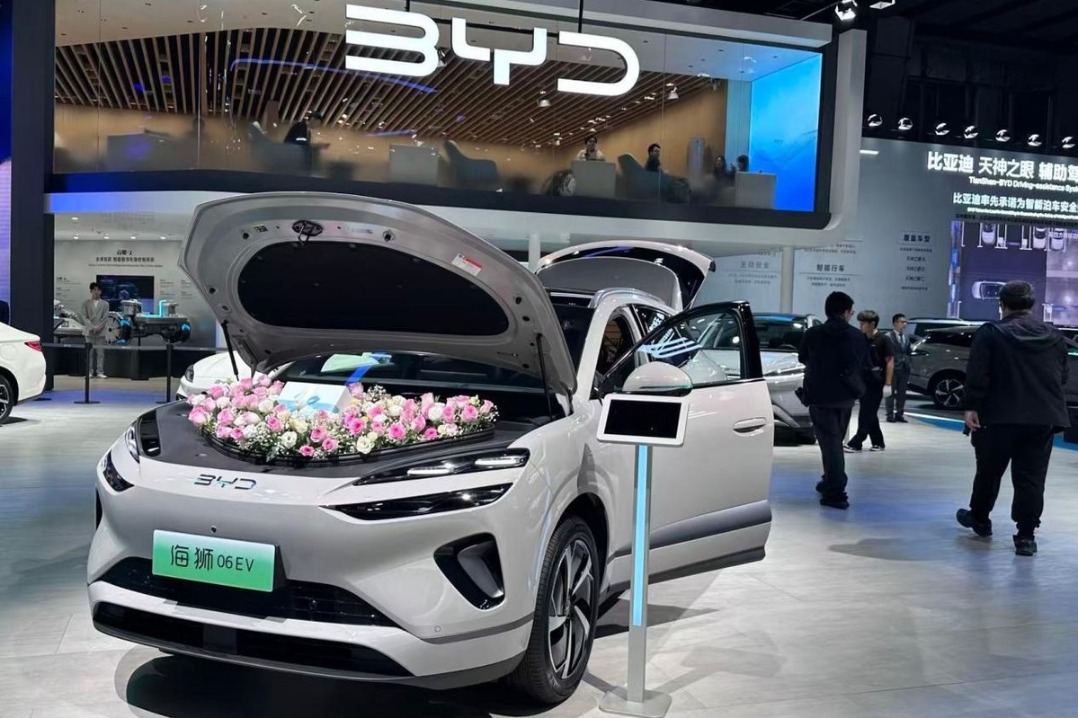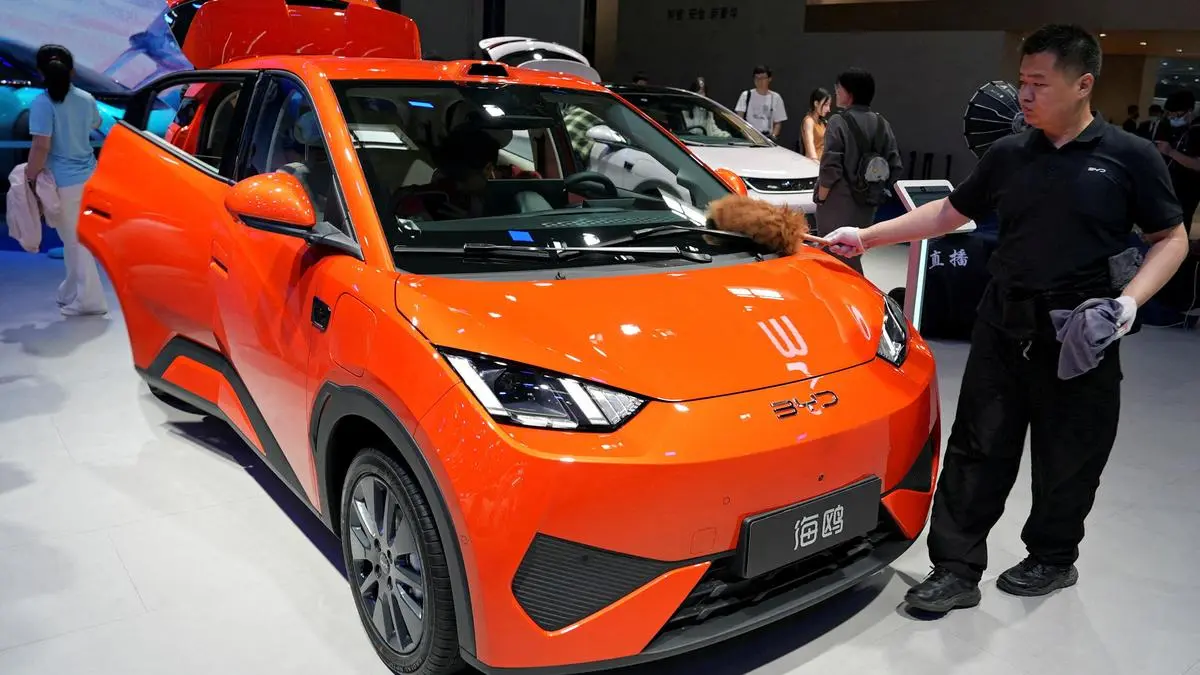
BYD Seagull electric vehicle
| Photo Credit:
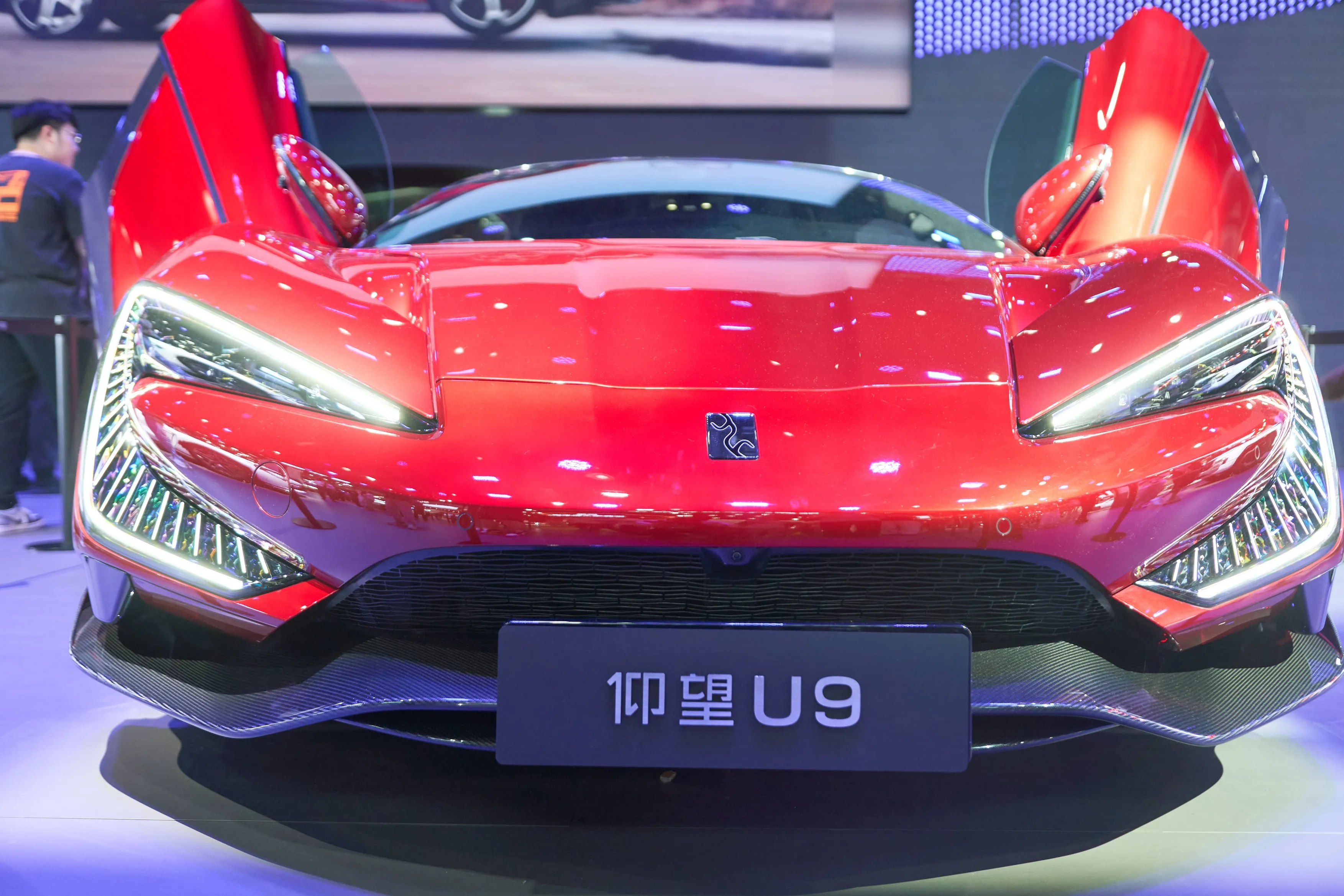
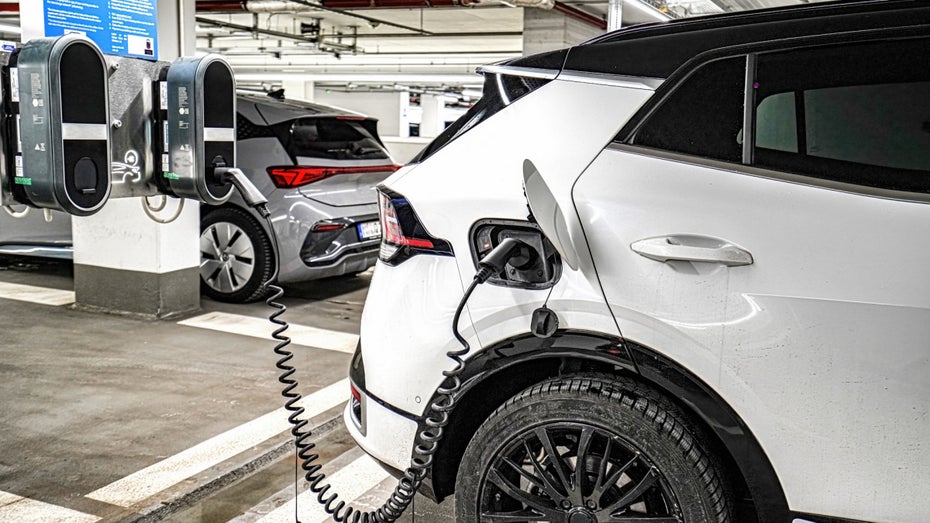
China wants slimmer electric vehicles after years of bigger batteries and rising demand for space and features helped make passenger cars significantly larger and heavier, state broadcaster China Central Television reported on Sunday.The average passenger car in the country weighed 1,704 kilograms (3,757 pounds) in 2024, weighing about a third more than in 2012, the report said. Family EVs have also grown wider over the years, with many popular sport utility vehicles and multipurpose vehicles now approaching or exceeding 2 meters (6.5 feet) in width.The trend is drawing attention as larger vehicles put pressure on existing infrastructure. Some EVs are becoming too large for parking spaces designed under standards introduced a decade ago, according to CCTV. One vehicle measured by the broadcaster was nearly 2.3 meters wide, compared with the current standard parking-space width of 2.4 meters.Longer driving ranges have been one factor behind the growth. Some manufacturers market vehicles capable of traveling up to 1,000 kilometers (621 miles) on a single charge, which can require battery packs weighing as much as 800 kilograms, according to experts cited in the report.Automakers have also added more comfort and lifestyle features to stand out in China’s crowded EV market. Some models are marketed as mobile living spaces where users can work, watch videos, drink coffee and rest, with some even featuring in-car toilets, the report said.Beijing has already begun responding. A mandatory national standard that took effect Jan. 1 bars new EV models that fail to meet energy-consumption requirements from being produced, sold or registered, in a bid to curb the growing size and weight of electric cars.Published on June 7, 2026