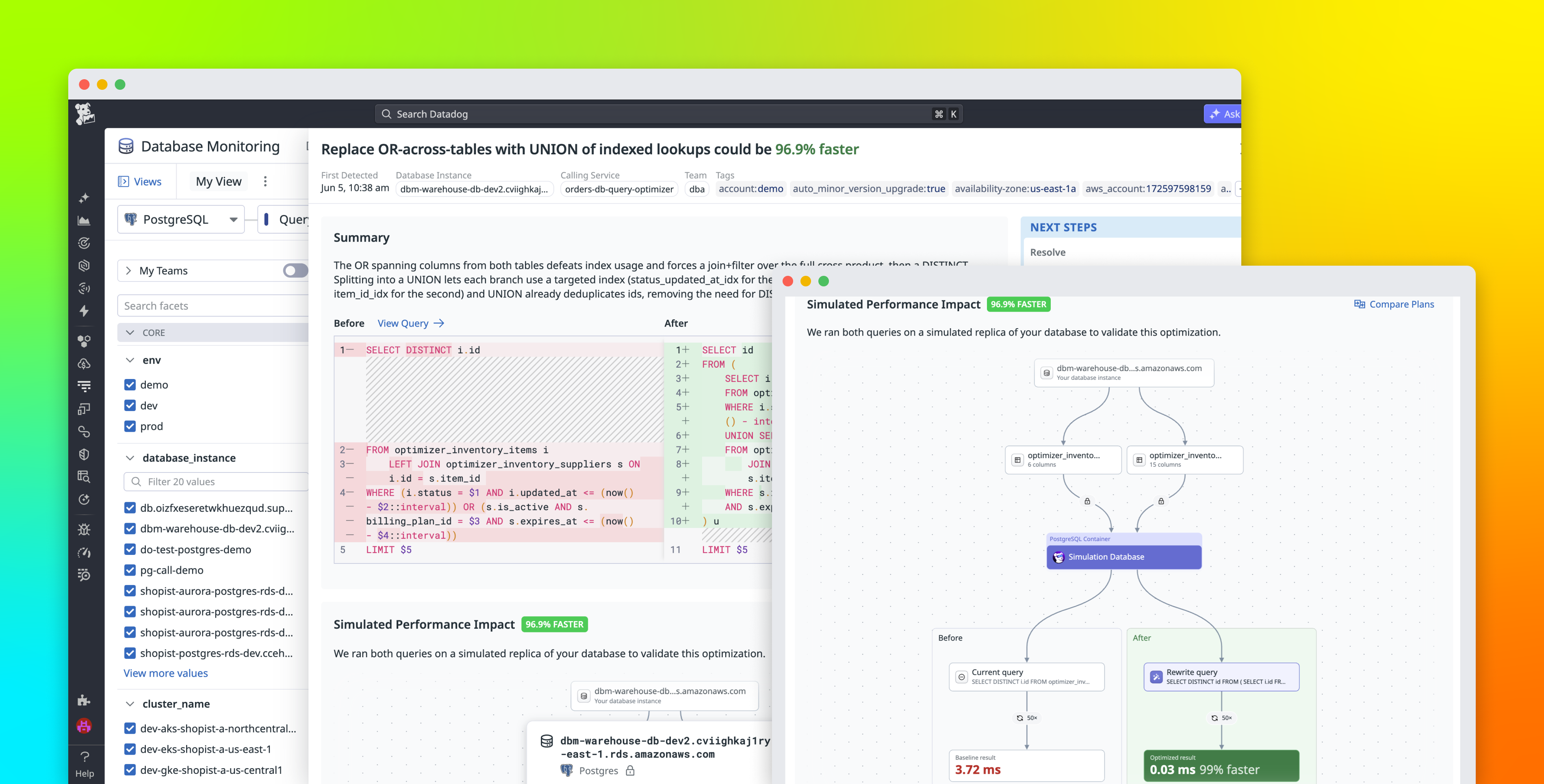
Query optimization has never been a solved problem. The moment you think your database is running efficiently, data volumes triple, access patterns shift, and suddenly your carefully tuned indexes are doing more harm than good. For decades, database engineers have relied on rule-based query planners — systems that follow deterministic logic to pick execution plans. That model is cracking under the weight of modern big data workloads. AI-driven query optimization is emerging as the answer, and it's already changing how high-scale systems handle billions of records in real time.
This isn't about replacing the database administrator. It's about giving them — and the database itself — a fundamentally smarter toolset.
Why Traditional Query Planners Hit a Wall
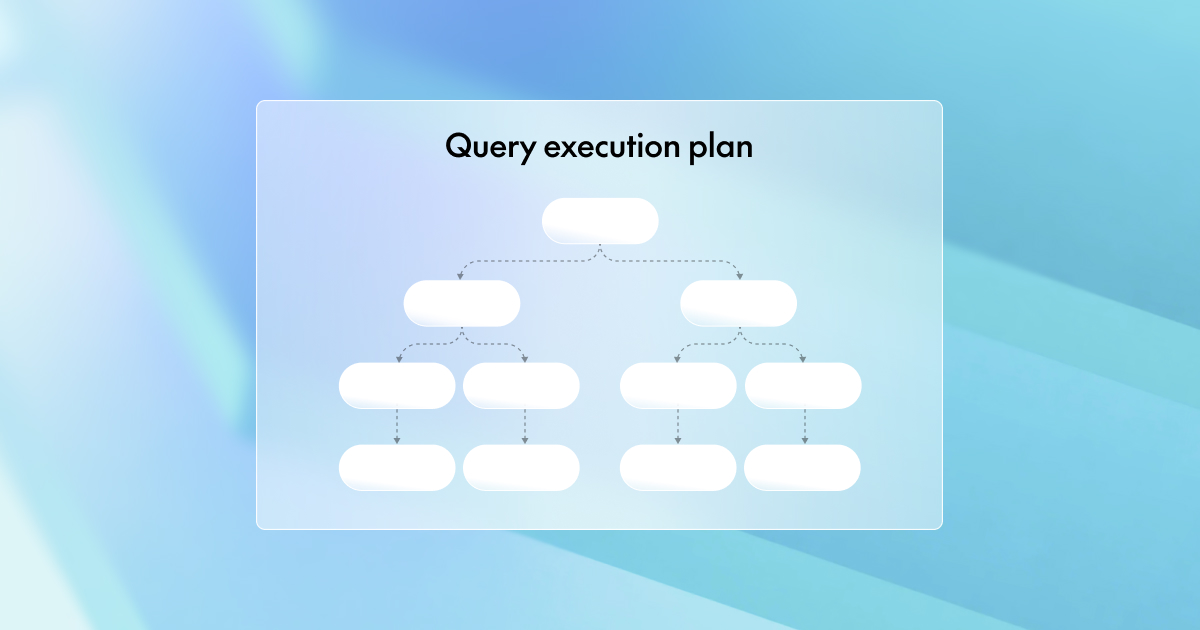
Every relational database ships with a query planner: a component that reads your SQL, examines table statistics, and decides how to execute the query. PostgreSQL's planner, for instance, uses cost-based estimation to choose between sequential scans, index scans, hash joins, and nested loops. The system is elegant, and it works — until it doesn't.
The problem is that cost-based planners operate on inherently stale statistics. They estimate cardinality (the number of rows a filter will return) based on histograms and samples collected at the last ANALYZE run. When data distributions drift — as they constantly do in real-world systems — those estimates go wrong, sometimes catastrophically. A planner that believes a filter will return 100 rows but actually gets 10 million will choose a completely wrong join strategy, turning a 200ms query into a 45-second disaster.