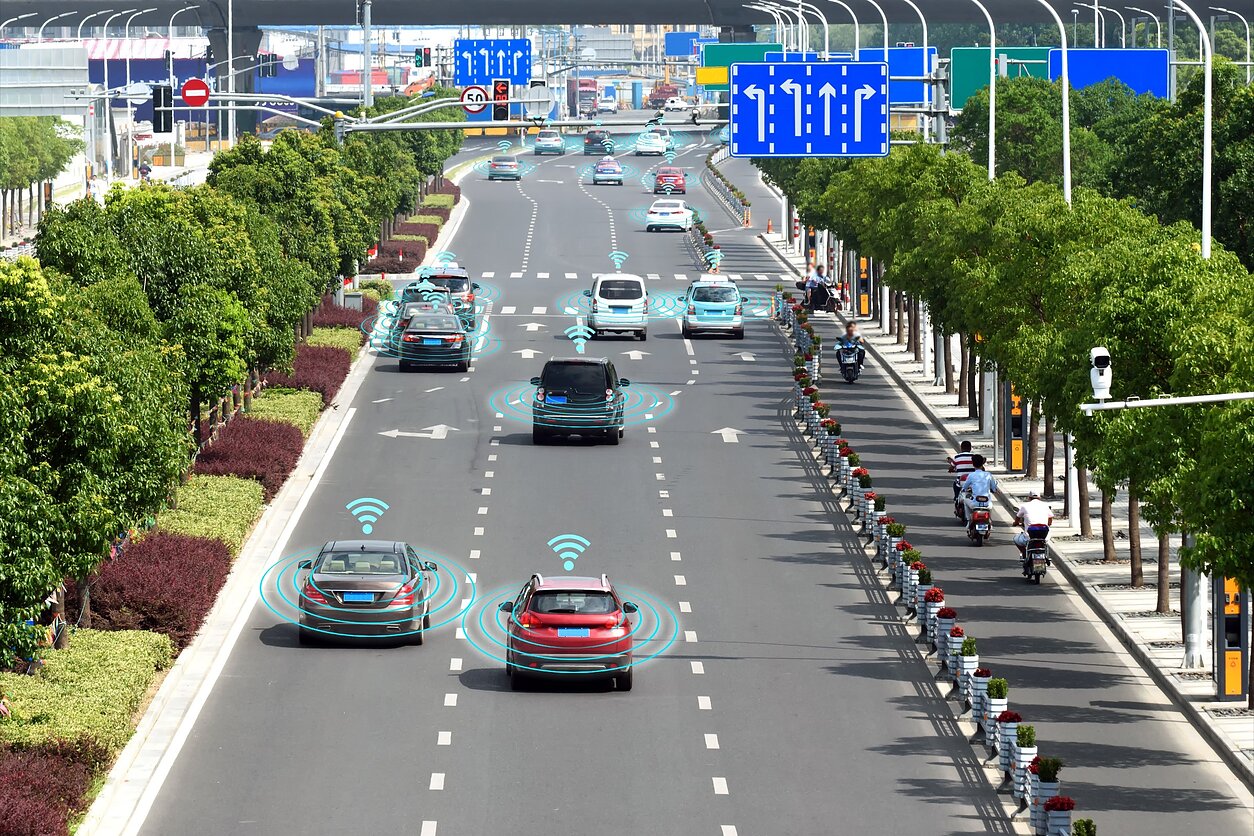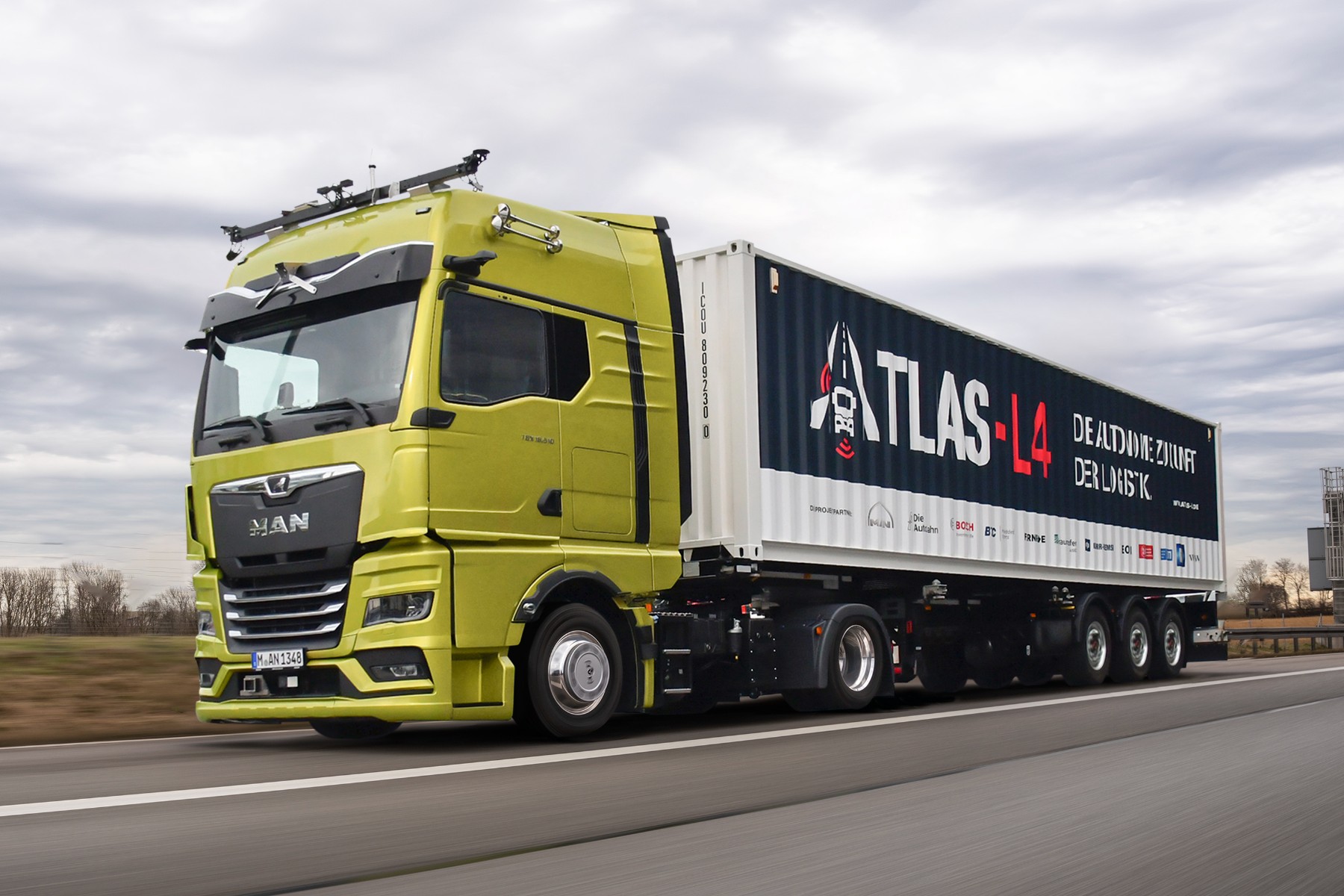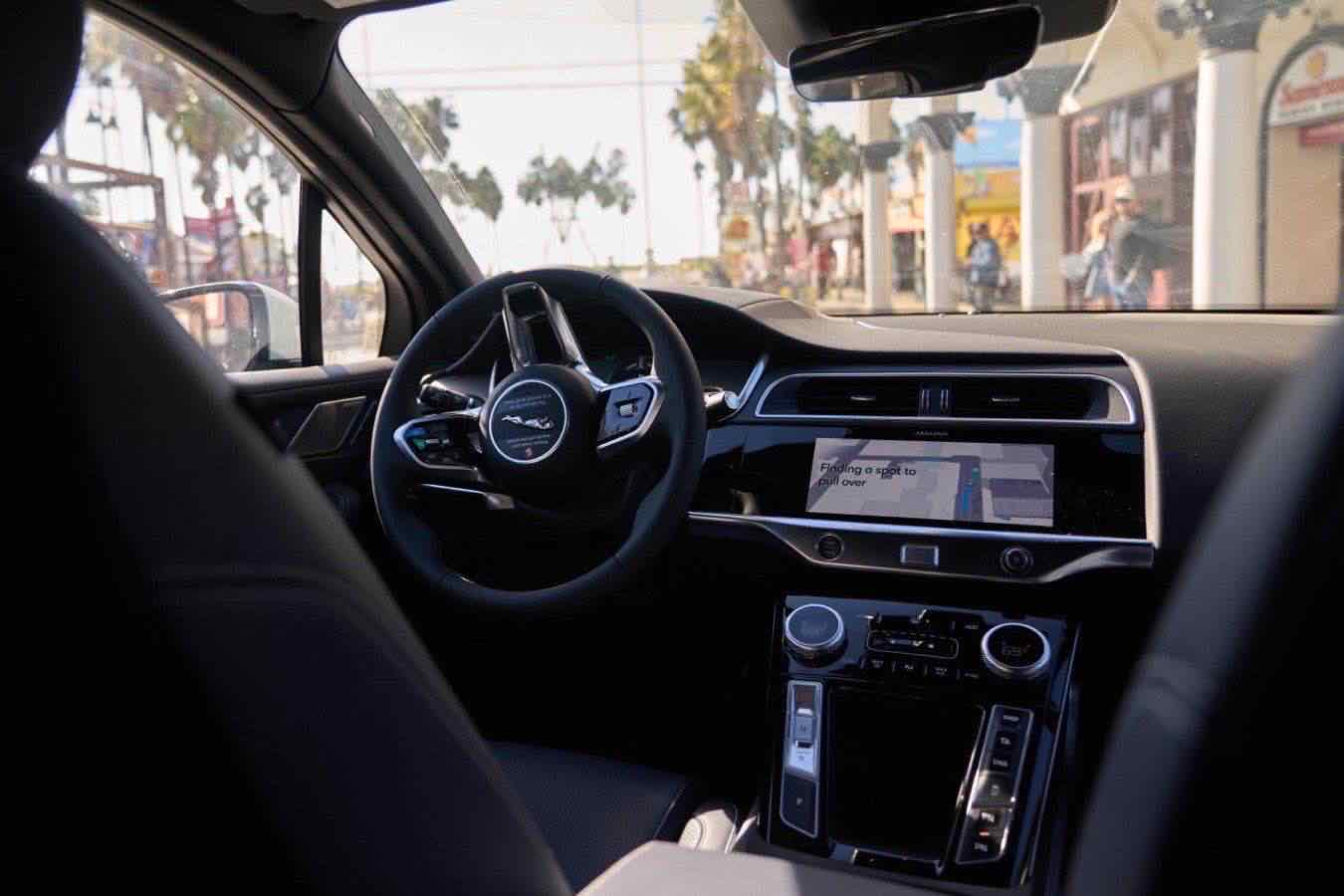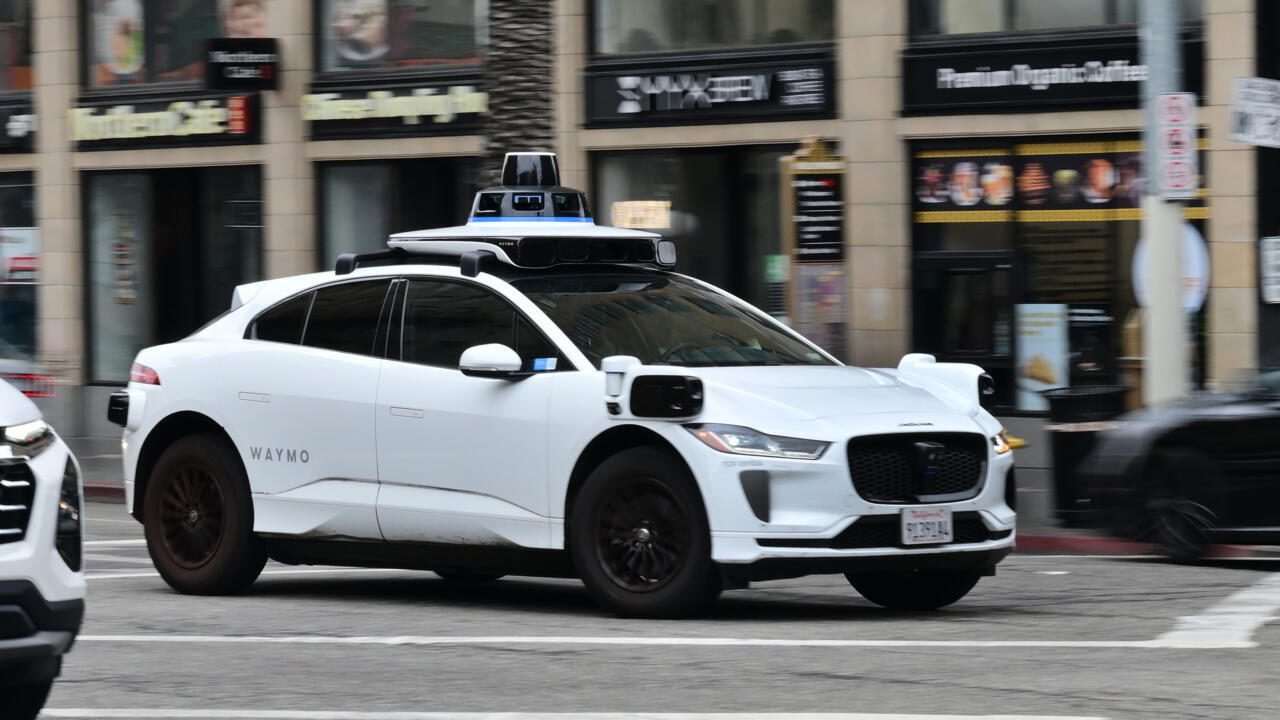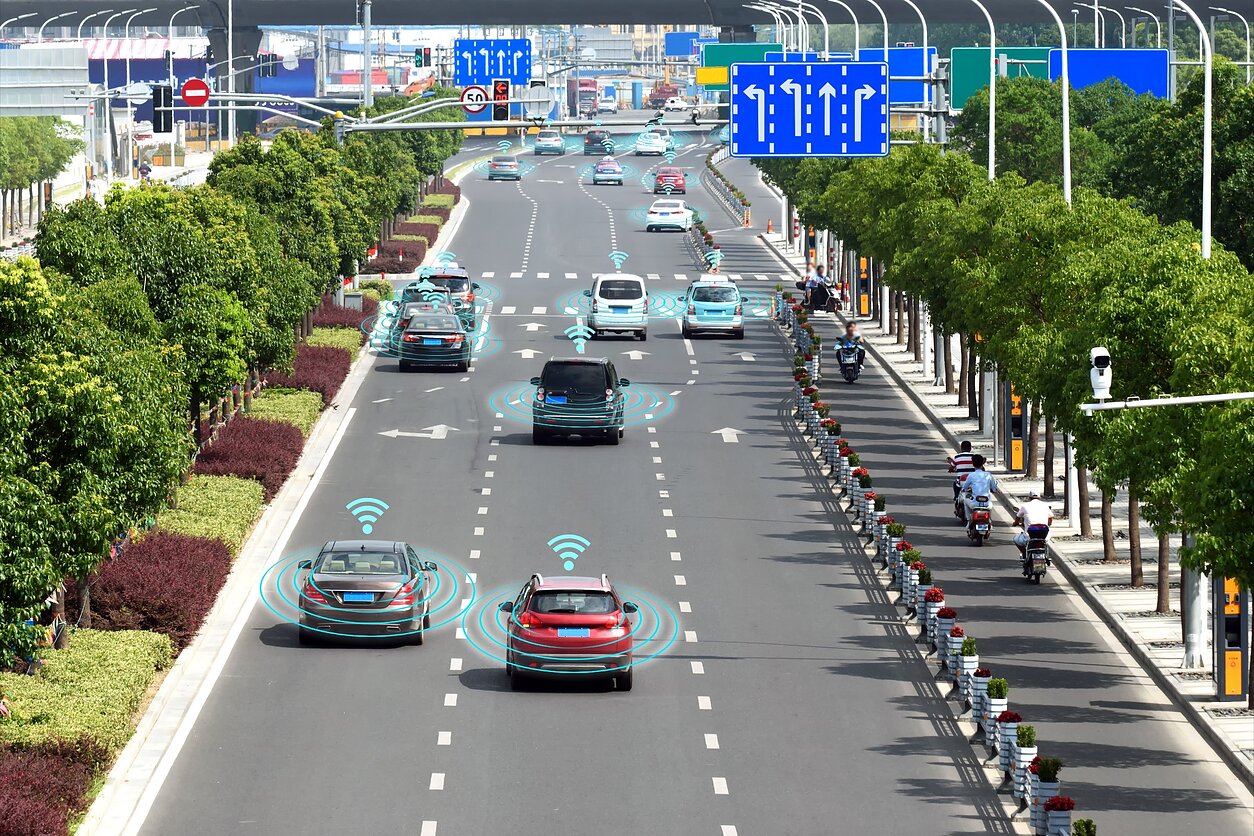
Lithuania was among the first countries in Europe to establish a legal framework for testing autonomous vehicles on public roads, back in 2018. It signalled the country's ambitions as an innovator in transport technology. Yet hopes of a rapid breakthrough failed to materialise – major manufacturers showed little interest in Lithuania, and significant investment never arrived. Juras Žymančius, a senior lawyer at the law firm COBALT, says that after a prolonged pause, Lithuania is returning to the subject of autonomous transport – this time under different circumstances.
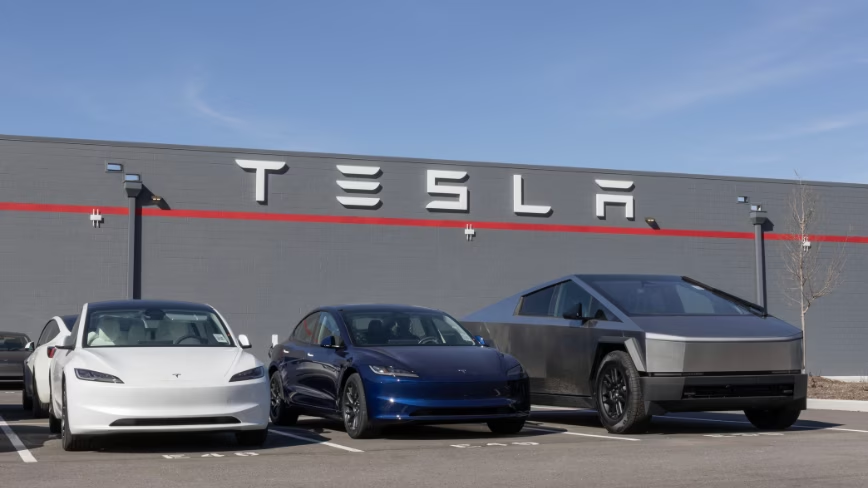
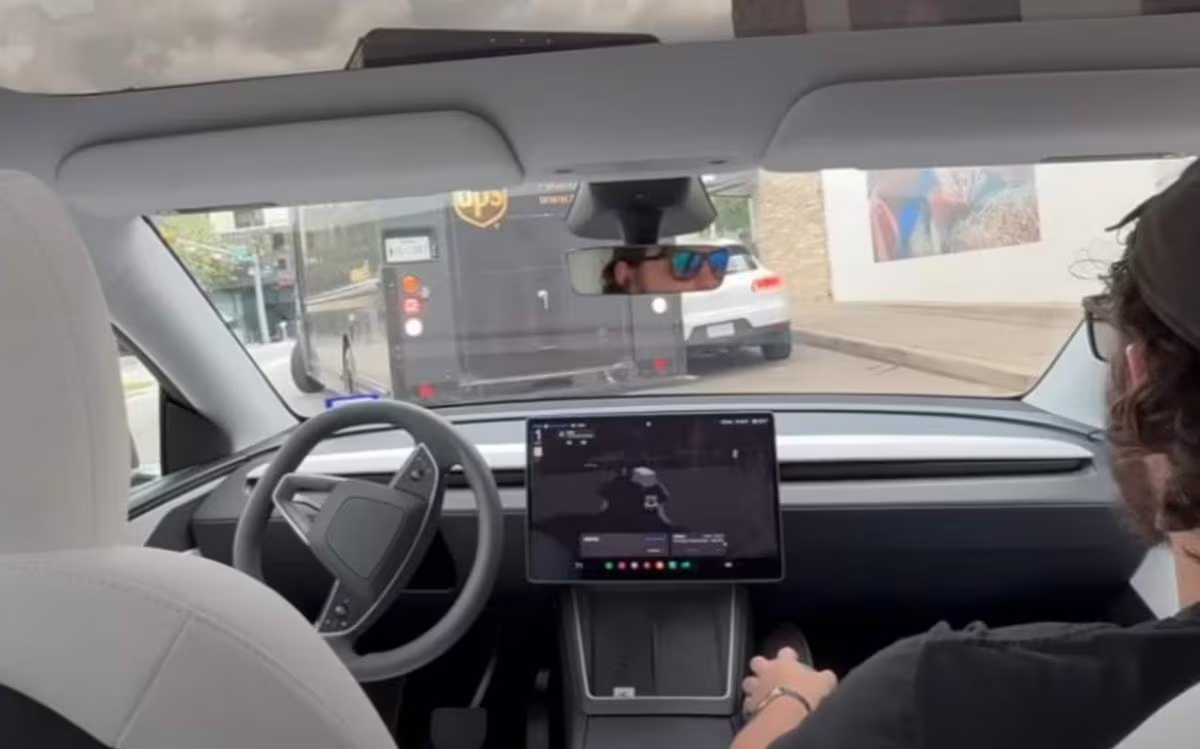
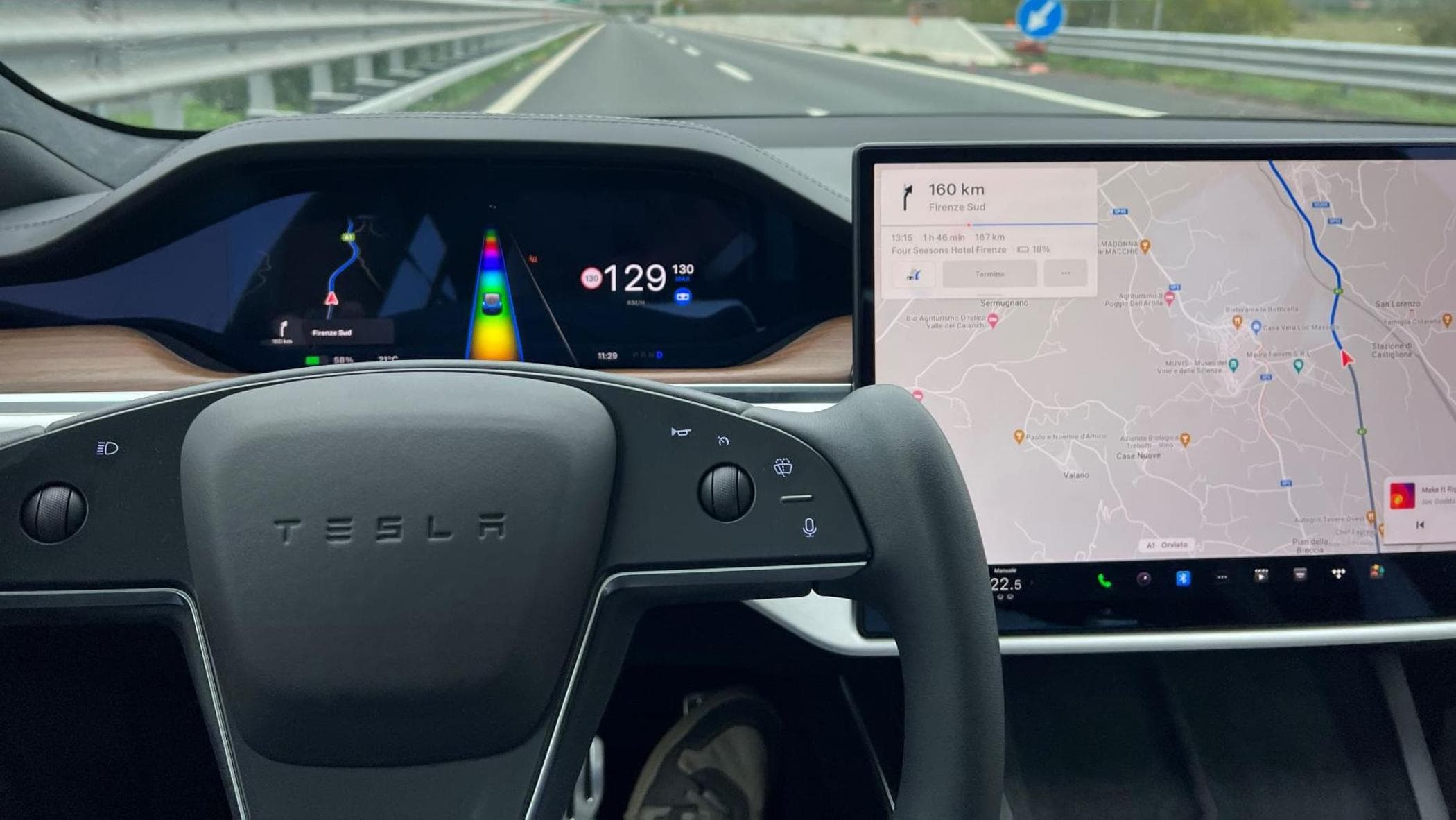
In 2026, the Transport Ministry and the Lithuanian Transport Safety Administration decided to recognise a temporary EU type-approval for Tesla's FSD (Full Self-Driving Supervised) system, issued by the Dutch vehicle oversight authority. The decision was taken under European Union rules permitting member states to recognise type-approvals for new technologies granted by other countries.
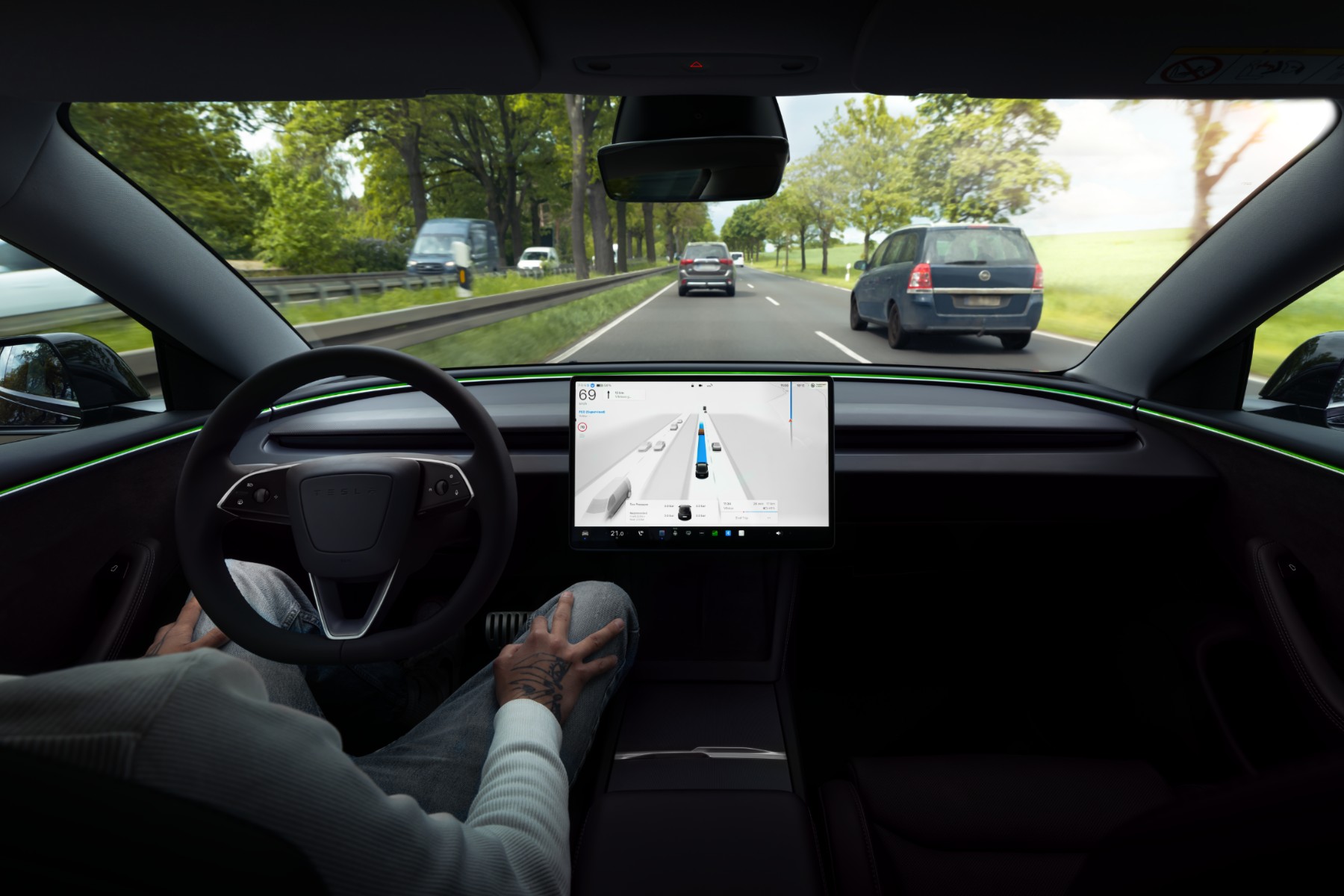
The system's name, however, may create a misleading impression. "Despite the 'Full Self-Driving' branding, this is not legally a fully autonomous system," Žymančius notes. "In practice, it is better understood as an advanced driver-assistance technology. The driver retains responsibility, must continuously monitor the traffic situation, and must be prepared to take control of the vehicle at any moment."