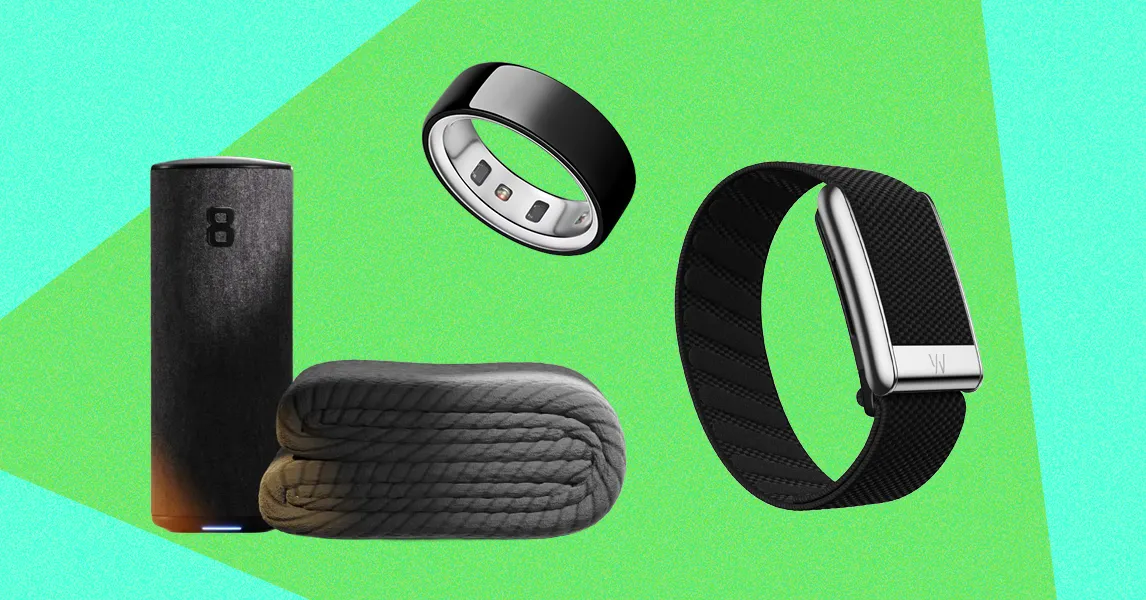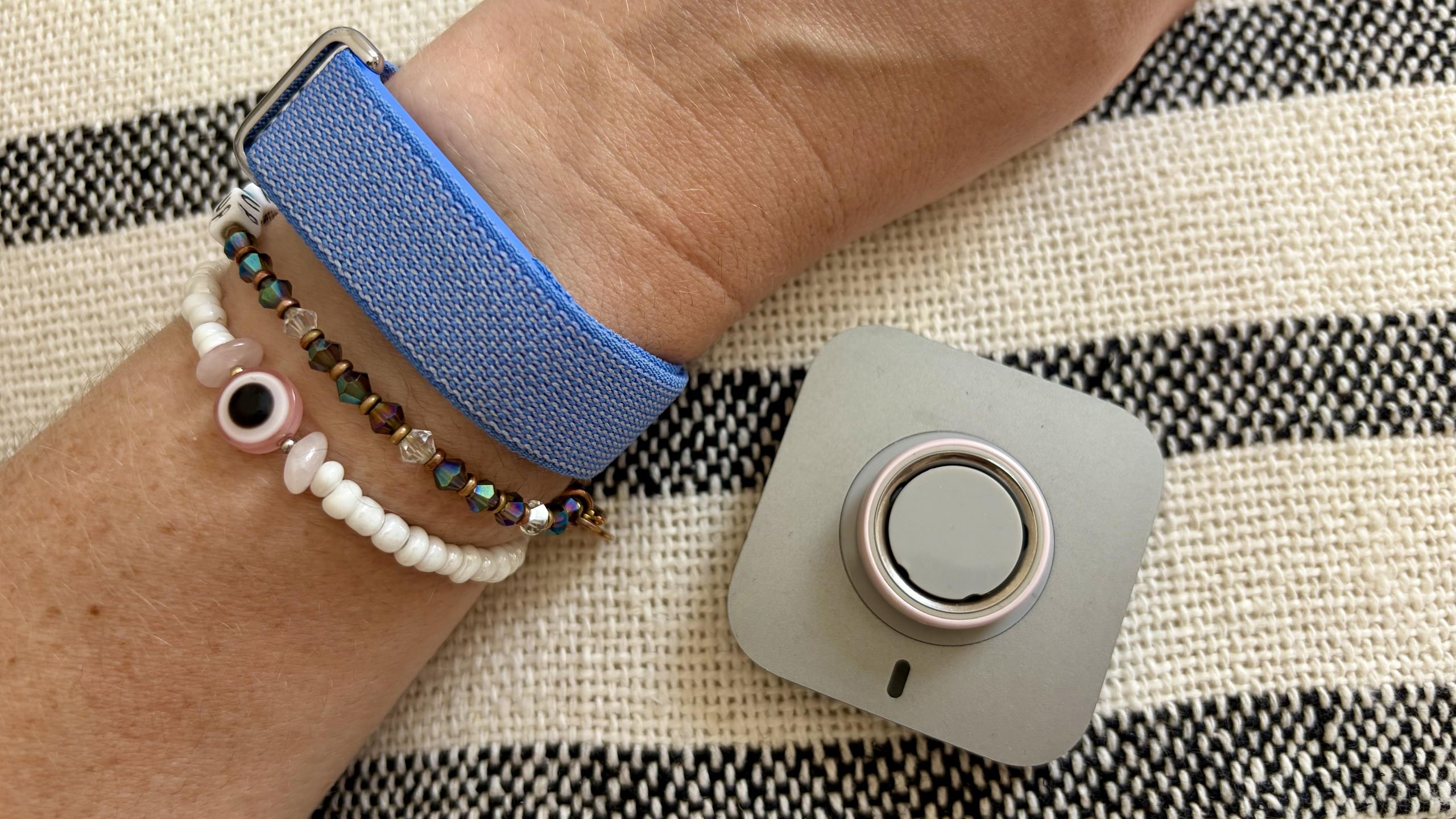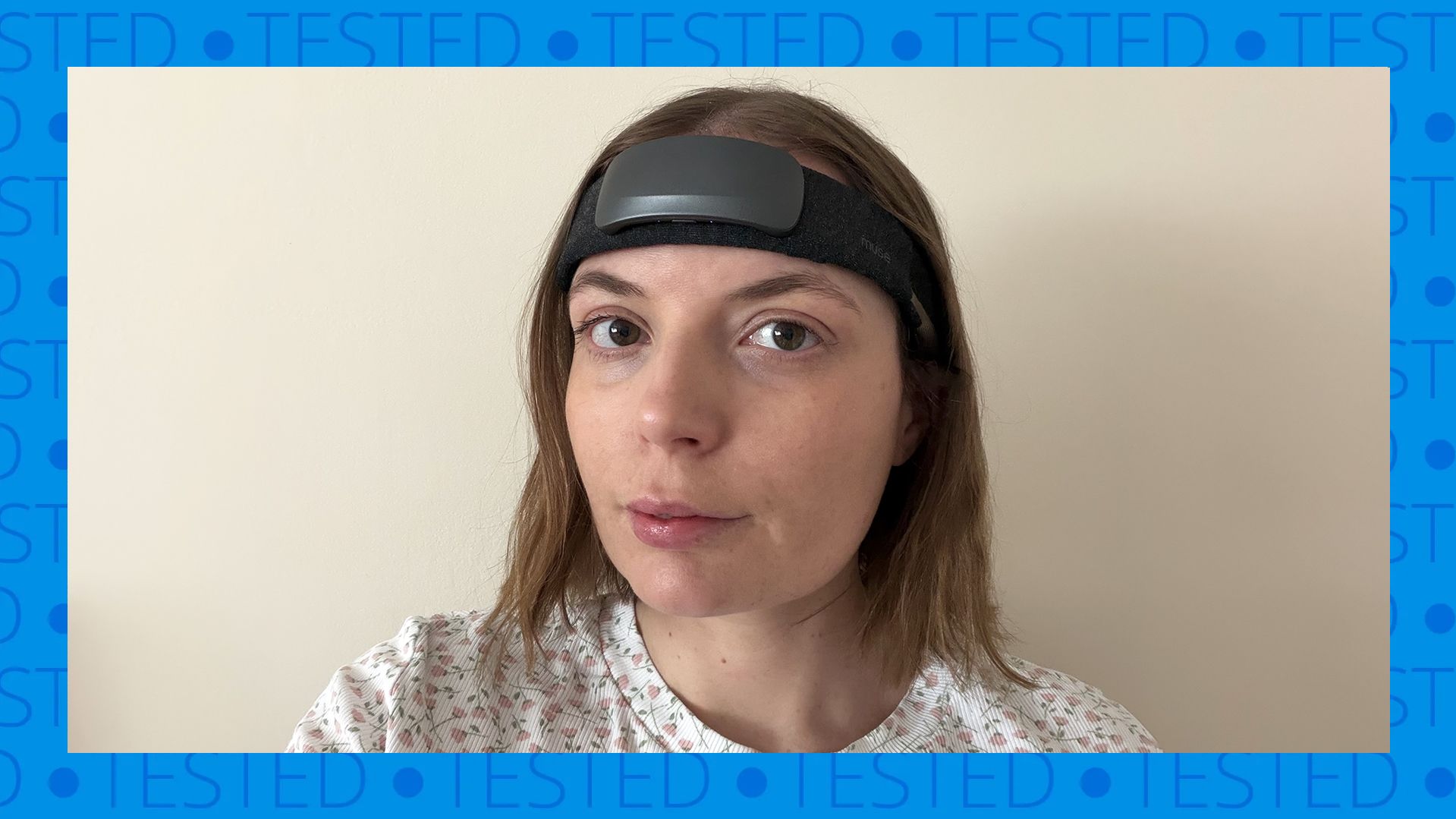
As a sleep tracking aficionado, I love the insight of my Withings Sleep Mat and I've used it to make real changes to my rest. But one thing it won't do is take an active role in getting me better sleep. The Muse S Athena headband, however, promises to improve my sleep while I'm literally snoozing.The best sleep trackers right now are all about the data. But recently tech has started moving beyond simple tracking to responsive intervention. The Muse S Athena with its Sleep Assist and Deep Sleep Boost is at the forefront of this innovation. It helps that it comes with gold-standard sleep tracking, as well.But at $474 for the Muse S Athena Sleep Headband from Amazon, you might expect your sleep tracker to tuck you up with a hot cocoa. I admit, I was a skeptic but after a week of testing one feature has me convinced the Athena can read my mind — and it's using those powers to help me sleep.What is the Muse S Athena Headband?The Muse S Athena Headband is a health tracking wearable that uses in-built sensors to monitor your sleep and brain health. These insights are accessible via the Muse app.But the Muse S Athena doesn't just watch your sleep; it's designed to actively improve it. Using trackers to identify changes in brain signals that indicate different sleep stages, it intervenes using targeted sounds to improve the quality of your sleep.And it's not all about sleep... ish. The Muse S Athena also works as a meditation headband, with courses available in the Muse app.During these meditation sessions, the Muse draws on your data to provide feedback and target the session to your needs. As a result, Muse claims regularly using the headband can improve focus, memory and, yes, sleep.Get instant access to breaking news, the hottest reviews, great deals and helpful tips.How does the Muse S Athena Headband work?Along the straps of the Muse S Athena headband are a series of sensors that sit on your forehead and tuck behind your ears.These sensors carry out three levels of tracking (brace yourself for some acronyms). First, PPG (Photoplethysmography) sensors monitor your heart rate. Next, fNRI (functional near-infrared spectroscopy) tracks changes in blood flow and oxygen in your brain. Finally, EEG (electroencephalogram) sensors monitor the electrical signals in your brain.
I tested the Muse Sleep Headband and it's the secret to instant sleepiness — and it might actually be able to read my mind
This high-tech sleep tracker monitors your brain waves to actively improve your sleep, while you sleep.
1,109 words~5 min read