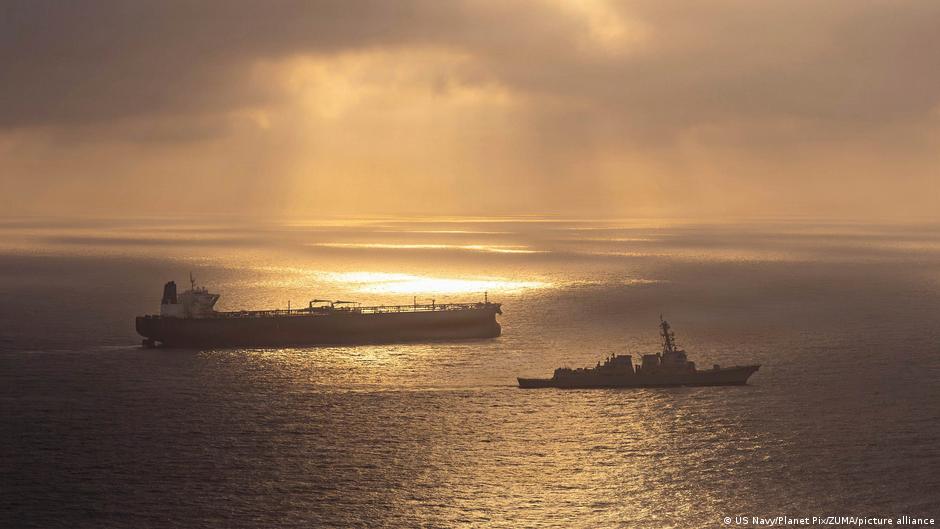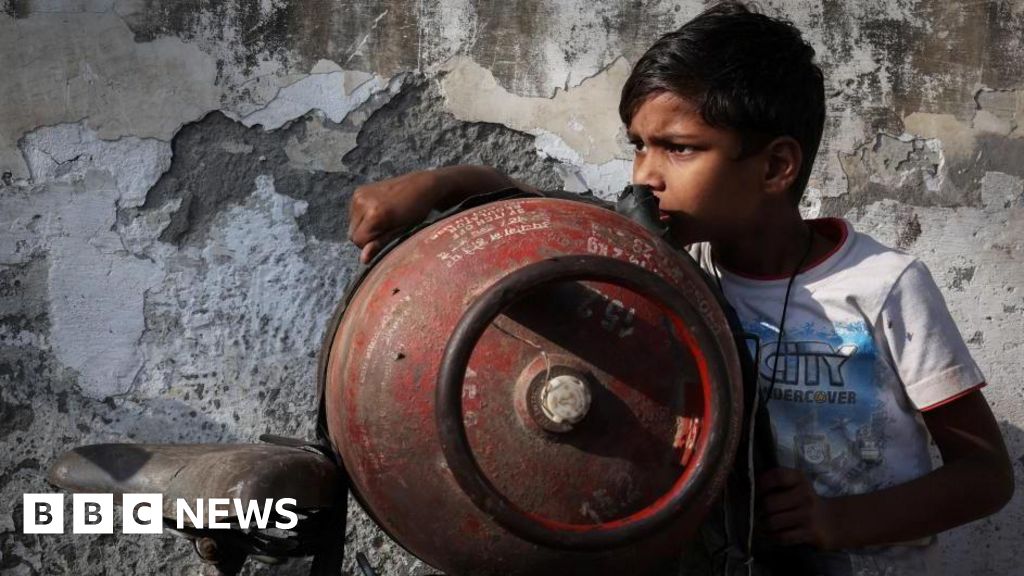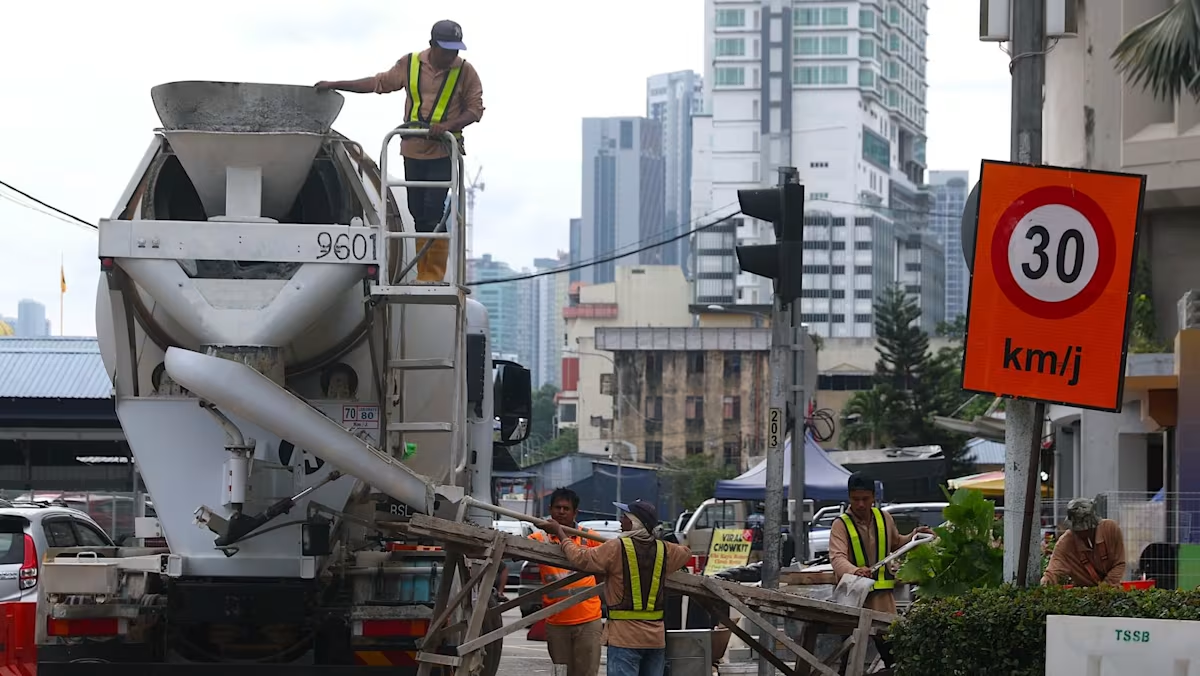
SINGAPORE: More than three months into the war on Iran, the aftershocks from disrupted Middle Eastern energy and shipping routes are being felt far beyond the oil market, from road construction sites in Malaysia to food and beverage operators in Indonesia. The conflict has disrupted trade through the Strait of Hormuz - a vital chokepoint for oil and gas supplies heading to Asia - driving up costs of not only fuel and petroleum-based materials, but also less obvious goods, across the region. For Malaysian contractor Sukumar Subrayalu, founder and managing director of Sugu Construction, the impact has been profound.The price of bitumen - a key material used in road and pavement works - has surged some 70 per cent from around RM1,700 (US$430) to nearly RM2,900 per tonne, while diesel prices have jumped by more than 80 per cent, he told CNA. Suppliers are revising prices at short notice, squeezing contractors already locked into fixed-price agreements, Sukumar added. “At this stage, the industry is facing more of a price volatility issue rather than a complete supply shortage,” he said.“While supply is still available, contractors are facing challenges in budgeting and cost forecasting because prices can change within a short period of time.”

100 days into Iran war: How rising costs are hitting consumers and businesses in Southeast Asia
As the war on Iran marks its 100th day on Monday (Jun 8), CNA looks at how the geopolitical crisis is filtering into everyday life across the region.
2,813 words~13 min read