We have all hit the "monolithic LLM wall."
You design an incredibly capable AI agent, arm it with a suite of tools, and give it a complex, multi-step task—like writing a comprehensive technical paper complete with data analysis, web research, and code verification. At first, it works beautifully. But as the steps accumulate, the context window fills up. The agent begins to experience "attention drift." It forgets its original instructions, hallucinates tool outputs, and eventually spins out of control, burning through millions of tokens and your API budget.
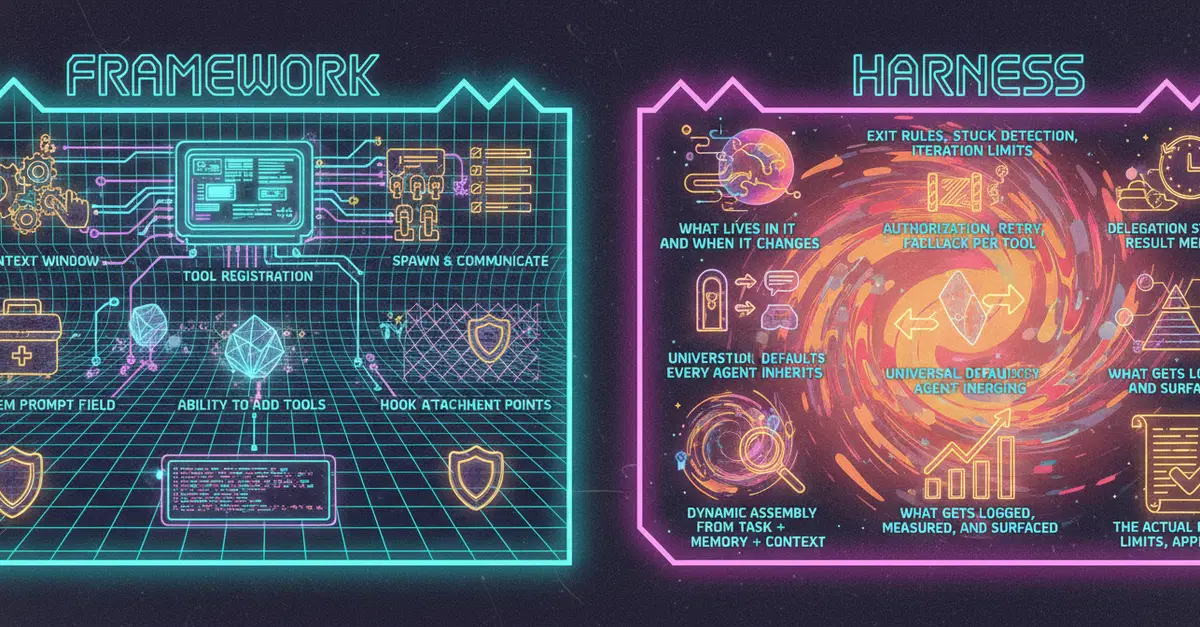
The problem isn't the LLM's reasoning capacity; it’s the architecture. Trying to solve a complex, multi-domain problem within a single agent’s context window is the modern software equivalent of writing an entire enterprise application inside a single, monolithic main() function.
To build AI systems that can scale to handle real-world complexity, we must transition from monolithic agents to hierarchical multi-agent orchestration.
By decomposing complex goals into isolated, specialized sub-agents—each operating within its own bounded context and resource budget—we can build resilient, self-improving AI systems that scale indefinitely.