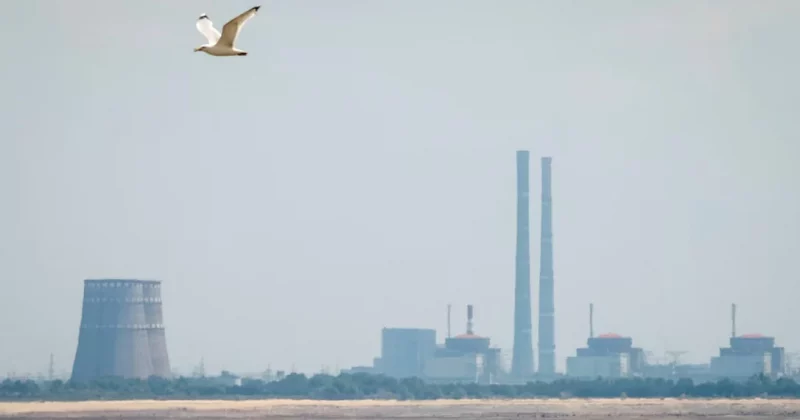
The International Atomic Energy Agency pulled off something that sounds almost paradoxical on June 5, 2026: convincing two countries at war with each other to stop shooting long enough to fix a power line. The ceasefire, localized to the area around Ukraine’s Zaporizhzhia Nuclear Power Plant, exists for one reason. Without external electricity, the plant’s cooling systems fail, and cooling system failure at a nuclear facility is the kind of problem that doesn’t respect borders.
This is the sixth such truce the IAEA has brokered since late 2025. The diplomatic mechanism works. And the underlying problem keeps recurring.
What’s actually being repaired
The target of the ceasefire is the 750 kV Dniprovska power line, which serves as the primary conduit for external electricity to the ZNPP.
All six reactors at Zaporizhzhia have been offline for over three years now. The plant hasn’t generated a single watt of commercial power since Russia seized it in early 2022. But “offline” doesn’t mean “inert.” Spent nuclear fuel still sits in cooling pools, and those pools need a constant flow of electricity to run pumps and maintain safe temperatures.