In an era increasingly defined by economic competition, technological disruption and cultural influence, the most successful nations are no longer merely those endowed with abundant natural resources, but those capable of transforming their cultural heritage into strategic capital for sustainable development.
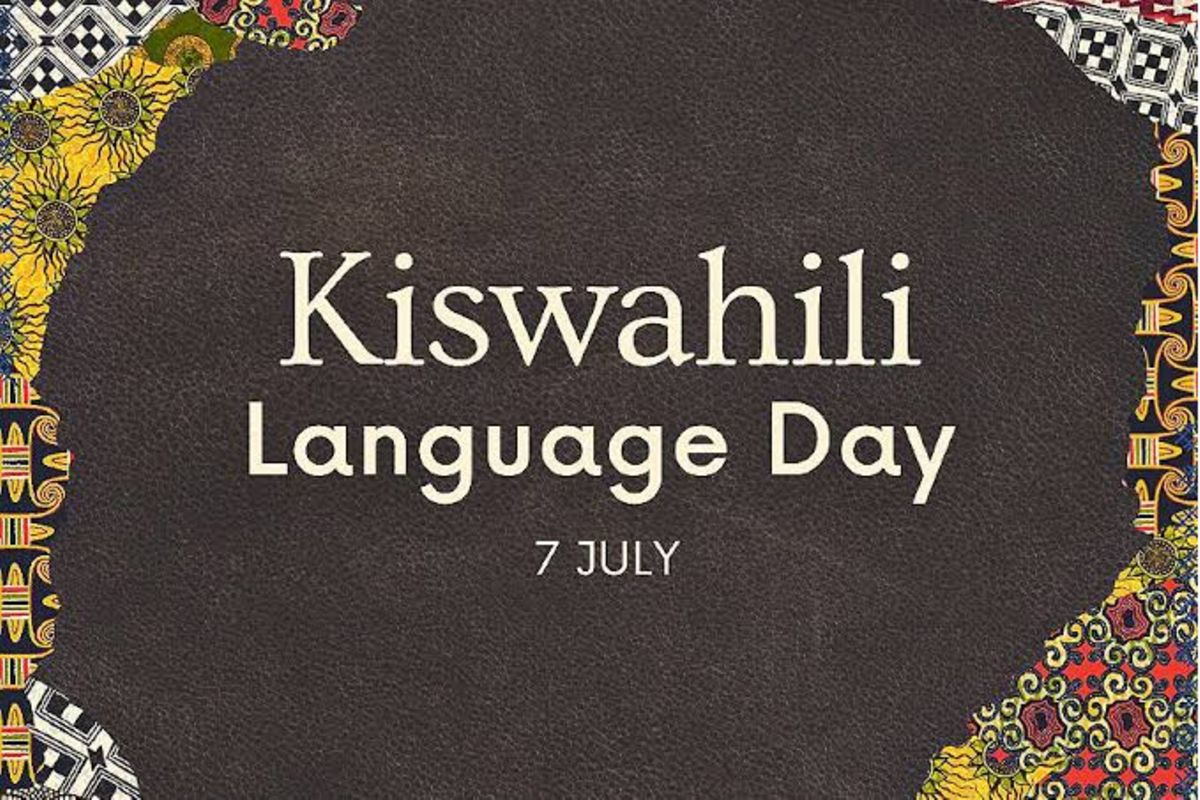
Tanzania stands uniquely positioned in this global landscape through Kiswahili, a language that has evolved beyond communication into a powerful instrument of national unity, African identity and international influence.
Today, Kiswahili represents a unique linguistic legacy. It is a key economic asset with the huge potential to accelerate Tanzania’s socio-economic transformation, deepen cultural diplomacy, expand employment opportunities for youth, empower women and rapidly strengthen the country’s growing tourism sector.
Also Read
Jua Kali: A quiet glimpse into the everyday life of a househelp