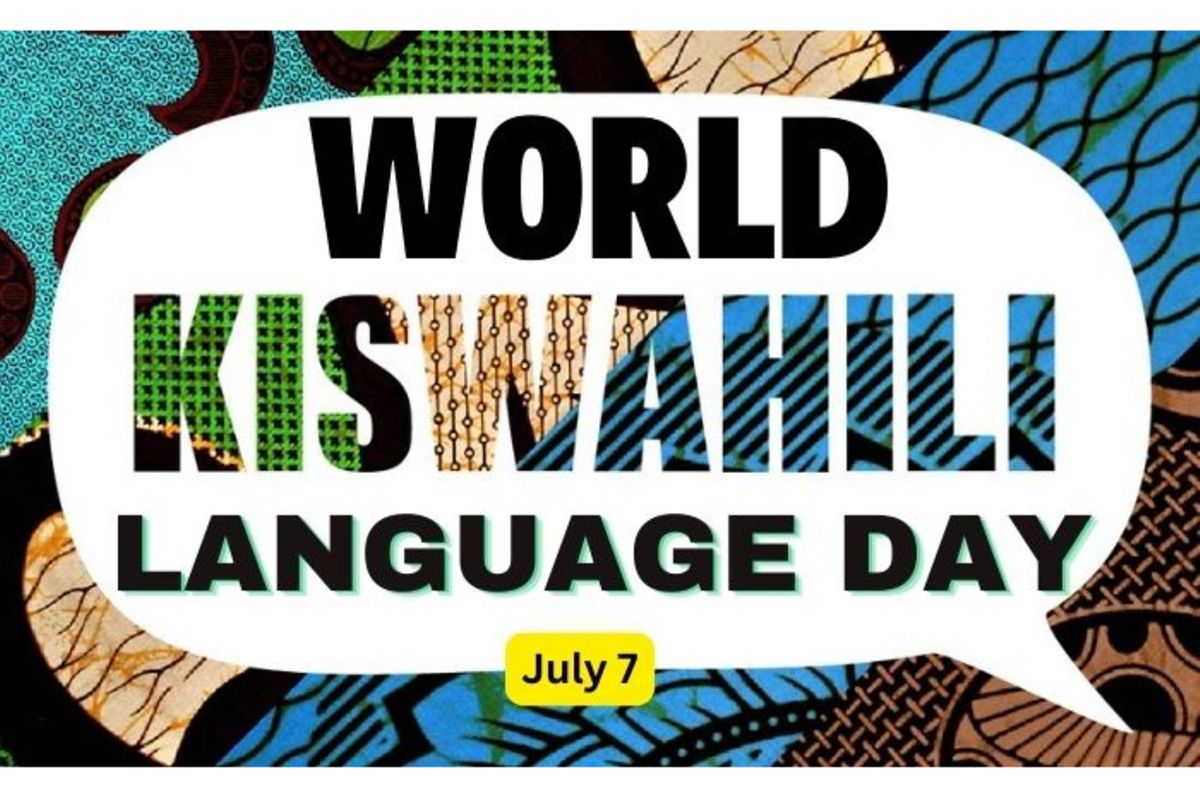
World Kiswahili Language Day, observed annually on July 7, is far more than a celebration of a language spoken by more than 200 million people. It is a recognition of Africa's growing cultural influence and a reminder that languages are not merely tools of communication. They are repositories of history, identity, knowledge and shared values.
This year's theme, Kiswahili for Peace, Solidarity and Global Economic Diplomacy, reflects the language's expanding international significance and its ability to connect people across borders. It serves as a lingua franca across East, Central and parts of Southern Africa and is an official language of the African Union, the East African Community and the Southern African Development Community.
Its widespread use has enabled people from diverse ethnic and linguistic backgrounds to engage in trade, education, governance and cultural exchange without sacrificing their own indigenous identities. Its remarkable journey stretches back centuries.
Also Read
Kiswahili Week 2026: Celebrating Africa’s cultural civilisation