This article was produced with the support of Africa Soft Power Group
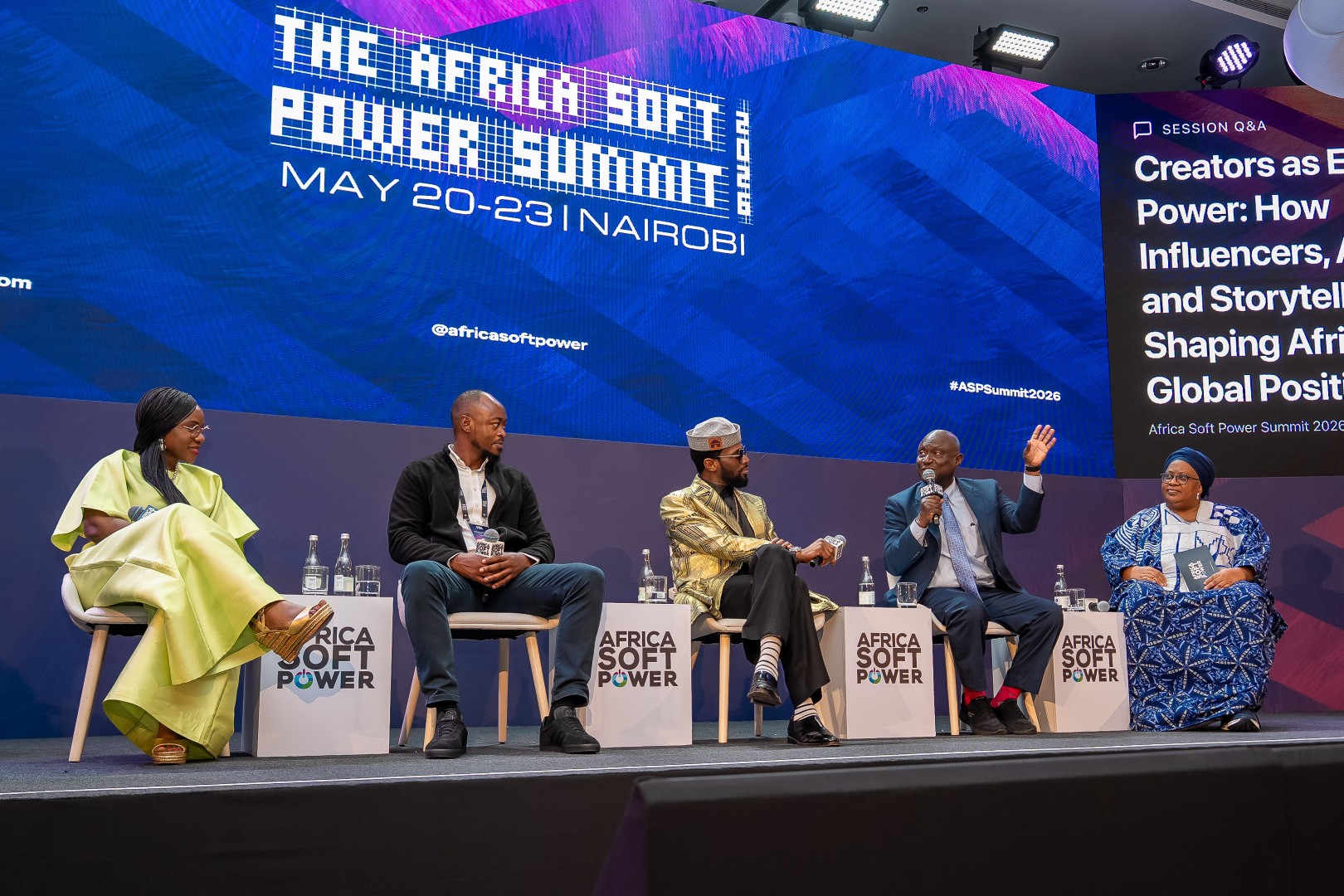
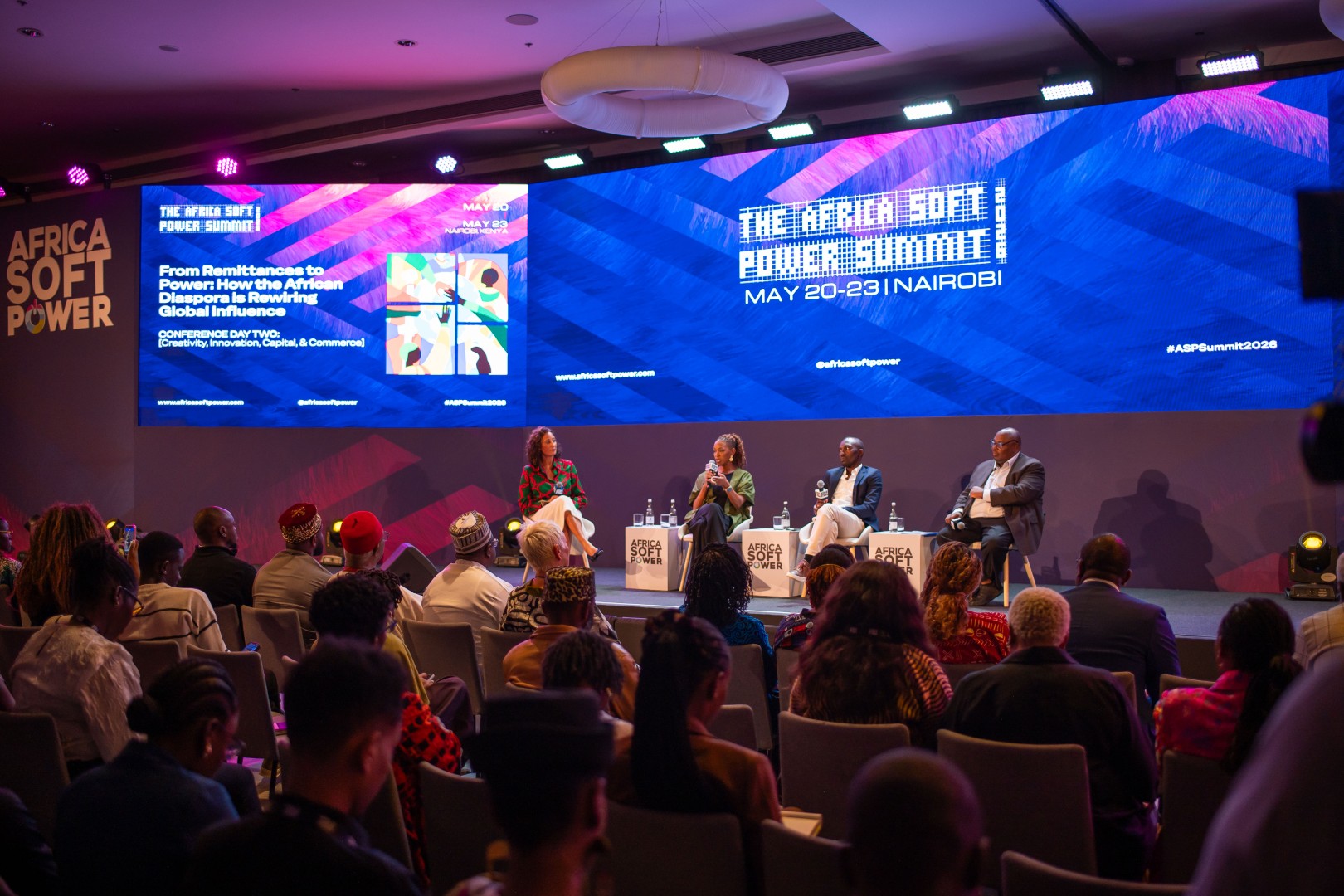
At the Africa Soft Power Summit in Nairobi, leaders examined how the continent can convert its rapidly growing cultural influence into economic power and inclusive growth to support its young, fast-growing population.
They warned that while Africa’s cultural influence is undeniable – spanning music, film literature, sports, media and other sectors – most of the economic benefits do not reach the individuals and communities that generate the bulk of this value on the continent.
The ownership, infrastructure, and capital needed to retain that value at home is still underdeveloped. This often pushes African talent to foreign-controlled firms which inevitably capture most of the profits. Africa gets the recognition and applause, but the financial returns needed to fund the industry’s growth and create sustainable jobs flow elsewhere. Reversing this dynamic and giving Africa real beneficial ownership over its own identity and culture was the key focus of discussions during the two-day summit.
Speaking at the opening ceremony, Ummi Bashir, permanent secretary in Kenya’s state department for culture, the arts and heritage, underscored the alignment between the summit’s vision and Kenya’s cultural policy.