This article was produced with the support of Africa Soft Power Group
For two decades and more, the economic case for Africa’s creative and digital industries has been made largely in the language of promise. The projections have been compelling, the talent self-evident, and the cultural output undeniable, yet the financial architecture and institutional machinery to match have consistently lagged behind.
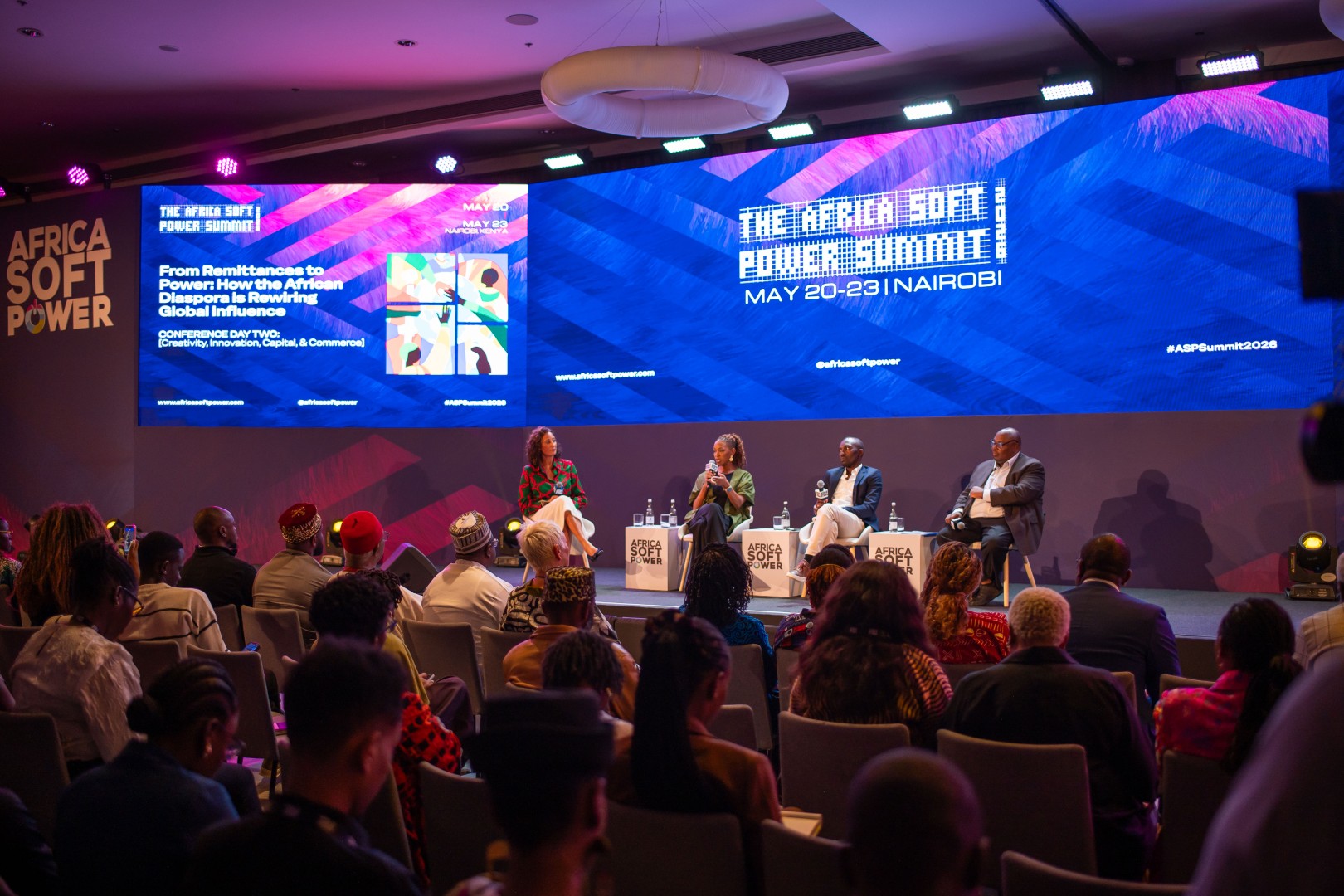
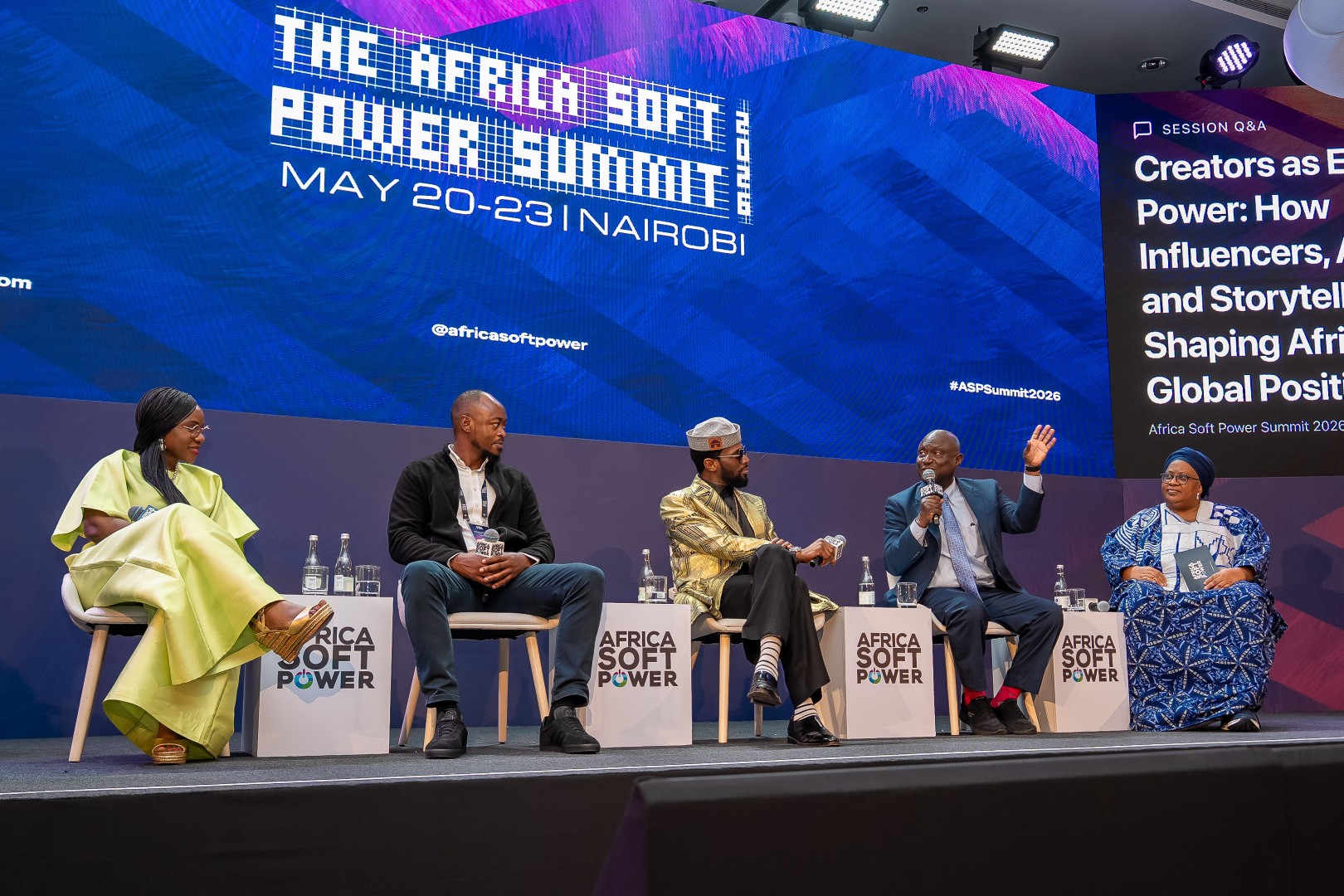
That was the argument running through the second day of the seventh Africa Soft Power Summit, held on May 22, 2026, at the Hyatt Regency Nairobi. Across four sessions spanning artificial intelligence, diaspora finance, investment strategy, and the business of creative production, the message was that the lag is closing, and closing faster than the conventional narrative about African markets has been prepared to acknowledge.
The day’s focus, “Creativity, Innovation, Capital, and Commerce”, was less a celebration of African creativity than a discussion about what it now requires: capital that understands the market, institutions that can carry risk, technology built with African users in mind, and commercial structures that allow value to remain where it is created.
Opening the day’s proceedings, Alhaji Dr. Umaru Kwairanga, Chairman of the Nigerian Exchange Group, set the terms plainly. For too long, he argued, Africa’s creative economy had been treated by financial institutions as something to celebrate, perhaps to sponsor, but not to take seriously as an investment thesis. That framing, he said, must change faster. “The window in which Africa can shape the terms of that transition, rather than inherit them from elsewhere, is open now, and it will not stay open indefinitely.”