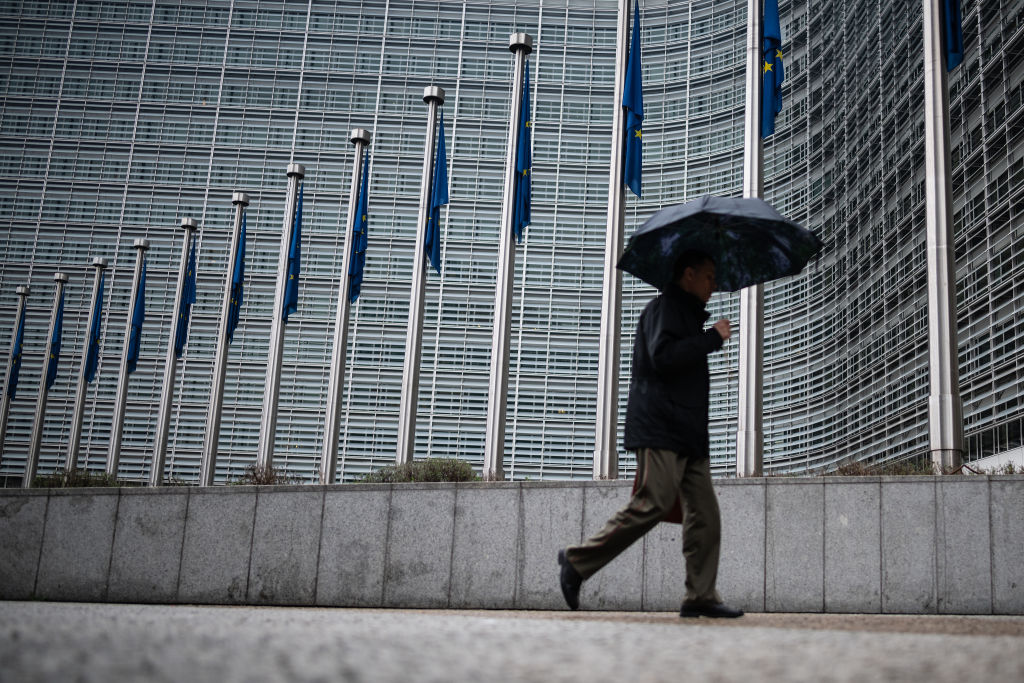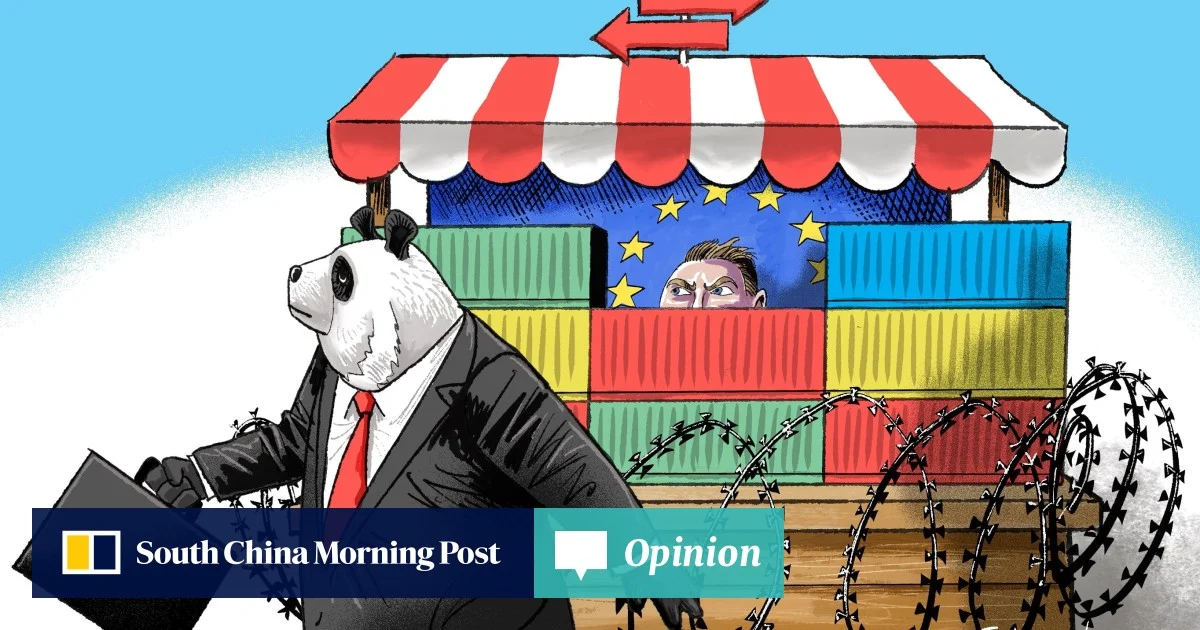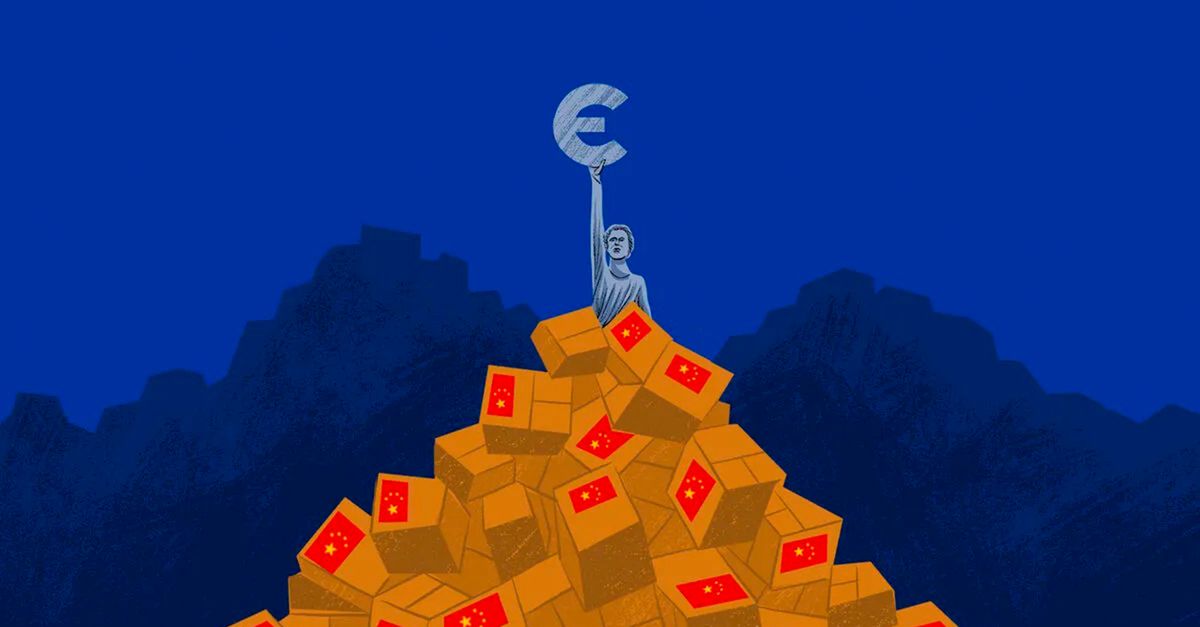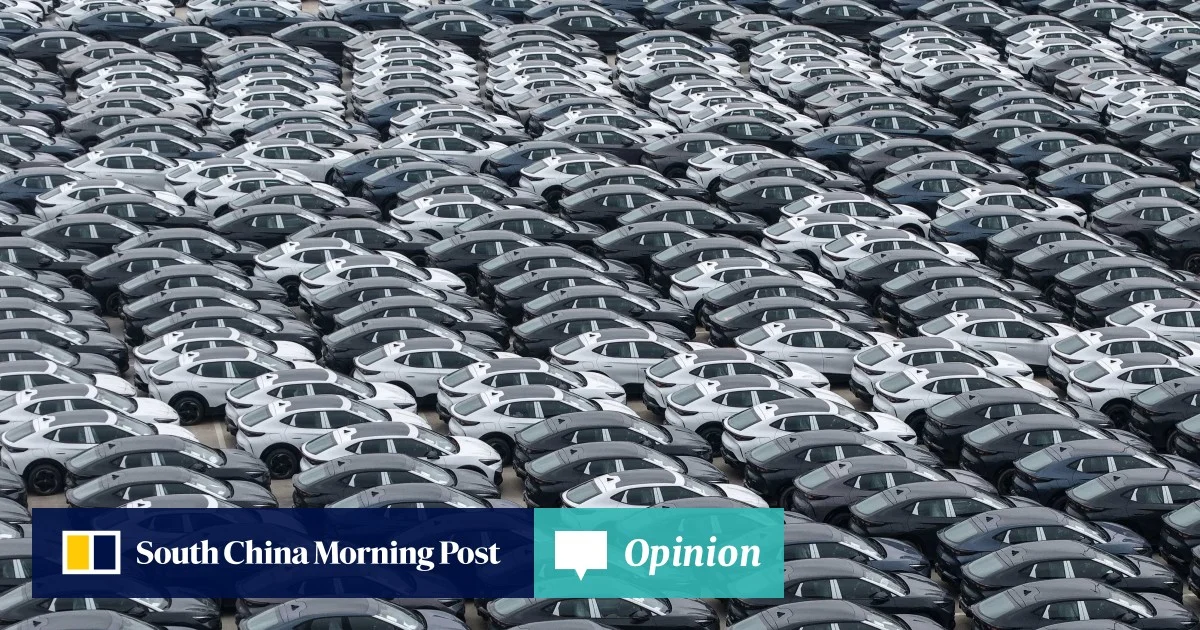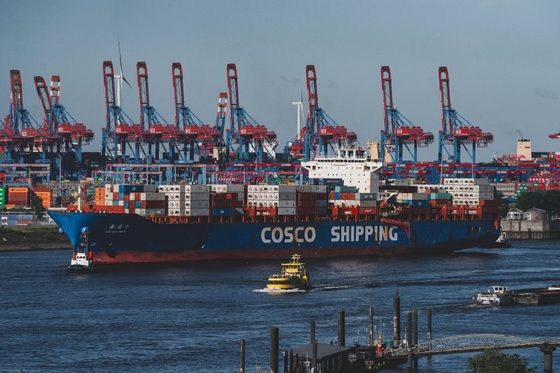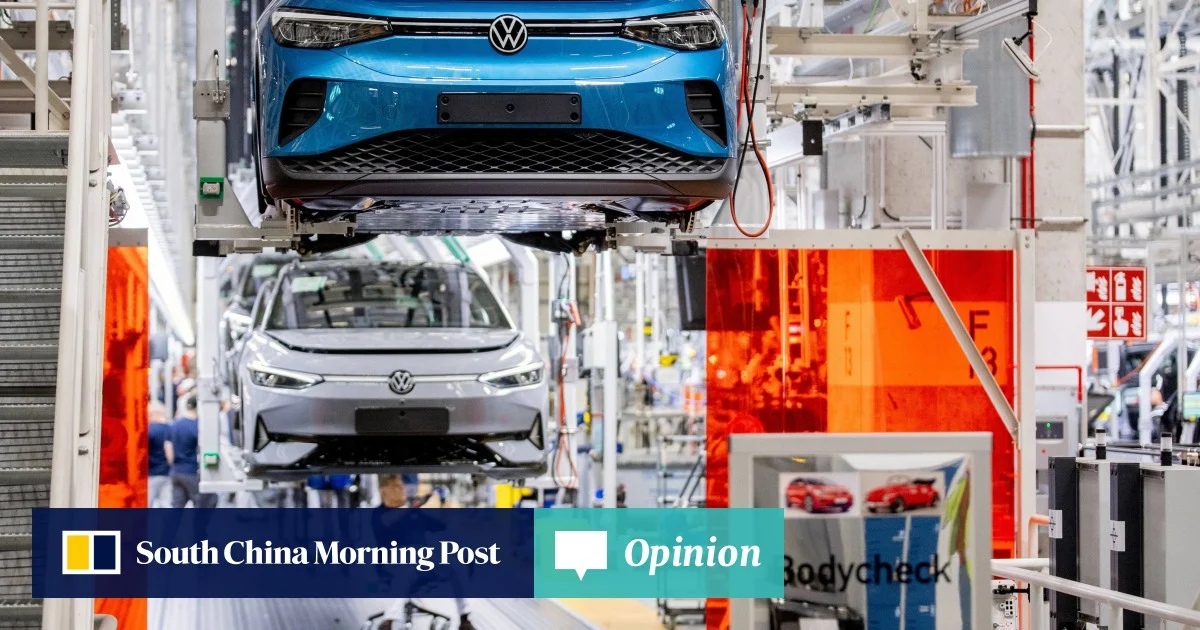
Although it is not technically at war, the EU is in many ways already in a state of armed conflict – particularly in how it makes sense of its own predicament. Belligerent language is especially prevalent in Brussels, where EU officials and commentators appear incapable of construing any subject – least of all economics – in non-militaristic terms.JOIN US ON TELEGRAMFollow our coverage of the war on the @Kyivpost_official. The US and China, we’re told, are gaining ground on Europe. Western sanctions are devastating Russia’s economy. Chinese exports are laying waste to Europe’s industrial base. Regulations are throttling Europe’s businesses. And Donald Trump’s tariffs are pounding EU exporters. The policy prescriptions are equally bellicose. Europe’s defence sector must be strengthened. Its economic security should be bolstered. Red tape should be slashed. And Brussels’ trade bazooka might even be fired. Such conceptual militarism is certainly understandable. After more than four years, Russia’s war on Ukraine is still raging; the months-long US-Israeli conflict with Iran is still simmering; and trade wars with China and America are threatening to morph into something considerably more sinister. But it is not justifiable. For one thing, the metaphors themselves are often nonsensical. Tariffs, for instance, are taxes that are typically paid by importers, rather than exporters. This is particularly true in the case of Trump’s levies: the Kiel Institute, a German think-tank, has found that 96% of the tariff burden has been borne by American consumers and firms. If Trump is pounding anyone, it’s himself.
How the EU’s Obsession With Economic Warfare Metaphors Risks Global Trade Conflict
Analysts caution that the EU’s constant framing of trade, economics, and competitiveness in zero-sum, martial terms risks exacerbating real-world conflicts and harming consumers.
1,064 words~5 min read