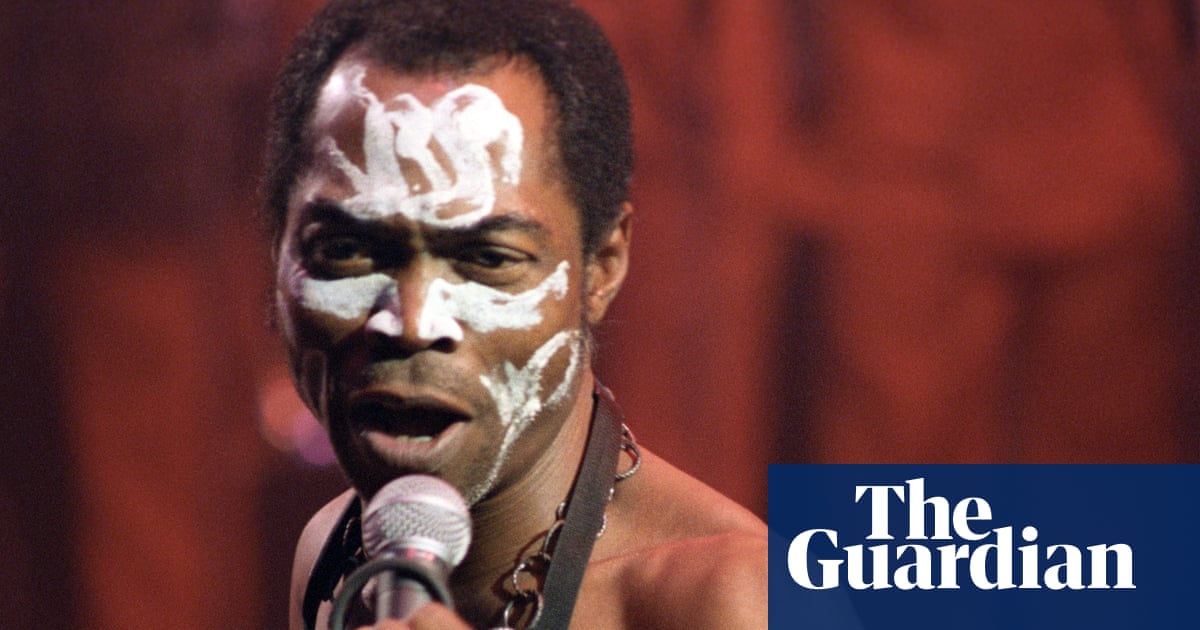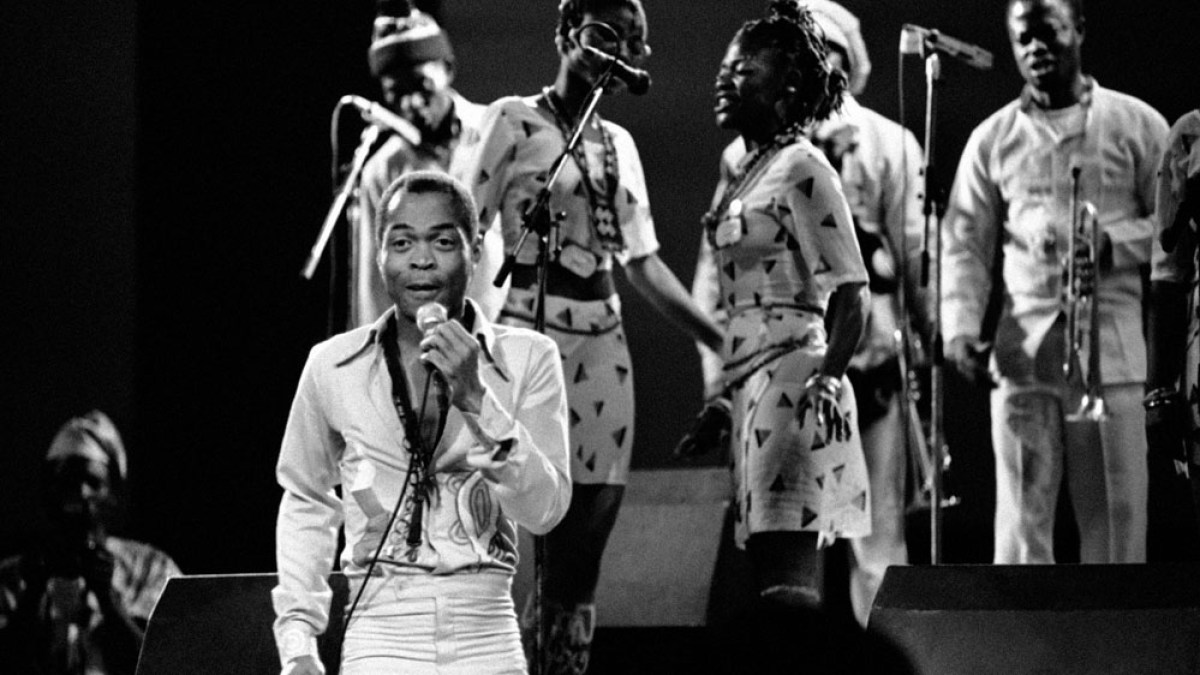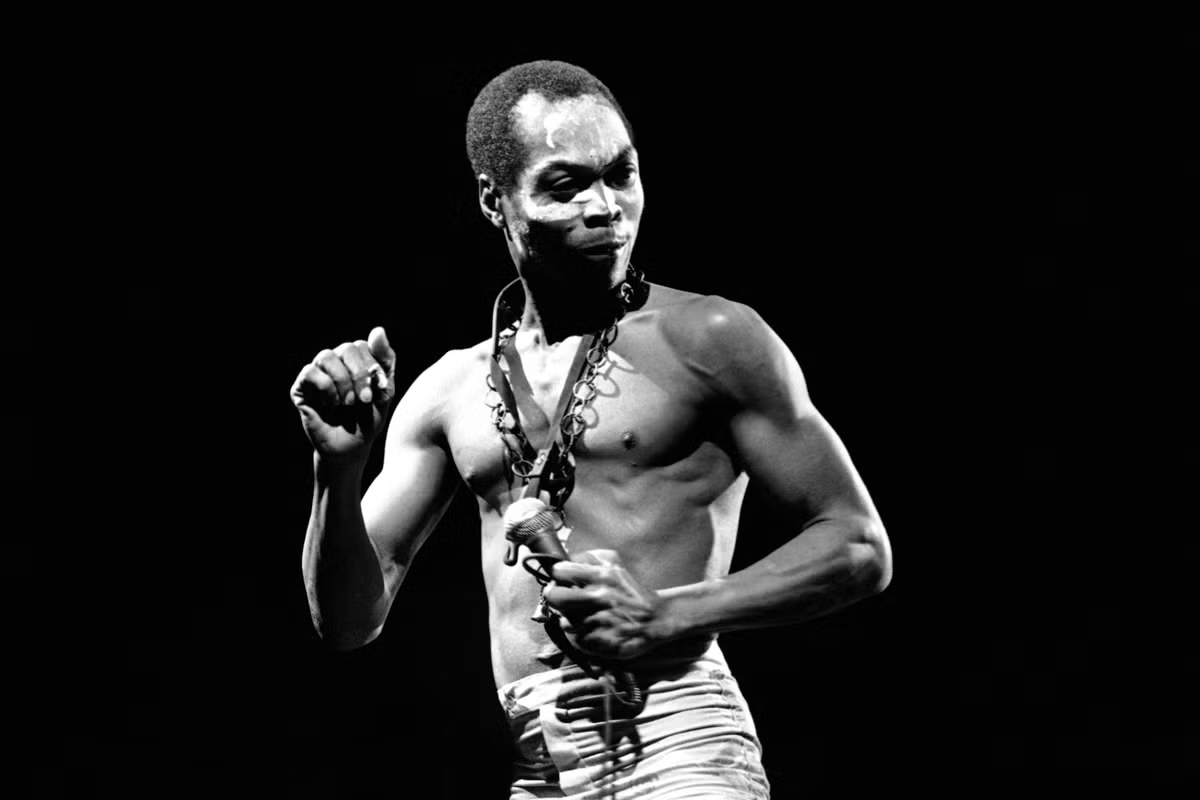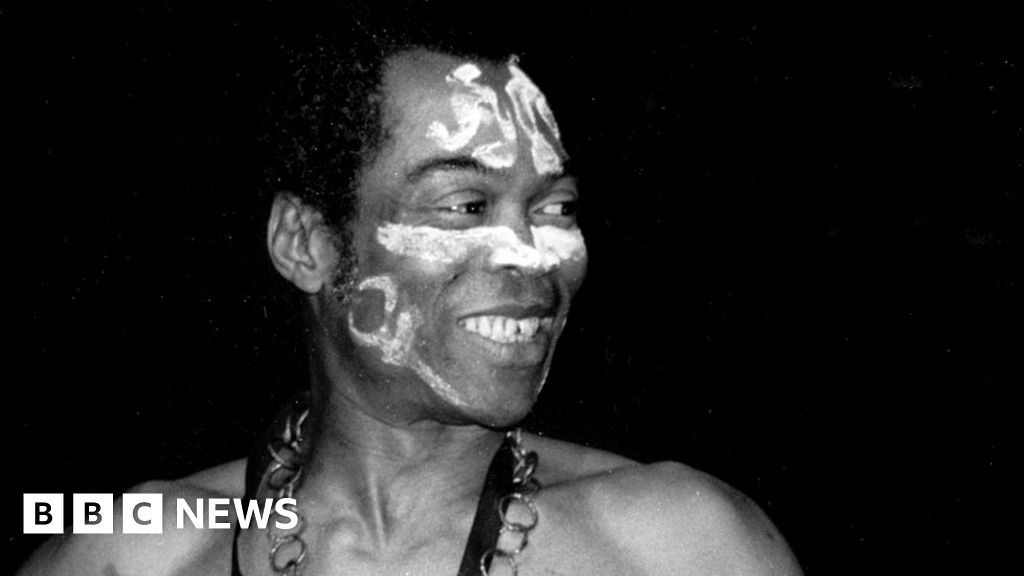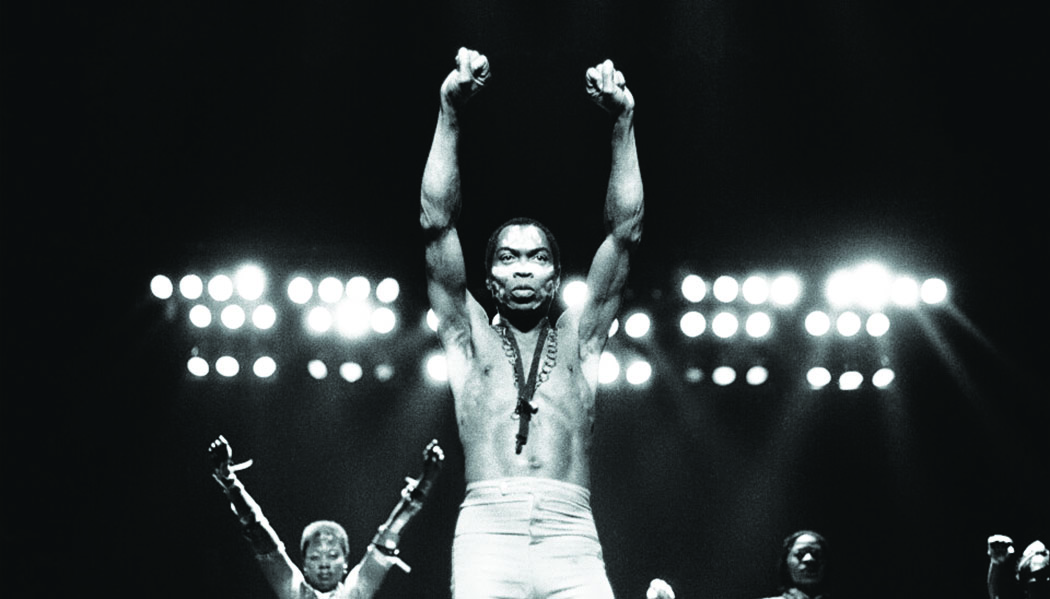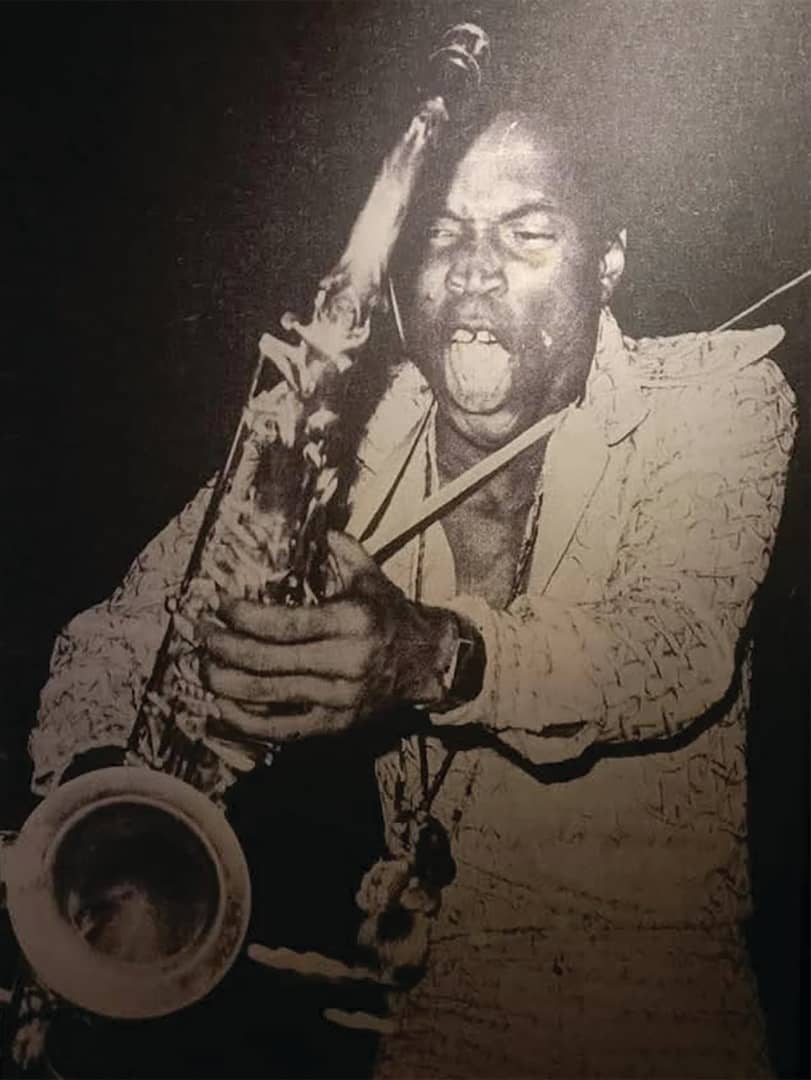
At the 1978 Berliner Jazztage, Fela Kuti did not simply perform; he staged a political, spiritual and musical confrontation that marked both the peak and the breaking point of Africa 70.
By the time Fela Anikulapo Kuti walked onto the stage of the Berlin Philharmonie in 1978, he was no longer merely Nigeria’s most dangerous musician. He had become a moving republic, a wounded prophet, a bandleader at the head of one of the fiercest ensembles in modern music, and a political dissident whose sound had already outgrown the nightclub, the studio and the nation-state.
The performance, staged as part of the Berliner Jazztage, now known as the Berlin Jazz Festival, has since acquired almost mythical significance. The official Berliner Festspiele archive lists the concert as taking place at the Philharmonie on November 4, 1978. It describes it as both the “high point” and the “end” of the Afrobeat big band Africa 70, founded by Fela and Tony Allen.
That description is not an exaggeration. Berlin 1978 was Fela at full voltage: musically expansive, politically combative, visually radical and spiritually theatrical. It was also the night when one of the greatest bands ever assembled around an African popular musician approached the end of its original life.