The Nairobi Summit may have signalled the beginning of a more equal Africa-Europe relationship, argues SENATOR IROEGBU
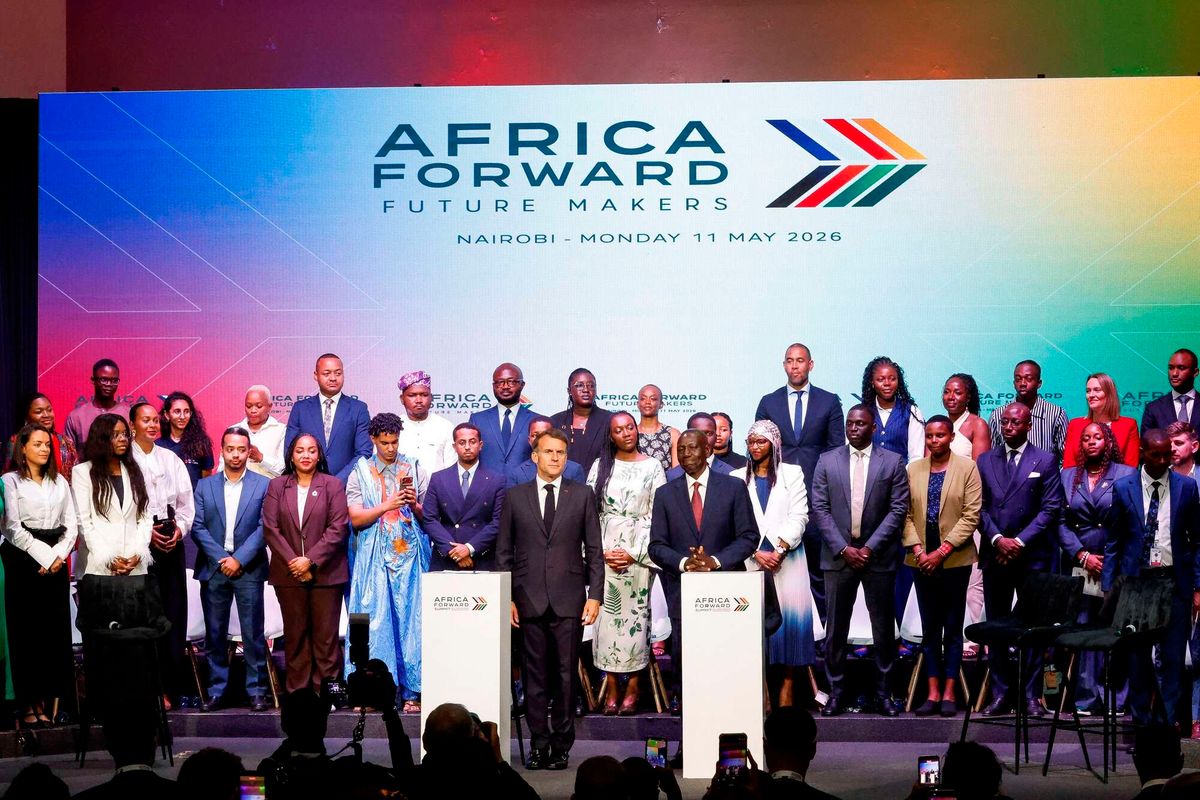
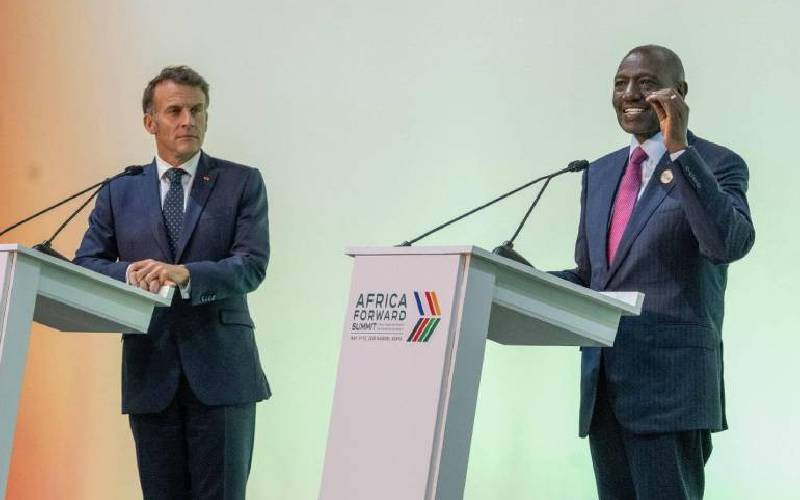
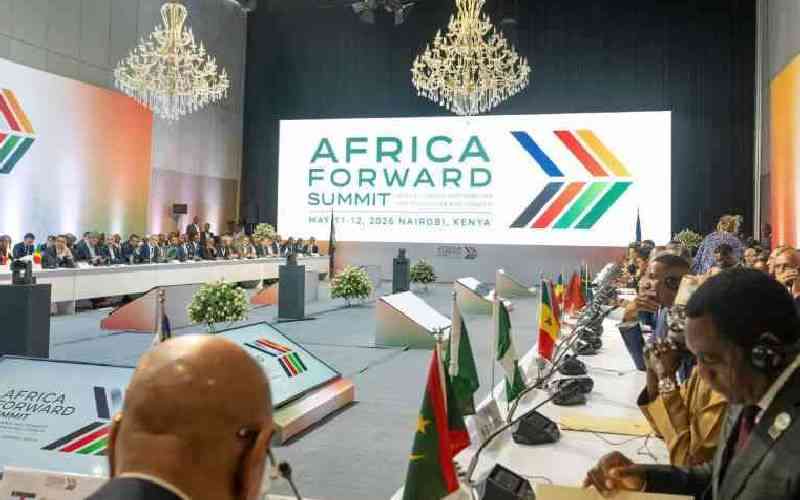
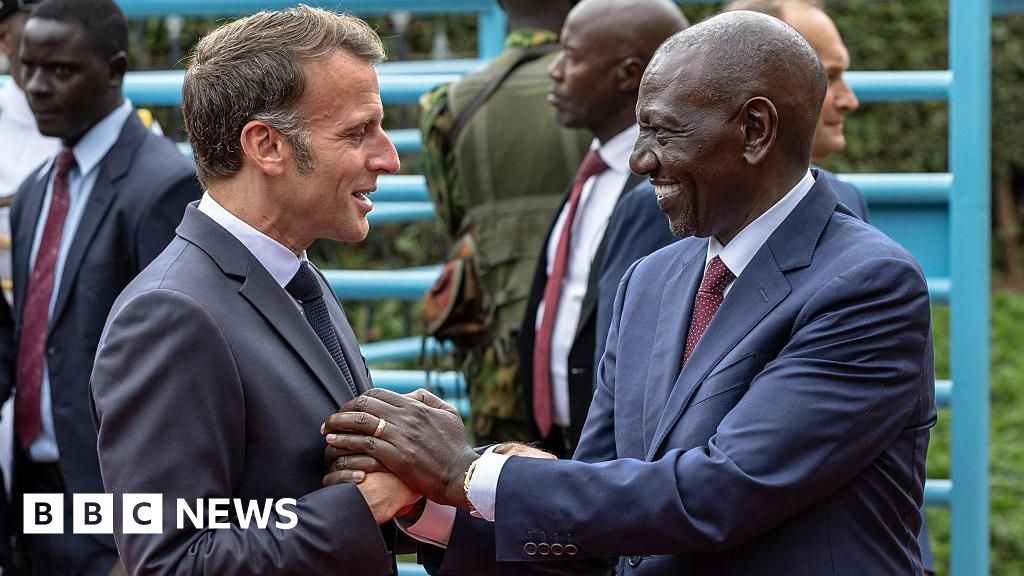
Something shifted in Nairobi. It was not the numbers, though the numbers were striking. It was not the speeches, though some were worth hearing. What shifted was the room’s geography — and the logic behind the conversation. For the first time, France and an African country co-chaired an Africa-France summit on African soil, with President Macron and President Ruto standing side by side as equals, not host and supplicant.
For decades, Africa’s engagements with major global powers have followed an almost predictable script. African leaders are invited to Paris, Washington, Beijing, Moscow, Brussels, or New Delhi. Red carpets are rolled out. Grand declarations about “strategic partnership” are made. Communiqués are signed. Photographs are taken. Then everyone flies home, while very little changes for ordinary Africans. The imbalance was often visible even in the choreography of these summits. Africa appeared less like an equal negotiating bloc and more like a guest invited to seek assistance, security guarantees, investment, or development aid.
The Africa Forward Summit, held in Nairobi on May 11 and 12, broke that script in key important ways. Nairobi appeared different in tone, structure, and ambition. For once, the summit was held on African soil, not in Europe. For once, the conversation shifted from aid to investment, from dependency to co-production, and from diplomatic rhetoric to commercial engagement. That distinction matters greatly, inspiring confidence in the possibility of meaningful progress.