Audio By Vocalize
For decades, refugee response systems across Africa were built around emergency relief. Food aid, fuel deliveries, and donor-funded operations formed the backbone of humanitarian assistance. But shrinking global aid budgets, rising displacement, and worsening climate pressures are now forcing governments and humanitarian agencies to rethink the future of refugee management.
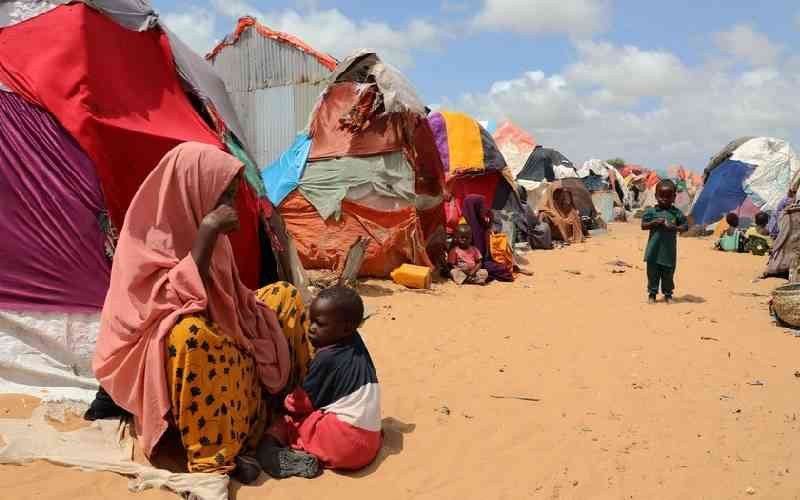
According to UNHCR, as of April 30, 2026, Kenya hosts 847,780 refugees and asylum-seekers, making it one of Africa’s largest refugee-hosting countries. Dadaab alone hosts more than 414,000 refugees and asylum-seekers, while Kakuma and Kalobeyei continue to shelter hundreds of thousands more.
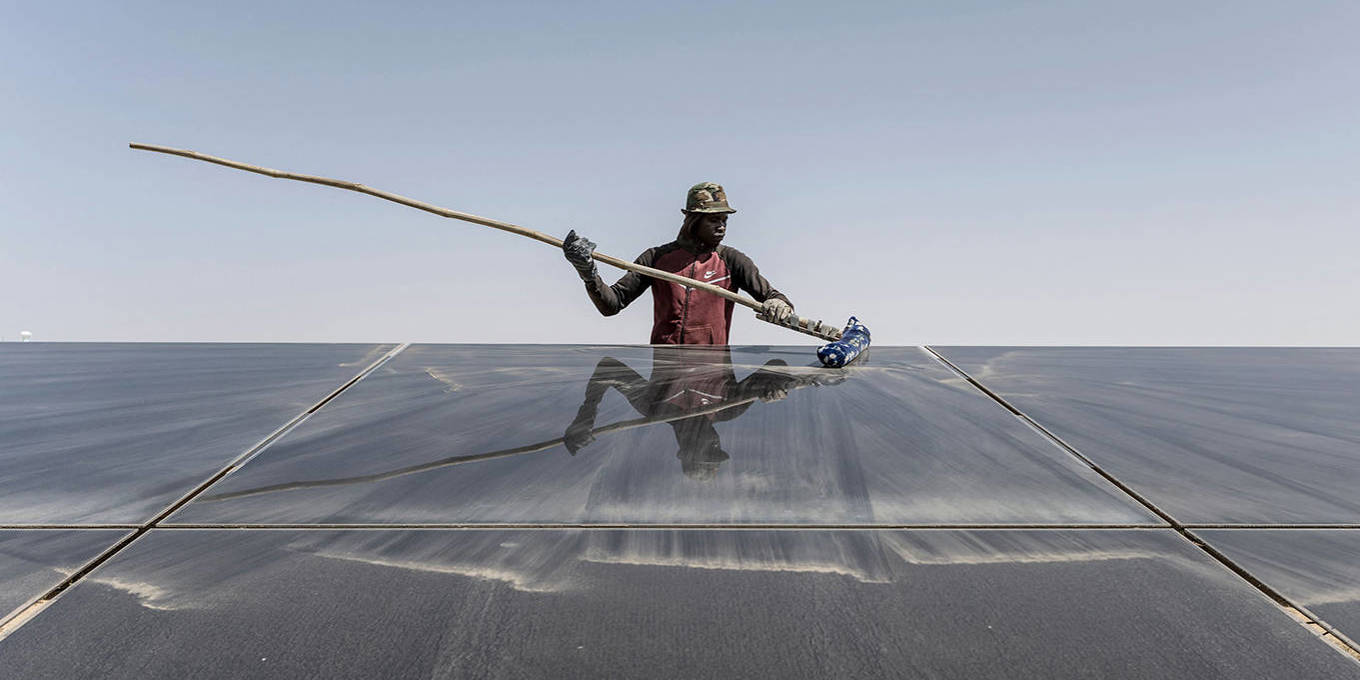
As humanitarian needs rise, traditional aid systems are increasingly strained and financially unsustainable. Recent aid cuts and food ration reductions have further exposed the vulnerability of systems heavily dependent on external humanitarian financing. At the same time, rising fuel prices and supply chain disruptions have exposed fragility of fossil fuel-dependent humanitarian operations. Across refugee-hosting areas, renewable energy is emerging not only as an environmental solution, but also as an economic and operational necessity. In Kakuma and Kalobeyei, solar mini-grids, solar home systems, and clean-energy enterprises are steadily transforming access to affordable and sustainable power for households, businesses, schools and community.