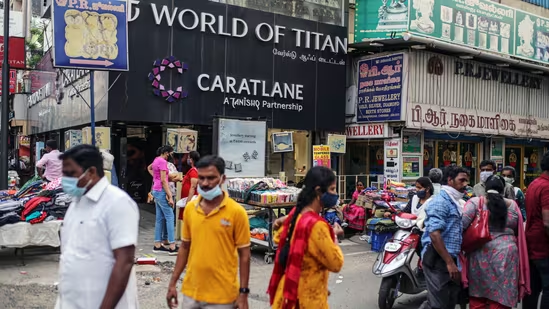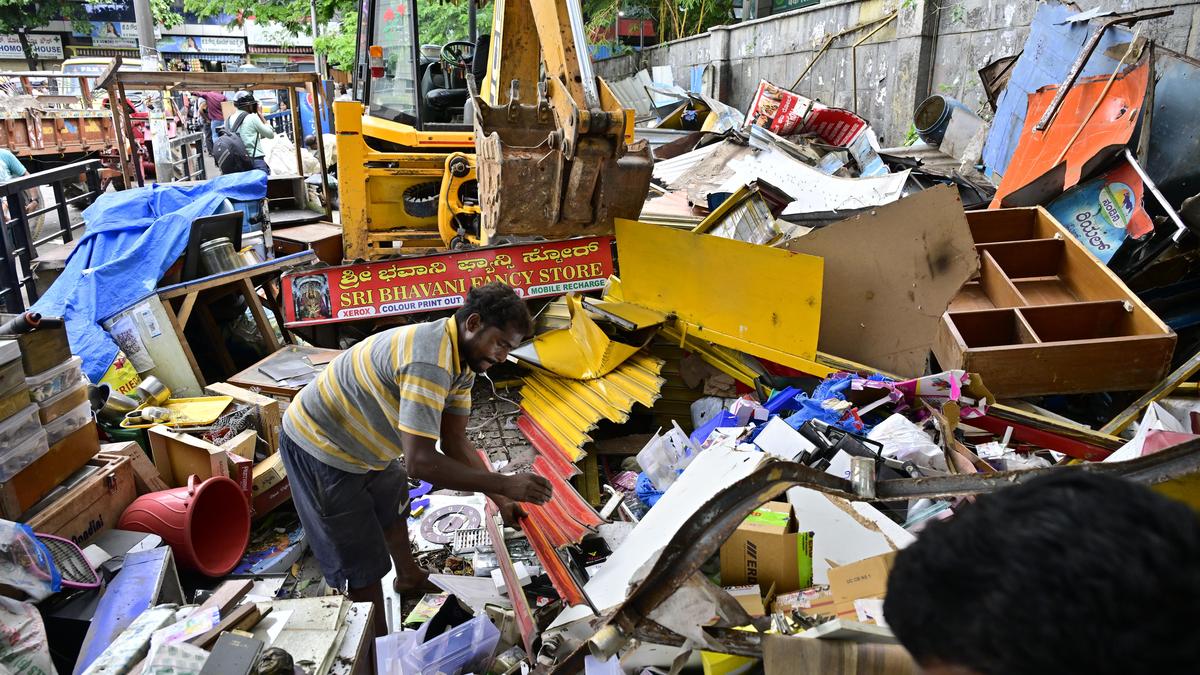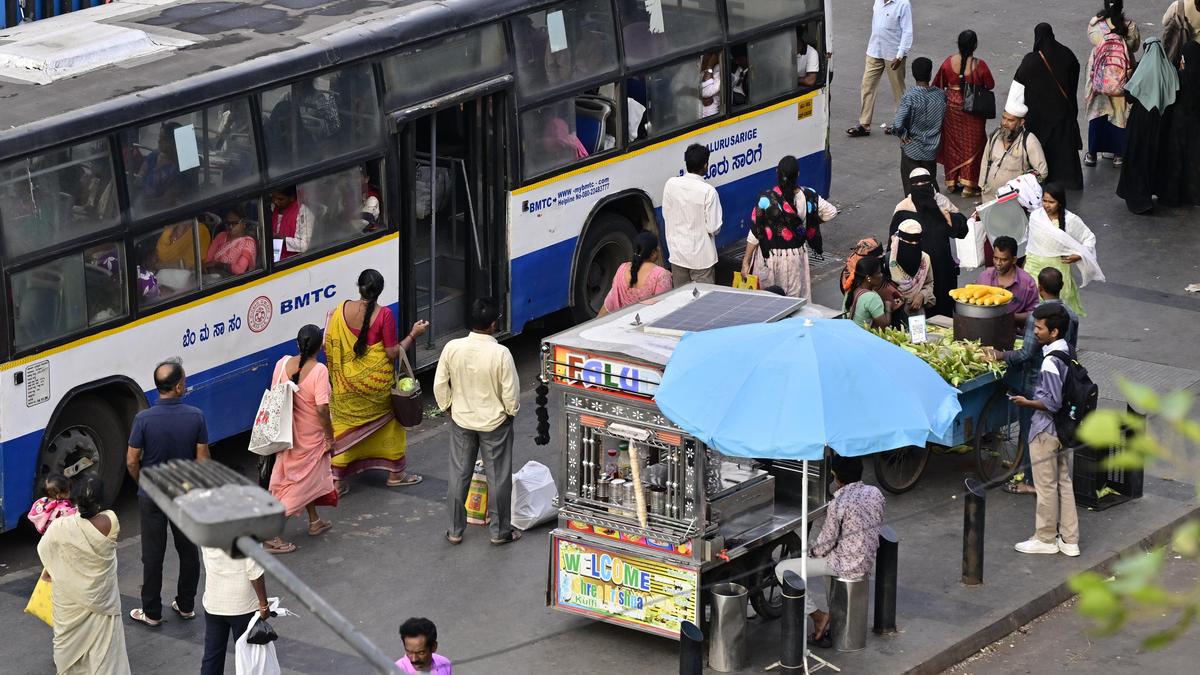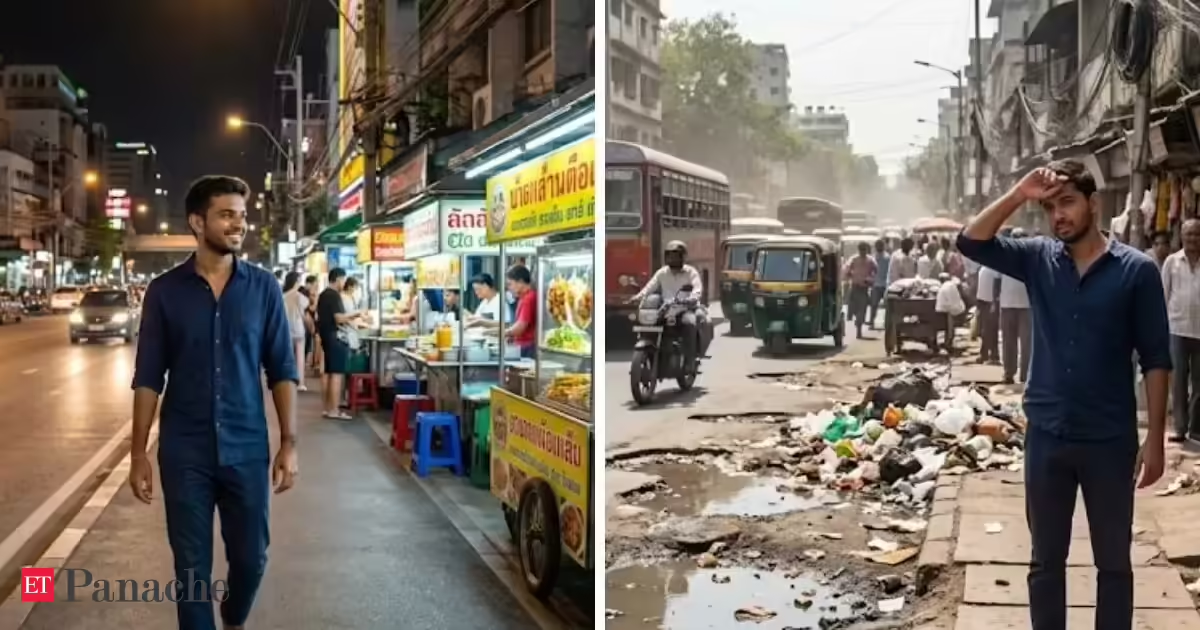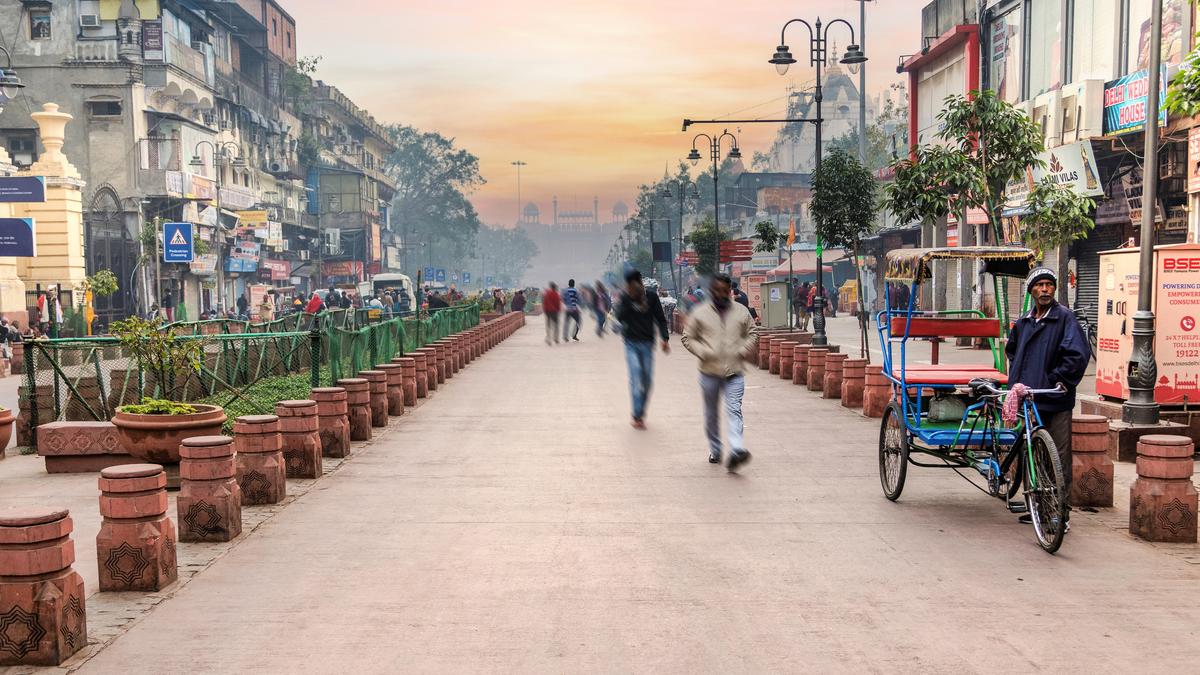
Hawkers are being removed from streets across India. This can be counterproductive on many fronts. “With activities [like hawkers], there’s vigilance that is not [related to] police presence,” explains Vidya Tongbram, an architect from New Delhi, who worked on the Chandni Chowk redevelopment project. “It actually makes the environment safer rather than having a sterile space.”In the search for clean aesthetics, infrastructure development in India is stripping cities of their unique identities, and their masses. “The way we design these modern, monstrous cities… is clearly drawn through lines of who belongs and who doesn’t,” says journalist and writer Sameera Khan. “The marginalised and working class are kept away from them.”One way for citizens to reclaim their city is to occupy as much of it as possible. Whether it is with purpose (commuting, grocery shopping) or leisure (going to a park, reading on a bench). A big hurdle: lack of access.
Chandni Chowk redevelopment project
| Photo Credit:
S. Thiru
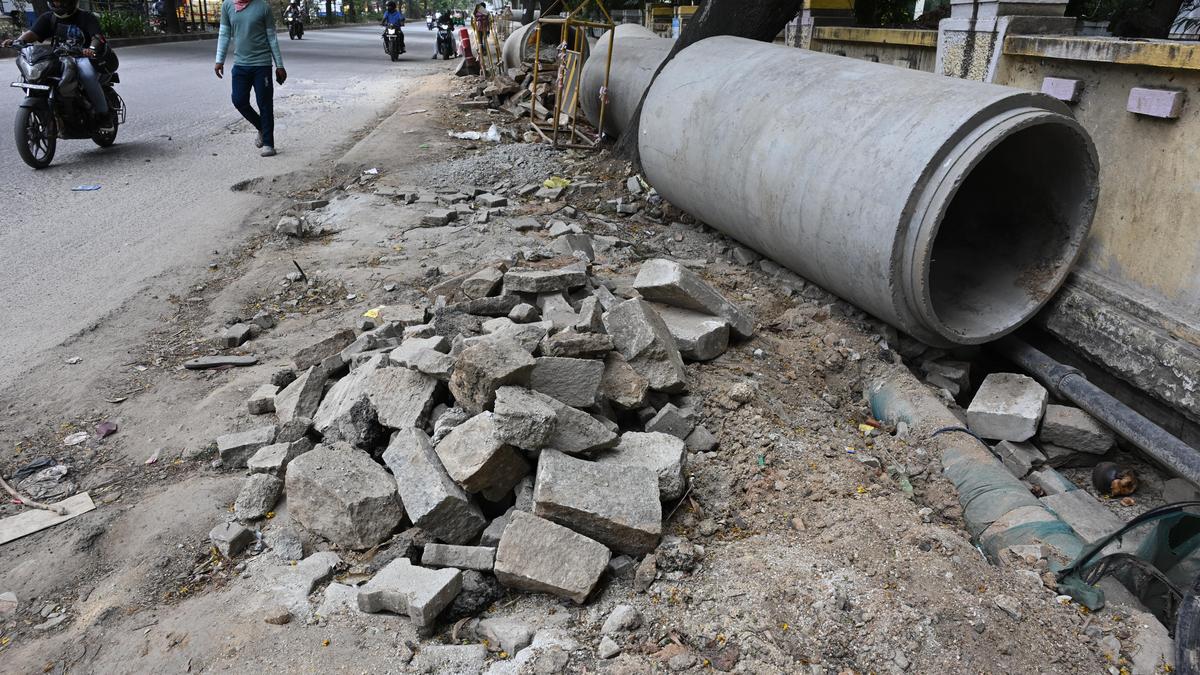
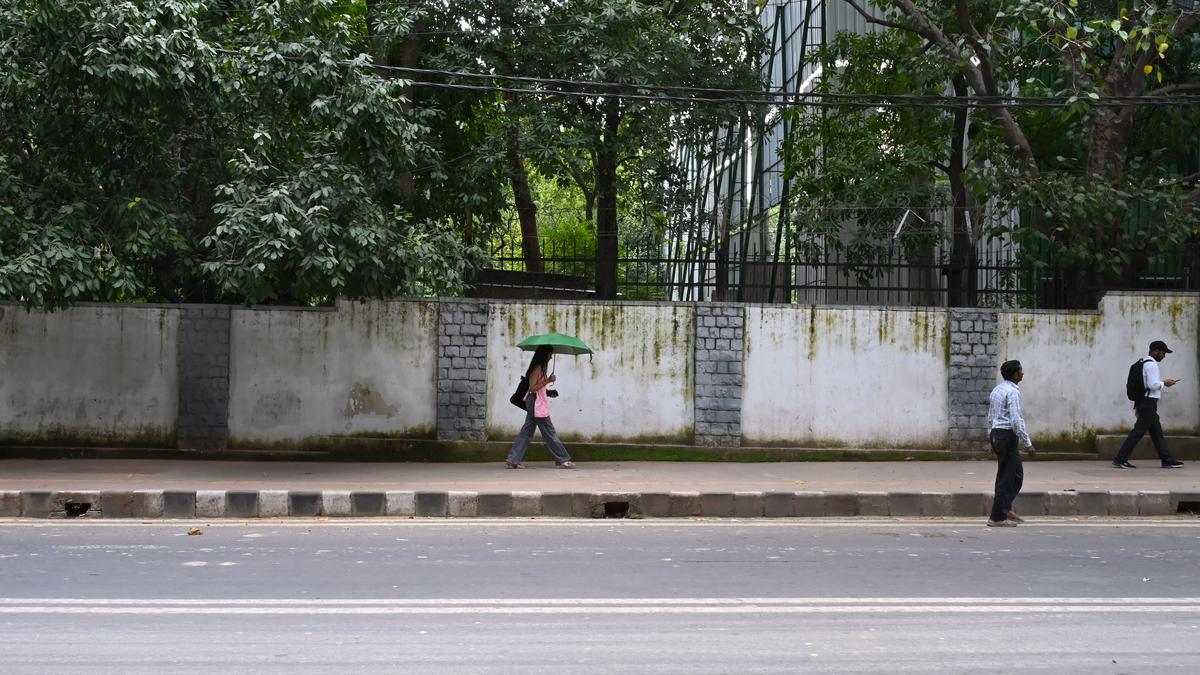
Everyday strugglesSushmita Sundaram, 39, a communications consultant from Bengaluru’s hip neighbourhood Koramangala, says she would prefer to walk to the kirana store at the corner instead of ordering from quick-commerce platforms such as Swiggy Instamart or Blinkit. “If you’re lucky enough to find a pavement with no loose stones or other obstructions, it is difficult to access them especially if you are elderly or disabled,” she says.