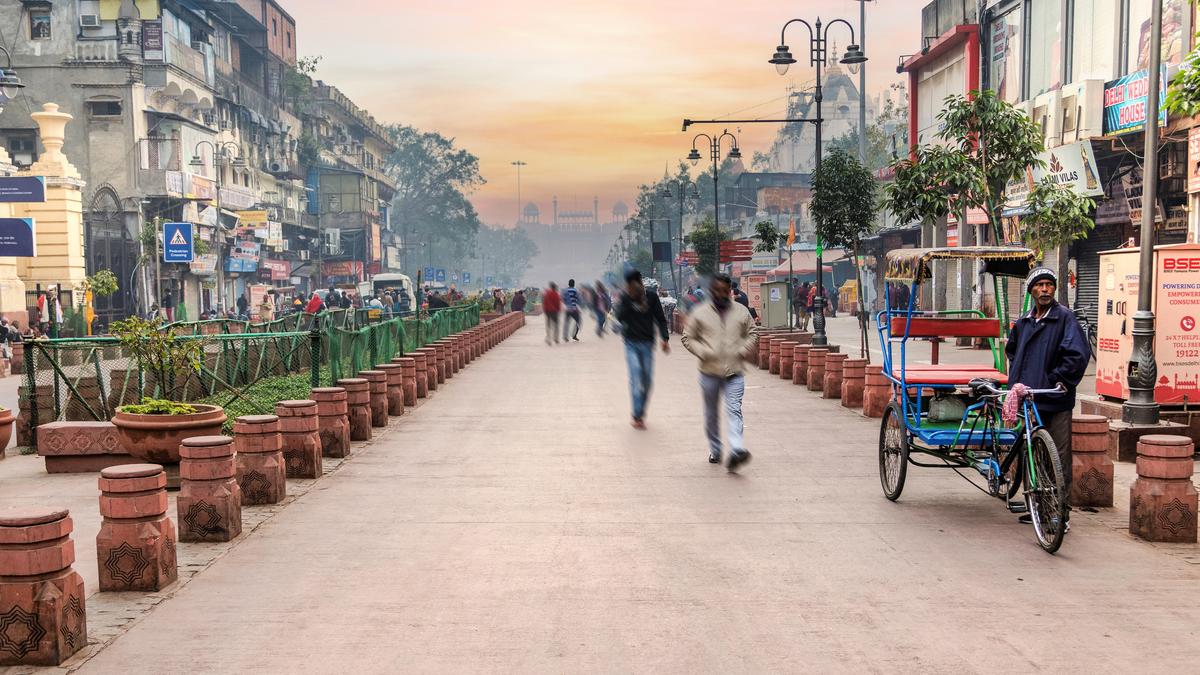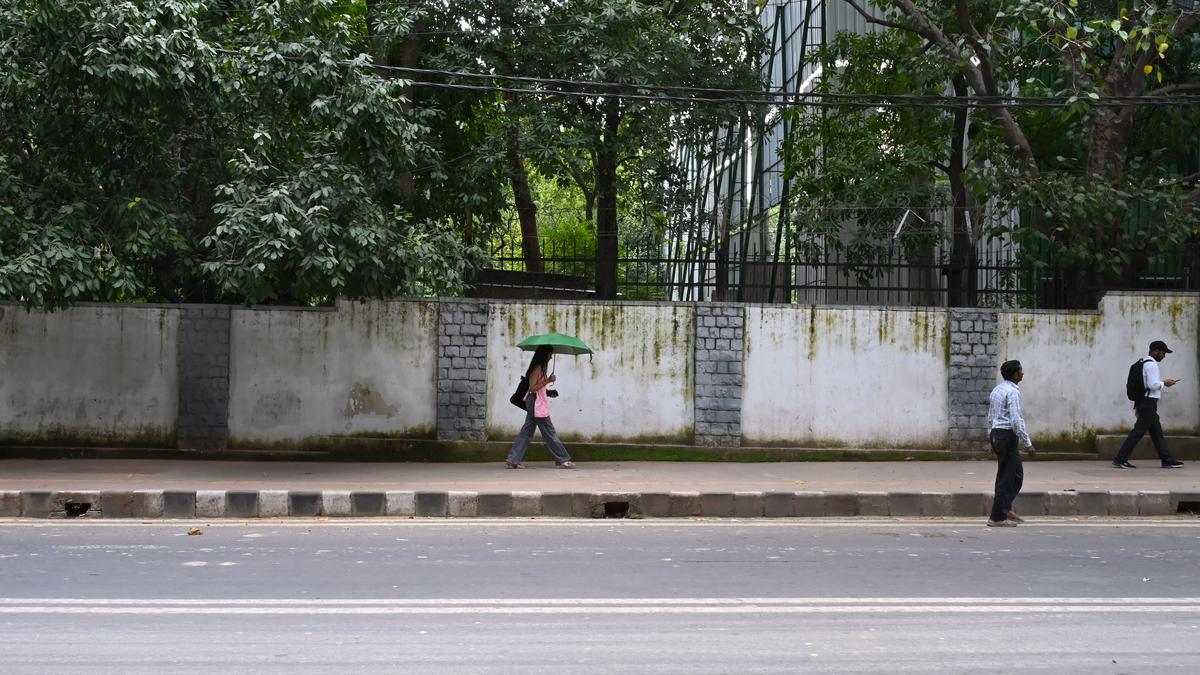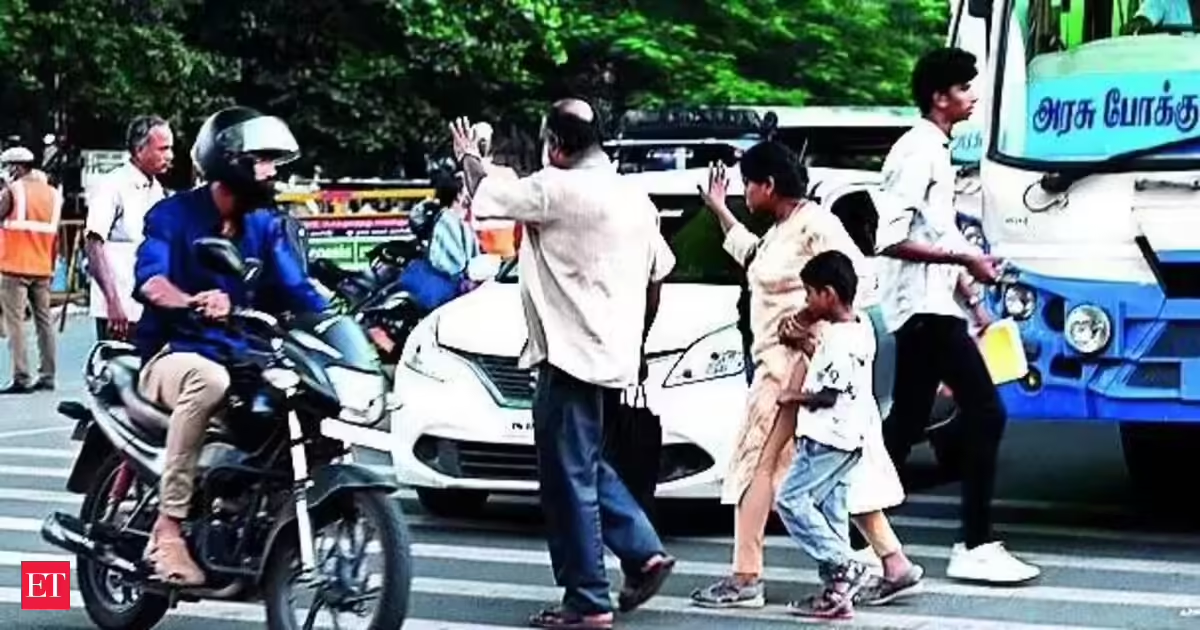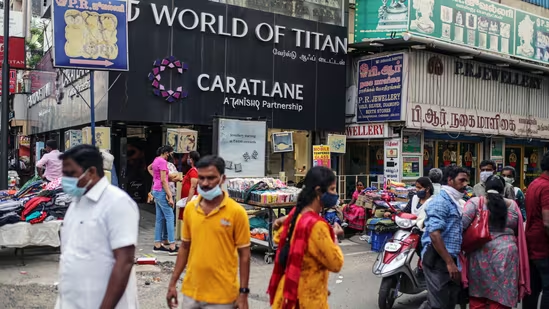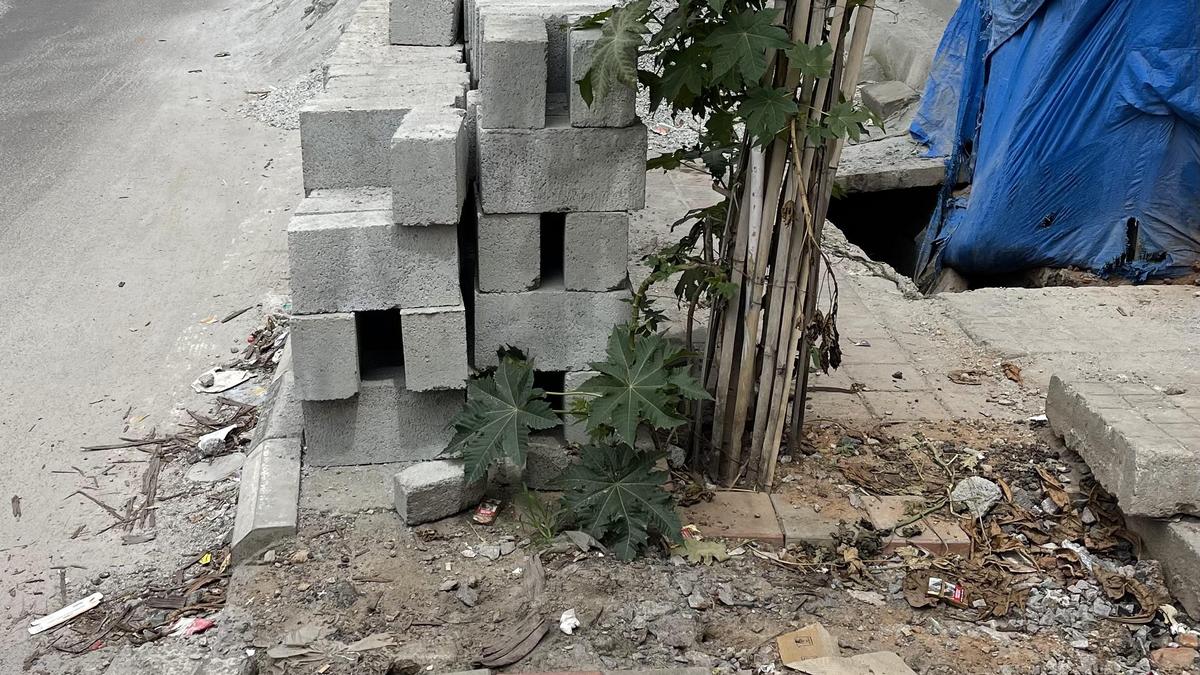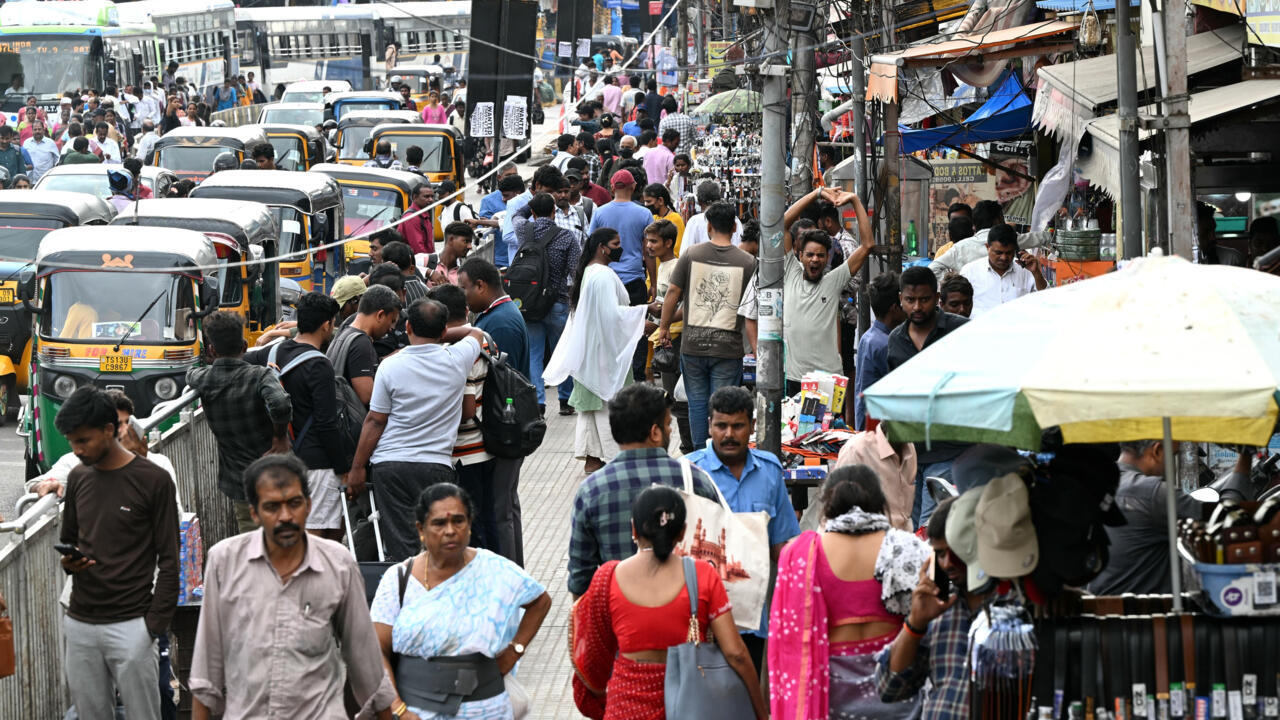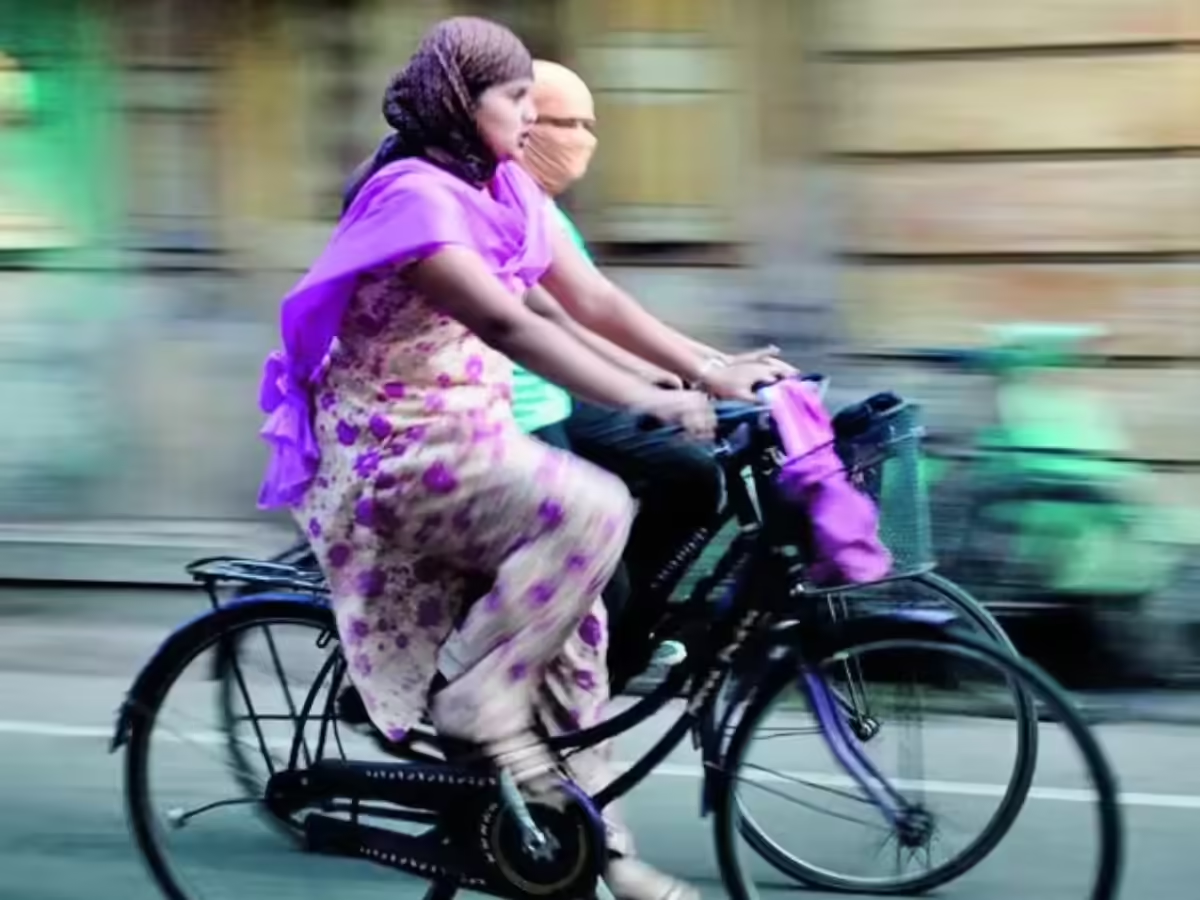
Every morning, millions of Indians make the same impossible calculations before their commute. Whether to walk on a footpath that's either encroached or too broken to use. Or, share the road with speeding trucks and impatient drivers. Frustrated, they squeeze into an auto and waste their morning energy sitting in traffic, adding to an increasingly sedentary urban lifestyle.According to NFHS data, prevalence of obesity and overweight adults increased by 91% among women and 146% among men between 2015 and 2021. An average working Indian in a sedentary job spends 9 hrs at his or her desk, and an average of 2 hrs in commute, leaving almost no time or energy for engaging in fitness pursuits. WHO recommends 150-300 mins of moderate activity a week. World Bicycle Day today is as good a day as any to underline that cycling - or walking - to work where feasible can go a long way towards meeting the minimum target of daily aerobic physical activity.Also Read: The coolest ideas are often the oldestA 2021 World Bank report, 'Investing for Momentum in Active Mobility', estimates that 35% of urban trips in India are under 3 km, walkable for most people. 60% are under 5 km, and 80% under 10 km, distances comfortably covered by bicycle. Most trips Indians make every day are already the right length for active travel. The barrier is not distance but the built environment that greets anyone who tries.In 2024, India recorded 4.73 lakh road accidents and 1.7 lakh deaths. Pedestrians, cyclists and 2-wheeler riders are most vulnerable. In 2022, over 32,800 pedestrians died on roads, a 108% increase from 2016. In metros, nearly 40% of all road fatalities involve pedestrians. These accidents are predictable outcomes of cities designed without non-motorised transport in mind.India is the 5th-most car-congested country in the world. Gridlocks cost the top 4 metros alone over ₹1.83 lakh cr every year. According to Teri, a shift of just half of all short-distance motorised trips to cycles could generate annual savings equivalent to 1.6% of GDP, through fuel savings, lower healthcare costs, reduced emissions and travel-time gains.Also Read: Why India's manufacturing future needs more than jugaadThe idea of a '15-min city' is gaining traction globally, in which all daily amenities are made accessible within a 15-min walking or cycling range. The question of who gets safe streets cannot be an afterthought in this framework. Any investment in active mobility must be designed with women, people with disabilities, and lower-income commuters in mind. Urban residents are currently forced to use motorised transport even for accessing basic everyday amenities within short distances, due to barriers like broken footpaths, encroachments, poorly-lit stretches and intersections with no pedestrian logic.For cyclists, challenges compound. There are virtually no protected lanes in Indian cities, leaving riders to negotiate fast-moving traffic with no buffer. India's heat makes cycling punishing for much of the year, particularly without tree cover or shaded rest points along the route. Women face additional risks, from harassment to absence of safe end-of-trip facilities.All these challenges can be tackled by building and maintaining well-designed safe infra for active mobility. This could include nudges to promote walking or cycling as a mode of commute, such as sidewalks and streets with protected lanes, well-lit footpaths with designated spaces for local markets to increase safety, pedestrian-friendly road-crossing mechanisms, community fitness spaces, planting of trees, and building covered resting stations along streets to make them weather-proof.It's a tall task. But if we're serious about a developed India, and healthier Indians with a better quality of life, we should walk - and cycle - the talk.Nandhnee is senior research associate, and Dixit is research associate, Centre for Urban Transitions, Indian School of Public Policy (ISPP), and Singh is senior research associate, Centre for Universal Health Assurance, ISPP(Disclaimer: The opinions expressed in this column are that of the writer. The facts and opinions expressed here do not reflect the views of www.economictimes.com.)
Time to walk and cycle the talk: Unsafe roads and broken footpaths are worsening India’s obesity crisis - The Economic Times
Commuting in Indian urban centers is riddled with obstacles, where inadequate sidewalks and hazardous road conditions push people towards cars, resulting in a rise in lifestyle-related health problems. Interestingly, a large number of city trips could easily be made by foot or bike, yet the lack of safe pathways keeps many from making that choice.
654 words~3 min read