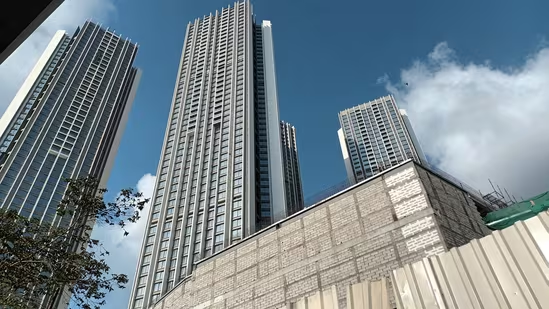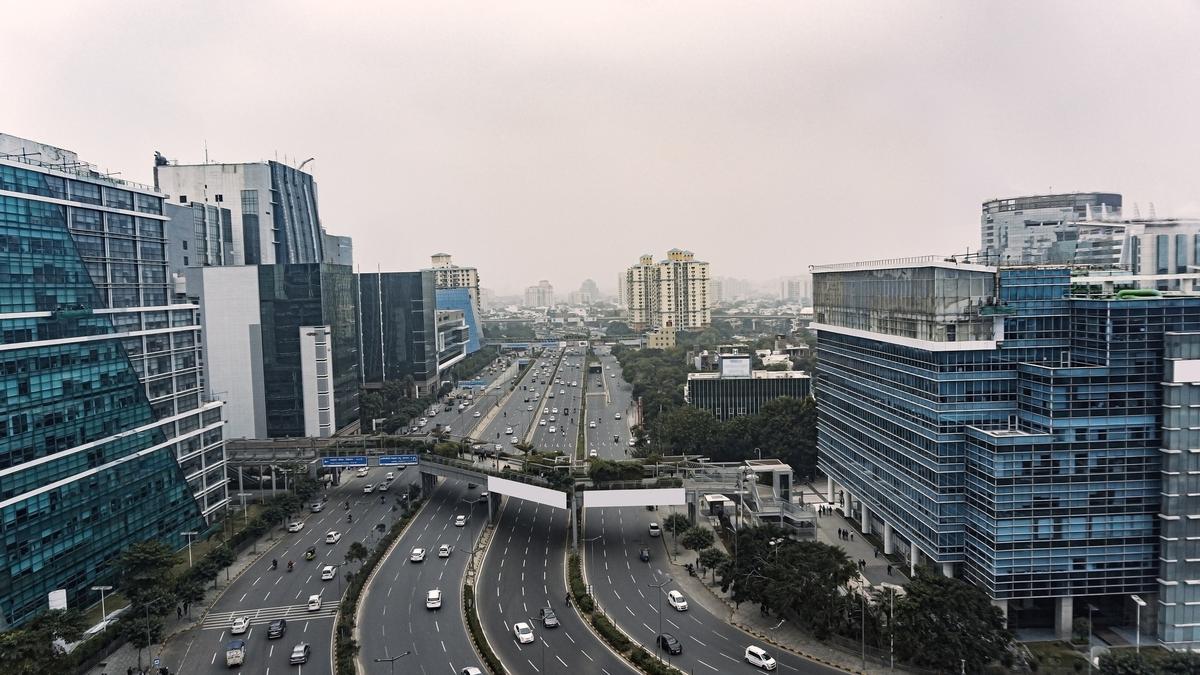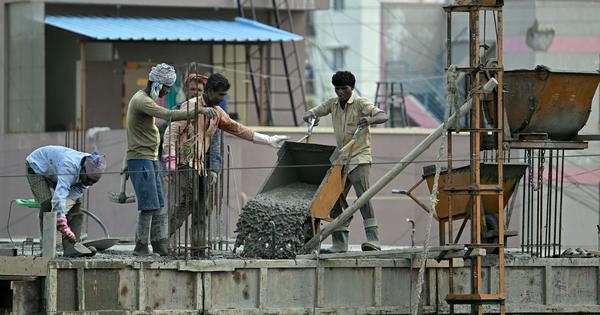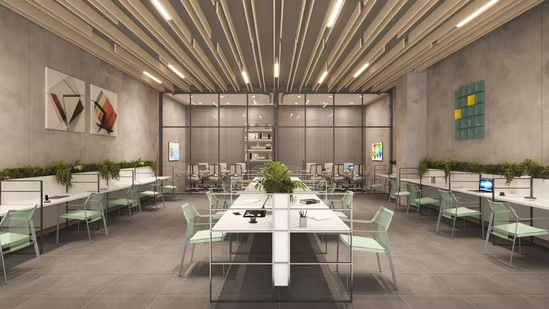
Urban India has certainly reached a point, where the old construction playbook is no longer enough. For years, real estate has been driven by speed and scale. Deliver more, deliver faster. That model suited an earlier phase of demand. Today, the problem is different. India’s urban population is expected to approach 675 million by 2035. Pressure on land, water, infrastructure, energy systems, and ultimately, on quality of life is going to increase. The next phase of urbanisation requires building differently and with conscience. Urban India faces challenges with outdated construction practices as the population grows. Developers must prioritise sustainability, efficiency, and responsible building to improve quality of life while managing resources effectively.When Scale Becomes a RiskIndia is expected to add 600 to 800 million square metres of urban space every year until 2030. At this scale, inefficiency becomes a city-level risk. Outdated construction practices, when repeated at such volume, multiply waste, emissions, and resource stress. Even today, the ecosystem around construction has not kept pace. Construction and demolition waste recycling capacity remains far below what rapid urban expansion demands, resulting in inefficient disposal and long-term environmental burden. Developers are beginning to recognise that buildings are no longer judged only by delivery timelines, but by how they perform over time, how efficiently they use energy, how comfortably they function, and how well they endure.Sustainability Cannot Be an AfterthoughtOne of the industry’s biggest missteps has been treating sustainability as an add-on. By the time it is introduced, core decisions, such as orientation, layout, ventilation, and materials are already fixed. However, these are precisely the decisions that determine how a building performs.In fast-growing cities, this gap is becoming visible. Homes depend excessively on air-conditioning, layouts fail to enable natural airflow, and built surfaces intensify heat. Standardised solutions, replicated across geographies, often ignore local climate realities, one of the key reasons why sustainability has to shape the project from the start.Materials Are Environmental DecisionsMaterial selection in construction has traditionally been driven by cost and availability and less about the environment. But, cement and steel alone account for a significant share of emissions in the building sector. This makes structural efficiency, reduced overdesign, and the use of lower-impact materials critical.Material decisions also influence water consumption, construction waste, and durability. In that sense, they are not procurement choices, they are environmental choices and the developers who recognise this are beginning to rethink not just what they build, but how they build.Rethinking Waste, Water and ProcessIndia generates large volumes of construction and demolition waste, but recycles only a small share. This points to a larger problem: construction practices have not kept pace with urban demand. The sector’s impact begins before work reaches the site, through high freshwater use and large-scale extraction of sand and aggregates. These pressures matter at a city and ecosystem level.This makes efficiency essential. Better planning, lower material wastage, prefabrication and off-site manufacturing can improve quality, reduce waste and shorten timelines. For cities facing labour shortages and environmental stress, such methods bring more than speed. They bring discipline.Even well-designed projects can underperform, if execution falls short. Gaps in waterproofing, insulation continuity, or installation quality can significantly compromise building performance. Sustainable construction is not only about intent or design. It is also about ensuring that execution on site delivers what was planned.This is where the industry needs to move from aspiration to accountability.A Necessary ShiftThe future of urban real estate will depend less on how much we build and more on how responsibly we build. Developers are no longer shaping only projects. They are shaping urban systems. Every design and construction choice affects infrastructure, environmental health and long-term quality of life.In fast-growing cities like Hyderabad, this responsibility is sharper. The next phase of development must serve residents, support the city and respect the environment. This calls for a shift from speed to performance, scale to sustainability, and delivery to durability.The question is no longer whether we can build more. It is whether we can build right.The article is written by Jaya Pavan (JP) Gummadi, experienced entrepreneur from realty industry.Note to the Reader: This article is part of Hindustan Times' promotional consumer connect initiative and is independently created by the brand. Hindustan Times assumes no editorial responsibility for the content.
Why Urban India Needs to Build with Conscience and Sustainable Construction Mindset
A shift from speed to performance is essential for future urban development.
704 words~3 min read