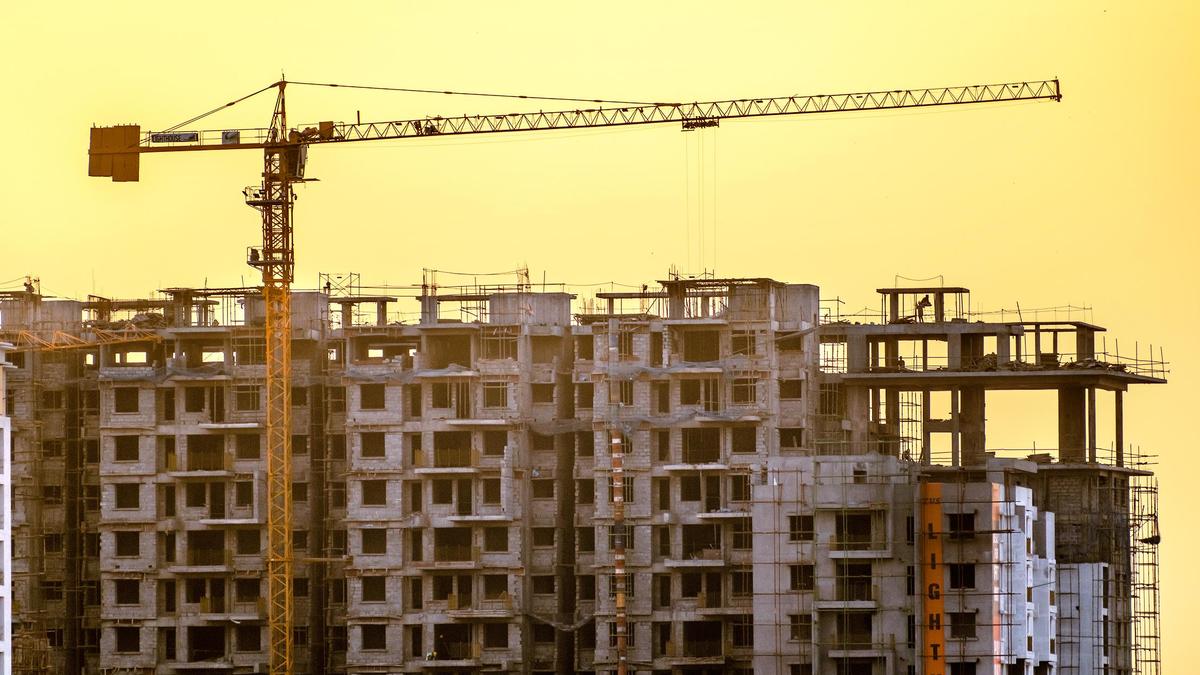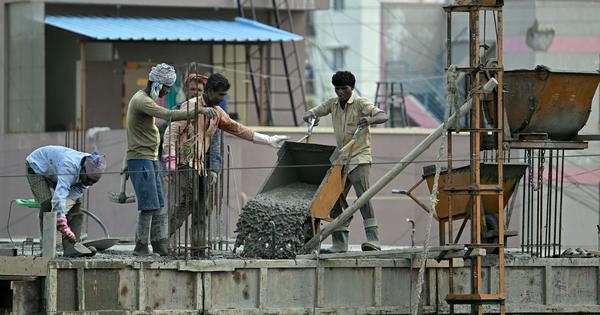
Carbon reduction has moved from a specialised sustainability concern to a central challenge shaping the future of the built environment. The scale of impact is significant. The buildings and construction sector accounted for 34% of global energy-related CO₂ emissions and 32% of global final energy demand in 2023, according to the Global Status Report for Buildings and Construction by the United Nations Environment Programme.CarbonOperational emissions alone reached 9.8 gigatonnes of CO₂ in 2023, driven by energy used for heating, cooling, and lighting. At the same time, embodied carbon emissions from materials and construction processes contributed approximately 2.9 gigatonnes of CO₂. Together, these figures position the built environment as one of the largest contributors to global emissions.The trajectory is equally critical. Without substantial intervention, emissions from buildings are expected to rise in parallel with urban expansion, population growth, and rising demand for infrastructure. Carbon reduction is not an abstract environmental goal but is directly tied to how and what we build.This urgency is reflected in global frameworks such as the United Nations Sustainable Development Goals, particularly SDG 11 (Sustainable Cities and Communities), SDG 12 (Responsible Consumption and Production), and SDG 13 (Climate Action). These goals position the built environment as a critical lever in achieving long-term climate stability.Globally, countries are moving toward measurable carbon accountability through regulatory frameworks, performance benchmarks, and market-based mechanisms. Carbon markets and crediting systems are being developed to quantify, manage, and offset emissions across industries.In India, this transition is underway but remains in a formative stage. The government introduced the Carbon Credit Trading Scheme in 2023, establishing the foundation for a national carbon market. The scheme is intended to enable the trading of verified emission reductions and support the country’s broader climate commitments under the Nationally Determined Contributions.While the institutional framework has been established, implementation is being rolled out in phases, with detailed mechanisms, sectoral integration, and compliance processes still evolving. This places India at a transitional moment, moving from intent to measurable systems of carbon accountability.For India, the challenge is not only to reduce emissions but to do so while continuing to build. The scale of future construction remains significant, and projections indicate that the country could become a major contributor to embodied carbon by 2050 due to the continued use of carbon-intensive materials. This establishes a dual imperative: sustaining growth while reducing the carbon intensity of that growth.The built environment contributes to emissions across its entire lifecycle, through construction processes, material production, and long-term operation. Addressing carbon in this sector requires a comprehensive approach spanning design, construction, and operation.At the construction stage, material choices and building methods determine embodied carbon. At the operational stage, energy consumption for cooling, lighting, and maintenance drives long-term emissions. These stages define a building's total carbon footprint.Architecture plays a critical role in shaping these outcomes. Early design decisions influence building orientation, solar exposure, ventilation potential, and envelope performance. These factors directly affect energy demand and occupant comfort over time.When addressed collectively, passive environmental strategies, efficient structural systems, and climate-responsive planning can significantly reduce both operational and embodied emissions. These approaches position architecture as a key driver in reducing the carbon intensity of the built environment.At the same time, emerging frameworks are introducing mechanisms to address emissions that cannot be eliminated entirely. Carbon crediting enables organisations to offset residual emissions by supporting verified environmental initiatives such as renewable energy, afforestation, and ecosystem restoration. While these mechanisms do not replace direct reduction, they contribute to a broader system of carbon accountability that is likely to become more relevant as policy frameworks evolve.Design remains the most decisive stage in influencing carbon outcomes, as it establishes the parameters within which construction and operation take place.At the planning level, orientation and massing determine solar heat gain and daylight access, directly reducing energy demand. Envelope strategies—through shading devices, façade articulation, and material selection—further regulate internal conditions. These decisions reduce reliance on mechanical systems and improve long-term efficiency.During construction, design influences material consumption and resource use. Structural optimisation reduces the volume of high-carbon materials, while the use of locally sourced materials lowers transportation-related emissions. Designing for durability and adaptability extends building life cycles, reducing the need for future reconstruction.In operation, buildings designed with climate responsiveness require lower energy inputs. Natural ventilation, daylight optimisation, and thermal buffering contribute to sustained performance with reduced operational emissions.In responding to diverse climates and operational demands, airport design provides a unique opportunity to integrate carbon reduction across every stage of the built environment. At a larger civic scale, the Maharshi Valmiki International Airport in Ayodhya exemplifies how carbon-conscious design can be embedded in infrastructure that also carries cultural and civic significance. The extensive use of glass fibre reinforced concrete ornamentation reduces embodied carbon compared with traditional stonework, while energy-efficient systems, optimised HVAC, solar integration, and water recycling demonstrate a holistic approach to operational sustainability. Recognition through GRIHA 4-Star Certification underscores the measurable impact of these strategies and positions the project as a benchmark for sustainable infrastructure in Tier 2 cities.At Jodhpur Airport, the terminal design demonstrates how passive environmental strategies, shading systems, optimised glazing, and high-efficiency HVAC can work together to lower energy consumption by over 50% compared with conventional benchmarks. Water efficiency is addressed through low-flow fixtures, dual-flush water closets, and sensor-based urinals, while rainwater harvesting and recharge pits return nearly 40% of annual runoff to groundwater. Operational intelligence, enabled by smart meters that monitor energy and water use, ensures that performance is tracked, managed, and optimised in real time.These projects show how carbon-conscious strategies influence design, operations, and long-term performance. From material choice to systems integration, architecture can reduce emissions, optimise resources, and enable growth aligned with global climate imperatives.Carbon reduction is not a constraint but a lens through which responsible growth is measured. By integrating environmental performance into design thinking, architecture can support development while aligning with global commitments and long-term climate objectives.The future of the built environment will be defined not by whether we build, but by how consciously and responsibly we do so, using design as the primary tool for measurable, enduring impact.(The views expressed are personal)This article is authored by Khushboo Bansal, principal architect & designer, STHAPATI.
India’s built environment and push for carbon reduction
This article is authored by Khushboo Bansal, principal architect & designer, STHAPATI.
1,021 words~5 min read