"We rolled out AI and saw no results" and "AI made our development dramatically faster" are being said in the same year, often inside the same company. Where does that gap come from?
Stanford Digital Economy Lab's The Enterprise AI Playbook: Lessons from 51 Successful Deployments (April 2026) goes after that question with real data. It analyzes 51 production deployments across 41 organizations and 9 industries, drawing on structured interviews and internal documents to separate what made deployments succeed from what made them fail.
Most of the coverage so far reads the report from a management angle: AI adoption as an organizational-change problem, the importance of process redesign and executive commitment. That framing is accurate. But the report also spans customer support, software engineering, marketing, and more, and there is plenty in there about software engineering that the management-focused takes barely touch.
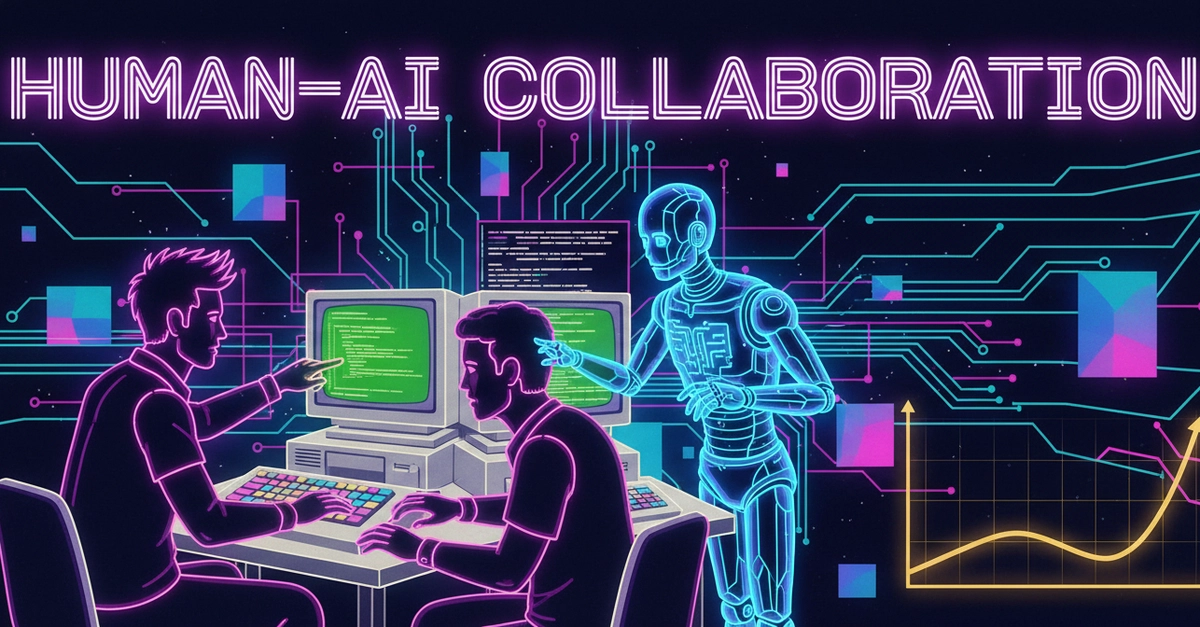
Read it with an engineer's eye and one paradox jumps out. While customer support and IT operations move toward autonomous AI, coding alone stays in "human-AI collaboration." That runs against the prevailing mood that "AI coding is the frontier."
This post starts from that paradox. First I'll walk through the report's method and key findings, then analyze the structure that keeps coding in collaboration, and finally re-read the 51 cases from three vantage points: the individual engineer, the engineering lead, and whoever owns org-level development. I'll stay close to the report's findings and then push past them.