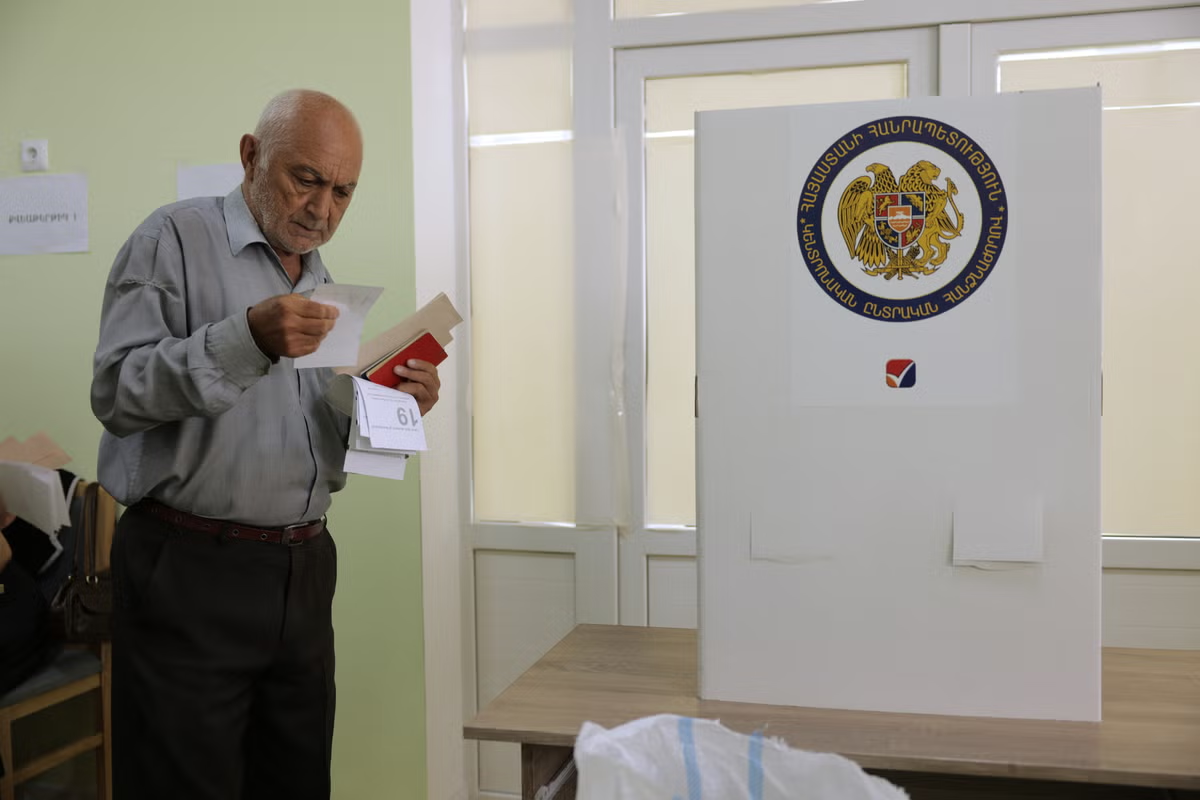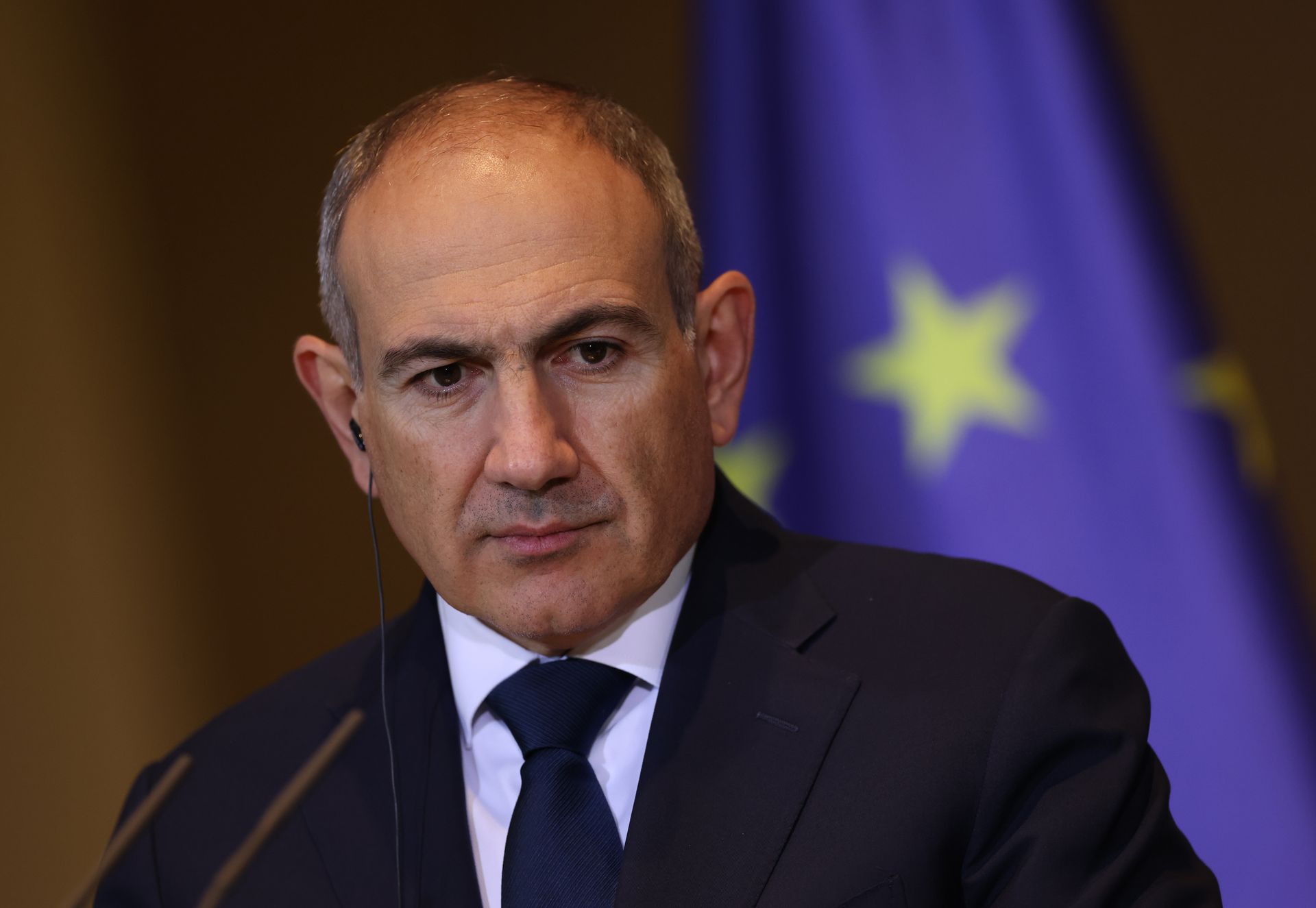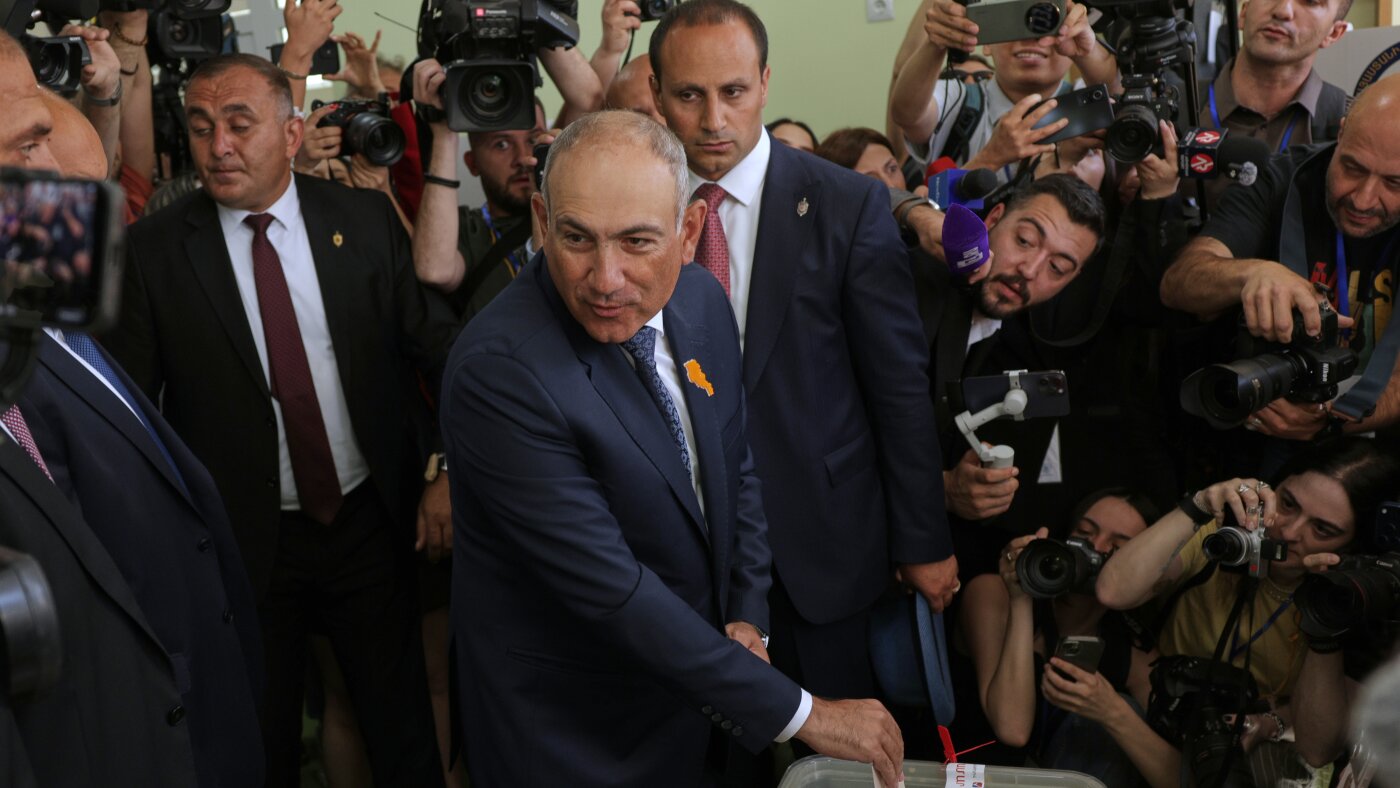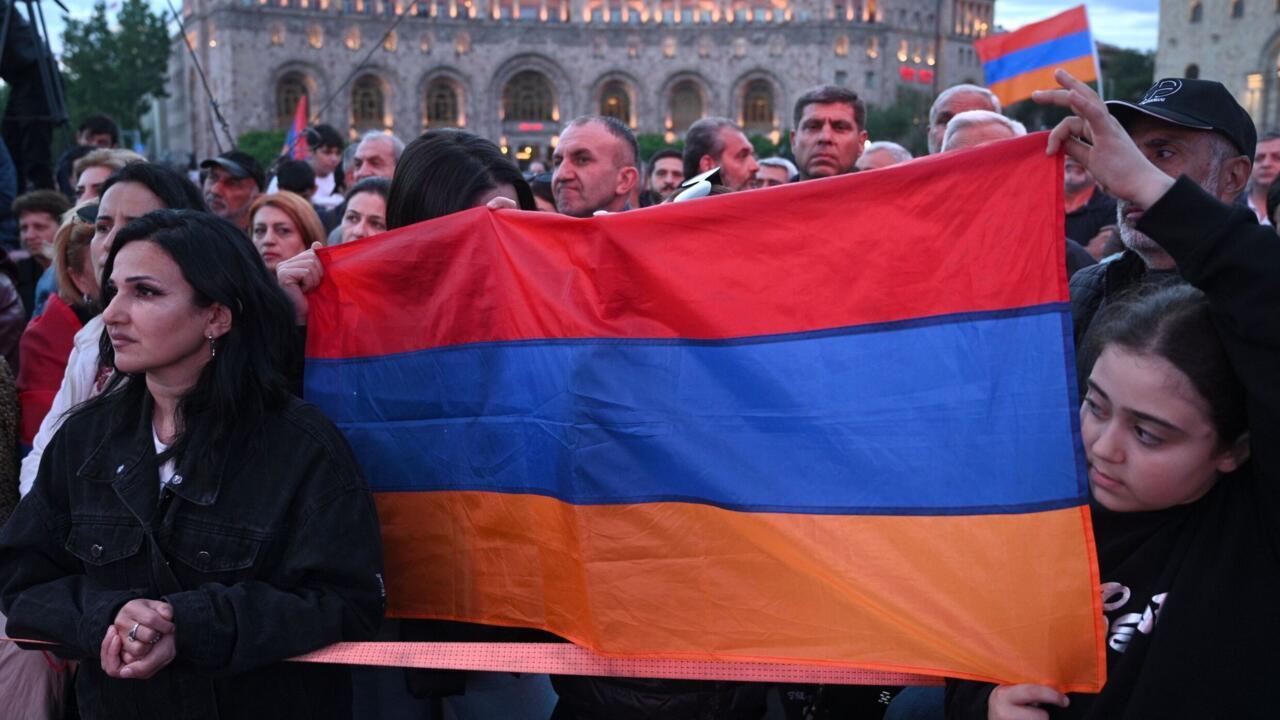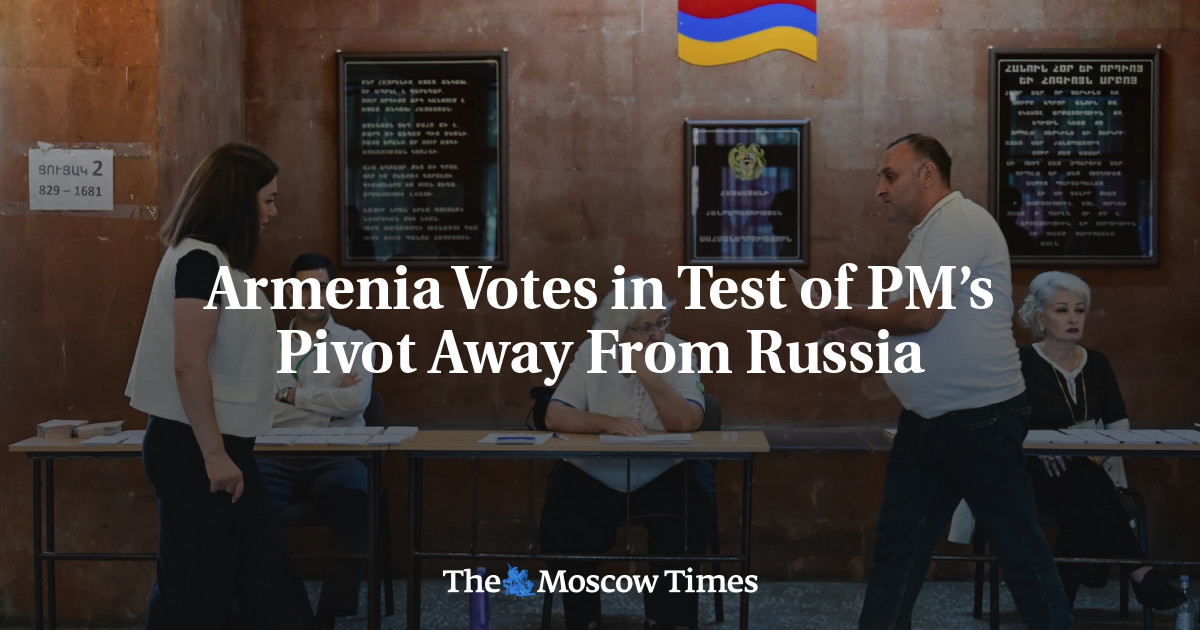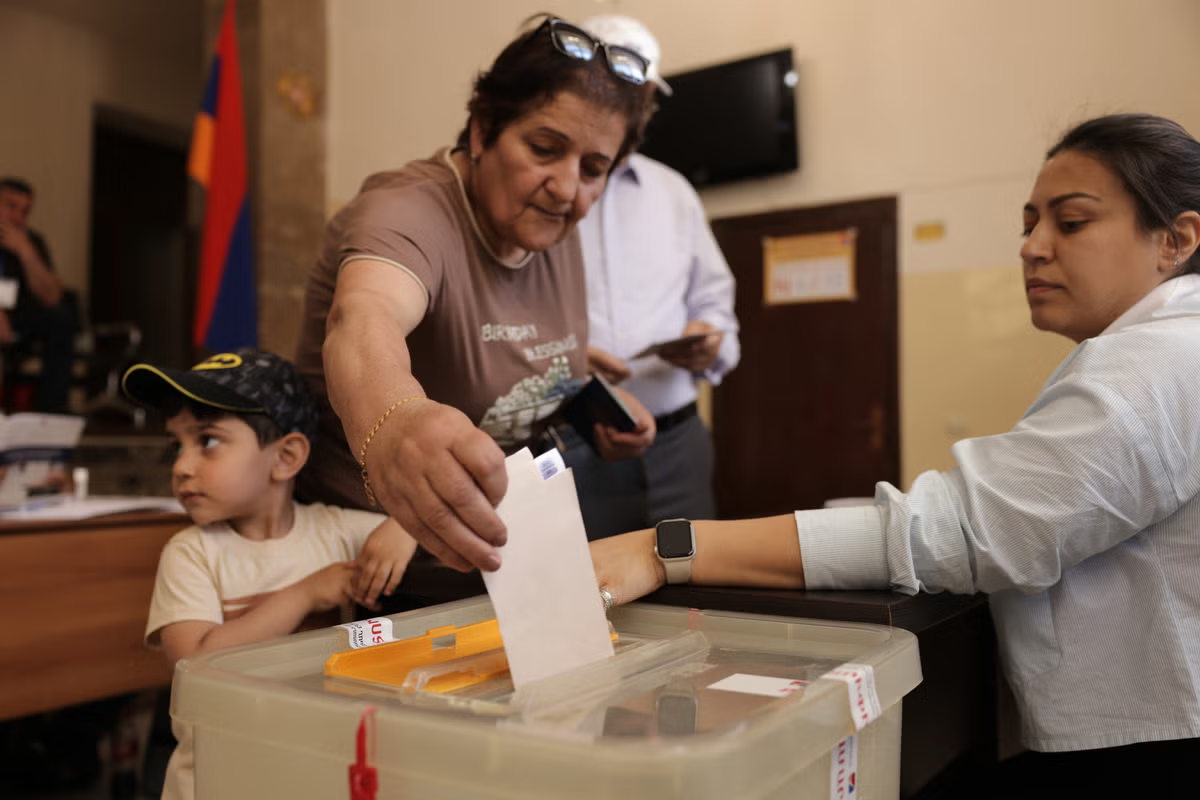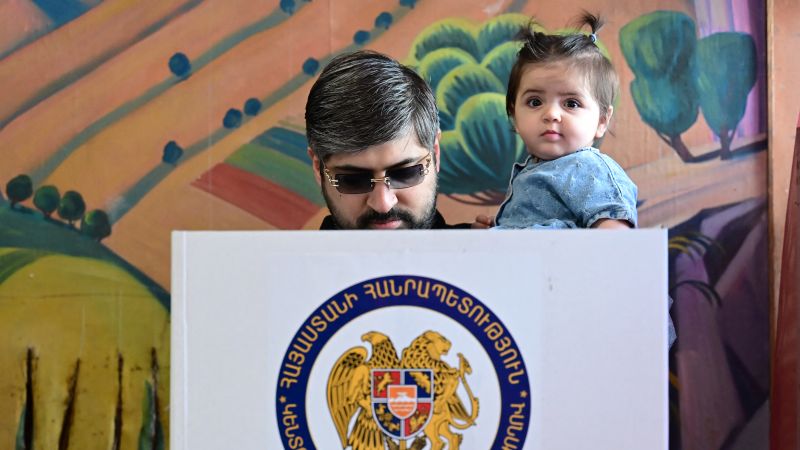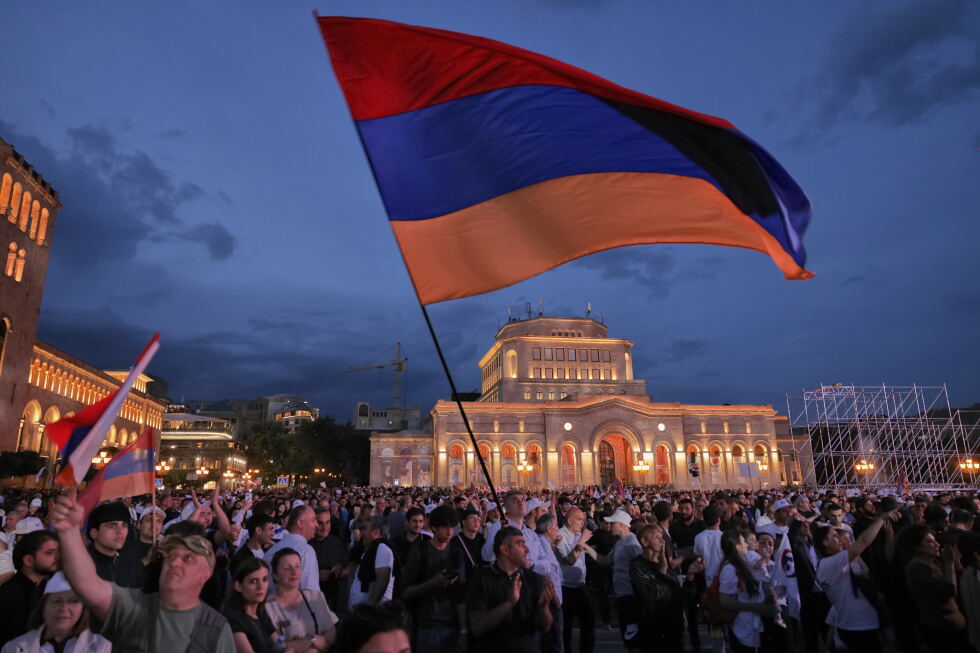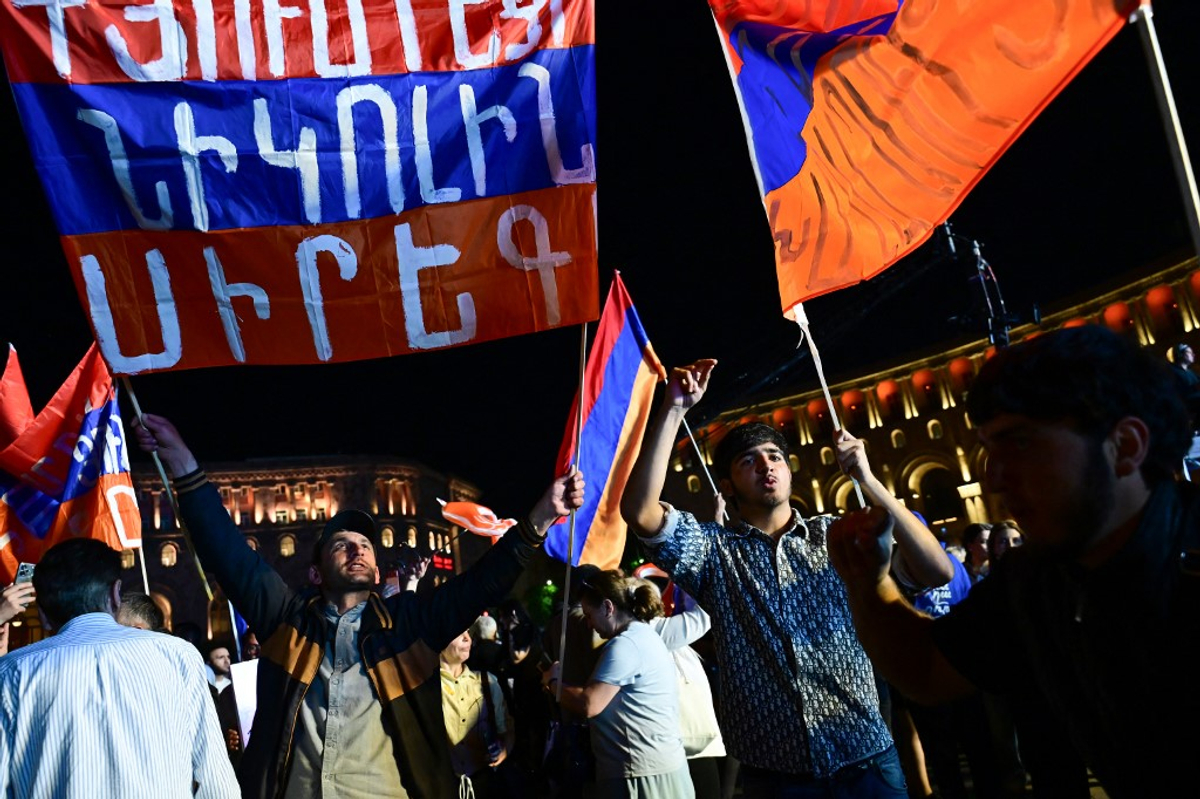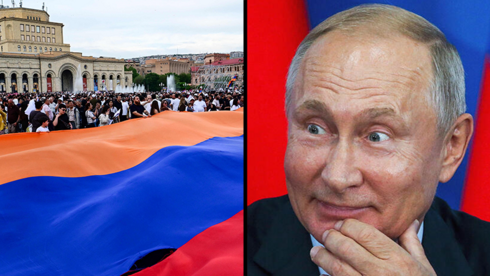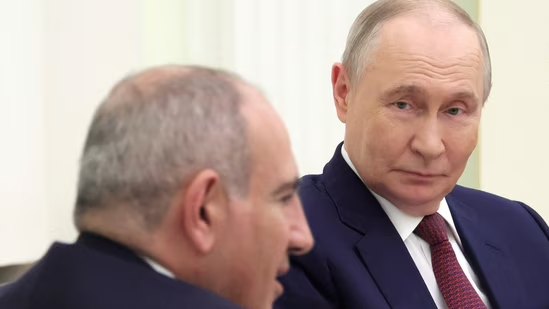
For centuries, outside powers have competed for control in Armenia, a small South Caucasus nation wedged between Turkey, Iran, and Russia. Armenia’s upcoming parliamentary election is the latest chapter in that struggle.
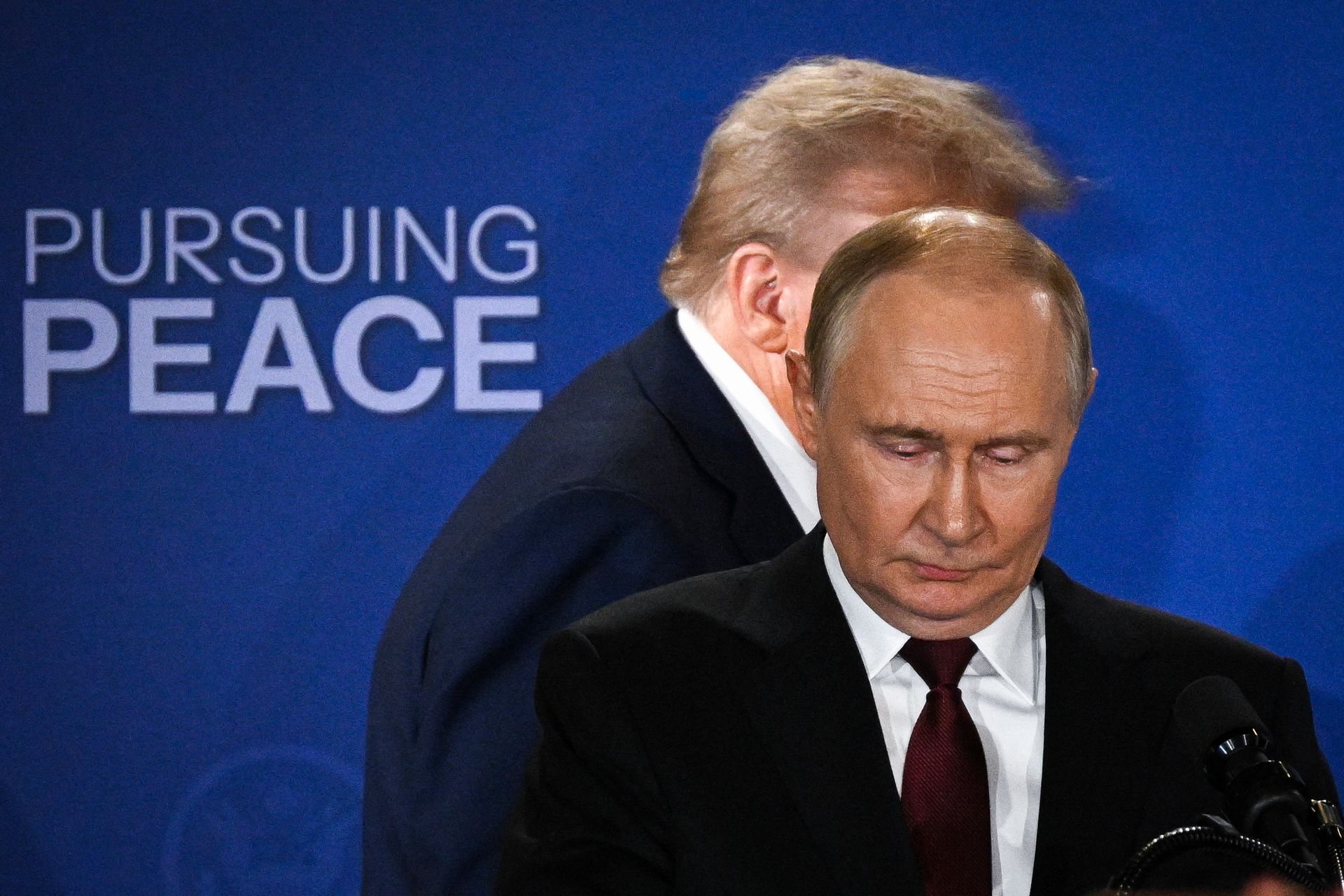
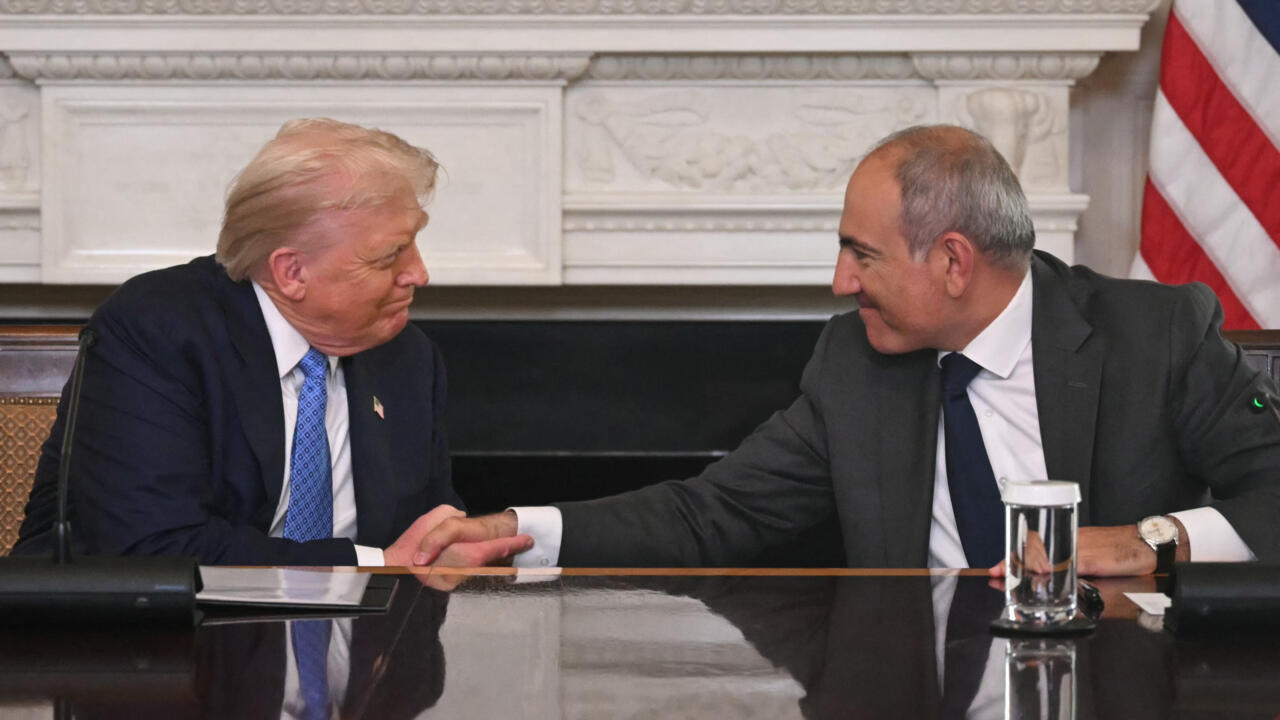
Last week, U.S. President Donald Trump publicly endorsed Armenian Prime Minister Nikol Pashinyan ahead of the parliamentary elections in a Truth Social post, reflecting the growing stakes of a race that has drawn unprecedented attention from Washington and Moscow.
More than five years after Armenia’s defeat in the Second Nagorno-Karabakh War with Azerbaijan and two years after the collapse of Nagorno-Karabakh, a satellite state of Yerevan’s that called itself the Republic of Artsakh, voters are being asked to decide not only who governs the country, but whether Armenia continues its turn toward the West or drifts back into Russia’s sphere of influence.
“The West is promoting their interests; Russia is promoting their interests. But where is the Armenian interest?” noted Tevan Poghosyan, a former member of parliament and former representative of the unrecognized Artsakh Republic to the United States, who has been sharply critical of the current government’s record.
Last year, after three decades of Moscow’s failed efforts, the United States stepped in to broker a peace agreement between Armenia and Azerbaijan, ending one of the post-Soviet world’s longest-running conflicts. Washington has also backed the Trump Route for International Peace and Prosperity (TRIPP), a transportation corridor designed to connect Azerbaijan’s mainland to its exclave of Nakhchivan through Armenian territory, continuing onward through Turkey and linking the region to broader East-West trade networks via railway, road, and pipeline infrastructure.