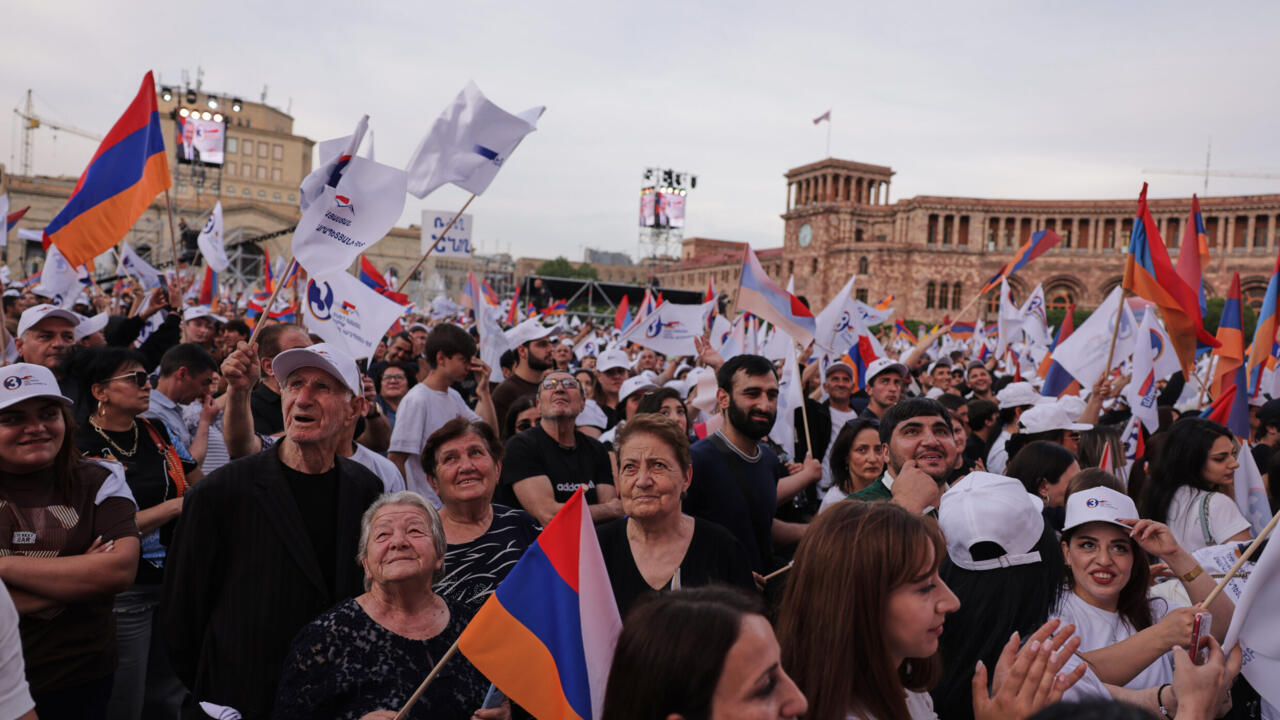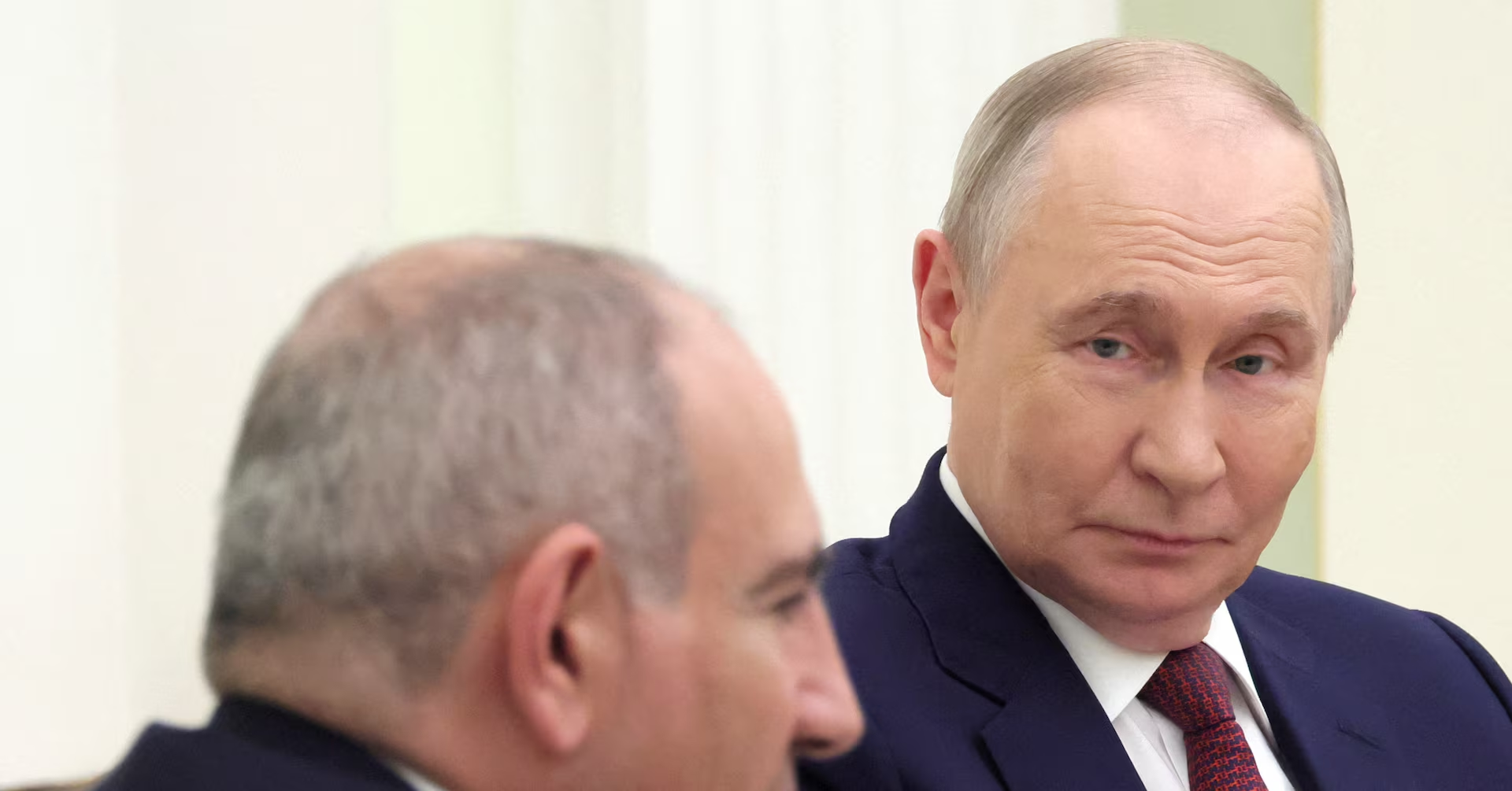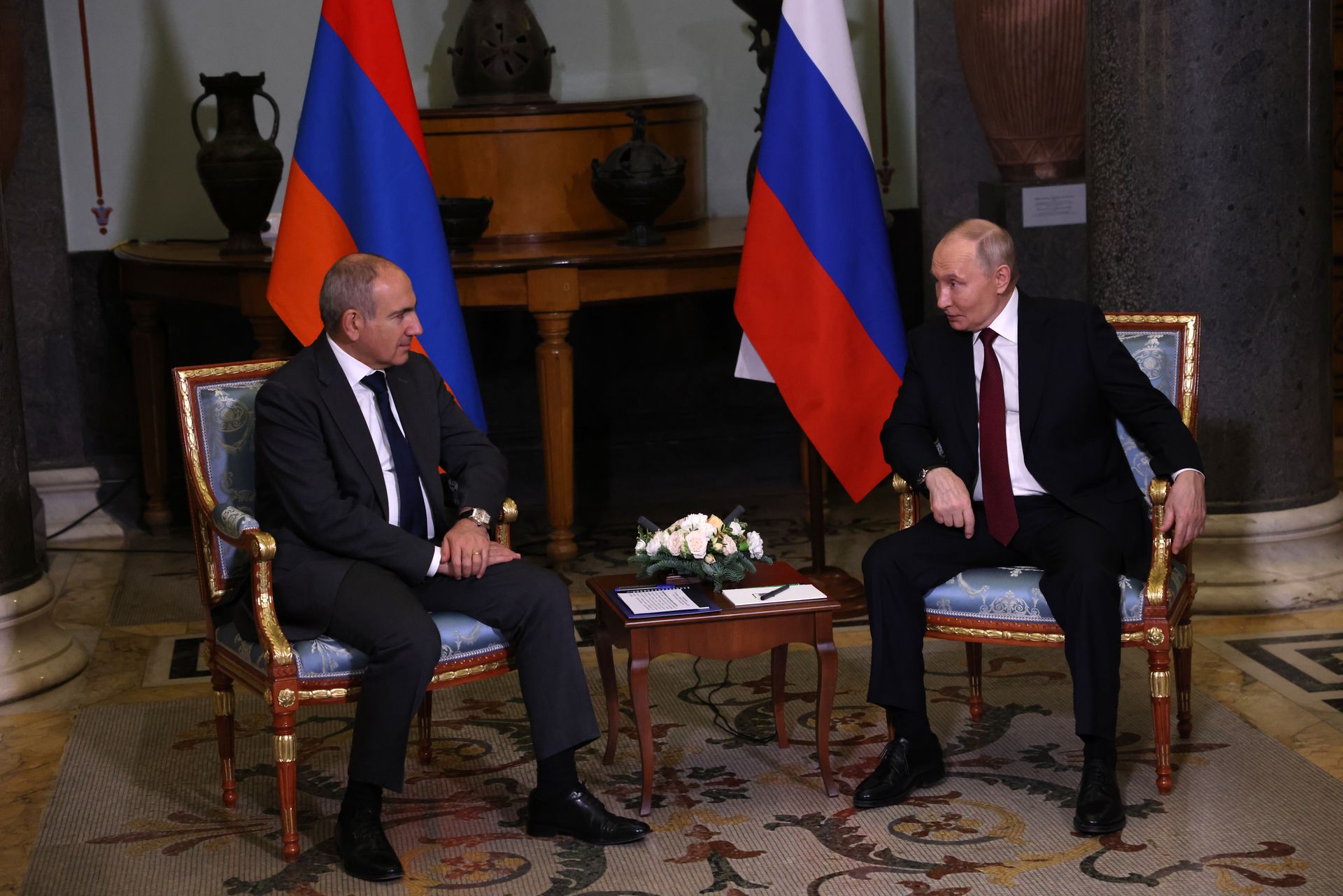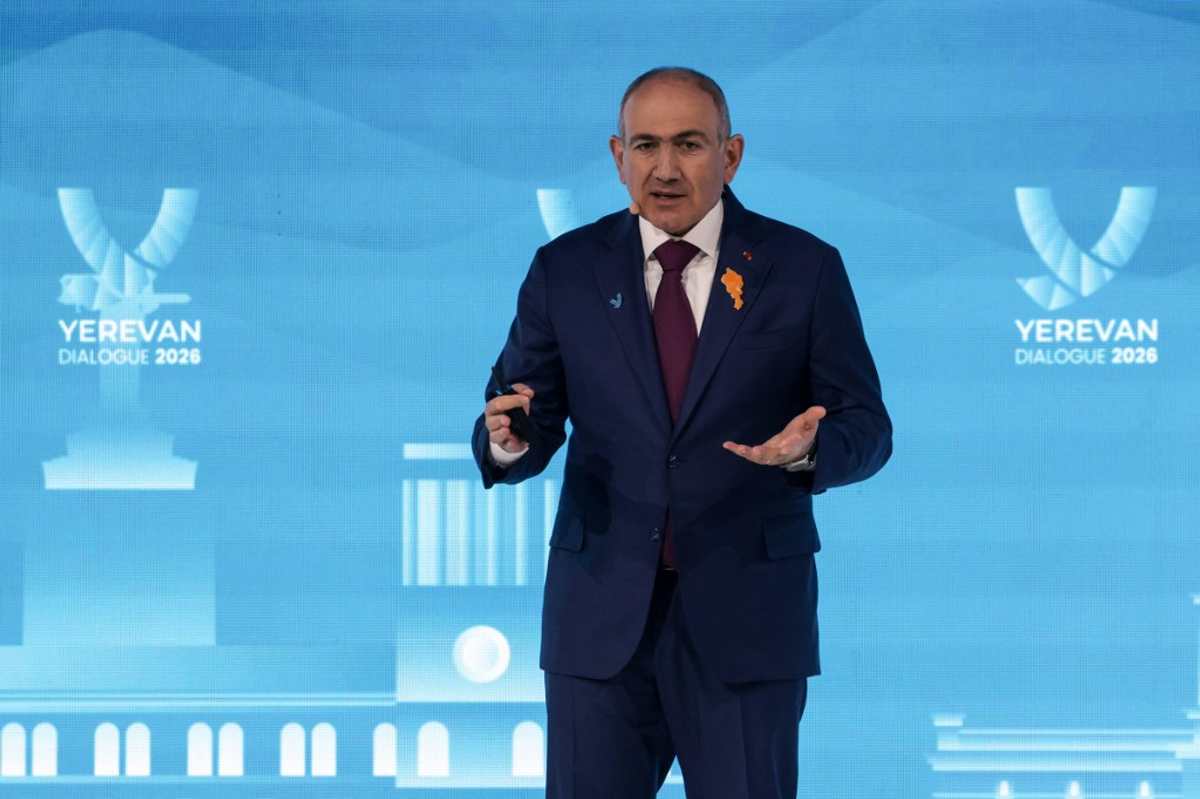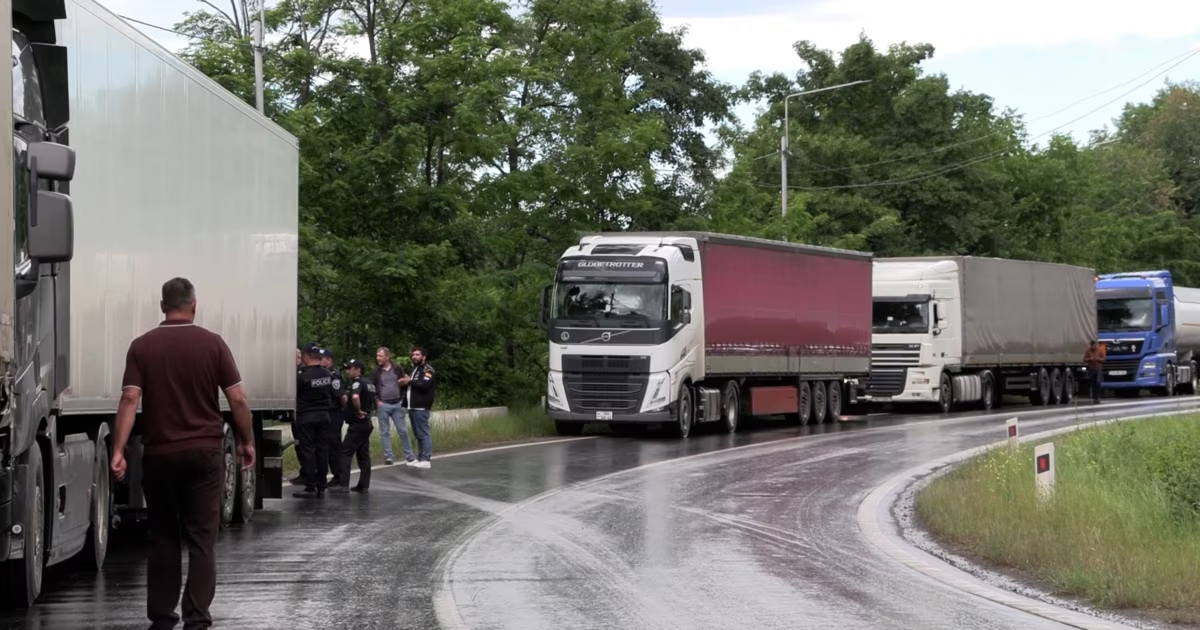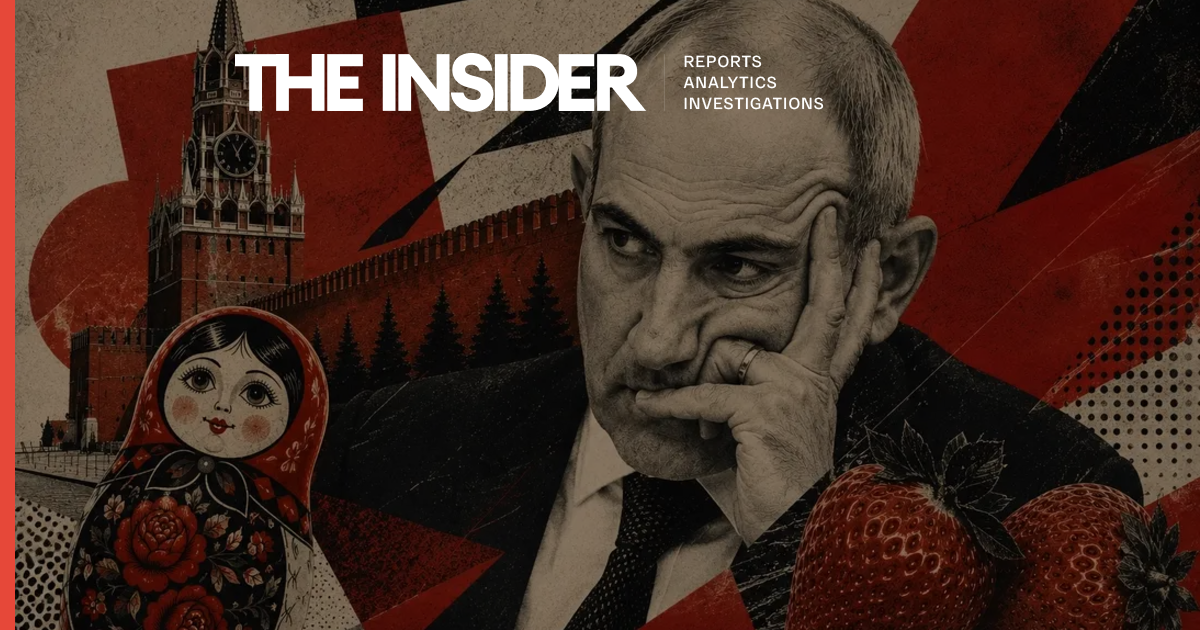
Russian pressure on Armenia has intensified in recent months on the economic, political, and informational fronts. Russian agencies formally cite sanitary, phytosanitary, or technical concerns to justify the restrictions, but the measures coincide with a sharp deterioration in relations between Moscow and Yerevan, as well as Armenia’s efforts to strengthen its ties with the European Union.Starting June 3, Rosselkhoznadzor, Russia’s agricultural watchdog, restricted imports of potatoes, eggplants, apples, pears, quince, and dried fruit from Armenia. The restrictions will remain in place until a new mechanism is developed to monitor the safety of supplies — i.e., they will remain in place indefinitely. Russian authorities had earlier imposed restrictions on other Armenian goods, including flowers, Jermuk mineral water, wine, and brandy.Starting from May 30, Russia also restricted imports of a significant share of Armenian fruit and vegetable products. Almost immediately after the restrictions were introduced, Russia’s state-run RIA Novosti news agency published an article headlined, “Armenia will lose almost all strawberry exports if it loses the Russian market.” The article was part of a broader information campaign intended to demonstrate Armenian producers’ dependence on the Russian market and to emphasize the possible economic consequences of Yerevan’s further rapprochement with the EU.The measures are especially painful for Armenia due to the fact that the Russian market remains one of the key destinations for Armenian exports. The bans affect not only individual companies, but entire sectors, including agriculture, alcohol, and flowers.The new wave of pressure coincides with Armenia’s parliamentary election campaign, with voting scheduled for June 7. At the same time, Moscow has intensified its political warnings. On May 29, the leaders of Eurasian Economic Union (EAEU) members Russia, Belarus, Kazakhstan, and Kyrgyzstan said Armenia must choose between continued participation in the Russian-led bloc and a path toward joining the European Union. Their statement cited risks to the economic security of EAEU countries purportedly caused by Yerevan’s European course.Pashinyan responded by saying Armenia would continue working within the EAEU until a choice between the EU and the EAEU becomes unavoidable. He said such a decision should ultimately be made by the Armenian people in a referendum, but that it is too early to discuss one.At the same time, Russian and Belarusian authorities began publicly warning Armenia about a “Ukrainian scenario” — a Kremlin propaganda term for what Moscow portrays as a Western-backed path from European integration to political unrest, loss of sovereignty, territorial conflict, or full-scale war. Vladimir Putin and Belarusian leader Alexander Lukashenko have drawn a direct parallel between Ukraine’s path toward European integration and the start of Russia’s full-scale invasion, implying that Armenia’s rapprochement with the EU could lead to similarly catastrophic consequences.
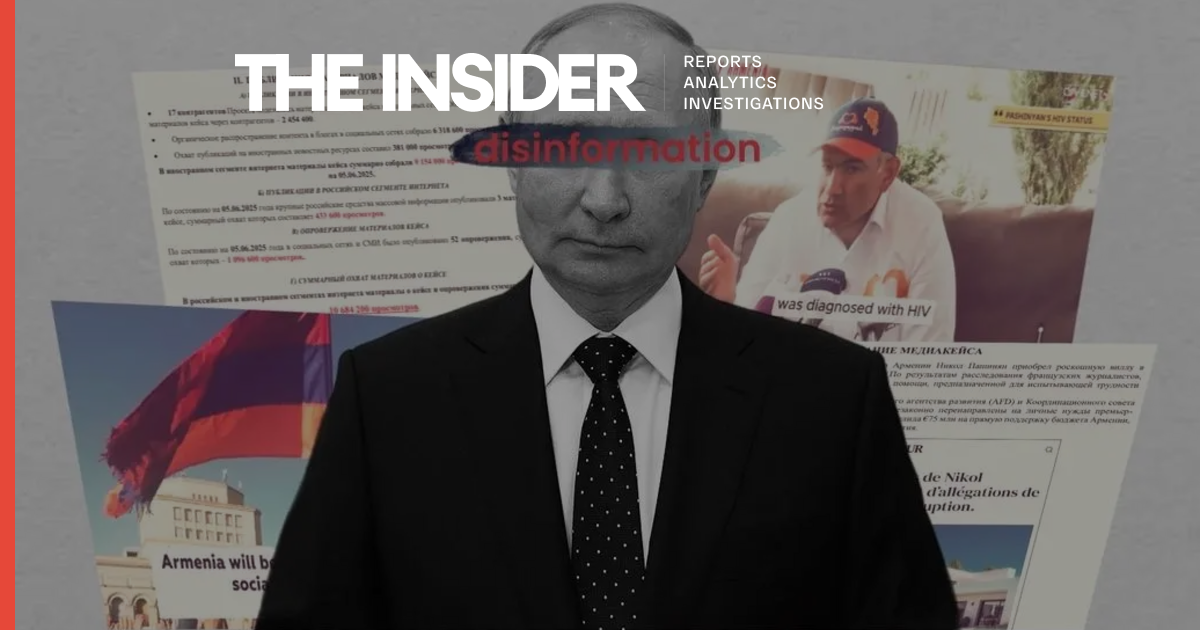
Latest Russian Matryoshka disinfo attack targeting Yerevan says Pashinyan had “meltdown” as France refused to import Armenian strawberries
The Kremlin-linked bot network Matryoshka has launched a new disinformation campaign against Armenia ahead of the upcoming June 7 parliamentary elections and…
441 words~2 min read