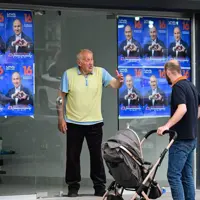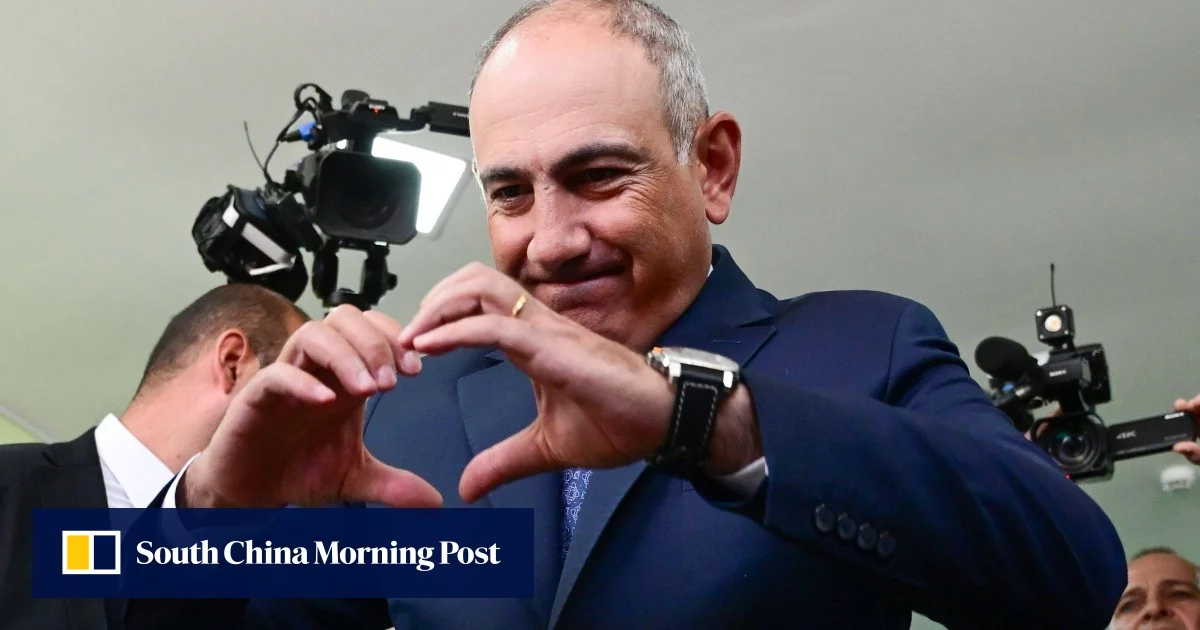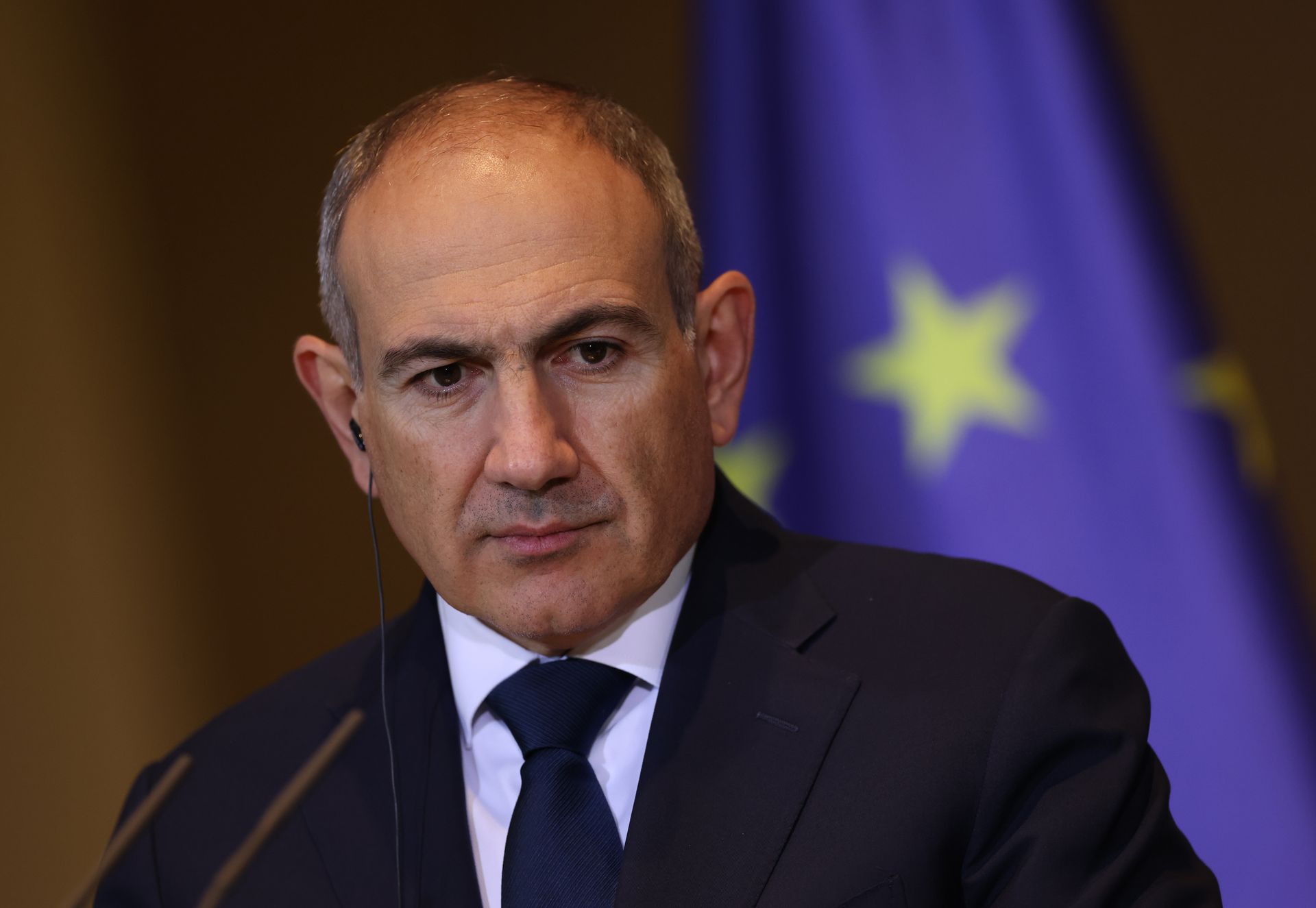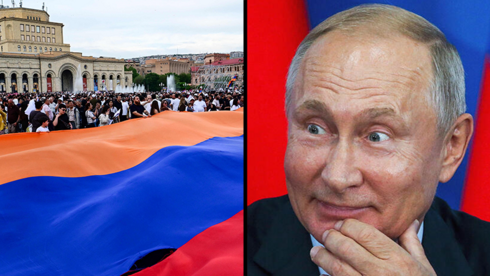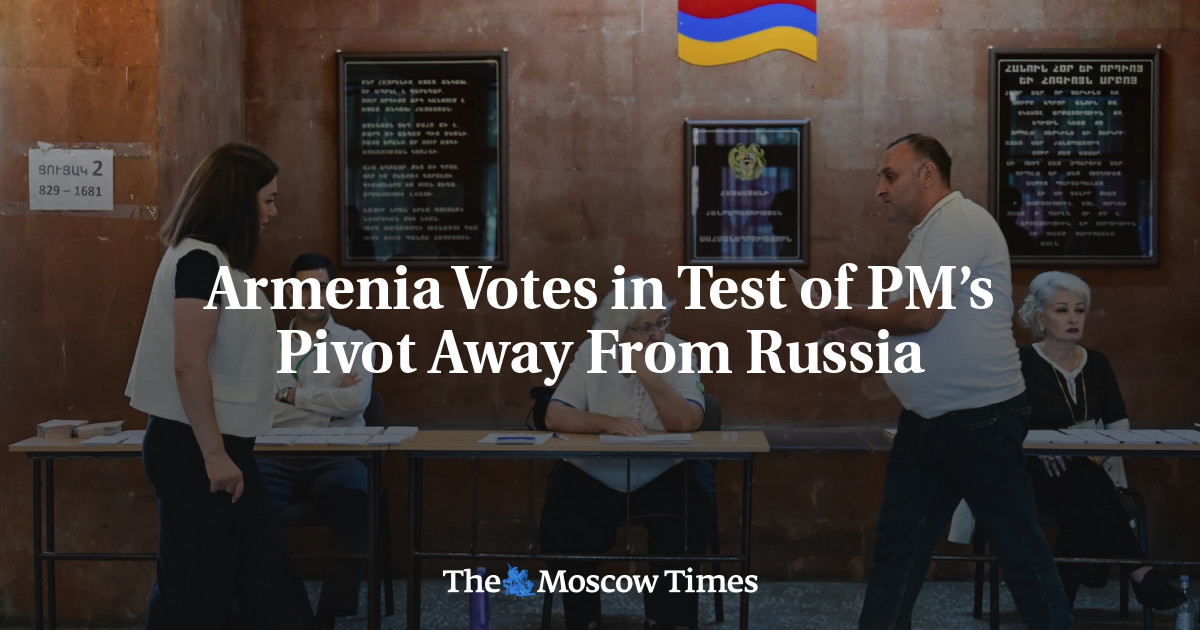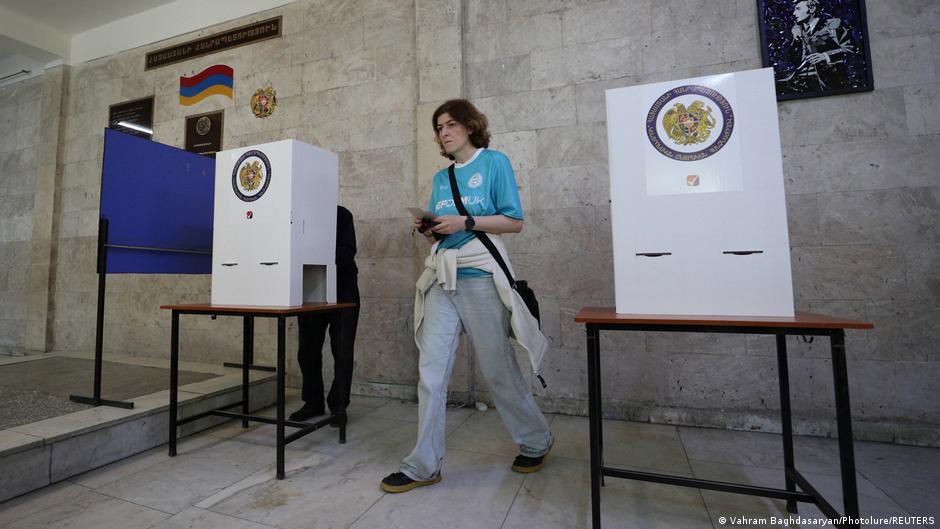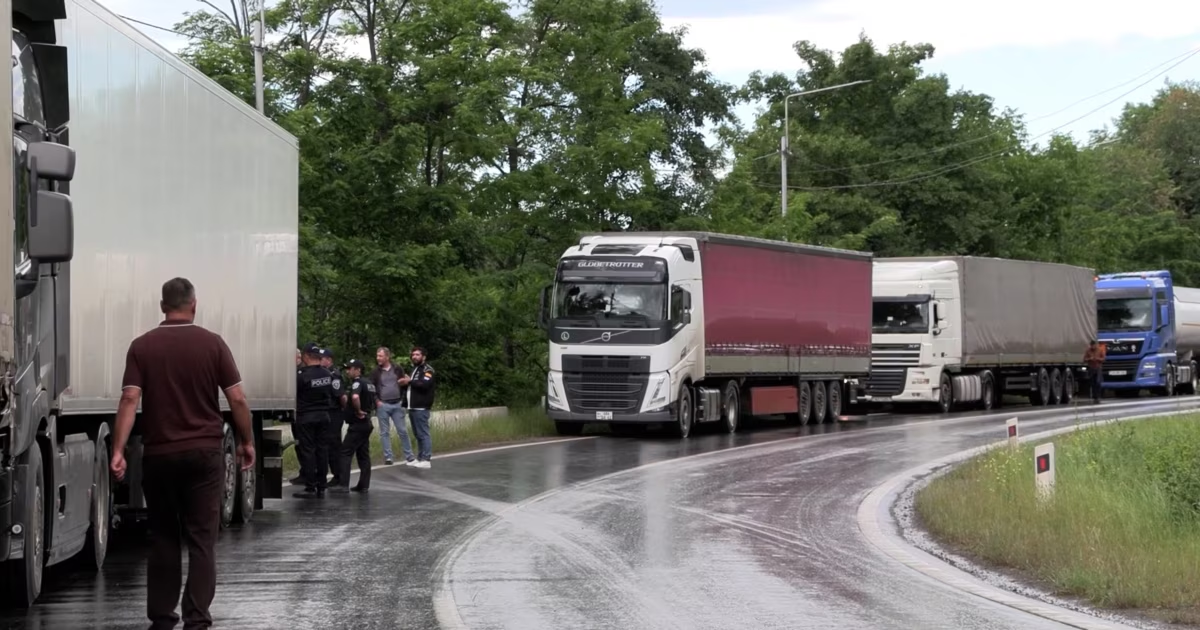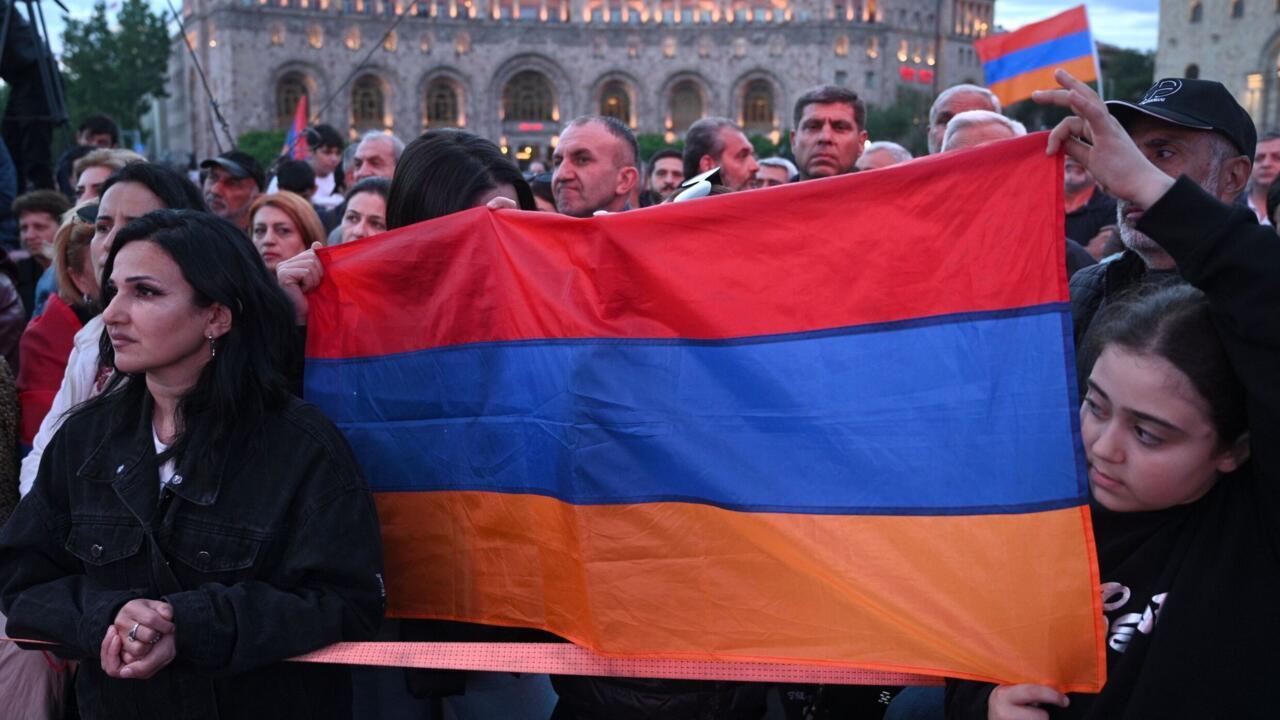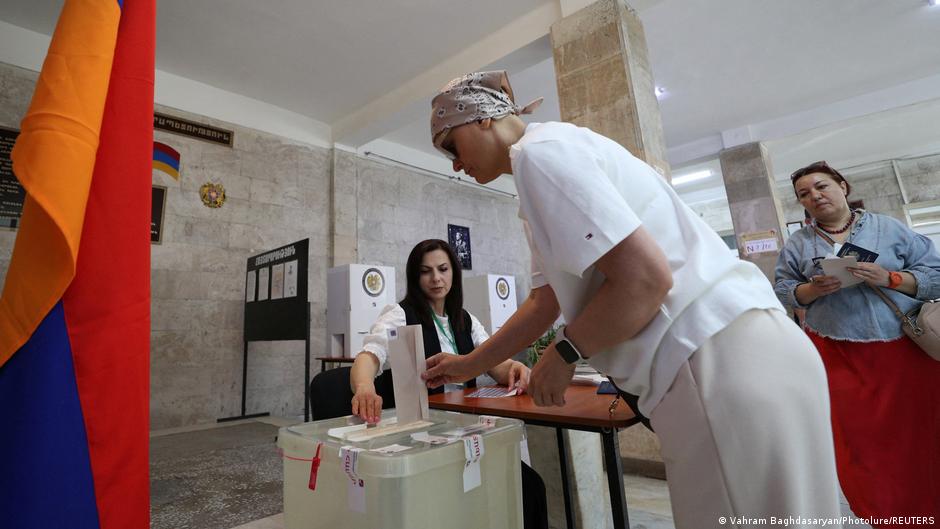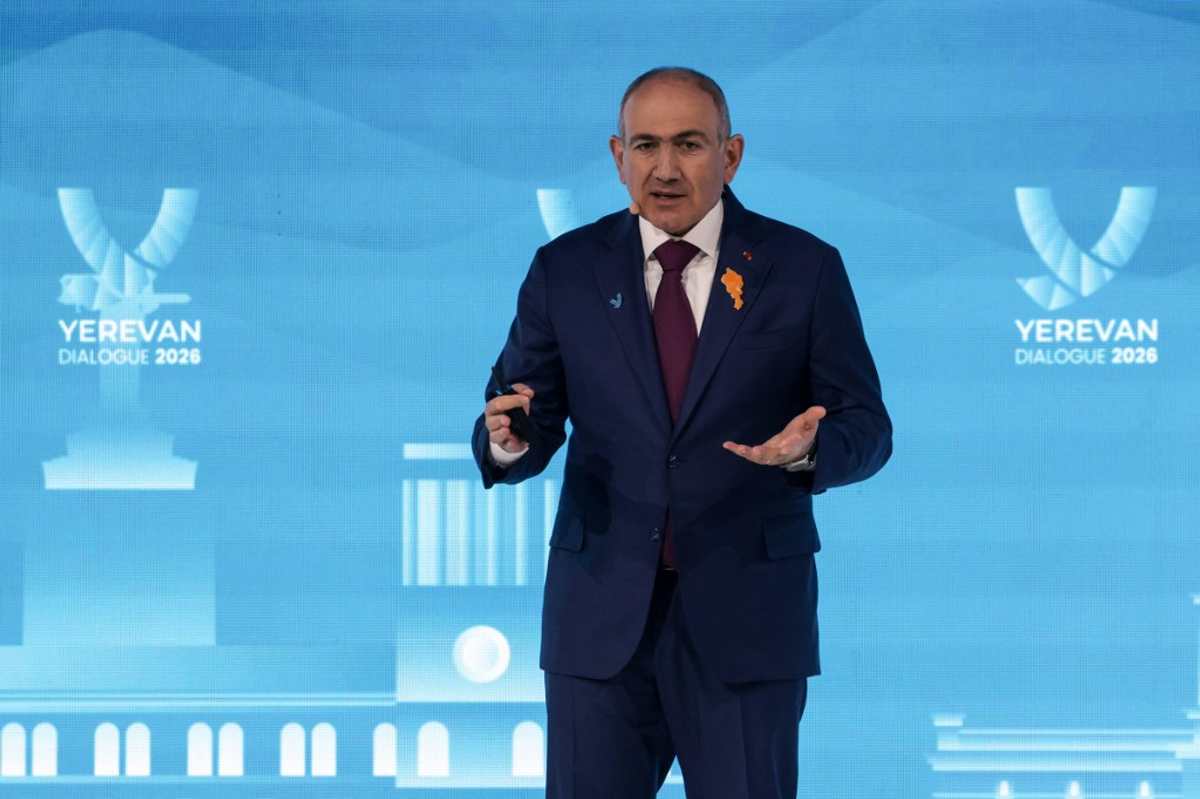
Armenia will hold parliamentary elections on 7 June. Prime Minister Nikol Pashinyan is hoping that the vote will bolster his pro-Western course. At the summit of the Eurasian Economic Union in Kazakhstan, which Pashinyan did not attend, Vladimir Putin threatened to suspend economic cooperation with the country. Russia has already imposed import bans on certain Armenian goods. A referendum thanks to Moscow’s propagandaJOIN US ON TELEGRAMFollow our coverage of the war on the @Kyivpost_official. The Moscow Times analyses Russia’s influence on the elections (Russia): “With its propaganda and ultimatums, Russia itself has turned these elections into a referendum on Armenia’s European integration. ... After the fiascos in Moldova and Hungary, the Kremlin cannot afford another defeat. It’s obvious to everyone that Russia is going to great lengths to ensure that Nikol Pashinyan does not remain in office as prime minister, or at least does not secure a mandate with a clear majority. Consequently, not only are gloomy predictions about Armenia’s economic and cultural collapse should it adopt a pro-European course burgeoning, but the very survival of its statehood is also being called into question.” Brussels more attractive On the laziar.com blog, political scientist Laurențiu Pleșca says Putin’s tone towards Armenia is telling (Moldova): “This is not the voice of a leader who is convinced of the appeal of his own project. It is one of someone who knows he can no longer convince, with intimidation being the only option left open to him. If the Eurasian Economic Union had really been an attractive proposition, Armenia would not have looked to Brussels. If the Collective Security Treaty Organisation were a genuine alliance, Yerevan would not have put its participation on hold. If the partnership with Moscow had brought prosperity to the region, the discussion today would likely be a very different one.”
Armenia Votes June 7 as Russia Threatens Economic Fallout Over Pashinyan’s Pro-EU Course
Armenia votes on June 7 amid mounting Russian pressure, with the election shaping up as a choice between Moscow and Europe.
1,030 words~5 min read