If we are to speak of a Turkish transformation, it did not arrive overnight. Rather, it emerged step by step. I attribute the foundations of this transformation to a rational approach to governance.
It appears that when a nation-state, free from the distortions of external pressures, responds to the needs of its people in a timely and effective manner, those efforts can gradually evolve into a revolution.
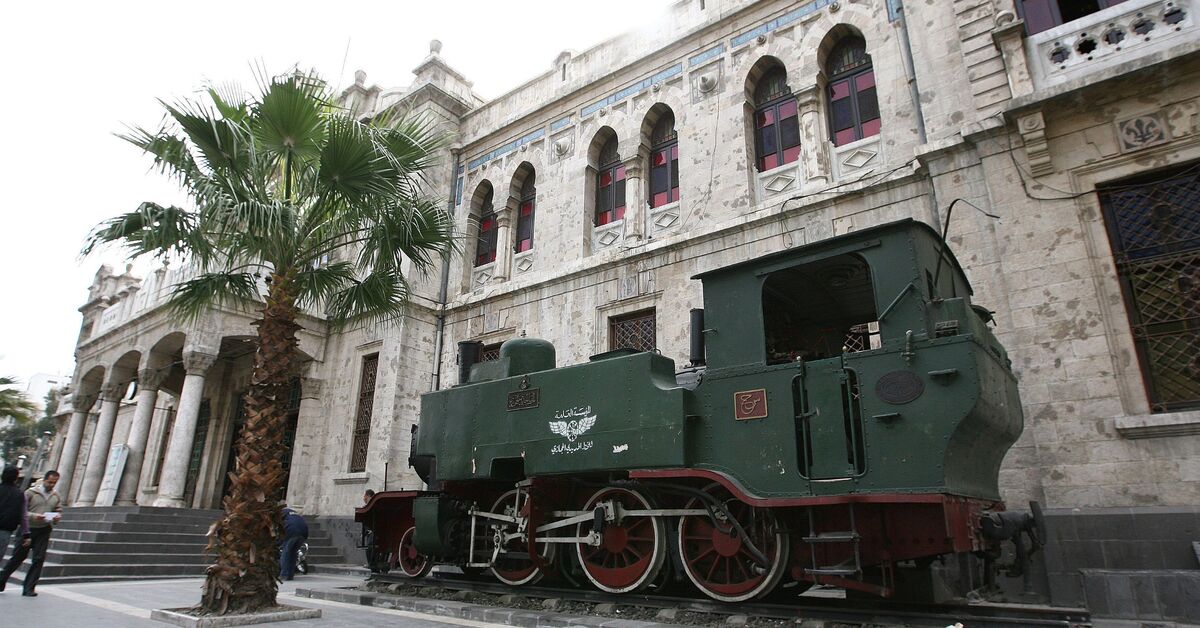
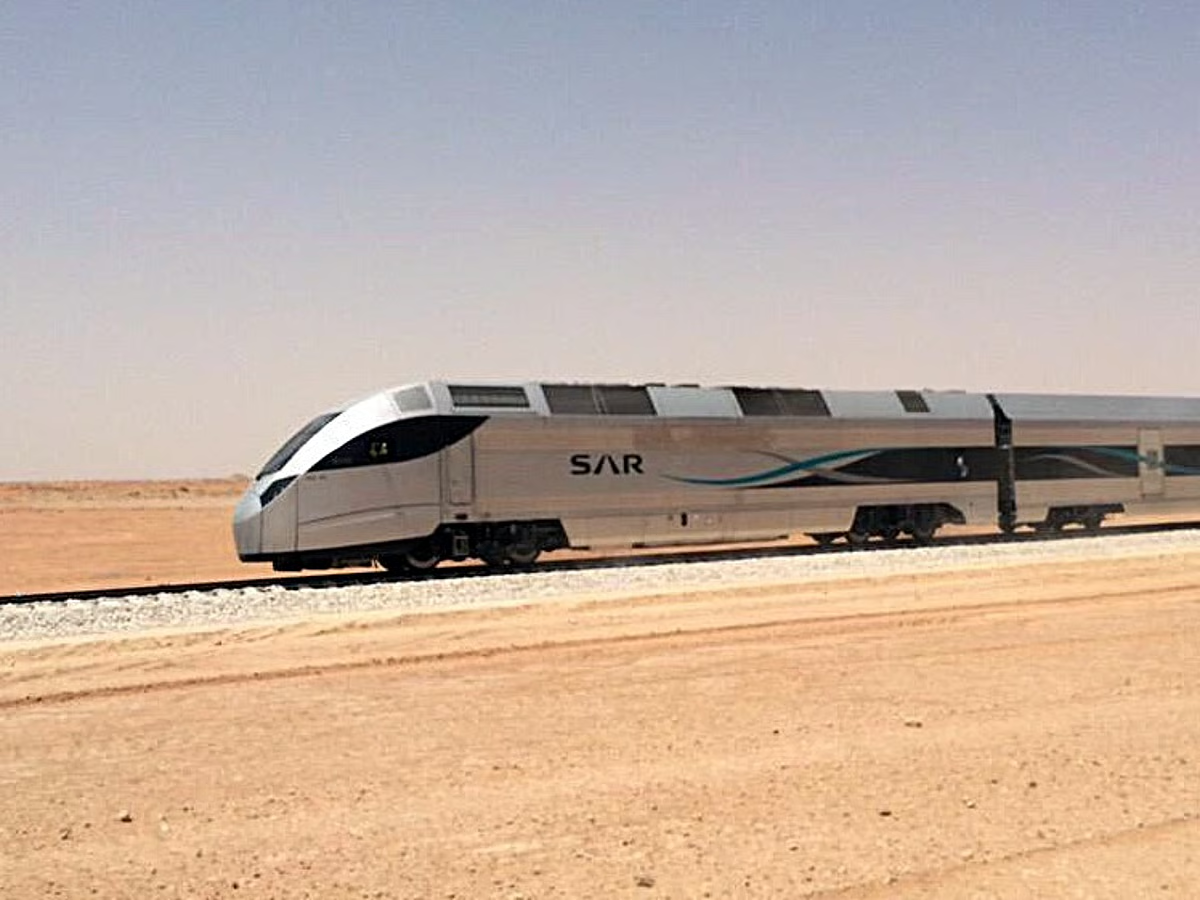
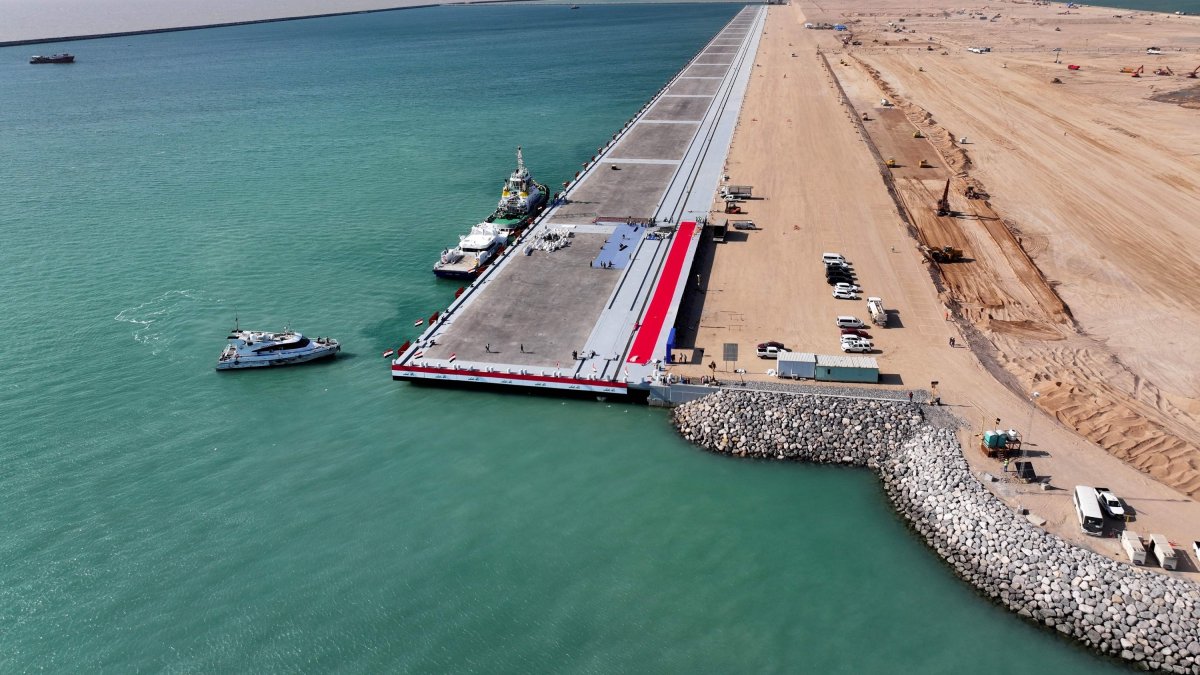
The achievements of Justice and Development Party (AK Party) governments began with strengthening the country's most essential requirement: transportation infrastructure. This was later reinforced by investments in health care infrastructure and educational facilities.
Afterward, the AK Party improved urban life. Through expanded access to clean water, quality housing, and planned urban development, both AK Party governments and local administrations implemented measures that many regarded as revolutionary.
While the AK Party has been taking these major steps, opposition parties have largely failed to develop a compelling alternative vision. Instead, they often positioned themselves against investment and development projects. Whether opposing Marmaray, objecting to new airports, or reducing road construction projects to debates about contractors, they frequently adopted a stance that placed them on the opposite side of growth and development.